Silvercare Homes Residential in Loma Linda, CA

Save
Silvercare Homes Residential

Silvercare Homes Residential in Loma Linda, CA

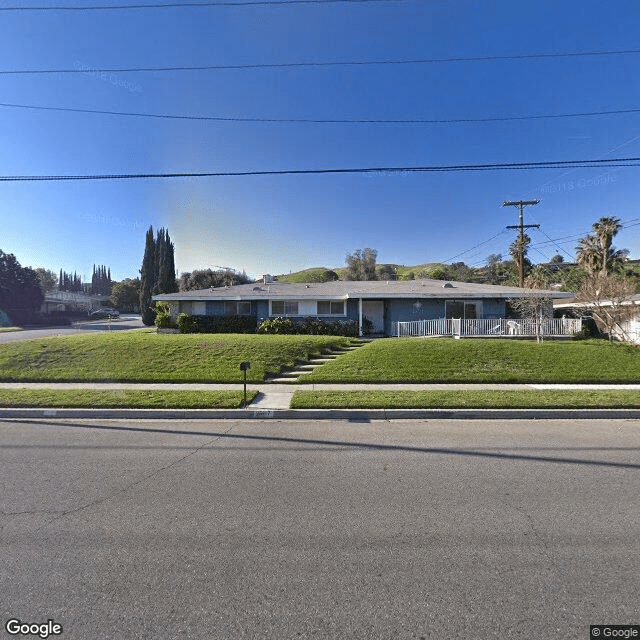
25117 Lawton Ave, Loma Linda, CA 92354

For more information about senior living options: (844) 490-3973

3.8 from 4 reviews
5 stars
0
4 stars
3
3 stars
1
2 stars
0
1 stars
0

Board and Care Home

Silvercare Homes Residential Costs & Pricing

Silvercare Homes Residential offers competitive pricing for its residential care services, with semi-private rooms available at $3,000 per month and private rooms priced at $3,800. In comparison to San Bernardino County, where semi-private accommodations average around $2,958 and private rooms are typically $3,561, Silvercare Homes provides a slightly higher cost for both room types. However, their rates remain below the California state averages of $3,333 for semi-private and $3,939 for private rooms. This positions Silvercare Homes as a well-priced option within the local market while ensuring quality care and comfortable living arrangements for its residents.

Floor plansSilvercare Homes ResidentialSan Bernardino CountyCalifornia
Semi-Private$3,000$2,958$3,333
Private$3,800$3,561$3,939

Overall Review of Silvercare Homes Residential

Pros

  • pro The care at Silvercare Homes Residential has been largely positive.
  • pro The owner is very accommodating and reassuring.
  • pro The staff are friendly and engaged with the clients.
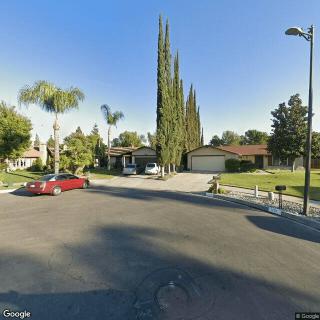
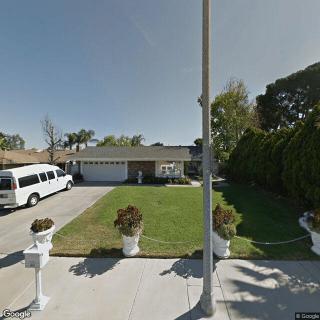
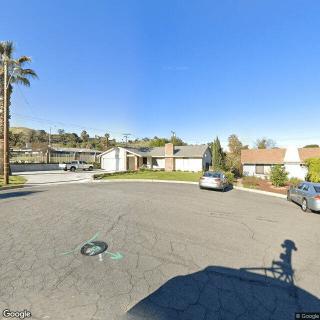
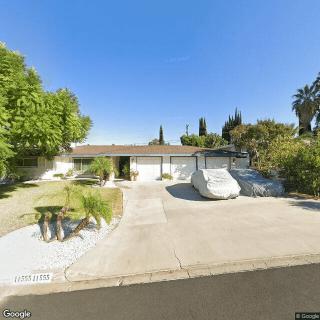
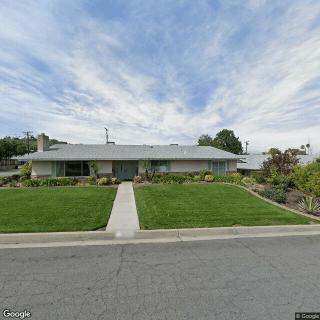
  • pro The residence is in a lovely quiet neighborhood with great views.
  • pro The caregivers take good care of residents and serve home-cooked meals.
  • pro The team helps smooth the process when outside care is needed.
  • pro After six weeks, the family feels comfortable with their choice.

Cons

  • pro The reviewer was concerned this might not be a good fit for their loved one.
  • pro The residents are described as having low activity, contributing to a low Activity rating.
  • pro The front door alarm bell is very loud.
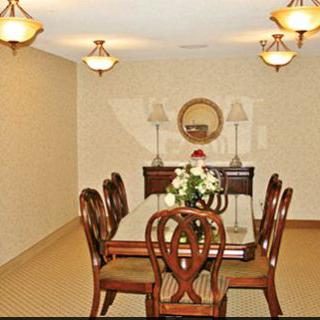
  • pro The dining area is rather crowded.

Review

Silvercare Homes Residential in Loma Linda is best suited for families seeking a quiet, home-like assisted living experience where attentive staff and hands-on coordination of outside care take center stage. It suits residents who prefer a calm, predictable daily rhythm over high-energy programming, and who value a neighborhood setting with pleasant views and home-cooked meals. The owner's flexibility in onboarding new residents and addressing delays is a practical advantage, and staff consistently come across as engaged and approachable. For families wrestling with transitions to outside caregivers or hospital follow-ups, the ability of the team to smooth those processes adds real, measurable peace of mind.

Those weighing alternatives should note who may not be ideal matches. If the priority is vigorous social activity, daily excursions, and a bustling campus atmosphere, this community may feel too sedentary. Families seeking dramatic programming or larger common areas may look elsewhere. Additionally, residents who require pervasive, around-the-clock medical oversight or more robust clinical staffing might find the level of activity and care support here insufficient. Prospective residents must also be comfortable with a dining space described as crowded, and with a facility layout that includes a very loud front-door alarm.

The strongest positives center on personal attention and practical care continuity. The owner's responsiveness during start-up challenges demonstrates a pragmatic readiness to tailor arrangements to individual doctor notes and caregiver recommendations. Staff are described as friendly and engaged with residents, a crucial factor when dependence on daily assistance is high. The dining experience - home-cooked meals prepared for residents - enhances comfort and routine, supporting overall wellbeing for those who thrive on familiar, predictable meals. The setting's quiet suburbia and scenic views contribute to a sense of safety and ease that can lessen anxiety for families navigating caregiving in the early weeks.

On the downside, the community's low-activity profile is a genuine trade-off. While some residents appreciate the serenity, others quickly sense a lack of social stimulation, hence the lower activity rating. The suggestion that outings occur only about once a month highlights a gap for families seeking ongoing engagement beyond in-house programs. A crowded dining area further signals potential bottlenecks during meals, which can challenge residents who value a more relaxed dining experience or who require smoother traffic flow. The front-door alarm, described as very loud, could be a source of distress for sound-sensitive individuals or visitors, underscoring the importance of assessing sensory comfort in person.

Overall, the confluence of strong caregiver engagement, flexible onboarding, and practical care coordination can outweigh several drawbacks for the right resident. The ability to coordinate with outside providers, as noted by families, reduces caregivers' stress and can translate into fewer hospital or specialist missteps. The quiet environment and dependable meals create a dependable daily routine that many families prize when a loved one transitions from independent living. However, the limitations on activity variety and the physical layout are meaningful considerations that tilt the balance away for residents craving more stimulation or a more open social scene.

Decision guidance: Silvercare Homes Residential makes the most sense for families who prioritize steady, hands-on care, predictable days, and tight coordination with outside caregivers. It is a practical fit for seniors who value peace, good meals, and a responsive owner who will work to accommodate medical or scheduling realities. Those who want frequent outings, expansive common areas, and a lively activity calendar should pursue other options with more robust programming and public spaces. Before committing, schedule an in-person visit to gauge activity opportunities, seating arrangements during meals, and the comfort level with the loud alarm. Also confirm whether more frequent local outings or transport accommodations can be arranged, and verify how the dining layout and traffic flow would feel during peak times. This approach ensures the choice aligns with the resident's activity preferences, safety comfort, and overall quality of life.

Features

Types of Care

  • Board and Care Home Board and Care HomeBoard and care homes provide a smaller, more intimate setting for seniors who require assistance with daily tasks but do not need the level of care offered by a nursing home. They offer personalized care, meals, and social activities in a homelike environment, ensuring that seniors receive individualized attention and support in their golden years.

Amenities

  • Activities off-site Activities off-siteEngaging in off-site activities is crucial for seniors to maintain social connections, stay active, and stimulate their minds. It promotes overall well-being and helps combat feelings of isolation and loneliness.
  • Activities on-site Activities on-siteActivities on-site are important for seniors because they provide opportunities for socialization, mental stimulation, physical activity, and overall well-being. Engaging in activities can help seniors stay active, maintain their independence, and improve their quality of life.
  • Air-conditioning Air-conditioningAir conditioning is important for seniors as they are more vulnerable to heat-related illnesses and may have underlying health conditions that make it difficult for them to regulate their body temperature. It helps to keep them comfortable, safe, and healthy in hot weather.
  • Beautician on-site Beautician on-siteHaving a beautician on-site at a senior living community is important for seniors as it allows them to easily access grooming and personal care services, boosting their self-esteem and overall well-being. It also provides convenience and helps seniors maintain their sense of independence and personal style.
  • Cable or satellite TV Cable or satellite TVCable or satellite TV is important for seniors because it provides entertainment, news, and companionship, helping to combat loneliness and boredom. It also offers a wide range of programming options tailored to different interests and preferences.
  • Devotional services off-site Devotional services off-siteDevotional services off-site are important for seniors as they provide spiritual nourishment, social engagement, and a sense of community outside of the senior living facility. This can enhance overall well-being and help combat feelings of isolation and loneliness often experienced by older adults.
  • Devotional services on-site Devotional services on-siteDevotional services on-site provide seniors with spiritual support and a sense of community, as well as an opportunity for reflection and guidance during their senior living experience. This can promote emotional well-being and connection to others, leading to a more fulfilling and enriching lifestyle in their later years.
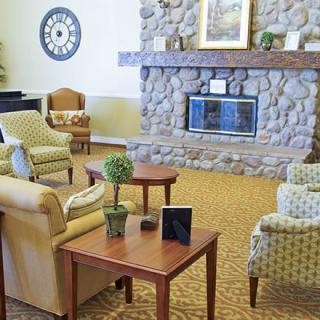
  • Fireplaces FireplacesFireplaces are important for seniors as they provide warmth, comfort, and a cozy atmosphere that can help alleviate the physical discomforts of aging, such as arthritis and poor circulation. Additionally, fireplaces offer a sense of nostalgia and security, making seniors feel more at home and relaxed in their living environment.
  • Full kitchen Full kitchenHaving a full kitchen in a senior living facility is important for seniors because it allows them to maintain their independence and prepare their own meals. This promotes healthy eating habits, saves money on dining out, and provides a sense of familiarity and comfort for residents.
  • Ground floor units Ground floor unitsGround floor units are important for seniors because they provide easy accessibility, reduced risk of falls and injuries, and convenience for those with mobility issues. Seniors can avoid climbing stairs or using elevators, making daily tasks and activities more manageable and enjoyable.
  • Handicap accessible Handicap accessible"Handicap accessible" amenities are crucial for seniors to ensure they can easily navigate and access facilities, services, and activities without barriers or limitations due to physical impairments. This promotes independence, safety, and inclusivity for seniors in senior living communities.
  • Indoor common areas Indoor common areasIndoor common areas are crucial for seniors as they provide a space for socialization, recreation, and community engagement, promoting overall well-being and reducing feelings of isolation and loneliness.
  • Kitchenette KitchenetteKitchenettes are important for seniors living in senior living communities because they provide the convenience and independence of being able to prepare simple meals and snacks in the comfort of their own living space. This can help promote a sense of autonomy and well-being for seniors, allowing them to maintain some level of control over their dietary choices and daily routines.
  • Outdoor common areas Outdoor common areasOutdoor common areas are important for seniors as they provide a space for socialization, physical activity, and relaxation. Being outside in nature can improve mood and overall well-being, while also encouraging movement and engagement with others. These spaces can help combat feelings of isolation and promote a sense of community among residents.
  • Private PrivatePrivacy is important for seniors as it allows them to maintain their independence, dignity, and sense of control over their own lives. It also gives them the space and freedom to relax, reflect, and engage in activities that bring them joy and fulfillment. Creating private spaces within senior living facilities is crucial for promoting overall well-being and quality of life.
  • Private bathrooms Private bathroomsPrivate bathrooms are important for seniors in senior living communities because they provide independence, dignity, and comfort. Having a private bathroom allows seniors to maintain their personal hygiene routines without the need for assistance, promoting a sense of autonomy and privacy. Additionally, private bathrooms help prevent the spread of infections and provide a safe and clean environment for seniors to navigate safely.
  • Private patio, deck, or balcony Private patio, deck, or balconyHaving a private patio, deck, or balcony is crucial for seniors living in a retirement community as it provides them with access to fresh air, natural light, and the outdoors without having to leave their home. This outdoor space can promote physical activity, mental well-being, and socialization opportunities for seniors, contributing to an overall improved quality of life.
  • Respite or short term stays offered Respite or short term stays offeredRespite or short term stays provide seniors with a temporary solution when their regular caregiver is unavailable, offering them the opportunity to receive additional care and support during times of need, while also giving caregivers a chance to rest and recharge.
  • Wheelchair accessible showers Wheelchair accessible showersWheelchair accessible showers are crucial for seniors as they provide a safe and independent bathing option for those with mobility challenges. These showers help prevent falls and allow seniors to maintain their dignity and autonomy while ensuring they can bathe comfortably.
  • Wi-Fi/high-speed internet available Wi-Fi/high-speed internet availableWi-Fi/high-speed internet is important for seniors to stay connected with loved ones, access online resources, and participate in virtual activities to combat feelings of loneliness and isolation. It also allows them to easily manage healthcare needs, access entertainment, and engage in lifelong learning opportunities.

Transportation

  • Ontario International (20 miles away) Ontario International (20 miles away)

Care Services

  • High acuity care High acuity careHigh acuity care is important for seniors because it provides specialized medical attention and support for individuals with complex medical needs. This level of care ensures that seniors receive the appropriate treatment and assistance to maintain their health and quality of life as they age.
  • Incontinence care Incontinence careIncontinence care is essential for seniors to maintain their dignity, hygiene, and overall quality of life. By addressing incontinence issues promptly and effectively, seniors can enjoy a sense of independence and comfort in their daily activities.
  • Medication management Medication managementMedication management is crucial for seniors to ensure they are taking the right medications at the correct dosages and times. This helps prevent adverse drug interactions, reduces the risk of medication errors, and promotes overall health and well-being. Proactive management also allows for adjustments as needed based on changing health conditions or new prescriptions.

Dining

  • Gluten-free Gluten-freeGluten-free options are important for seniors as they are more prone to digestive issues and dietary sensitivities. Offering gluten-free meal choices in senior living communities can help improve their overall health and well-being.
  • Kosher KosherKosher options are important for seniors because they adhere to dietary laws that are significant to many Jewish individuals, providing them with peace of mind and an opportunity to maintain their cultural traditions and beliefs while living in a senior living community.
  • Low / no sodium Low / no sodiumLow/no sodium options are important for seniors because excessive sodium intake can lead to high blood pressure, heart disease, and other health issues commonly experienced by older adults. By choosing low/no sodium foods, seniors can better manage their health and reduce their risk of developing these conditions.
  • Meals provided Meals provided"Meals provided" are crucial for seniors in assisted living communities as it ensures they have access to nutritious, balanced meals without the stress of meal planning and preparation. This can help promote overall health and well-being for seniors who may have limited mobility or cognitive abilities.
  • No Sugar No SugarNo sugar diets are important for seniors because they can help prevent or manage chronic conditions such as diabetes, heart disease, and obesity. Sugar can also contribute to cognitive decline and inflammation in the body, so reducing sugar intake can lead to overall improved health and well-being in older adults.
  • Organic OrganicOrganic foods are important for seniors because they contain fewer chemicals and pesticides, which can be harmful to aging bodies. Additionally, organic foods often have higher nutrient levels, making them a healthier choice for maintaining overall well-being in older adults.
  • Vegan VeganVegan diets can provide numerous health benefits for seniors, including lower risk of chronic diseases, improved digestion, and increased energy levels. Additionally, plant-based diets are often rich in essential nutrients that can support overall well-being and longevity in older adults.
  • Vegetarian VegetarianA vegetarian diet is important for seniors because it can help lower the risk of chronic diseases, maintain a healthy weight, and provide essential nutrients needed for aging bodies. Additionally, plant-based diets are often easier on digestive systems and can contribute to overall well-being in older adults.

Activities

  • Activities off-site Activities off-siteEngaging in off-site activities is crucial for seniors to maintain social connections, stay active, and stimulate their minds. It promotes overall well-being and helps combat feelings of isolation and loneliness.
  • Activities on-site Activities on-siteActivities on-site are important for seniors because they provide opportunities for socialization, mental stimulation, physical activity, and overall well-being. Engaging in activities can help seniors stay active, maintain their independence, and improve their quality of life.
  • Adventist services Adventist servicesAdventist services are important for seniors as they provide a sense of community, spiritual support, and opportunities for social engagement and growth. These services can help seniors stay connected, find purpose and meaning in their lives, and improve their overall well-being during their golden years.
  • Birthday parties Birthday partiesBirthday parties are important for seniors as they provide an opportunity for celebration, socialization, and joy. They allow seniors to feel special and appreciated, boosting their mood and overall well-being. Additionally, birthday parties can help combat feelings of isolation and loneliness by fostering connections with friends, family, and community members.
  • Devotional activities offsite Devotional activities offsiteDevotional activities offsite are important for seniors because they provide social engagement, spiritual growth, and a sense of community outside of their living environment. This can improve overall well-being, mental health, and combat feelings of isolation or loneliness.
  • Devotional activities on-site Devotional activities on-siteDevotional activities on-site provide seniors with a sense of community, spiritual fulfillment, and emotional support, promoting overall well-being and a positive sense of purpose in their lives.
  • Holiday parties Holiday partiesHoliday parties are important for seniors because they provide opportunities for socialization, community involvement, and mental stimulation. These festive events offer a sense of belonging and connection during a time that can be lonely for many older adults. Additionally, participating in holiday celebrations can boost mood and overall well-being for seniors living in senior living communities.
  • Quilting or sewing club Quilting or sewing clubQuilting or sewing clubs provide seniors with a creative outlet, social connection, and a sense of purpose. Engaging in these activities can promote mental sharpness, improve hand-eye coordination, and reduce feelings of loneliness or isolation. Additionally, participating in a club allows seniors to share skills, stories, and experiences with others who have similar interests.
  • Stretching classes Stretching classesStretching classes are important for seniors because they help improve flexibility, reduce the risk of injury, and promote overall health and well-being. Regular stretching can also help alleviate joint pain and stiffness, enhance balance and coordination, and increase range of motion.
  • Visiting chaplain or priest Visiting chaplain or priestHaving a visiting chaplain or priest at a senior living community is important for seniors because it provides spiritual support, comfort, and guidance during a time of life that can be challenging and uncertain. Their presence can help seniors feel connected to their faith, find peace of mind, and cope with the emotional and mental struggles they may face in their later years.
  • Walking club Walking clubWalking clubs are important for seniors as they promote physical activity, social interaction, and overall well-being. Regular exercise like walking can improve balance, strength, and cardiovascular health while connecting seniors with their community and reducing feelings of loneliness or isolation. Joining a walking club can also provide motivation, accountability, and a sense of belonging for older adults looking to stay healthy and active.
  • Yoga / chair yoga Yoga / chair yogaYoga and chair yoga are important for seniors as they promote flexibility, balance, strength, and overall wellbeing. These practices can help improve mobility, reduce stress, and enhance mental clarity, ultimately leading to a higher quality of life in their senior years.

Description

Silvercare Homes Residential in Loma Linda, CA is a premier assisted living community that offers a wide range of amenities and care services to ensure the comfort and well-being of its residents. With activities available on-site, residents can engage in various social and recreational activities without leaving the community. The air-conditioning system provides a cool and comfortable environment for all residents.

For those looking for beauty services, there is a beautician on-site that offers professional salon services. Residents can enjoy their favorite TV shows with the cable or satellite TV available in each unit. Devotional services are offered both on-site and off-site to cater to residents' spiritual needs.

The community features fireplaces in common areas, creating cozy spaces for relaxation and socialization. Each unit comes equipped with a full kitchen, allowing residents to prepare their own meals if desired. Ground floor units are available for easy accessibility, and wheelchair accessible showers ensure that everyone can enjoy independent bathing.

Indoor and outdoor common areas provide opportunities for socializing with other residents or enjoying some fresh air. Private accommodations offer the utmost privacy, with private bathrooms and private patio, deck, or balcony options available. Respite or short-term stays are also offered for those who require temporary assistance.

Silvercare Homes Residential provides top-notch care services such as incontinence care and medication management to meet the specific needs of its residents. Dining options include kosher, low/no sodium, organic, vegan, vegetarian meals provided by the community. Special dietary needs such as no sugar can also be accommodated.

Residents can stay active through various on-site activities such as Adventist services, birthday parties, quilting or sewing club meetings, stretching classes, visiting chaplain or priest sessions, walking club outings, and yoga/chair yoga sessions.

The location of Silvercare Homes Residential is truly convenient with numerous cafes, parks, pharmacies, physicians' offices, restaurants within close proximity as well as transportation options nearby. Places of worship, theaters, and hospitals are also easily accessible.

Overall, Silvercare Homes Residential in Loma Linda, CA offers a comfortable and inclusive environment where residents can enjoy an active lifestyle while receiving the care they need.

Nearby Places of Interest

Loma Linda, California, is a vibrant community with a variety of healthcare options nearby, including Loma Linda University Physician Referral and Children's Hospital. The area also offers easy access to pharmacies such as Rite Aid and Walmart Pharmacy. For dining options, residents can choose from Najwa's Mediterranean Cuisine or BJ's Restaurant & Brewhouse. There are several parks in the vicinity, such as Leonard Bailey Park, for relaxing outdoor activities. Additionally, transportation options like the San Bernardino Transit Center provide convenient travel opportunities. Overall, Loma Linda provides a well-rounded environment for senior living with access to essential services and amenities in close proximity.

Physicians

  • Loma Linda University Physician Referral (0.4 miles)
  • Loma Linda University Family Medical Group (0.4 miles)
  • Loma Linda University Children's Hospital (0.5 miles)
  • Loma Linda University Heart & Surgical Hospital (2.1 miles)
  • Pacific Eye Institute ( Formerly Inland Eye Institute) (2.2 miles)
  • California Orbital Consultants (2.4 miles)
  • Farhad Ardeshirpour, MD - Facial Plastic Surgeon (2.7 miles)

Hospitals

  • Jerry L Pettis Memorial (0.5 miles)
  • Loma Linda Ambulatory Care Center (1.6 miles)
  • Mountain View Surgery Center (1.8 miles)
  • San Bernardino Medical Group (6.1 miles)
  • Vantage Oncology (6.4 miles)

Places of Worship

  • National Association of Seventh Day Adventist Dentists (0.7 miles)
  • Crosswalk Church (1.7 miles)
  • Azure Hills Seventh-Day Adventist Church (3.2 miles)
  • Packinghouse Church (3.4 miles)
  • The River Christian Reformed Church (5.1 miles)
  • The Labyrinth At Memorial Chapel. University Of Redlands (5.4 miles)
  • Trinity Church (6.1 miles)

Pharmacies

  • Rite Aid (0.8 miles)
  • Walmart Pharmacy (0.8 miles)
  • Mountain View Pharmaceuticals (0.9 miles)
  • Caremark Rx (2.1 miles)
  • Rite Aid (2.1 miles)
  • Ascend Pharmaceuticals (2.6 miles)
  • CVS Pharmacy (3.3 miles)

Restaurants

  • Najwa's Mediterranean Cuisine (1.3 miles)
  • A Dong Vietnamese Cuisine (1.4 miles)
  • BJ's Restaurant & Brewhouse (1.5 miles)
  • In-N-Out Burger (1.5 miles)
  • Poke Bar (1.5 miles)
  • McDonald's (2 miles)
  • Escape Craft Brewery (2.5 miles)

Parks

  • Leonard Bailey Park (1.5 miles)
  • Brookside Park (2.7 miles)

Cafes

  • Starbucks (1.7 miles)
  • Stell Coffee & Tea Company (2.8 miles)
  • Starbucks (3.2 miles)
  • Starbucks (4.4 miles)
  • The Coffee Bean and Tea Leaf (4.4 miles)
  • Starbucks (4.6 miles)
  • Starbucks (4.7 miles)

Theaters

  • Mountain Grove 16 (3.5 miles)
  • Studio Movie Grill (4.2 miles)
  • Regal San Bernardino & RPX (4.9 miles)

Transportation

  • The Colton Diamonds (4.4 miles)
  • San Bernardino Transit Center (4.5 miles)

Frequently Asked Questions

How much does it cost to live at Silvercare Homes Residential in Loma Linda, CA?
Where is Silvercare Homes Residential?

Nearby Communities

  • Silvercare Homes

    Silvercare Homes

    Loma Linda, CA


    pro Small, personalized care with 24-hour supervision and ample amenities.

  • Richmont Home Care

    Richmont Home Care

    Loma Linda, CA

    3.9 from 8 reviews
    $2,800 to $3,500 / month

    pro Excellent care for bed-bound residents; strong staff communication; warm, clean, home-like environment.

  • Golden Village

    Golden Village

    Loma Linda, CA

    3.7 from 6 reviews
    $2,800 to $3,500 / month

    pro Memory-care focused with high-acuity support, medication and incontinence management, and sensory programs.

  • A & K Private Home Care

    A & K Private Home Care

    Loma Linda, CA

    2.5 from 2 reviews
    $2,000 to $2,300 / month

    pro Clean, well-maintained facility with helpful staff and convenient location.

  • Gentle Care Guest Home

    Gentle Care Guest Home

    Loma Linda, CA


    pro Small, intimate 9-bed setting with 24-hour supervision and personalized ADL support.

  • Sunshine Board & Care

    Sunshine Board & Care

    Loma Linda, CA


    pro Cozy home-like setting with personalized care and comprehensive daily living support.

  • Heritage Gardens

    Heritage Gardens

    Loma Linda, CA

    3.1 from 63 reviews
    $2,500 to $2,565 / month

    pro Clean, welcoming facility with caring staff and an effective rehabilitation program.

  • Linda Valley Villa

    Linda Valley Villa

    Loma Linda, CA

    4.4 from 18 reviews
    $2,195 to $3,795 / month

    pro Warm, homelike atmosphere with attentive staff, clean facilities, and engaging activities.

  • Brookdale Loma Linda

    Brookdale Loma Linda

    Loma Linda, CA

    4.1 from 115 reviews
    $2,980 to $5,750 / month

    pro Friendly staff, clean facilities, and an active community with spacious rooms.

Related Resources

  • palliative care vs hospiceUnderstanding the Nuances of Palliative Care and Hospice: A Comprehensive Exploration
    Palliative care focuses on alleviating distress at any stage of a serious illness and can accompany curative treatments, while hospice care is for those nearing the end of life with a prognosis of six months or less, emphasizing comfort over curative measures. Both prioritize holistic care for patients and families but differ in timing, goals, and scope.

  • fecal incontinenceFecal Incontinence in Older Adults: A Comprehensive Guide
    Fecal incontinence, prevalent among older adults, arises from factors like weakened pelvic muscles and nerve damage, significantly affecting well-being and social interactions. Diagnosis involves clinical evaluation and tests to inform tailored treatments, while caregivers and preventive measures can aid in managing the condition effectively.

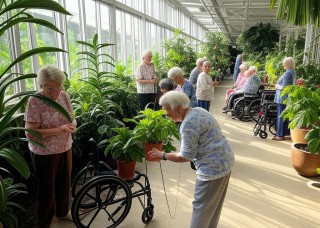
  • gardening for seniorsNurturing Well-Being Through Gardening: A Detailed Guide for Senior Enthusiasts

    Gardening provides seniors with physical exercise, mental and emotional support, and social interaction opportunities, while accommodating their needs through raised beds and ergonomic tools. It promotes health benefits like improved dexterity and cardiovascular health, encourages sustainable practices, and allows for manageable upkeep with low-maintenance plants.