
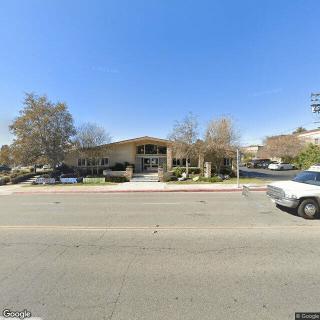
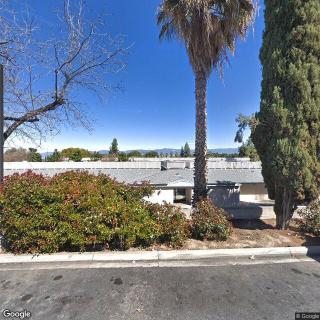
1350 Reche Canyon Road, Colton, CA 92324
For more information about senior living options: (866) 208-4318
Overall Review of Reche Canyon Regional Rehab Center
Pros
 It is a nice drive.
- They love driving through Reche Canyon; the views make them happy.
- Residents find Reche Canyon to be a nice place.
- People think it's cool to see donkeys wandering the roads in the IE, and the donkeys' coats look healthy.
- It is calming when the sun rises, and they love hearing the wild donkeys.
- It was a smooth ride.
Cons
 The reviewer states that the rehab center is horrible and not worth recommending.
- The reviewer notes that only a few nurses care for the patients, and that nurses and CNAs can be careless.
- The reviewer laments increased traffic and warns that a proposed plaza would worsen congestion, noise, trash, and disruption in Reche Canyon.
- The reviewer argues that the city plan would force burros to migrate and would damage Reche Canyon’s rural character.
- The reviewer reports that concerns raised to the Director were ignored, indicating ongoing care issues at the facility.
Review
This community is best suited for rehab patients whose families can provide vigilant oversight and who prize a quiet, scenic canyon setting over the most polished medical amenities. It serves those with modest therapy needs who can participate actively in their own recovery and rely on a willing, engaged family member to coordinate with staff. The location offers a calm, rural ambience that can ease the stress of a short-term stay, but it is not a substitute for robust nursing coverage or a proven track record of consistent hands-on care.
Families should actively consider alternatives if a loved one requires steady, proactive nursing attention, reliable medication administration, and prompt response to daily needs. The most persistent concerns from reviewers revolve around staffing adequacy and care consistency, with reports that not all nurses or CNAs are consistently attentive. For anyone who cannot regularly supervise or advocate on every shift, another center with higher staffing ratios and stronger follow-through from administration is a safer bet. In short, this facility is riskier for residents who depend on constant, dependable care.
Among the tangible positives, the setting stands out. Reviewers repeatedly note scenic canyon views and a pleasant drive to the location, which can contribute to mood and overall well-being during a rehab stay. For families able to capitalize on that atmosphere and who can supplement clinical care with oversight, there may be moments of comfort and stability. A few staff members are described as capable and caring, signaling that when consistent staffing aligns with a resident’s routine, the experience can meet basic expectations.
The most significant drawbacks are clear and recurring: care quality appears inconsistent, and staffing coverage is uneven. Multiple observers report that only some nurses provide attentive care, and that concerns raised to the Director did not promptly or adequately resolve issues. This creates real risk around daily support, timely assistance with activities of daily living, and safety around medications and transitions. The implication is that without persistent family involvement, a resident’s experience could fall short of what is needed for a reliable rehab or post-acute stay.
Given this balance, the pros do not fully offset the main cons. The tranquil, picturesque setting and the potential for moments of good care are valuable, but they do not compensate for a pattern of staffing gaps and inconsistent responsiveness. For families who can commit to being present, documenting requests, and pushing for timely follow-through, some benefits may emerge. For others, especially those with higher care needs or limited ability to supervise, the risks outweigh the upside, making alternatives a prudent consideration.
Actionable guidance for decision-making: visit with multiple staff members, request a detailed, written care plan for therapy goals, and verify current nurse-to-patient ratios, therapy schedules, and on-site coverage during evenings and weekends. Talk directly to front-line supervisors about how concerns are tracked and resolved, and ask for concrete examples of past improvements. Consider a trial period or clearly defined milestones with a back-up plan to transition if care remains uneven. If a facility’s core strength is location and a calm environment but staffing remains uncertain, place this option lower on the list and prioritize centers with demonstrably reliable care and strong family-partner programs.
 150 resident community capacity
 Skilled Nursing Facility
 Air-conditioning
 Beauty salon
 Cable or satellite TV
 Computer center
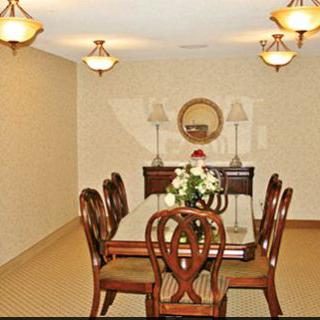
 Dining room
 Fitness room
 Fully furnished
 Gaming room
 Garden
 Housekeeping services
 Kitchenette
 Move-in coordination
 Outdoor space
 Private bathrooms
 Restaurant-style dining
 Small library
 Telephone
 Wellness center
 Wi-Fi/high-speed internet available
 Ontario International (18 miles away)
 Community operated transportation
 12-16 hour nursing
 24-hour call system
 Activities of daily living assistance
 Assistance with bathing
 Assistance with dressing
 Assistance with transfers
 Diabetes diet
 Medication management
 Mental wellness program
 Special dietary restrictions
 Concierge services
 Planned day trips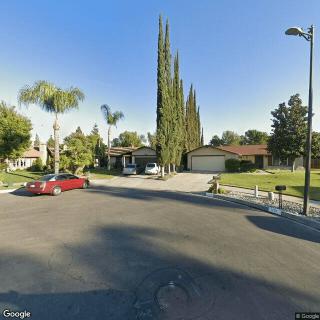


 Comprehensive Look at Senior Blood Pressure Charts: Normal and Elevated Levels by Age
 Top Canine Companions for Older Adults
 Comprehensive Guide to Blood Pressure Charts for Older Adults: Understanding Normal and High Readings by Age