

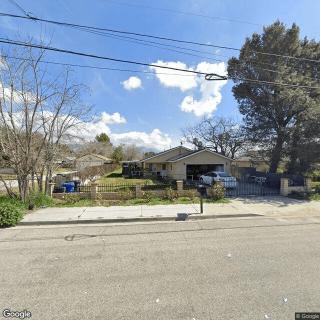
4164 North 4th Avenue, San Bernardino, CA 92407
For more information about senior living options: (866) 208-4318
Overall Review of Shandin Hills Behavioral Health Center
Pros
 The reviewer loved being there and misses the staff.
- The reviewer is fond of Shandin Hills.
- The reviewer recalls that Peaches helped them during their time and hopes for a reunion.
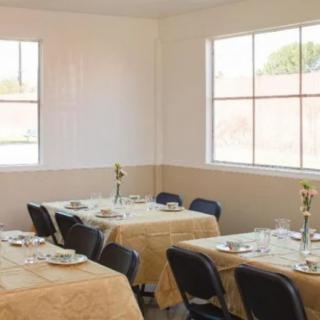
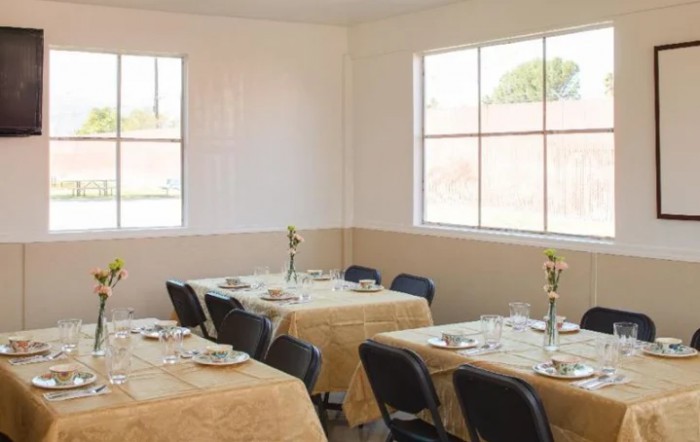
- The reviewer notes that the facility was clean and had great food.
- The reviewer expresses affection for Peaches and says they love them.
Cons
 The reviewer states that a nurse smashed their nose on a trash can and almost broke it.
- The reviewer describes the place as worse than an animal shelter, with a tall fence and spikes.
- They say some staff have little or no education to help people with mental illness.
- They claim some patients are allowed to keep contraband while others are prohibited.
- They note very limited activities, that cans are used as ashtrays, and there is only a small television room for many patients.
- They report no shade on rainy or hot days and doors that fail during electricity outages, putting patients at risk of leaving.
- They describe the environment as horrible and say some employees treat residents like nobodies.
- They say the experience has caused lasting trauma.
Review
This community is best suited for families seeking a low-cost, basic behavioral health setting where structure and routine are the dominant operating principles. It works for residents who can tolerate a regimented environment and who prioritize cleanliness and predictable meals over sophisticated programming or highly individualized care. In practical terms, it is a fit for someone whose care needs are not exceptionally complex, and where family or caregiver oversight can be maintained to monitor daily care and safety. The appeal rests less on specialty programming and more on the stability of a straightforward, orderly facility that minimizes chaos and disruption.
Those considering alternatives should take a hard pass if the priority is robust clinical staffing, trauma-informed care, and advanced therapeutic options. The history reflected in the feedback raises red flags for anyone managing a resident with significant safety concerns, past trauma from institutional settings, or chronic behavioral health needs that require highly trained clinicians and diverse activities. Prospective families should look elsewhere if they demand strong enforcements around resident rights, modern safety features, and a waste-to-fun balance that includes engaging, varied programming. If a loved one needs vigilant security, consistently educated mental health professionals, and a capacity for nuanced, individualized treatment, this isnā€™t the right match.
The clearest strengths are cleanliness and reliability of basic provisions. Several reviews point to a facility that is physically clean and that offers dependable meals, which can reduce weekly stress for families choosing a centralized living option. There are anecdotes of staff members who have been helpful and kind, and a sense that some residents experience meaningful moments with caregivers. In a setting where daily logistics and meals are part of the care equation, these steady, tangible positives matter. For families who want a predictable, well-maintained place where basic comfort is reliably delivered, this counts as a real, practical upside.
However, the main drawbacks overwhelm the apparent strengths. The most troubling themes center on safety, staffing quality, and the overall therapeutic milieu. Former residents recount traumatic, even alarming experiences with staff, including severe grievances about how care was administered and how rules were enforced. Reports of staff with limited education to address mental health needs, inconsistent handling of contraband, and restricted activities paint a picture of a facility that struggles to create a therapeutic, dignity-centered environment. The environment itself is described as claustrophobic and under-resourced: small activity spaces, limited shade, and a looping sense of confinement reinforced by architectural features like high fences and even, in some accounts, unreliable door systems during outages. These factors combine to create stress, diminutive engagement, and genuine safety concerns for residents.
When weighing pros against cons, the positive elements tend to offer only partial offset. Cleanliness and reliable meals provide short-term comfort and structural clarity, but they do not compensate for the risk factors associated with safety lapses, a constrained activity calendar, and variable staff competence. For someone who already carries fragility from mental health challenges, the reported gaps in staff training, the presence of contraband among some residents, and the perception that certain care practices dehumanize rather than support can undermine progress and trust. The best-case scenario is a setting where care is steady and predictable, but in this case those conditions coexist with significant risk signals that many families cannot ignore.
Decision guidance follows a clear path: prioritize safety, staff expertise, and available therapeutic programming over convenience or cost. Before moving forward, request a candid tour that emphasizes resident rights, incident reporting protocols, and the specifics of crisis management. Ask for current staff-to-resident ratios, detailed credentialing information, ongoing trauma-informed care training, and examples of individualized care planning. Scrutinize the activity calendar, opportunities for meaningful engagement, and the availability of therapeutic modalities beyond basic group activities. Contact current and former residents or families to gauge day-to-day experiences, and compare with nearby facilities that offer higher ratings, stronger staffing, and more robust safety assurances. If choosing this community, insist on a concrete safety plan, regular independent oversight, and a transparent mechanism for addressing grievances.
In sum, this center presents a pragmatic option for families prioritizing affordability, cleanliness, and predictable routines, with a caveat: the care environment described by many residents raises serious questions about safety, staff competence, and meaningful engagement. Alternatives should be seriously considered whenever trauma history, ongoing behavioral health needs, or the insistence on robust programming and demonstrable trauma-informed care are non-negotiable. The recommendation is to approach the decision with disciplined scrutiny, to verify safety and staffing claims in real time, and to weigh whether the potential ease of access and cost savings genuinely translate into the sustained well-being and dignity a loved one deserves.
 21 resident community capacity
 Assisted Living
 Skilled Nursing Facility
 Beauty salon
 Cable or satellite TV
 Dining room
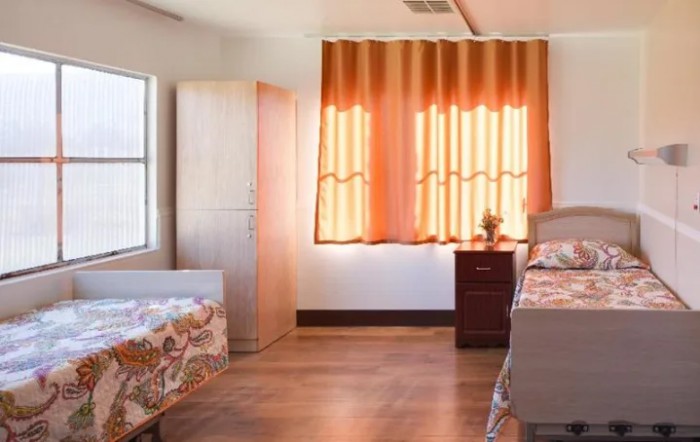
 Fully furnished
 Garden
 Housekeeping services
 Kitchenette
 Move-in coordination
 Outdoor space
 Telephone
 Wi-Fi/high-speed internet available
 Ontario International (18 miles away)
 24-hour call system
 Activities of daily living assistance
 Assistance with bathing
 Assistance with dressing
 Assistance with transfers
 Diabetes diet
 Meal preparation and service
 Medication management
 Mental wellness program
 Special dietary restrictions
 Transportation arrangement (medical)
 Transportation to doctors appointments




 Exploring the Path to Senior Living: A Comprehensive Look at Independent Living and Assisted Living
 Is Assisted Living Deductible on Your Taxes? Understanding the Complexities of Assisted Living Expenses and Deductions
 Assisted Living Support for Veterans: A Complete and Detailed Overview