Residents report mixed experiences with call light response times.
Some reviews describe urgent delays when assistance is needed, including call lights going unanswered and long waits after pressing the button. Others describe faster, calming responses when staff answered promptly and coordinated help. One family member also reported difficulty reaching the facility by phone outside of daytime hours. Overall, residents seem divided on how quickly help arrives when it’s most needed.
common3 reviews mention this
Activities include bingo and movie nights
Activities can make downtime feel more engaging during rehab.
Several residents mention activities as a positive part of the stay, including bingo and movie nights. Reviews also describe structured group moments like arts and crafts and regular activity programming. In at least one case, family members credit specific staff with doing a strong job keeping residents engaged.
caveat8 reviews mention this
Food draws both praise and complaints
Food quality is a clear point of disagreement across reviews.
A number of reviews praise meals, calling the food good and describing accommodating food needs. Other reviews are more critical, including complaints that meals were inadequate for medically ordered diets and reports that family members were discouraged when food seemed to be discarded. Some reviews also say food is something residents may need to supplement. Put together, the reviews suggest food can range from a highlight to a major frustration depending on the experience.
common13 reviews mention this
Therapy is a central focus
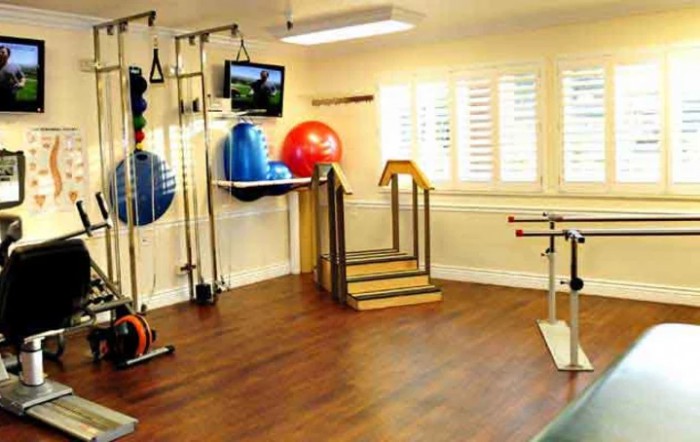
Physical and occupational therapy appear to be core to recovery here.
Many reviews repeatedly mention therapy as part of daily improvement, including PT and OT working with residents on mobility and strength. Several residents describe therapy teams as patient and encouraging, with hands-on daily sessions. Some families also highlight communication about the care plan alongside therapy involvement. While experiences vary, therapy is consistently discussed as a key driver of progress during stays.
How we summarize
Counts show how many written reviews mention each theme; a review can touch several themes, and only frequently mentioned themes are displayed.
Features
Types of Care
Skilled Nursing Facility
Transportation
Sacramento International (12 miles away)
Nearby Places of Interest
This part of Sacramento, California, offers a diverse range of amenities suitable for senior living. With several cafes and restaurants within easy reach, including popular chains like Starbucks and Chipotle Mexican Grill, residents can enjoy a variety of dining options. The presence of multiple parks, such as McKinley Park and Sutter's Landing Dog Park, provides opportunities for outdoor recreation and relaxation. Additionally, access to healthcare services is convenient with nearby physicians' offices and pharmacies. For those seeking spiritual fulfillment, St Francis of Assisi church is located in the vicinity. Overall, this neighborhood offers a blend of convenience and leisure activities that would be appealing to seniors looking to settle in a vibrant community in Sacramento.
Cafes
Starbucks (0.1 miles)
Temple Coffee (0.7 miles)
Chocolate Fish Coffee Roasters (0.9 miles)
Temple Coffee (1.1 miles)
Temple Coffee Roasters (1.4 miles)
Tupelo Coffee House (1.6 miles)
Milka Coffee Roasters (2.1 miles)
Parks
Kobe’s Bark Path (0.3 miles)
McKinley Park (1.2 miles)
Curtis Park (1.4 miles)
Sutter's Landing Dog Park (1.8 miles)
Sutter's Landing Park (2 miles)
Capitol Park (2 miles)
Roosevelt Park (2.2 miles)
Restaurants
SacYard Community Tap House (0.5 miles)
OBO' Italian Table & Bar (0.8 miles)
Del Taco (1 miles)
McDonald's (1.1 miles)
Chipotle Mexican Grill (1.3 miles)
Midtown Spirits (1.4 miles)
Mercantile Saloon (1.5 miles)
Physicians
Lenaerts Marc Mercy Medical Group Md (0.6 miles)
UC Davis Medical Group- Sacramento- Family Medicine & Pediatrics (0.7 miles)
Laser & Skin Surgery Center of Northern California (0.9 miles)
Sacramento County Primary Care Center (1 miles)
McIlraith Thomas B MD Mercy General Hospital (1 miles)
Sacramento Center For Hematology & Medical Oncology (1 miles)
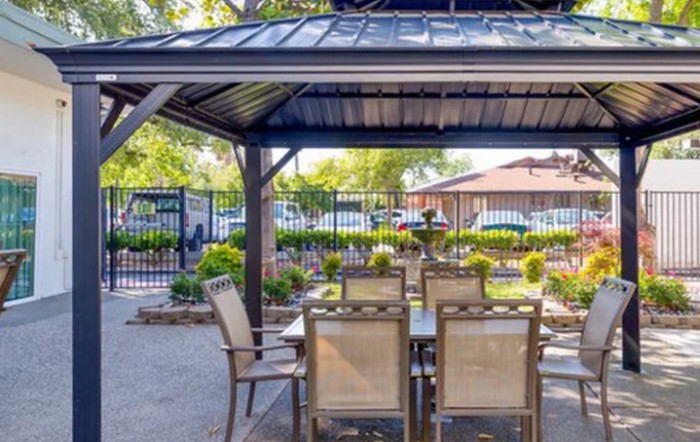
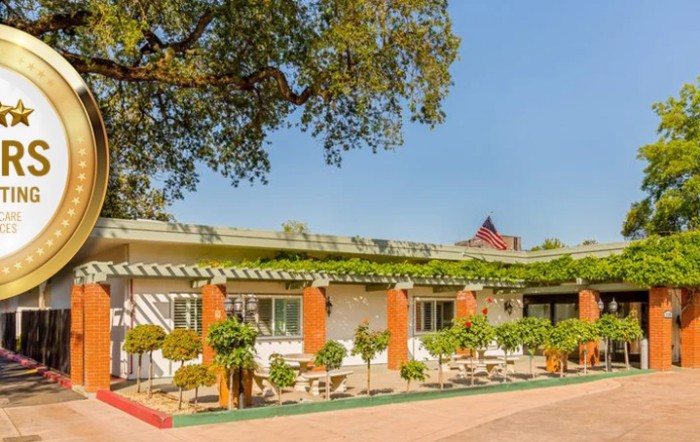
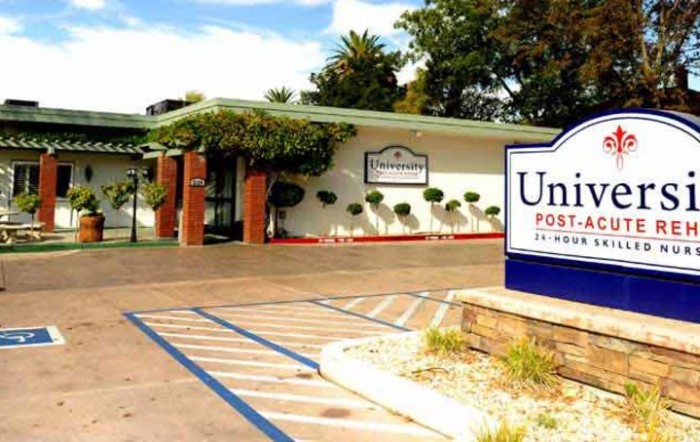
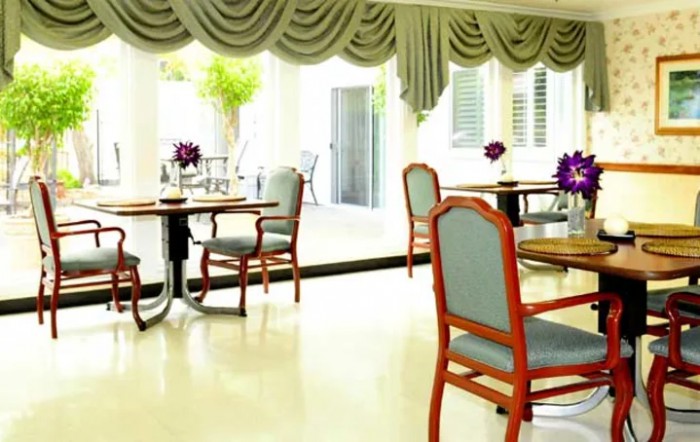
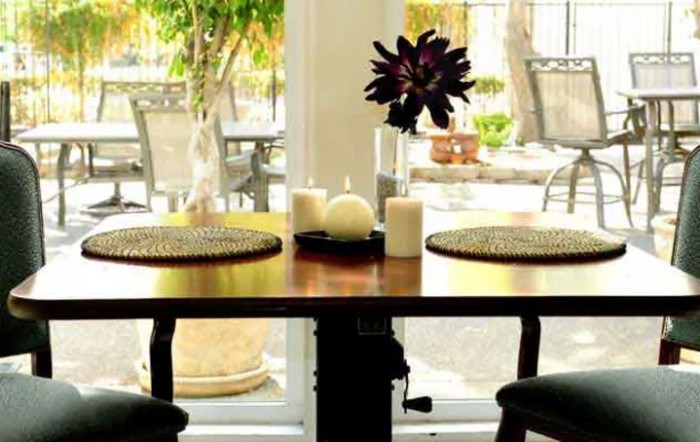
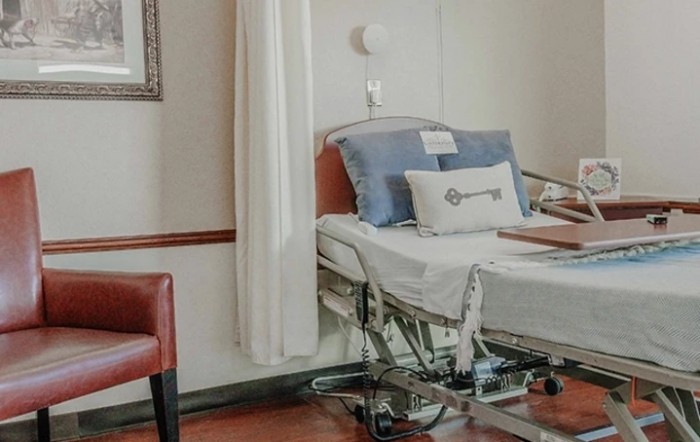
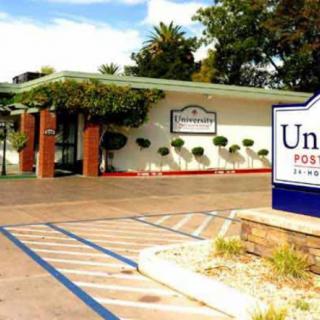
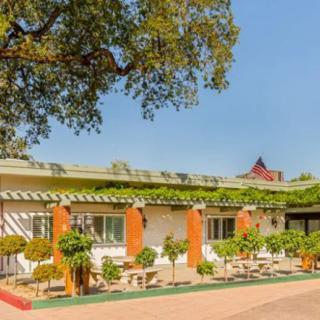
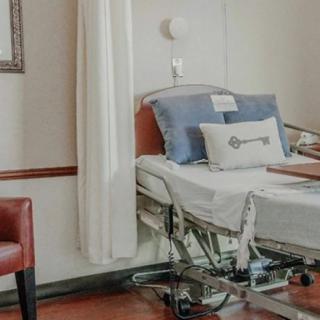
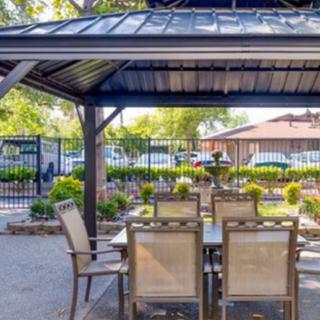
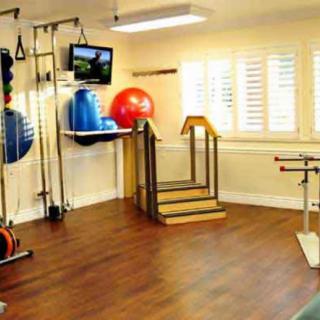
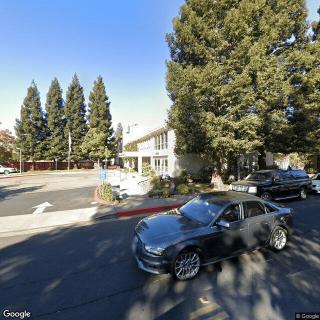
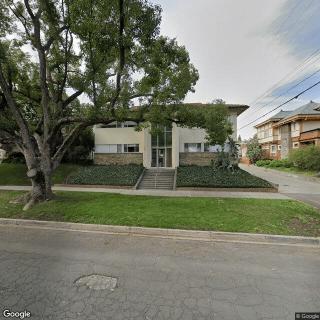
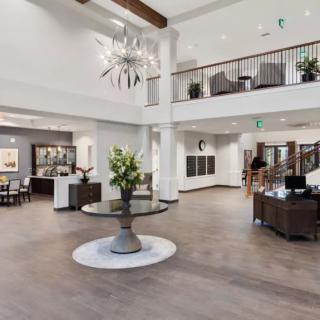
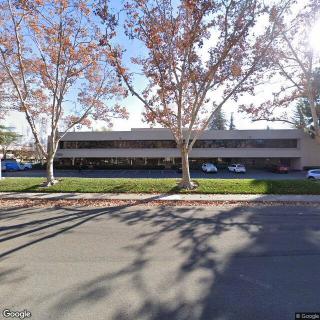
University Post Acute on seniors.fyi includes 8 photos including images showing outdoor, dining, interior, building, exercise equipment, bedroom, patio, gazebo, and more.
Nearby Communities
Crestwood Manor Behavioral Health - Sacramento
Sacramento, CA
3.9 from 20 reviews
Peaceful, supportive environment with rich nearby healthcare, dining, and parks.
Saylor Lane Healthcare Center
Sacramento, CA
4.2 from 50 reviews
24/7 supervision, medication management, mental wellness program, and restaurant-style dining with fully furnished accommodations.
Giggans Home Care (Closed)
Sacramento, CA
5 from 16 reviews
Cozy, well-furnished board-and-care setting with 24-hour supervision and scheduled activities.
Idalenes
Sacramento, CA
$1,700 to $2,400 / month
Competitive pricing with high-acuity care and private rooms
Capitol Gardens
Sacramento, CA
$2,000 / month
Memory Care focus with medication management and affordable pricing.
Mercy McMahon Terrace
Sacramento, CA
4.6 from 23 reviews
$3,650 to $4,900 / month
Quality care with friendly staff and engaging activities.
Ivy Ridge Retirement Home
Sacramento, CA
3.8 from 23 reviews
$1,800 to $2,500 / month
Cozy, home-like environment with attentive staff and affordable pricing.
Oakmont Of East Sacramento
Sacramento, CA
4.3 from 97 reviews
$3,995 to $8,795 / month
Friendly, attentive staff in a clean, well-maintained environment with engaging activities and bright, spacious rooms.
Carescope, LLC - Sacramento
Sacramento, CA
3.8 from 11 reviews
Compassionate, professional in-home care with strong family communication.
Nonmedical home care provides assistance with daily activities and companionship for individuals wishing to maintain independence and quality of life at home, without medical intervention. Its growing popularity is driven by an aging population, the need for supportive environments for recovery, and the emotional benefits of caregiver companionship, while costs vary based on service frequency and location.
Maintaining cognitive fitness through engaging in various brain games, both traditional and digital, is crucial for seniors as it enhances memory retention, problem-solving abilities, and emotional well-being while helping to protect against age-related decline. A holistic approach that includes diverse activities, physical exercise, a balanced diet, and social interaction further supports mental health and cognitive function.
The article outlines strategies for keeping seniors' minds active through brain games and apps, highlighting the importance of cognitive exercises, social engagement, and a healthy lifestyle in combating cognitive decline. It emphasizes the benefits of various types of games and offers practical tips for maintaining mental wellness through enjoyable activities while acknowledging their limitations.
Exercise Equipment, Rehabilitation, and Therapy Room
Get PricingAsk A QuestionSchedule A TourContact Senior Advisor
By clicking submit, you agree to our Partner's Terms of Use. You
also consent to receive calls and texts, which may be autodialed, from our Partner. Your consent is not a condition to
using our Partner's service. Please visit our Partner's Privacy Policy for information about their privacy practices.


 Skilled Nursing Facility
 Sacramento International (12 miles away)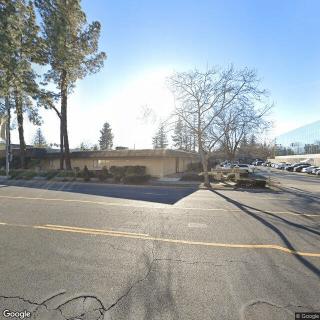
 Peaceful, supportive environment with rich nearby healthcare, dining, and parks.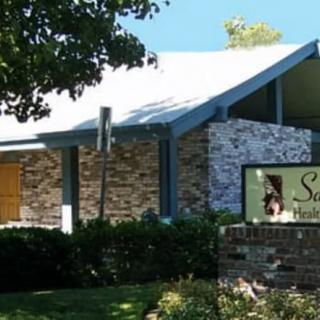

 Exploring Nonmedical Home Care: Understanding Services, Costs, and Financial Approaches
 Engaging Brain Games and Innovative Apps to Keep Senior Minds Active
 Effective Strategies for Keeping Seniors' Minds Active: A Deep Dive into Brain Games and Apps