
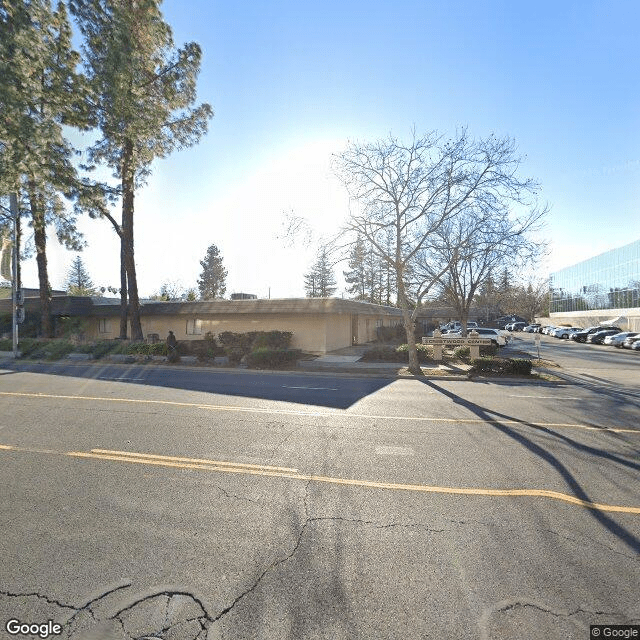
2600 Stockton Blvd, Sacramento, CA 95817
To contact a resident: (916) 452-1431
For more information about senior living options: (866) 208-4318
Overall Review of Crestwood Manor Behavioral Health - Sacramento
Pros
 The staff are excellent; they helped patients and treated them well.
- The staff were great and helped patients regain their mental well-being.
- The facility was described as a very nice place with caring staff.
- The facility helped patients transition to continued care after discharge.
- Staff made patients feel valued and cared for.
- Therapists provided supportive and attentive care.
- The MHRC is regarded as the best in northern California.
Cons
 They criticized the current management and longed for the 2014 management team.
- They described the facility as mediocre and lacking structure, with security and transparency about operations needing improvement.
- They observed many staff members making non-work-related comments and noted there are almost no nurses besides one LVN.
- They pointed out inadequate security, with cameras only on the floors and in the front office.
- They described the housekeeping supervisor as unhappy with the job, vocal about it, and dismissive of female employees and people with mental health issues.
- They reported the food as disgusting and sometimes old/expired, and viewed the doctor as a joke; they felt patients have no voice and can be kept longer for disagreement, with no clear safety measures.
- They noted poor weekend housekeeping coverage, with staff absent on Saturdays when supervisors are not there.
Review
Crestwood Manor Behavioral Health in Sacramento is best suited for adults who need inpatient behavioral health treatment and who prize genuine, ongoing warmth from staff and a clear path to continued care after discharge. The core value here is human connection: caregivers who engage with residents, remember names, and build the kind of rapport that can anchor someone through a difficult stabilization or transition. This community works well for families that want to see staff who will advocate for their loved one in tangible, day-to-day ways and who can help line up a transition plan once stabilization occurs. It is not masquerading as a flawless solution; rather, it is a setting where personal attention can feel transformative, even if procedural gaps remain. In short, Crestwood Manor is a practical choice for those prioritizing compassionate interaction and a credible post-hospital pathway, rather than a fortress of perfect routines and ironclad governance.
That said, there are clear reasons why some families will look at alternatives with renewed seriousness. The most salient concerns cluster around security, governance, and clinical leadership. Several reviews raise alarms about the level of security and information transparency, and about a perceived lack of consistent nursing presence beyond an LVN step in. The impression here is of a facility that can be loving and responsive on an interpersonal level, yet struggles with front-end organization, predictable staffing, and robust clinical oversight. For families that require a tightly managed environment with visible front desk nursing, clear security protocols, and a straightforward, well-documented operating framework, Crestwood Manor may fall short. It is prudent to compare this setting against peers that emphasize higher nurse-to-resident ratios, stronger security measures, and more transparent administrative processes.
On the upside, the pros at Crestwood Manor consistently surface as substantive and meaningful. Reviewers praise caregivers who treated loved ones with care, kindness, and attentiveness, and several accounts recount staff members who went beyond the call to support emotional and practical needs. The therapy personnel and counselors, along with aides who offered steady presence, are repeatedly cited as the heart of the experience. For families seeking a human-centered approach where residents feel seen and encouraged, these strengths can translate into meaningful daily improvements and a sense of safety through consistent personal interactions. When a patient responds to encouragement and feels valued by staff, the benefits can promote engagement in treatment, adherence to routines, and a smoother transition plan after discharge.
However, the constellation of drawbacks cannot be ignored. Security gaps, inconsistent housekeeping coverage, and questions about the medical leadership, particularly around the perceived marginal role of physicians in some accounts, can erode confidence. Several reviews describe a front desk and security posture that feel underdeveloped for a behavioral health setting, with concerns about on-site staffing during off-peak hours and limited visibility of authorized medical oversight. Food quality and safety are also flagged by some residents and families, suggesting that dietary service inconsistencies may diminish comfort during a vulnerable period. Taken together, these issues point to a facility that can be warm and supportive in person, yet occasionally falls short in the structural and clinical reliability that families often rely on for peace of mind.
Because the facility leans heavily on the human connection between staff and residents, outcomes in this environment hinge on whether those relationships translate into structured safety and predictable clinical progress. The most compelling offset to the main cons is the demonstrated capacity of the staff to form meaningful bonds, recognize needs, and mobilize transitions into appropriate ongoing care. When residents respond to staff encouragement, reminders to shower or eat, and the presence of therapists who remain engaged, treatment can remain on track despite logistical gaps. For families who can tolerate some administrative rough edges in exchange for real warmth and personalized attention, Crestwood Manor offers a tangible upside: a supportive milieu that can catalyze improvement and a credible bridge to life after inpatient care.
If alternatives are being weighed, the decisive factors center on security, transparent governance, and consistent clinical leadership. Prospective residents should prioritize direct observation of how the facility handles oversight, who the primary medical providers are, and whether there is a reliable front desk presence with clear nursing coverage. Ask specifically about nurse-to-patient ratios, daily physician rounds, and the cadence of treatment plan updates. Review note: if a facility cannot provide clear information about its leadership structure, or if families hear about disjointed shifts and inconsistent safety practices, consider other options. For those who can operate within Crestwood Manor’s compassionate framework while demanding stronger governance, the facility can still be a strong fit, provided that the family remains closely involved and asks pointed questions before agreeing to placement.
In the end, Crestwood Manor Behavioral Health offers a practical, empathetic environment for adults navigating behavioral health challenges, with a proven capacity to help residents regain footing and secure a transition plan. The decisive choice rests on matching personal priorities: if warmth and individualized attention are non-negotiable, Crestwood’s strongest asset becomes the decisive factor. If, instead, reliability of security, explicit medical leadership, and transparent administration are paramount, the search should continue elsewhere or be conducted with rigorous, targeted inquiries. The right fit will balance these elements: a facility where devoted staff truly make a difference, coupled with robust, predictable safety, and a clear, credible road map for ongoing care after discharge.
 Skilled Nursing Facility
 Sacramento International (12 miles away)


 Recognizing the Journey: Understanding and Navigating Anticipatory Grief
 Encouraging Participation in Adult Day Care: A Guide to Supporting a Hesitant Parent
 Comprehensive Exploration of Living Wills and Other Advance Directives