Saylor Lane Healthcare Center in Sacramento, CA

Save

  • Interior

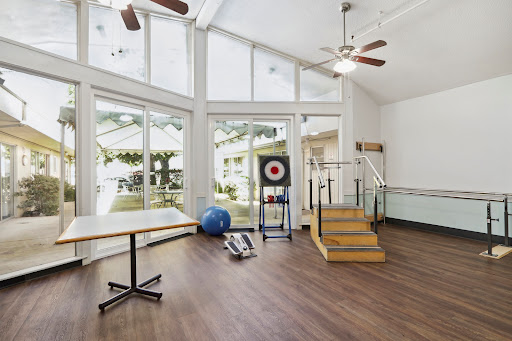
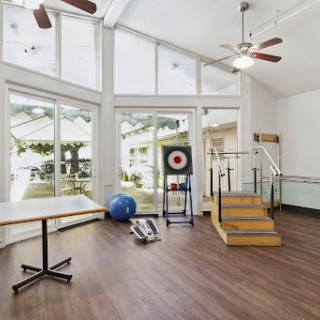
    A spacious exercise room with large windows, featuring workout equipment and a welcoming atmosphere.
  • Building

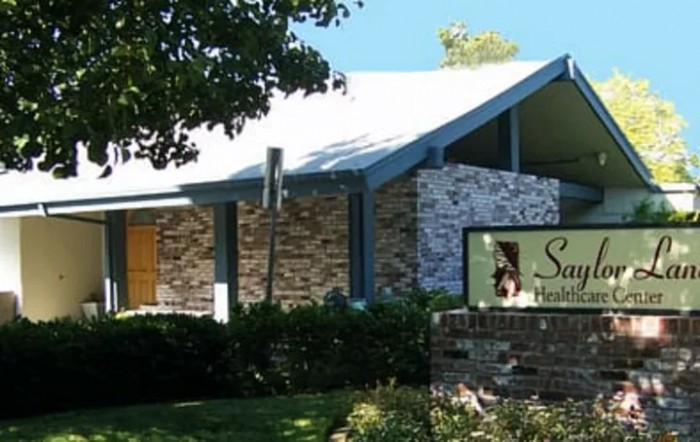
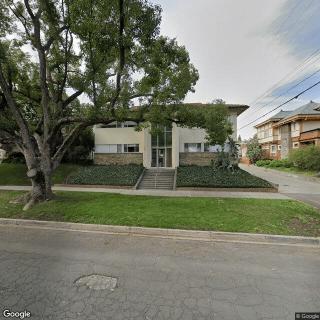
    A house with a stone exterior and a sign in the front yard.
  • Bedroom

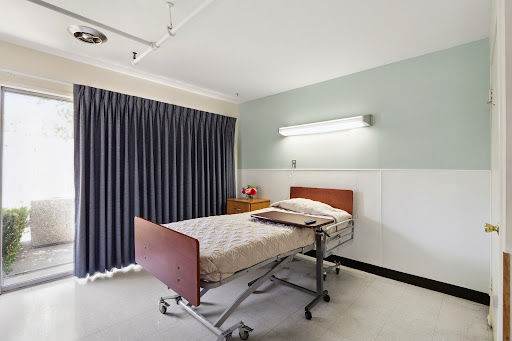
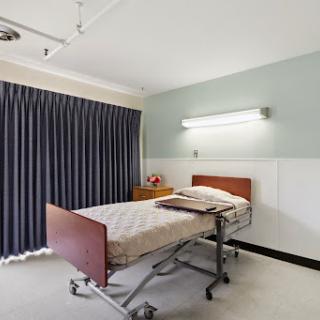
    A hospital patient room featuring a bed, gray curtains, and overhead lighting.
  • Landscaping

    A well-maintained garden area featuring a planter box with colorful flowers, set against a wooden fence.
  • Garden

    A vibrant raised garden bed filled with colorful flowers and a decorative flower stake against a textured wall.
  • Outdoor

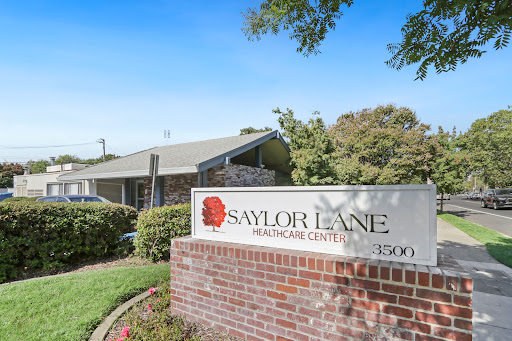
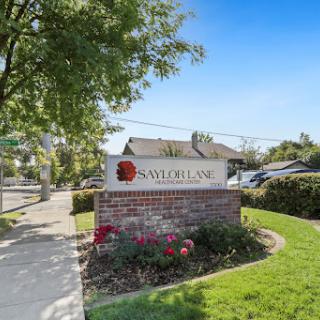
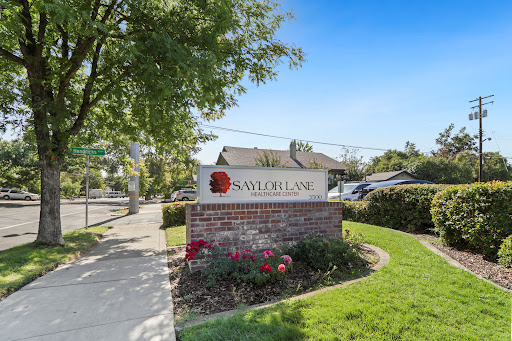
    A welcoming sign for a residential community, surrounded by well-maintained landscaping and clear blue skies.
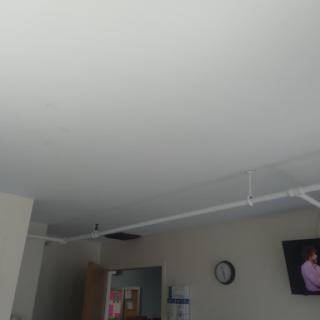
  • Television

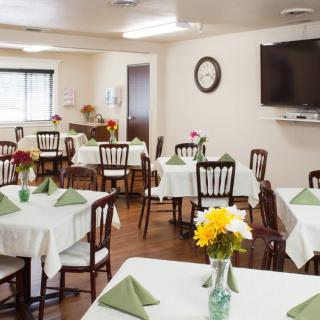
    A view of a room featuring a ceiling, a wall clock, and a television.
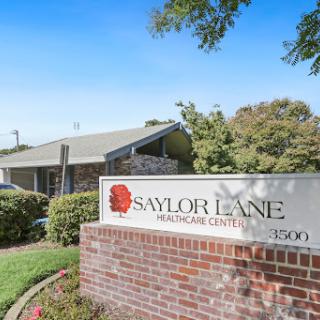
  • Exterior

    Welcome to Saylor Lane Healthcare Center.
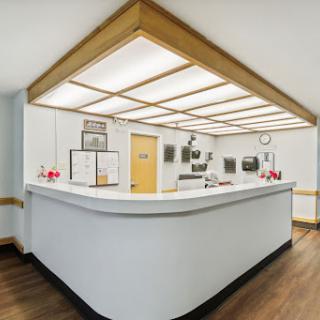
  • Office

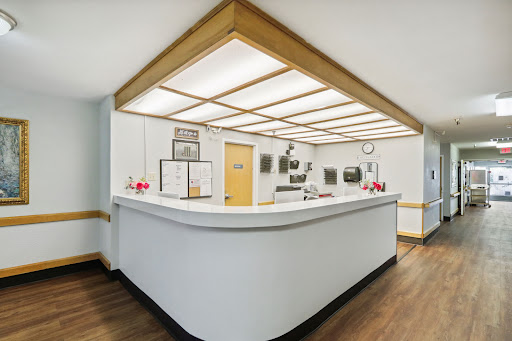
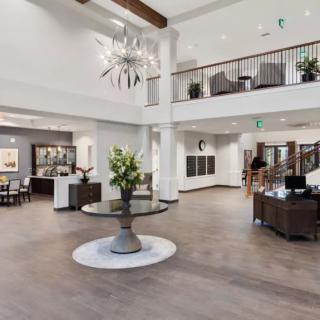
    A clean and modern reception area in a healthcare facility.
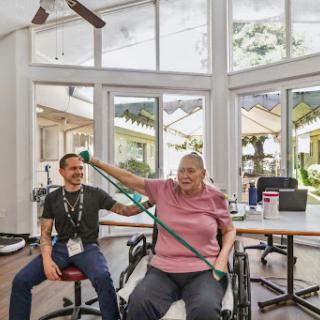
  • Healthcare

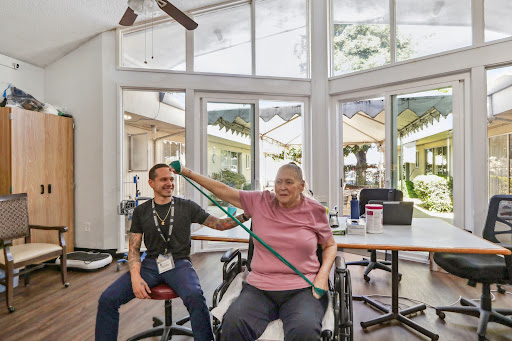
    A patient engages in physical therapy with the assistance of a caregiver, focusing on rehabilitation and wellness.

Saylor Lane Healthcare Center in Sacramento, CA

Information last verified:

3500 Folsom Boulevard, Sacramento, CA 95816

For more information about senior living options: (844) 490-3973

4.3 from 46 reviews
5 stars
37
4 stars
1
3 stars
0
2 stars
0
1 stars
8

Overall Review of Saylor Lane Healthcare Center

Pros

  • pro The CNAs are hard workers with great expertise and genuine care for patients.
  • pro The physical therapists are relentless in guiding patients to restore movement.
  • pro The nurses and LVNs greet residents with smiles and deliver attentive, round-the-clock care.
  • pro The staff create a warm, family-like atmosphere where residents feel valued.
  • pro The facility is clean, odor-free, and well maintained.
  • pro The leadership is compassionate, knowledgeable, and dedicated to resident well-being.
  • pro The social services team provides thoughtful, supportive service that boosts residents’ confidence.
  • pro The kitchen staff works hard to provide balanced, tasty meals and accommodate preferences.

Cons

  • pro The reviewer described the facility as horrible and advised against sending family or friends there.
  • pro They stated that the staff didn’t care when their father was dizzy and needed a hospital transfer.
  • pro They claimed the facility smelled of urine upon entry and there wasn’t a proper lift team to help him to the bathroom.
  • pro They reported some staff didn’t wear masks and didn’t assist their relative to get to the bathroom.
  • pro They alleged a nurse said their mother should be lucky medications were given at 3:00 in the morning.

Review

Saylor Lane Healthcare Center in Sacramento is best suited for seniors who are pursuing aggressive rehabilitation after a hospital stay or major procedure, and for families seeking a tightly coordinated skilled-nursing program that foregrounds mobility restoration and practical discharge planning. The campus feels compact and therapy-forward, with rehabilitation driving the pace of care and the nursing team integrating closely with therapists, social services, and physicians. For residents who want to regain walking ability, improve balance, and resume everyday activities, the facility offers a credible path forward, supported by a culture that keeps family involvement central and staff who appear genuinely invested in long-term recovery. Those needing 24/7 ICU-level medical oversight or highly specialized acute care should look elsewhere, because the emphasis here is on rehabilitation momentum and functional progress rather than chronic medical instability.

Families should consider alternatives if a resident requires extremely high-acuity medical management or if consistent, uniform experiences across shifts are non-negotiable. A few reviewers describe concerns about response times and ongoing safety issues, which can be a meaningful red flag for residents who rely on rapid escalation of care. The facility’s smaller size and therapy-centric model can translate to outstanding progress in mobility, but it also opens the door to variability in daily operations, especially if leadership turnover or staffing gaps occur. Additionally, some concerns have appeared in the online feedback about the credibility of certain five-star ratings, underscoring the importance of verifying impressions through a personal tour, meeting frontline staff, and reviewing the latest state inspection history before committing. Those seeking a consistently pristine day-to-day routine or a uniformly risk-averse environment may find alternatives more predictable.

The strongest, recurring positives center on rehab capability and the people delivering it. The therapy team, led by diligent physical and occupational therapists, appears relentless in guiding residents back toward movement, with a particular emphasis on functional milestones like standing, walking, and safe transfers. CNAs are repeatedly described as hardworking and cohesive, forming a supportive, family-like unit that carries forward the care plan with practical kindness. Nursing leadership and the physician presence are cited as actively involved, with clinicians who greet residents with warmth and maintain a visible, hands-on approach to medications and medical checks. The activities program, decorations, and attention to environment add to a sense of normalcy and motivation, while the dietary team works to provide balanced menus with options. A well-structured discharge pathway is also consistently highlighted, helping families transition to lower levels of care when appropriate and reducing the confusion that often accompanies post-acute moves.

Yet, the negatives cannot be washed away by sunsets on the therapy gym. The most jarring contrasts come from a handful of 1-star accounts that describe serious lapses in safety and basic daily supports, claims of unmanaged bathroom needs, odors, and delays that left a family feeling unheard in urgent moments. One account recounts a deterioration during a hospital-stay transfer that culminated in an ambulance transfer and a death soon after, which rightfully triggers a careful, independent look at risk management and escalation protocols. These narratives, while not universal, underscore the necessity of a robust clinical safety net, transparent accountability, and well-documented escalation processes. A second layer of caution comes from concerns about review authenticity raised by some readers, which calls for direct engagement with the site and corroboration with recent survey results before relying on anecdotes alone.

With strong rehab outcomes as the core value proposition, the pros do offset the cons for many families, but only when a careful, proactive stance is taken. Prospective residents should push for a rehab-first trajectory, request regular PT/OT sessions, insist on clear milestones, and ask about staffing patterns on the unit where care will occur. Engage early with the social work and discharge planning teams to map a realistic post-acute path, including potential transitions to home health, hospice, or lower levels of care if independence resumes. Demand transparency on call-back times, routine bedside rounding, and the availability of clinicians at off-peak hours. The leadership team, names like Sherin and Dustin appear repeatedly in positive threads, should be assessed through a direct conversation about value, safety culture, and the facility’s plan for addressing any negative experiences. When rehabilitation and a compassionate, cohesive team are what matter most, Saylor Lane earns careful consideration; when flawless day-to-day risk control and uniform safety responses are non-negotiable, exploring other options remains prudent.

In the end, Saylor Lane Healthcare Center stands out as a practical choice for families prioritizing mobility recovery, meaningful therapy engagement, and a caring, team-driven culture. It is less compelling for those who must have unwavering consistency in daily safety, rapid problem resolution, and crystal-clear, tamper-proof quality records across shifts. The decision hinges on personal priorities: if restoring function and walking ability with supportive, involved staff is the chief objective, this community can deliver measurable progress and genuine goodwill that shows up in real, tangible gains. If the priority is a uniformly pristine daily routine and absolute certainty in emergency responsiveness, there are other options that may better align with those expectations. A targeted tour, frank conversations with the therapy and nursing leadership, and a review of the most recent inspections will illuminate whether Saylor Lane is the right home for the loved one’s next chapter.

Features

Housing

  • 42 resident community capacity 42 resident community capacity

Types of Care

  • Skilled Nursing Facility Skilled Nursing FacilitySkilled Nursing Facilities are crucial for seniors as they provide round-the-clock medical care, rehabilitation services, and assistance with daily activities. These facilities ensure that seniors receive the specialized care they need to maintain their health and well-being as they age.

Amenities

  • Beauty salon Beauty salonBeauty salons are important for seniors because they provide a space for them to feel pampered, socialize, and maintain their personal grooming and hygiene. Regular visits to a beauty salon can help boost seniors' self-esteem and overall well-being.
  • Cable or satellite TV Cable or satellite TVCable or satellite TV is important for seniors because it provides entertainment, news, and companionship, helping to combat loneliness and boredom. It also offers a wide range of programming options tailored to different interests and preferences.
  • Dining room Dining roomDining rooms are important for seniors as they provide a space for socialization, connection, and nutritious meals. They offer opportunities for residents to bond over shared meals, foster a sense of community, and promote healthy eating habits. Dining rooms also ensure that seniors have access to well-balanced meals tailored to their dietary needs and preferences.
  • Fully furnished Fully furnishedFully furnished senior living communities are important for seniors because they provide convenience, comfort, and a hassle-free moving experience. Seniors can easily settle into their new living space without the stress of having to buy and move furniture. This allows them to focus on enjoying their new home and community.
  • Garden GardenGardens are important for seniors as they provide a peaceful and therapeutic environment for relaxation, physical activity, and socialization. Being in nature has been shown to reduce stress, improve mood, and promote overall well-being. Gardens also offer opportunities for seniors to engage in gardening activities, which can improve mobility, flexibility, and cognitive function. Additionally, gardens create a sense of community and connection with others who share a passion for plants and outdoor spaces.
  • Housekeeping services Housekeeping servicesHousekeeping services are important for seniors because they help maintain a clean and safe living environment, promote independence, and reduce the risk of accidents or illnesses. Additionally, having assistance with household chores can alleviate physical strain and allow seniors to focus on other aspects of their well-being.
  • Kitchenette KitchenetteKitchenettes are important for seniors living in senior living communities because they provide the convenience and independence of being able to prepare simple meals and snacks in the comfort of their own living space. This can help promote a sense of autonomy and well-being for seniors, allowing them to maintain some level of control over their dietary choices and daily routines.
  • Move-in coordination Move-in coordinationMove-in coordination is important for seniors because it helps ease the transition into their new living environment. It ensures that all logistics, such as packing, organizing movers, and setting up utilities are taken care of, allowing seniors to focus on settling in and adjusting to their new home. Having a smooth move-in process can alleviate stress and anxiety, making the transition smoother and more enjoyable for seniors.
  • Outdoor space Outdoor spaceOutdoor spaces are important for seniors as they provide opportunities for physical activity, social interaction, exposure to natural light and fresh air, and a sense of connection to nature. Having access to outdoor spaces can improve overall well-being and quality of life for older adults living in senior communities.
  • Restaurant-style dining Restaurant-style diningRestaurant-style dining is important for seniors because it allows them to enjoy delicious, nutritious meals in a social and upscale setting. This enhances their dining experience, promotes healthy eating habits, and fosters socialization with fellow residents, ultimately contributing to their overall well-being and quality of life.
  • Small library Small librarySmall libraries are important for seniors as they provide access to a variety of reading materials, including books, newspapers, and magazines. This can help stimulate their minds, keep them engaged, and provide a sense of community through book clubs and other social activities. Additionally, reading has been shown to improve cognitive function and overall mental well-being in older adults.
  • Telephone TelephoneTelephones are important for seniors as they provide a lifeline for communication with loved ones, emergency services, and healthcare providers. They offer a sense of security and independence, enabling seniors to stay connected and access assistance when needed.
  • Wi-Fi/high-speed internet available Wi-Fi/high-speed internet availableWi-Fi/high-speed internet is important for seniors to stay connected with loved ones, access online resources, and participate in virtual activities to combat feelings of loneliness and isolation. It also allows them to easily manage healthcare needs, access entertainment, and engage in lifelong learning opportunities.

Transportation

  • Sacramento International (11 miles away) Sacramento International (11 miles away)

Care Services

  • 24-hour call system 24-hour call system24-hour call systems are important for seniors because they provide peace of mind and immediate assistance in case of emergencies. This technology ensures that help is always available, promoting safety and security for elderly individuals living alone or in assisted living facilities.
  • 24-hour supervision 24-hour supervision24-hour supervision is important for seniors to ensure their safety, well-being, and access to immediate assistance in case of emergencies or health issues. This constant support provides peace of mind for both seniors and their loved ones, allowing them to age in place with dignity and security.
  • Activities of daily living assistance Activities of daily living assistanceActivities of daily living assistance are important for seniors because they provide essential support with tasks such as eating, bathing, dressing, and mobility. This assistance helps seniors maintain their independence, dignity, and overall quality of life as they age.
  • Assistance with bathing Assistance with bathingAssistance with bathing is crucial for seniors as it helps maintain personal hygiene, prevents infections, and ensures their overall well-being and comfort. It also provides a sense of dignity and independence for seniors who may struggle with this task on their own.
  • Assistance with dressing Assistance with dressingAssistance with dressing is important for seniors because it helps maintain their independence, promotes personal hygiene, prevents accidents and injuries, and improves overall quality of life. This service ensures that seniors can continue to dress comfortably and confidently, despite any physical limitations they may have.
  • Assistance with transfers Assistance with transfersAssistance with transfers is crucial for seniors as it helps prevent falls and injuries, maintains their independence, and ensures they can safely navigate their living environment. It also provides peace of mind for both seniors and their loved ones.
  • Diabetes diet Diabetes dietA diabetes diet is crucial for seniors as it helps manage blood sugar levels, reduce risks of complications, and improve overall health and well-being. By following a balanced and nutritious diet tailored to their specific needs, seniors can better control their diabetes and enhance their quality of life.
  • Meal preparation and service Meal preparation and serviceMeal preparation and service are crucial for seniors as they may have limited mobility or energy to cook nutritious meals. Having access to healthy and convenient food options can ensure they are getting the proper nutrition needed to maintain their overall health and well-being.
  • Medication management Medication managementMedication management is crucial for seniors to ensure they are taking the right medications at the correct dosages and times. This helps prevent adverse drug interactions, reduces the risk of medication errors, and promotes overall health and well-being. Proactive management also allows for adjustments as needed based on changing health conditions or new prescriptions.
  • Mental wellness program Mental wellness programMental wellness programs are essential for seniors as they promote cognitive stimulation, emotional support, and social engagement. These programs help prevent isolation, depression, and cognitive decline, ultimately enhancing the overall quality of life for older adults.
  • Special dietary restrictions Special dietary restrictionsSpecial dietary restrictions are important for seniors because age-related changes in metabolism and health conditions can make it difficult for their bodies to process certain foods. By following a diet tailored to their specific needs, seniors can maintain their overall health and well-being, manage chronic conditions, and reduce the risk of complications such as malnutrition or food interactions with medications.
Dining

  • Diabetes diet Diabetes dietA diabetes diet is crucial for seniors as it helps manage blood sugar levels, reduce risks of complications, and improve overall health and well-being. By following a balanced and nutritious diet tailored to their specific needs, seniors can better control their diabetes and enhance their quality of life.
  • Special dietary restrictions Special dietary restrictionsSpecial dietary restrictions are important for seniors because age-related changes in metabolism and health conditions can make it difficult for their bodies to process certain foods. By following a diet tailored to their specific needs, seniors can maintain their overall health and well-being, manage chronic conditions, and reduce the risk of complications such as malnutrition or food interactions with medications.

Activities

  • Community-sponsored activities Community-sponsored activitiesCommunity-sponsored activities are important for seniors as they provide opportunities for social interaction, mental stimulation, and physical activity. These activities can help improve overall well-being, combat loneliness and isolation, and promote a sense of belonging and purpose among older adults.
  • Resident-run activities Resident-run activitiesResident-run activities are important for seniors as they encourage social interaction, creativity, and a sense of autonomy. These activities empower seniors to stay engaged and active in their community while fostering meaningful connections with their peers.
  • Scheduled daily activities Scheduled daily activitiesScheduled daily activities are important for seniors because they provide structure, socialization, mental stimulation, and physical activity. Engaging in regular activities can improve overall well-being and quality of life for seniors living in a community setting.

Description

Saylor Lane Healthcare Center in Sacramento, CA is a premier assisted living community that offers a wide range of amenities and care services to ensure the comfort and well-being of its residents. The community provides a home-like setting with fully furnished accommodations and features such as cable or satellite TV, Wi-Fi/high-speed internet, and a small library for leisurely reading.

Residents can enjoy delicious meals in the elegant dining room with restaurant-style dining, catering to special dietary restrictions such as diabetic diets. Additionally, the community offers kitchenettes for those who prefer to prepare their own meals.

At Saylor Lane Healthcare Center, residents receive 24-hour supervision and assistance with activities of daily living including bathing, dressing, and transfers. Medication management is also provided to ensure the proper administration of medications.

The community places great emphasis on mental wellness, offering a mental wellness program designed to promote emotional well-being among residents. Regularly scheduled daily activities and resident-run activities keep residents engaged and active.

Conveniently located near various amenities, including cafes, parks, pharmacies, physicians' offices, restaurants, transportation options, places of worship, and hospitals; Saylor Lane Healthcare Center ensures that residents have easy access to essential services and opportunities for social engagement.

Overall, Saylor Lane Healthcare Center is dedicated to providing personalized care and exceptional services that enhance the quality of life for all residents in a warm and welcoming environment.

Nearby Places of Interest

Restaurants

  • SacYard Community Tap House (0.2 miles)
  • OBO' Italian Table & Bar (0.3 miles)
  • Del Taco (0.4 miles)
  • Mercantile Saloon (1.1 miles)
  • McDonald's (1.2 miles)
  • LowBrau (1.2 miles)
  • Midtown Spirits (1.2 miles)

Physicians

  • UC Davis Medical Group- Sacramento- Family Medicine & Pediatrics (0.2 miles)
  • Lenaerts Marc Mercy Medical Group Md (0.4 miles)
  • Laser & Skin Surgery Center of Northern California (0.5 miles)
  • Sacramento Center For Hematology & Medical Oncology (0.5 miles)
  • McIlraith Thomas B MD Mercy General Hospital (0.6 miles)
  • California Sleep Solutions (0.8 miles)
  • Children's Specialists Medical Group of Sacramento (1.4 miles)

Cafes

  • Starbucks (0.5 miles)
  • Temple Coffee (0.5 miles)
  • Temple Coffee (0.8 miles)
  • Chocolate Fish Coffee Roasters (0.9 miles)
  • Temple Coffee Roasters (1 miles)
  • Tupelo Coffee House (1.6 miles)
  • Milka Coffee Roasters (1.6 miles)

Parks

  • Kobe’s Bark Path (0.6 miles)
  • McKinley Park (0.7 miles)
  • Sutter's Landing Dog Park (1.3 miles)
  • Sutter's Landing Park (1.4 miles)
  • Capitol Park (1.7 miles)
  • Riverfront Promenade (1.8 miles)
  • Curtis Park (1.8 miles)

Places of Worship

  • St Francis of Assisi (0.7 miles)

Pharmacies

  • CVS Pharmacy (1 miles)
  • Rite Aid (1 miles)
  • Walgreens (1.3 miles)
  • CVS Pharmacy (1.4 miles)
  • Save Mart Supermarkets (1.4 miles)
  • Walgreens (1.7 miles)
  • CVS Pharmacy (2.6 miles)

Transportation

  • Amtrak Sacramento Valley Station (2.4 miles)

Hospitals

  • Sutter Center for Psychiatry (2.8 miles)

Frequently Asked Questions

Where is Saylor Lane Healthcare Center?
What photos are available for Saylor Lane Healthcare Center in Sacramento, California?

Nearby Communities

  • Capitol Gardens

    Capitol Gardens

    Sacramento, CA

     
    $2,000 / month

    pro Memory Care focus with medication management and affordable pricing.
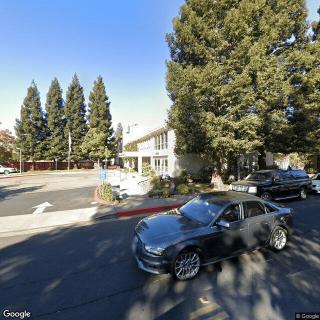

  • Mercy McMahon Terrace

    Mercy McMahon Terrace

    Sacramento, CA

    4.6 from 22 reviews
    $3,650 to $4,900 / month

    pro Quality care with friendly staff and engaging activities.

  • University Post Acute

    University Post Acute

    Sacramento, CA

    4.5 from 73 reviews
     

    pro Caring, professional staff with effective physical therapy in a clean, well-maintained facility.

  • Mckinley Park Care Center

    Mckinley Park Care Center

    Sacramento, CA

    3.5 from 110 reviews
     

    pro Friendly staff and clean environment with outdoor access.

  • Chateau On Capitol Avenue

    Chateau On Capitol Avenue

    Sacramento, CA

    4.1 from 40 reviews
    $2,640 to $3,390 / month

    pro Caring, attentive staff with engaging activities and high-quality dining.

  • Midtown Oaks Post-Acute

    Midtown Oaks Post-Acute

    Sacramento, CA

    4.3 from 104 reviews
     

    pro Staff made some mobility-assistance efforts.

  • Ivy Ridge Retirement Home

    Ivy Ridge Retirement Home

    Sacramento, CA

    3.9 from 22 reviews
    $1,800 to $2,500 / month

    pro Cozy, home-like environment with attentive staff and affordable pricing.

  • Oakmont Of East Sacramento

    Oakmont Of East Sacramento

    Sacramento, CA

    4.3 from 93 reviews
    $3,995 to $8,795 / month

    pro Friendly, attentive staff in a clean, well-maintained environment with engaging activities and bright, spacious rooms.

  • Carescope,  LLC - Sacramento

    Carescope, LLC - Sacramento

    Sacramento, CA

    3.8 from 11 reviews
     

    pro Compassionate, professional in-home care with strong family communication.

Related Resources

  • best car for seniorsTop Cars for Senior Drivers and Essential Safety Innovations

    Senior drivers prioritize comfort, safety, and ease of use in vehicles due to age-related challenges, seeking features like easy entry, clear visibility, and modern driver-assistance technologies. Recommended models include the Subaru Forester, Honda CR-V, and Toyota Camry, with emphasis on test-driving for personal comfort and evaluating crash-test ratings alongside insurance considerations.

  • private pay home careA Closer Look at Private Pay Home Care

    Private pay home care offers a flexible caregiving option for older adults and families who don't qualify for government programs, allowing them to directly fund in-home care services that range from daily assistance to specialized support. This model's customization potential enables aging in place while addressing financial considerations through strategic planning options, though clients must navigate marketplace challenges and ensure quality compliance.

  • what to do for arthritisComprehensive Approaches for Arthritis: A Detailed Guide to Symptoms, Causes, and Care


    Arthritis encompasses over 100 joint disorders affecting people of all ages, leading to symptoms like pain and stiffness that impair mobility and quality of life. Effective management involves early diagnosis, lifestyle changes, medical treatments, emotional support, and ongoing monitoring with healthcare professionals.