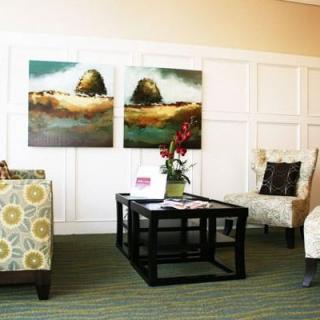
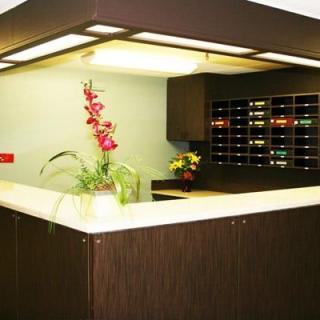
Roseville Point Health & Wellness Center in Roseville, CA

Save

Roseville Point Health & Wellness Center in Roseville, CA

Information last verified:

600 Sunrise Avenue, Roseville, CA 95661

For more information about senior living options: (844) 490-3973

3.7 from 91 reviews
5 stars
55
4 stars
7
3 stars
0
2 stars
1
1 stars
28

Seniors.FYI Elite Community Awards

Top 5% Senior Living Community in 2020

Add this award to your website

Overall Review of Roseville Point Health & Wellness Center

Pros

  • pro The staff take extremely great care of residents; the care is impeccable.
  • pro The staff are friendly, attentive, and professional.
  • pro Richmond and Maia consistently ensure residents attend appointments and discharge safely.
  • pro The facility is well managed and clean, with wonderful CNAs.
  • pro Maia, Richmond, Suzette, Jenny Lin, and Sheila provide helpful, well-communicated care.
  • pro The social services team is supportive and helps with resources and transitions.
  • pro Rehab and nursing teams deliver excellent care, helping residents become stronger and return home.
  • pro The food is good and meals are offered when desired.
  • pro Many families would highly recommend Roseville Point for care and rehab.
  • pro The staff show compassion and go above and beyond to support recovery.
  • pro Roseville Pointe provides excellent rehab and nursing care, enabling patients to go home stronger.
  • pro The center is clean, safe, and staff take pride in their work.
  • pro Extra care is shown, such as delivering gifts to families during holidays.

Cons

  • pro The facility is dirty and old, unsafe and unsanitary, with roaches and mice.
  • pro The staff are rude, unprofessional, and fail to meet basic patient needs or address family concerns.
  • pro Residents are left sitting in their own waste for hours, and meds are often late or missing due to poor staffing.
  • pro Communication with families is poor; staff promise to follow up but never do.
  • pro There are repeated reports of neglect and abuse, including bedsores, dehydration, and even death.
  • pro The leadership is viewed as ineffective, with high turnover and a revolving door of administrators.
  • pro Many reviewers caution not to send loved ones there, calling it the worst facility ever.
  • pro The environment smells of urine and feces and rooms are dirty and poorly maintained.
  • pro Some reviewers allege medication errors and HIPAA violations by staff.

Review

Roseville Point Health & Wellness Center is best suited for families prioritizing aggressive rehabilitation and thorough discharge planning, especially when a loved one is transitioning from acute care and aiming to return home or to a familiar setting. The center tends to attract families who value a responsive social-services team that can coordinate home health, equipment, and transportation, and who want a facility that has shown the ability to deliver tangible gains in mobility and independence for many residents. It is a sensible pick for those who can tolerate variability in experience across shifts and leadership, and who are prepared to stay actively involved in day-to-day care decisions. For seniors with long-term, non-rehab needs, or for families seeking a consistently flawless experience with minimal administrative friction, alternatives deserve serious consideration.

The strongest, most reproducible positives are centered on rehabilitation potential and the human touch from social workers and nursing staff. Multiple reviews point to a rehab-oriented environment where patients make measurable progress, hence the frequent emphasis on physical therapy, strength return, and the ability to discharge to a home setting with appropriate supports in place. The social-services function, especially leads like Richmond and Maia, is repeatedly praised for coordinating discharge plans, arranging at-home care, and staying accessible to families when questions arise. A number of families describe the facility as clean, with friendly, compassionate caregivers who treat residents like family and keep families informed. The blend of attentive nursing, rehab-focused routines, and proactive discharge planning creates a pathway to recovery that can outpace expectations when the care team is aligned and consistent.

Yet the orbit of reviews also reveals a troubling bedrock of inconsistency and serious safety concerns. A substantial subset of comments portrays the center as chaotic or unsafe, citing delayed medications, infrequent turning and hygiene lapses, and even accusations of neglect. Critical voices describe poor communication, high staff turnover, and leadership instability that leave families feeling forgotten during urgent moments. Some reviewers allege unsanitary conditions, equipment issues, or mismanagement of patient needs, including food problems or failure to respond promptly to calls for assistance. A few postings touch on HIPAA breaches and ethical concerns raised by staff behavior or management, creating a perception that the facility’s governance and day-to-day operations can vary dramatically by shift and supervisor. Given the intensity of these claims, families must approach with heightened due diligence.

Those pros do offset the cons only if a family embeds itself in the process and insists on strong, consistent oversight. When Richmond, Maia, and other dedicated staff are actively guiding transitions, families report smoother discharges and clearer communication, with patients improving enough to return home or to an appropriate next level of care. In environments where rehab teams can be counted on, and where the front-desk and social-work channels provide timely updates, Roseville Point can outperform similar facilities for short-stay rehabilitation and post-acute recovery. However, this balance is fragile: it depends on steady staffing, reliable med administration, and ongoing attention to patient comfort and safety. The contrast between the glowing accounts of recovery and the scathing warnings about neglect is not a contradiction so much as a signal of uneven performance; it is the family’s diligence that determines whether the positives will dominate.

To navigate the decision, prospective families should adopt a hard-edged checklist before placement. Schedule multiple in-person visits at different times and days to observe nurse-call responsiveness, meals, and routine care. Request speaking with the current social worker and the director of nursing to understand how discharge planning works, what to expect for home health arrangements, and how meds are tracked and delivered on a daily basis. Review a sample care plan, the daily schedule for rehab therapies, and the facility’s approach to turning and hygiene to prevent skin breakdown. Probe for infection-control practices, room cleanliness, and the sanitation of common areas. Demand direct contact with current residents’ families to gauge ongoing communication quality. Finally, confirm the facility’s licensing status, any recent survey results, and whether there is a designated family liaison for escalations.

In the end, Roseville Point presents a pragmatic, mixed portrait. For families prioritizing robust rehabilitation outcomes, clear discharge pathways, and a compassionate social-services backbone, the center can be a strong choice, especially when a personalized care partnership is in place and there is a trusted point person on the family side. For those whose primary criteria include flawless safety records, consistent communication across all shifts, and a spotless day-to-day environment, the facility may be best approached with caution or compared against other options with sterling safety and governance reputations. The decision hinges on the degree to which a family is prepared to supervise transitions, demand accountability, and engage directly with care teams to ensure that the positive rehab momentum does not get lost in procedural or staffing gaps. Roseville Point is not dispensable; it is a facility that can deliver exceptional outcomes, provided vigilance, clear expectations, and proactive advocacy accompany every placement.

Features

Housing

  • 98 resident community capacity 98 resident community capacity

Types of Care

  • Skilled Nursing Facility Skilled Nursing FacilitySkilled Nursing Facilities are crucial for seniors as they provide round-the-clock medical care, rehabilitation services, and assistance with daily activities. These facilities ensure that seniors receive the specialized care they need to maintain their health and well-being as they age.

Amenities

  • Air-conditioning Air-conditioningAir conditioning is important for seniors as they are more vulnerable to heat-related illnesses and may have underlying health conditions that make it difficult for them to regulate their body temperature. It helps to keep them comfortable, safe, and healthy in hot weather.
  • Beauty salon Beauty salonBeauty salons are important for seniors because they provide a space for them to feel pampered, socialize, and maintain their personal grooming and hygiene. Regular visits to a beauty salon can help boost seniors' self-esteem and overall well-being.
  • Cable or satellite TV Cable or satellite TVCable or satellite TV is important for seniors because it provides entertainment, news, and companionship, helping to combat loneliness and boredom. It also offers a wide range of programming options tailored to different interests and preferences.
  • Computer center Computer centerA computer center is essential for seniors as it provides access to technology, communication tools, and resources that can enhance their daily lives. It allows them to stay connected with loved ones, engage in online activities, and learn new skills, ultimately promoting socialization and mental stimulation.
  • Dining room Dining roomDining rooms are important for seniors as they provide a space for socialization, connection, and nutritious meals. They offer opportunities for residents to bond over shared meals, foster a sense of community, and promote healthy eating habits. Dining rooms also ensure that seniors have access to well-balanced meals tailored to their dietary needs and preferences.
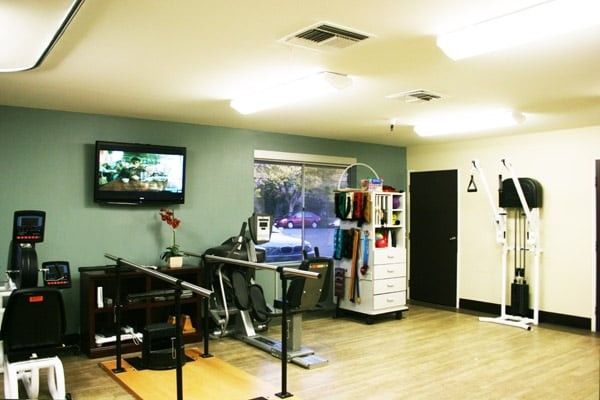
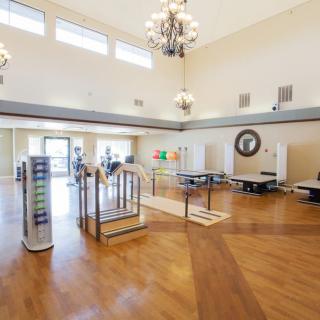
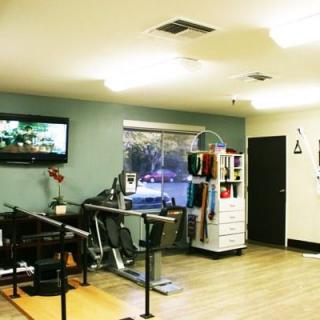
  • Fitness room Fitness roomHaving a fitness room in a senior living community is essential for seniors to stay active, maintain their physical health, and improve their overall well-being. Regular exercise can help prevent falls, reduce the risk of chronic diseases, and promote mental sharpness. It also provides social opportunities for residents to connect with others and enjoy a sense of community.
  • Fully furnished Fully furnishedFully furnished senior living communities are important for seniors because they provide convenience, comfort, and a hassle-free moving experience. Seniors can easily settle into their new living space without the stress of having to buy and move furniture. This allows them to focus on enjoying their new home and community.
  • Gaming room Gaming roomGaming rooms are important for seniors as they provide a fun and engaging environment for socializing, cognitive stimulation, and physical activity. Games can improve memory, problem-solving skills, and overall mental well-being while fostering friendships and reducing feelings of isolation.
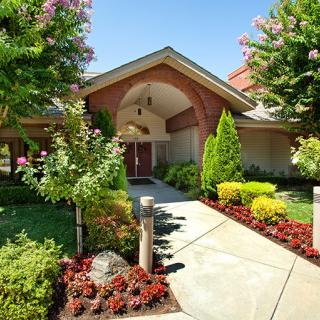
  • Garden GardenGardens are important for seniors as they provide a peaceful and therapeutic environment for relaxation, physical activity, and socialization. Being in nature has been shown to reduce stress, improve mood, and promote overall well-being. Gardens also offer opportunities for seniors to engage in gardening activities, which can improve mobility, flexibility, and cognitive function. Additionally, gardens create a sense of community and connection with others who share a passion for plants and outdoor spaces.
  • Housekeeping services Housekeeping servicesHousekeeping services are important for seniors because they help maintain a clean and safe living environment, promote independence, and reduce the risk of accidents or illnesses. Additionally, having assistance with household chores can alleviate physical strain and allow seniors to focus on other aspects of their well-being.
  • Kitchenette KitchenetteKitchenettes are important for seniors living in senior living communities because they provide the convenience and independence of being able to prepare simple meals and snacks in the comfort of their own living space. This can help promote a sense of autonomy and well-being for seniors, allowing them to maintain some level of control over their dietary choices and daily routines.
  • Move-in coordination Move-in coordinationMove-in coordination is important for seniors because it helps ease the transition into their new living environment. It ensures that all logistics, such as packing, organizing movers, and setting up utilities are taken care of, allowing seniors to focus on settling in and adjusting to their new home. Having a smooth move-in process can alleviate stress and anxiety, making the transition smoother and more enjoyable for seniors.
  • Outdoor space Outdoor spaceOutdoor spaces are important for seniors as they provide opportunities for physical activity, social interaction, exposure to natural light and fresh air, and a sense of connection to nature. Having access to outdoor spaces can improve overall well-being and quality of life for older adults living in senior communities.
  • Private bathrooms Private bathroomsPrivate bathrooms are important for seniors in senior living communities because they provide independence, dignity, and comfort. Having a private bathroom allows seniors to maintain their personal hygiene routines without the need for assistance, promoting a sense of autonomy and privacy. Additionally, private bathrooms help prevent the spread of infections and provide a safe and clean environment for seniors to navigate safely.
  • Restaurant-style dining Restaurant-style diningRestaurant-style dining is important for seniors because it allows them to enjoy delicious, nutritious meals in a social and upscale setting. This enhances their dining experience, promotes healthy eating habits, and fosters socialization with fellow residents, ultimately contributing to their overall well-being and quality of life.
  • Small library Small librarySmall libraries are important for seniors as they provide access to a variety of reading materials, including books, newspapers, and magazines. This can help stimulate their minds, keep them engaged, and provide a sense of community through book clubs and other social activities. Additionally, reading has been shown to improve cognitive function and overall mental well-being in older adults.
  • Telephone TelephoneTelephones are important for seniors as they provide a lifeline for communication with loved ones, emergency services, and healthcare providers. They offer a sense of security and independence, enabling seniors to stay connected and access assistance when needed.
  • Wellness center Wellness centerWellness centers are important for seniors because they offer a variety of programs and services that promote physical, mental, and emotional well-being. These centers provide opportunities for exercise, socialization, education, and relaxation, helping seniors maintain their overall health and quality of life.
  • Wi-Fi/high-speed internet available Wi-Fi/high-speed internet availableWi-Fi/high-speed internet is important for seniors to stay connected with loved ones, access online resources, and participate in virtual activities to combat feelings of loneliness and isolation. It also allows them to easily manage healthcare needs, access entertainment, and engage in lifelong learning opportunities.

Transportation

  • Sacramento International (17 miles away) Sacramento International (17 miles away)
  • Community operated transportation Community operated transportationCommunity operated transportation is crucial for seniors as it provides them with the means to access essential services, social activities, and medical appointments. It allows seniors to maintain their independence and quality of life by ensuring they can participate in activities outside of their homes. Additionally, community-operated transportation services offer a safe and reliable way for seniors to travel without having to rely on family or friends for assistance.
  • Transportation arrangement Transportation arrangementTransportation arrangements are crucial for seniors as they may face challenges with driving, mobility, or access to public transportation. Having reliable transportation services ensures that seniors can easily attend appointments, social activities, and maintain their independence and quality of life.
  • Transportation arrangement (non-medical) Transportation arrangement (non-medical)Transportation arrangements are essential for seniors as they provide access to essential services, activities, and social interactions outside the home. This service helps maintain independence, mobility, and overall well-being for seniors who may have limited transportation options.
  • Transportation to doctors appointments Transportation to doctors appointmentsTransportation to doctors appointments is crucial for seniors as it ensures they have access to necessary medical care and support, promoting their health and well-being. It allows them to receive timely treatment, monitor existing conditions, and address any new health concerns efficiently. Additionally, transportation services can help seniors maintain their independence and quality of life by enabling them to stay connected with their healthcare providers.

Care Services

  • 12-16 hour nursing 12-16 hour nursing12-16 hour nursing care is crucial for seniors in order to ensure around-the-clock monitoring, timely medication administration, and prompt response to any health concerns or emergencies. This level of care helps to promote the overall well-being and safety of seniors living in senior living communities.
  • 24-hour call system 24-hour call system24-hour call systems are important for seniors because they provide peace of mind and immediate assistance in case of emergencies. This technology ensures that help is always available, promoting safety and security for elderly individuals living alone or in assisted living facilities.
  • 24-hour supervision 24-hour supervision24-hour supervision is important for seniors to ensure their safety, well-being, and access to immediate assistance in case of emergencies or health issues. This constant support provides peace of mind for both seniors and their loved ones, allowing them to age in place with dignity and security.
  • Activities of daily living assistance Activities of daily living assistanceActivities of daily living assistance are important for seniors because they provide essential support with tasks such as eating, bathing, dressing, and mobility. This assistance helps seniors maintain their independence, dignity, and overall quality of life as they age.
  • Assistance with bathing Assistance with bathingAssistance with bathing is crucial for seniors as it helps maintain personal hygiene, prevents infections, and ensures their overall well-being and comfort. It also provides a sense of dignity and independence for seniors who may struggle with this task on their own.
  • Assistance with dressing Assistance with dressingAssistance with dressing is important for seniors because it helps maintain their independence, promotes personal hygiene, prevents accidents and injuries, and improves overall quality of life. This service ensures that seniors can continue to dress comfortably and confidently, despite any physical limitations they may have.
  • Assistance with transfers Assistance with transfersAssistance with transfers is crucial for seniors as it helps prevent falls and injuries, maintains their independence, and ensures they can safely navigate their living environment. It also provides peace of mind for both seniors and their loved ones.
  • Diabetes diet Diabetes dietA diabetes diet is crucial for seniors as it helps manage blood sugar levels, reduce risks of complications, and improve overall health and well-being. By following a balanced and nutritious diet tailored to their specific needs, seniors can better control their diabetes and enhance their quality of life.
  • Meal preparation and service Meal preparation and serviceMeal preparation and service are crucial for seniors as they may have limited mobility or energy to cook nutritious meals. Having access to healthy and convenient food options can ensure they are getting the proper nutrition needed to maintain their overall health and well-being.
  • Medication management Medication managementMedication management is crucial for seniors to ensure they are taking the right medications at the correct dosages and times. This helps prevent adverse drug interactions, reduces the risk of medication errors, and promotes overall health and well-being. Proactive management also allows for adjustments as needed based on changing health conditions or new prescriptions.
  • Mental wellness program Mental wellness programMental wellness programs are essential for seniors as they promote cognitive stimulation, emotional support, and social engagement. These programs help prevent isolation, depression, and cognitive decline, ultimately enhancing the overall quality of life for older adults.
  • Special dietary restrictions Special dietary restrictionsSpecial dietary restrictions are important for seniors because age-related changes in metabolism and health conditions can make it difficult for their bodies to process certain foods. By following a diet tailored to their specific needs, seniors can maintain their overall health and well-being, manage chronic conditions, and reduce the risk of complications such as malnutrition or food interactions with medications.

Dining

  • Diabetes diet Diabetes dietA diabetes diet is crucial for seniors as it helps manage blood sugar levels, reduce risks of complications, and improve overall health and well-being. By following a balanced and nutritious diet tailored to their specific needs, seniors can better control their diabetes and enhance their quality of life.
  • Special dietary restrictions Special dietary restrictionsSpecial dietary restrictions are important for seniors because age-related changes in metabolism and health conditions can make it difficult for their bodies to process certain foods. By following a diet tailored to their specific needs, seniors can maintain their overall health and well-being, manage chronic conditions, and reduce the risk of complications such as malnutrition or food interactions with medications.

Activities

  • Community-sponsored activities Community-sponsored activitiesCommunity-sponsored activities are important for seniors as they provide opportunities for social interaction, mental stimulation, and physical activity. These activities can help improve overall well-being, combat loneliness and isolation, and promote a sense of belonging and purpose among older adults.
  • Concierge services Concierge servicesConcierge services are essential for seniors as they provide assistance with daily tasks and errands, enhance their quality of life by offering convenience and personalized care, and promote a sense of safety and security.
  • Fitness programs Fitness programsFitness programs are crucial for seniors as they help improve strength, flexibility, balance, and overall well-being. Staying active can reduce the risk of chronic diseases, improve mental health, and enhance quality of life in older adults.
  • Planned day trips Planned day tripsPlanned day trips are important for seniors because they offer opportunities for socialization, mental stimulation, and physical activity. They provide a change of scenery and help seniors stay engaged and connected to their community, promoting overall well-being and quality of life.
  • Resident-run activities Resident-run activitiesResident-run activities are important for seniors as they encourage social interaction, creativity, and a sense of autonomy. These activities empower seniors to stay engaged and active in their community while fostering meaningful connections with their peers.
  • Scheduled daily activities Scheduled daily activitiesScheduled daily activities are important for seniors because they provide structure, socialization, mental stimulation, and physical activity. Engaging in regular activities can improve overall well-being and quality of life for seniors living in a community setting.

Description

Roseville Point Health & Wellness Center in Roseville, CA is a premier assisted living community that offers a wide range of amenities and care services to ensure the comfort and well-being of its residents. The center is conveniently located near several cafes, parks, pharmacies, physicians, restaurants, hospitals, transportation options and theaters.

The community boasts an array of amenities designed to enhance the quality of life for residents. They can enjoy regular visits to the on-site beauty salon or relax while watching their favorite shows on cable or satellite TV in their fully furnished private rooms. Community operated transportation is available for outings and appointments, and there is also a computer center with Wi-Fi/high-speed internet access.

Residents have access to delicious chef-prepared meals served in a restaurant-style dining room, accommodating special dietary restrictions if needed. For those who prefer self-catering, there is a kitchenette available. Housekeeping services ensure clean and tidy living spaces, while move-in coordination helps make transitioning into the community seamless.

A variety of recreational options are provided to keep residents engaged and entertained. The fitness room promotes physical wellness through exercise programs, and the gaming room offers opportunities for socializing and friendly competition. Outdoor spaces such as gardens provide relaxation and fresh air. A small library caters to book lovers, while planned day trips and resident-run activities ensure a vibrant social calendar.

The 24-hour call system ensures that assistance is readily available whenever needed. Trained staff are on hand around-the-clock for supervision and to provide support with activities of daily living such as bathing and dressing. Assistance with transfers ensures safety during mobility.

Care services at Roseville Point include medication management, diabetes diet management, meal preparation according to individual needs, and mental wellness programs for emotional well-being. Transportation arrangements can be made both for non-medical purposes as well as taking residents to doctor's appointments.

Overall, Roseville Point Health & Wellness Center offers an exceptional level of care in a beautiful and convenient location, providing all the necessary amenities and services to ensure a comfortable and fulfilling assisted living experience.

Nearby Places of Interest

This part of Roseville, California, offers a convenient and comfortable location for potential senior living. With multiple pharmacies such as Rite Aid, Safeway Food & Drug, and Kaiser Pharmacy within close proximity, access to medications and healthcare services is easily accessible. There are also various dining options nearby including Umi Sushi, Nixtaco, and Roundhouse Deli for convenient meal choices. Additionally, there are reputable physicians in the area like Mary Jammal MD and Sutter Medical Group Offices for quality healthcare services. For leisure activities, parks like Maidu Regional Park and Harry Crabb Park provide opportunities for outdoor recreation. The presence of transportation options like Roseville Amtrak ensures ease of travel around the area. In terms of medical facilities, there are hospitals such as Kaiser Permanente Hospital and Sutter Roseville Medical Center nearby for peace of mind in case of medical emergencies. Overall, this part of Roseville offers a well-rounded and convenient environment for senior living.

Pharmacies

  • Rite Aid (0.4 miles)
  • Safeway Food & Drug (0.5 miles)
  • Rite Aid (0.5 miles)
  • Kaiser Pharmacy (1.4 miles)
  • Walgreens (2.2 miles)
  • CVS Pharmacy (2.5 miles)
  • CVS Pharmacy (2.6 miles)

Restaurants

  • Umi Sushi (0.4 miles)
  • Nixtaco (1 miles)
  • Chevy's Fresh Mex Restaurants (1 miles)
  • Roundhouse Deli (1.2 miles)
  • My Thai Kitchen (1.6 miles)
  • Paul Martin's American Grill (1.6 miles)
  • In-N-Out Burger (1.6 miles)

Physicians

  • Mary Jammal MD (0.8 miles)
  • Naveen Mishra (1.7 miles)
  • Sutter Medical Group Offices (1.7 miles)
  • Roseville Internal Medicine (1.8 miles)
  • Kaiser Permanente Department of Psychiatry (1.9 miles)
  • Caparas Maria J MD - Kaiser Permanente Medical Group-Maria Caparas (1.9 miles)
  • Sutter Medical Group (2.1 miles)

Cafes

  • Starbucks (1 miles)
  • Dutch Bros Coffee (2.3 miles)
  • Starbucks (3.2 miles)
  • Dutch Bros Coffee (3.5 miles)
  • Starbucks (4.1 miles)
  • Starbucks (4.5 miles)
  • Starbucks (5 miles)

Parks

  • Maidu Regional Park (1.1 miles)
  • Harry Crabb Park (1.5 miles)
  • Diamond Oaks Park (2 miles)
  • Hillsborough Park (2.7 miles)
  • Johnson-Springview Park (3.8 miles)
  • H. C. Elliott Park (3.9 miles)
  • Robert L Doyle Park (4.1 miles)

Transportation

  • Roseville Amtrak (1.1 miles)

Hospitals

  • Kaiser Permanente Hospital (1.3 miles)
  • Yuan Franklin E MD - Kaiser Permanente Medical Group (1.4 miles)
  • Kaiser Permanente Labor and Delivery (1.4 miles)
  • Sutter Roseville Outpatient I.V. Therapy (2.3 miles)
  • Sutter Roseville Medical Center (2.4 miles)

Theaters

  • Regal Ua Olympus Pointe (1.6 miles)

Frequently Asked Questions

Where is Roseville Point Health & Wellness Center?
What photos are available for Roseville Point Health & Wellness Center in Roseville, California?

Nearby Communities

  • The Terraces of Roseville

    The Terraces of Roseville

    Roseville, CA

    4.4 from 143 reviews
    $3,195 to $4,695 / month

    pro Friendly staff, strong community, and good value pricing for the area.
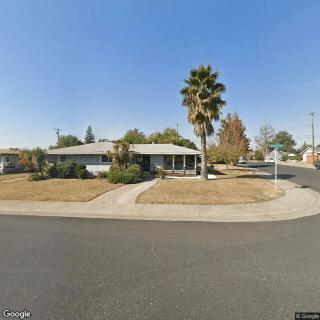

  • Silvana Senior Care 2

    Silvana Senior Care 2

    Roseville, CA

    4.5 from 6 reviews
    $1,800 to $3,000 / month

    pro Affordable pricing with comprehensive care and amenities.

  • Oak Ridge Home Care

    Oak Ridge Home Care

    Roseville, CA

    5 from 1 review
     

    pro Spacious private rooms with a warm, welcoming community.

  • Oak Ridge Healthcare Center

    Oak Ridge Healthcare Center

    Roseville, CA

    2.9 from 49 reviews
     

    pro Caring staff and strong rehabilitation services.

  • Regala's Care Home II

    Regala's Care Home II

    Roseville, CA

    2.9 from 39 reviews
    $1,500 to $2,000 / month

    pro Warm, family-style management with memory-care focus and home-cooked meals; private rooms at a competitive rate with VA Aid & Attendance flexibility.

  • Golden Oaks

    Golden Oaks

    Roseville, CA

    2.7 from 34 reviews
     

    pro Homelike setting with personalized care and comfortable, fully furnished rooms.

  • Pine Creek Care Center

    Pine Creek Care Center

    Roseville, CA

    4.1 from 112 reviews
     

    pro Caring staff and effective rehab services.

  • BrightStar Roseville

    BrightStar Roseville

    Roseville, CA

    4.7 from 3 reviews
     

    pro Friendly, caring staff with responsive administration and clear communication.

  • Summerfield of Roseville Memory Care

    Summerfield of Roseville Memory Care

    Roseville, CA

    4.7 from 96 reviews
    $3,700 to $4,600 / month

    pro Friendly, attentive staff with personalized care and strong family communication in a small, home-like setting.

Related Resources

  • what is home health careUnderstanding Home Health Care: A Comprehensive Guide
    Home health care has become essential for supporting independence among the aging population, offering diverse services such as skilled nursing and rehabilitation in familiar environments, while also incorporating technology for personalized care. Despite its benefits, including improved recovery rates and emotional well-being, challenges like safety, staff availability, and insurance navigation must be managed for effective implementation.

  • what is home health careHome Health Care Demystified: A Comprehensive Guide for Families and Caregivers

    Home health care offers a range of clinical services provided in a patient's home, including nursing and therapy, tailored to individual needs, particularly for aging seniors with chronic conditions. This approach enhances patient independence, promotes better disease management, and utilizes technology for real-time monitoring while fostering collaboration among healthcare providers and family members.

  • uber for seniorsSeniors and Modern Transportation: Exploring Uber, Lyft, and Other Ride-Hailing Options

    Seniors benefit from ride-hailing services like Uber and Lyft, which provide convenient and accessible transportation options that promote independence and social engagement, while addressing mobility challenges. These platforms have adapted to meet senior needs with user-friendly features and safety measures, although costs can be a concern; community programs may help subsidize rides for older adults.