

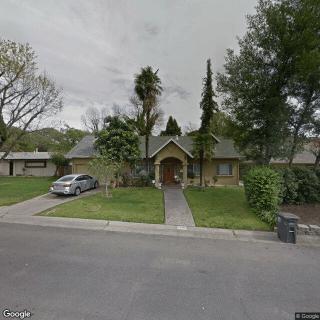
1041 Audrey Way, Roseville, CA 95661
For more information about senior living options: (866) 208-4318
Silvana Senior Care 2 Costs & Pricing
Silvana Senior Care 2 offers competitive pricing for its services compared to both Placer County and the broader California market. For semi-private rooms, residents at Silvana enjoy a monthly cost of $1,800, which is significantly lower than the average of $3,489 in Placer County and $3,333 statewide. In addition, those opting for private rooms will find Silvana's rate of $3,000 to be more affordable than the county average of $4,026 and just below the state average of $3,939. These rates reflect Silvana Senior Care 2's commitment to providing quality care while maintaining affordability for seniors and their families.
| Floor plans | Silvana Senior Care 2 | Placer County | California |
|---|---|---|---|
| Semi-Private | $1,800 | $3,489 | $3,333 |
| Private | $3,000 | $4,026 | $3,939 |
Assisted Living communities with a similar price nearby
-
from +$200 / mo

Antelope Hills Home Care
$2,000 to $2,500 / month4.1 miles away -
from -$300 / mo

Flora Care Home
$1,500 to $2,000 / month6.3 miles away -
from -$200 / mo

Gormley's Retirement Home
$1,600 to $2,400 / month22.8 miles away -
from +$200 / mo

A & C Care Home
$2,000 to $3,000 / month8.7 miles away -
from +$195 / mo
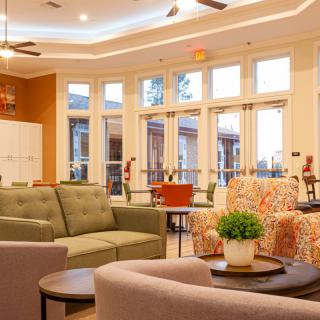
Blissful Gardens
$1,995 to $3,500 / month18.4 miles away
Overall Review of Silvana Senior Care 2
Pros
 The home was welcoming, clean, bright, and uplifting.
- Krisztina, the home’s owner, was responsive, understanding, and knowledgeable.
- The facility is an excellent choice for board and care needs.
- The staff were well trained and very organized.
- The food is delicious and made from scratch.
- Silvana Senior Care is an excellent choice for board and care needs.
- The owners were understanding and kind.
Cons
 The facility is understaffed to save money.
- During a critical moment, staff could not be reached because the owner was arguing over the schedule.
- The reviewer felt steered into choosing this location by a Sutter-recommended agency.
- The reviewer warned others not to trust Sutter agencies either.
Review
Silvana Senior Care 2 in Roseville is best suited for families that prize a warm, home-like setting with direct access to a hands-on owner and staff who are clearly focused on personal attention. This is a community where daily life feels intimate rather than institutional, and where open, practical communication with the leadership is a genuine strength. It works well for residents who flourish in a smaller, person-centered environment and for families who want to see consistency in oversight and day-to-day care. Those fundamentally seeking high-intensity medical supervision, constant 24/7 monitoring, or large-scale staffing may want to weigh alternatives more heavily.
Several core strengths stand out. The facility presents as welcoming, clean, bright, and uplifting, creating an immediate sense of comfort for residents and visitors. The owner, Krisztina, is repeatedly described as responsive, knowledgeable, and available, which translates into a forceful point of trust for families navigating difficult transitions. The staff, perceived as well trained and organized, supports predictable routines and reliable care. Mealtime is a particular highlight, with praise for from-scratch cooking that residents often savor, reinforcing the view that nutrition is taken seriously. In short, the day-to-day experience feels thoughtfully managed and respectful.
Yet a meaningful caveat appears in the record: staffing levels are suspected to be restrained to control costs. Several accounts flag that during urgent moments, attention from caregivers could be slow or hard to obtain, especially when family members are not on site daily to intervene. One reviewer specifically pointed to a conflict over scheduling with the owner, suggesting a mismatch between what families expect and what the operational model delivers. The warning extends to relying on external referral agencies; the impression given is to approach recommendations with caution and to verify the reliability of any outside coordination. This is not a minor footnote, it bears directly on risk during health declines or rapidly changing needs.
The question then becomes whether the positives can offset these potential gaps. For families prioritizing a home-like atmosphere, a strong personal connection to leadership, and consistent daily routines managed by capable staff, the pros carry substantial weight. The intimate setting often means more personalized check-ins, quicker responses on ordinary days, and a culture that values guests and family involvement. The owner’s accessibility can translate into clearer care plans and less ambiguity about expectations. When care needs remain within the scope of assisted living rather than complex medical management, these advantages frequently prevail and justify choosing this option.
However, for residents with higher medical complexity or for households that require steady, round-the-clock attention, the concerns about staffing and scheduling can loom larger. Pros such as warmth, cleanliness, and attentive leadership can be undermined if staffing ratios are insufficient in crisis moments. Prospective families should press for concrete figures: current caregiver-to-resident ratios, typical response times, and a clear plan for nights and weekends. They should also request a representative tour during peak activity periods and a candid discussion about contingency coverage, emergency protocols, and the handling of end-of-life or high-need scenarios. A written care plan and a trial period can help surface gaps before a long-term commitment.
In the end, Silvana Senior Care 2 offers a compelling blend of a nurturing home atmosphere, well-trained staff, and close, practical leadership. It is a strong match for families who want direct access to the owner, clarity in daily operations, and a menu of daily living supports delivered with care and warmth. It is less ideal for those who cannot tolerate potential staffing constraints or who require constant, highly medicalized oversight. For decision-makers, the path forward is to verify current staffing realities, demand transparent escalation practices, and assess whether the loved one’s level of need aligns with the community’s proven strengths. With the right fit, this community can be an excellent, reassuring home.
 6 resident community capacity
 Assisted Living
 Board and Care Home
 Cable or satellite TV
 Dining room
 Fully furnished
 Garden
 Housekeeping services
 Move-in coordination
 Outdoor space
 Private
 Telephone
 Wi-Fi/high-speed internet available
 Sacramento International (17 miles away)
 24-hour supervision
 Activities of daily living assistance
 Assistance with bathing
 Assistance with dressing
 Assistance with transfers
 Diabetes diet
 Meal preparation and service
 Medication management
 Special dietary restrictions
 Transportation arrangement (medical)
 Transportation to doctors appointments




 Vibrant Senior Living: A Comprehensive Guide for Active Older Adults
 When to Transition from Assisted Living to Memory Care: Key Indicators, Steps, and Finding the Right Community
 Assisted Living and Memory Care: Understanding Their Core Differences