
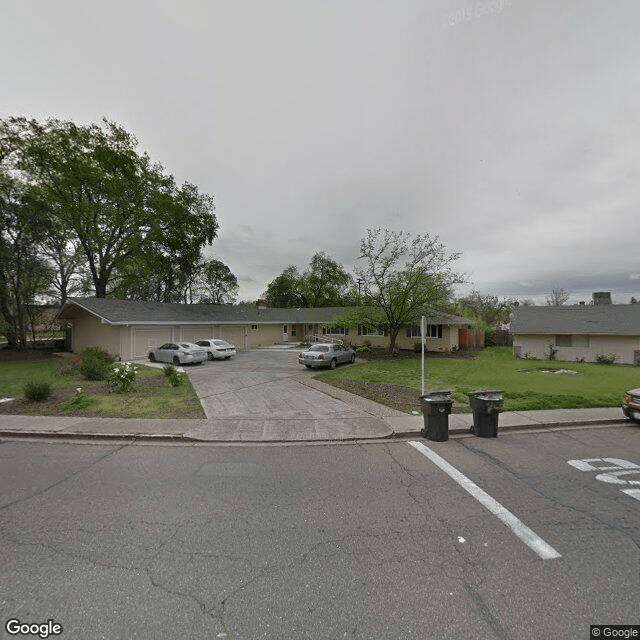
708 Darling Way, Roseville, CA 95678
For more information about senior living options: (866) 208-4318
Broadway Senior Living Costs & Pricing
Broadway Senior Living presents a premium pricing structure for its services, with monthly costs significantly exceeding both Sacramento County and state averages. For a semi-private room, residents can expect to invest $5,000 each month, which represents a substantial increase compared to the county's average of $3,106 and California's state-wide average of $3,333. Similarly, in private accommodations, the monthly rate at Broadway is set at $6,000 - again surpassing the local average of $3,686 and the statewide figure of $3,939. These costs reflect not only the amenities and personalized care offered at Broadway Senior Living but also position it in a more upscale segment of senior living options within the region.
| Floor plans | Broadway Senior Living | Sacramento County | California |
|---|---|---|---|
| Semi-Private | $5,000 | $3,106 | $3,333 |
| Private | $6,000 | $3,686 | $3,939 |
Assisted Living communities with a similar price nearby
-
from -$500 / mo
Montclair Villa
$4,500 / month5.0 miles away -
About the same
Bethesda Senior Care
$5,000 / month5.4 miles away -
About the same
Friendly Care Home II
$5,000 / month5.0 miles away -
from -$500 / mo
Sunriver Senior Care
$4,500 / month7.5 miles away -
from -$850 / mo
Ferrari
$4,150 to $5,500 / month8.6 miles away
Overall Review of Broadway Senior Living
Pros
 Nina’s Home is a godsend.
- Nina, her girls, husband, and staff are caring people.
- The facility is clean, safe, friendly, and caring.
- Nina stayed overnight to watch over Mom.
- Nina helped make Mom’s later days happy.
Review
Broadway Senior Living in Roseville is best suited for families seeking a high-touch, caregiver-driven environment where personal attention and a safe, homey atmosphere are the core promises. The strongest signal from the available feedback is that care comes with a palpable investment from the staff and leadership, not just routine check-ins. When a resident’s health wobbled, the caregiving team did not hesitate to stay at the bedside through the night to ensure comfort and safety, illustrating a culture where presence and eyes-on care trump impersonal efficiency. For families who want to feel that a facility truly knows their loved one and treats their day-to-day well-being as a priority, this setting often delivers.
The practical upside is unmistakable: cleanliness, safety, and warmth are not abstract goals but lived experiences. The reviewer highlights a clean, safe, friendly environment where staff are consistently caring and engaged. The personal touch is more than anecdotal; it translates into predictable reassurance for relatives who cannot be physically present around the clock. An operator and team willing to extend themselves, staying overnight, coordinating with families, and managing late-stage needs, creates a buffer against anxiety and a smoother transition for seniors who are adjusting to assisted living. In short, the emotional ballast of care is a recurring strength.
Where the dialogue about Broadway Senior Living becomes decision-critical is in identifying who may want alternatives. For seniors who prize a bustling social calendar, extensive rehab services, or a facility that feels more like a traditional campus with abundant activities, the vibe described here may fall short if those elements are non-negotiable. Likewise, families watching for more formalized medical oversight, specialized nursing capabilities, or a broader menu of on-site therapies could find themselves leaning toward other communities. The feedback suggests a focus on intimate, attentive care rather than large-scale programming, which is a meaningful distinction for planning around daily routines and social needs.
The pros, acute attentiveness, visible caregiver commitment, and a clean, reassuring environment, do more than compensate for potential gaps in programming by easing daily stress and promoting stability. When a resident benefits from a caregiver’s hands-on presence, the likelihood of quick problem-solving rises, and family members experience less intrusion of worry. The health hiccups that arise with aging can feel less overwhelming when a staff team demonstrates readiness to step in, even at odd hours. In practice, this means a resident can receive timely responses, adjustments in care, and sustained warmth, turning what could be high-anxiety moments into manageable, well-supported experiences.
Decision-makers should enter conversations with concrete questions that crystallize expectations. Inquire about caregiver-to-resident ratios across day, evening, and night shifts, and ask for examples of how staff respond to health changes when family members are unavailable. Seek clarity on what level of on-site medical or nursing support is guaranteed, and how care plans evolve as needs shift. Request opportunities to meet the care team and observe interactions with residents to gauge whether the promised warmth translates into everyday practice. Understanding how emergencies are handled, how evenings feel, and how independent moments are balanced with supervision will matter just as much as the glowing anecdotes.
Ultimately, Broadway Senior Living stands out for families who value a deeply caring culture where staff visibly go the extra mile, and where a clean, safe environment reinforces daily comfort. For those who need the assurance that a resident is surrounded by people who will be present through tough moments, this setting delivers. However, if a family’s priorities center on a robust activity calendar, expansive medical services, or cost-driven breadth of options, it makes sense to compare with smaller, more programmatic, or more medically equipped alternatives. In the right match, the result is reliable peace of mind: a home-like, attentive environment that treats every day as a moment to honor a resident’s dignity and comfort.
 6 resident community capacity
 Assisted Living
 Board and Care Home
 Cats allowed
 Dogs allowed
 Activities on-site
 Bath tubs
 Cable or satellite TV
 Devotional services off-site
 Dining room
 Fully furnished
 Garden
 Housekeeping services
 Indoor common areas
 Move-in coordination
 Outdoor common areas
 Private
 Respite or short term stays offered
 Telephone
 Wheelchair accessible showers
 Wi-Fi/high-speed internet available
 Sacramento International (17 miles away)
 24-hour supervision
 Ambulatory care
 Assistance with bathing
 Assistance with dressing
 Assistance with transfers
 Diabetes diet
 Incontinence care
 Meal preparation and service
 Medication management
 Special dietary restrictions
 Transportation arrangement (medical)
 Transportation to doctors appointments





 Beyond the Bingo Hall: 50+ Enriching Activities for Seniors in Assisted Living
 Understanding the Distinctions: Assisted Living and Memory Care Explained
 Guiding Elderly Parents Who Refuse Assisted Living: 6 Practical Steps