
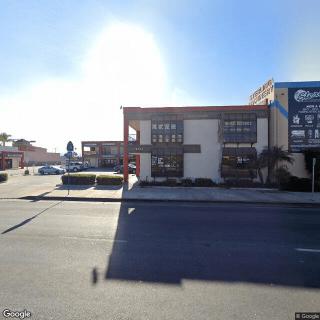
8035 East Hill Drive, Rosemead, CA 91770
For more information about senior living options: (866) 208-4318
Overall Review of San Gabriel Conv Center
Pros
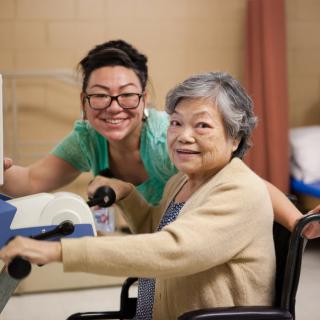
 The staff provide trach care, physical therapy, occupational therapy, and extensive support.
- The staff speak Mandarin and Cantonese, which makes a big difference for residents.
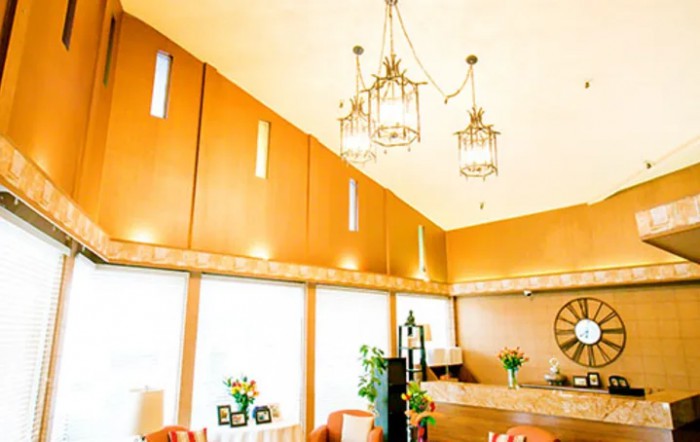
- The front lobby has a nice facelift and the kitchen is clean with a Grade A rating.
- The staff are welcoming and very knowledgeable.
- The aunt recovered from a stroke and left stronger with a smile.
- The social service department helps coordinate appointments and follow-up visits, and the admissions department sends flowers on special occasions.
- The nurses and CNAs in Section 2 provided excellent care for their mom over many years.
- The experience was described as great and five-star, and was highly recommended.
Cons
 The rest of the staff were described as horrible and lazy, with the front-desk at one station having the worst attitude and supervisor Angie allegedly not performing her routine.
- There were supposed to be three front-desk staff, but they were absent or on their phones, allowing the uncle to walk out onto the street and down hills, showing neglect of his safety.
- No one attempted to check the uncle's condition or injuries, and he was sent back to his room alone.
- The meal tray was taken away without ensuring he ate.
- The reviewer would not recommend this home to any family and urges finding a facility that provides more care.
- Front-desk personnel were described as rude, and as questioning the family about the uncle's whereabouts rather than prioritizing safety.
- The staff are described as unprofessional, uncaring, and lacking responsibility, with patients receiving only three diapers per day.
- The administrator is described as very rude and a "know-it-all," reflecting overall unprofessional administration.
Review
San Gabriel Convalescent Center in Rosemead is best suited for families who need a facility capable of delivering skilled rehabilitation and ongoing care after an acute event, and who can actively participate in hands-on oversight. The center can provide robust subacute supports, including PT, OT, and trach care, and it shows strength in multilingual communication, particularly for Mandarin- and Cantonese-speaking residents. For to-the-point recovery goals and discharge planning, this is a setting where a clear rehab trajectory can help a stroke survivor or other recovering adult regain function. However, safety and staffing reliability are non-negotiables here, and continuous advocacy from family or a trusted representative is essential.
On the positive side, the strongest drawn-out themes center on rehab competency and coordinated care. In the right moments, the staff’s clinical capabilities come through, with attentive nurses and CNAs supporting rehabilitation and daily management. The presence of multilingual staff reduces language barriers during critical care moments and fosters clearer family communication. The facility’s environment also projects solidity: a refreshed front lobby, a clean kitchen with a Grade A rating, and a reputation among some families for effective discharge planning and hospital-to-home transitions. When care is consistent, families report meaningful progress and relief about their loved one’s recovery trajectory.
But the downsides are persistent and serious enough to demand caution. Multiple reviews describe frontline staff as disengaged, with complaints about laziness, poor supervision, and unresponsiveness. Specific incidents outline residents wandering unsupervised from the building and not receiving timely checks, meals being mishandled, and caregivers failing to perform basic daily tasks such as diaper changes. Administrative interactions are another fault line, with reports of rude or unhelpful front-desk experiences and a perceived lack of accountability from supervisors. Taken together, these patterns paint a facility where safety and reliability hinge on vigilant oversight rather than automatic, day-to-day confidence.
Those who can couple admission with rigorous accountability can still leverage the center’s positives. The rehab framework combined with active social services can sustain a strong recovery path and ensure follow-through with home health and outpatient services. The multilingual staff and proactive discharge planning contribute to smoother transitions, and when a care plan is organized with explicit duties, daily check-ins, and reliable supervision, many of the core rehab promises become attainable. In practice, this means families should demand concrete structures: scheduled nurse rounds, clearly defined caregiver responsibilities, and rapid escalation procedures for any safety concern.
Nevertheless, families needing a consistently high level of daily safety and care without heavy-handed advocacy should consider alternatives. The loudest warnings emphasize a safety culture that can falter without continuous family involvement, and that risk is not easily mitigated by occasional positive experiences. Prospective residents should scrutinize current leadership, seek out timely responses from administration, and verify the facility’s recent inspection history. A practical approach is to tour at different times, speak directly with the nurse manager, and review how emergencies and walk-away incidents are prevented and documented.
Ultimately, San Gabriel Convalescent Center can be a solid choice for rehab-focused seniors who can partner with a hands-on care model, particularly those who prioritize multilingual communication and structured discharge coordination. It is less suitable for families seeking a hands-off arrangement where safety and everyday reliability are assumed rather than actively managed. For those who proceed, pair placement with a robust oversight plan, explicit care expectations, and unwavering front-line supervision to turn the center’s rehabilitation strengths into dependable, daily care quality.
 151 resident community capacity
 Skilled Nursing Facility
 Air-conditioning
 Beauty salon
 Cable or satellite TV
 Computer center
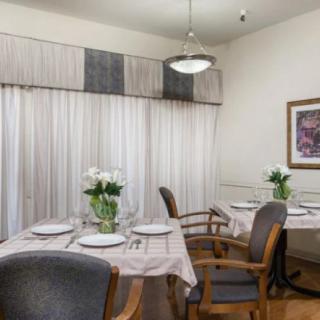
 Dining room
 Fitness room
 Fully furnished
 Gaming room
 Garden
 Housekeeping services
 Kitchenette
 Move-in coordination
 Outdoor space
 Private bathrooms
 Restaurant-style dining
 Small library
 Telephone
 Wellness center
 Wi-Fi/high-speed internet available
 Long Beach (Daugherty) (16 miles away)
 Community operated transportation
 12-16 hour nursing
 24-hour call system
 Activities of daily living assistance
 Assistance with bathing
 Assistance with dressing
 Assistance with transfers
 Diabetes diet
 Medication management
 Mental wellness program
 Special dietary restrictions
 Concierge services
 Planned day trips


 Comprehensive Guide to Blood Pressure Charts for Older Adults: Understanding Normal and High Readings by Age
 Financing Long-Term Nursing Home Care Through Social Security: A Thorough Exploration
 Essential Knowledge on Pneumonia in Older Adults