

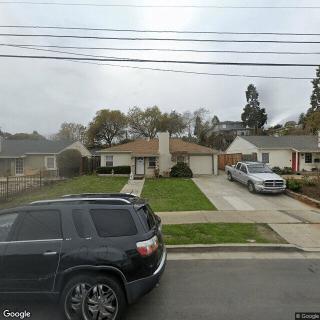
3635 Jefferson Avenue, Redwood City, CA 94062
For more information about senior living options: (866) 208-4318
Overall Review of Devonshire Oaks Nursing Center
Pros
 The service at Devonshire Oaks is excellent.
- The food is good and some dishes feel homemade.
- The staff are polite and always carry a smile.
- Physical therapy is very helpful and consistently uplifting.
- The activities are fun and a great way to spend time.
- The facility feels like a 5-star hotel with caring staff.
- Housekeeping and maintenance are awesome.
- The activity department offers a lot of materials and is enjoyable.
- The staff care for their patients and provide compassionate service.
Cons
 The facility is not what it seems to be.
- There was a medication mix-up and unsafe practices.
- Protected health information was disclosed.
- The administrator and the director of nursing lack compassion and professionalism.
- Wrong medications were given to patients, and staff blamed the pharmacist rather than taking responsibility.
- The overall quality of service is very poor.
- There is a staffing shortage, with one staff member for twelve patients.
- The physical therapist did nothing to teach or coach the patient.
- The bathroom is shared by four people and is hard to use for someone at high risk.
Review
Devonshire Oaks Nursing Center in Redwood City is best suited for seniors who are focused on recovery and rehabilitation within a warm, socially engaging environment. The facility seems to deliver strongest value for residents pursuing physical therapy, short-to-medium term rehab, and an active schedule of activities, supported by a staff that residents describe as friendly and responsive. For families seeking a setting that prioritizes lively programming, approachable caregivers, and clear attention to daily living tasks like meals and housekeeping, Devonshire Oaks can feel like a welcoming, hotel-like option that emphasizes comfort alongside care.
Those who may want to consider alternatives include families with heightened concern about safety, medication management, and rigid clinical oversight. Reviewers raise red flags about medication errors and privacy disclosures, with some describing it as unsafe or poorly managed. Potential residents who require consistently reliable staffing, immediate responsiveness, private bathrooms, and predictable climate control will want to compare options carefully. Additionally, for those who cannot tolerate periodic lapses in basic amenities or who demand airtight professional boundaries and accountability from leadership, exploration of other facilities is prudent.
The strongest positives center on therapy and engagement. Several accounts highlight effective physical therapy and an upbeat therapy staff, with patients noting tangible progress and a steady, encouraging presence during rehab. The food receives steady, if mixed, praise, often described as solid or homelike, and the activity program is repeatedly cited as a highlight, providing meaningful ways to socialize and stay engaged. When staff are described as polite, efficient, and caring, the overall atmosphere becomes a compelling factor for families weighing recovery potential and day-to-day quality of life.
However, the major drawbacks cannot be dismissed. Medication mix-ups and privacy concerns surface as the most serious concerns, directly impacting patient safety and trust in the care team. Administrative leadership is criticized by some reviewers as lacking compassion and professionalism, with suggested consequences for accountability and corrective action. Comfort and climate are inconsistent, with reports of cold environments during winter and discomfort stemming from shared bathrooms and scheduling pressures. Staffing pressures, difficulty reaching staff, and delays in basic comforts, like personal care supplies at intake, further erode reliability for residents who depend on a tightly coordinated care plan.
The critical question is whether the positives, robust rehab, friendly staff, and engaging activities, offset the significant safety and reliability gaps. For residents whose primary goal is to maximize physical recovery and enjoy daily interactions within a personable, homey setting, these positives can make Devonshire Oaks a practical, even satisfying option when the care plan is carefully managed. Yet the risk profile is not negligible: medication safety lapses and governance concerns undermine trust and long-term stability, especially for residents with complex medical needs or those who rely on precise care coordination. In short, the upside in recovery morale and social engagement competes with a downside risk that cannot be lightly dismissed.
Families considering Devonshire Oaks should proceed with disciplined diligence. Before committing, request a detailed walk-through of medication safety protocols, incident reporting, and how pharmacists and nursing staff coordinate to prevent errors. Meet the social worker and the director of nursing to gauge responsiveness and accountability, and insist on observing a full care planning conference to confirm that goals, schedules, and safety checks are clearly documented. Probe the facility’s heating and climate controls, private room availability, and bathroom configurations to align expectations with daily living realities. If these assurances cannot be demonstrated with confidence, or if a preferred facility offers stronger safety records and more consistent staffing, it may be wise to look elsewhere. Devonshire Oaks remains a viable option for rehab-focused seniors who can tolerate the trade-offs, provided due diligence seals a clear, safeguarding framework.
 38 resident community capacity
 Skilled Nursing Facility
 Beauty salon
 Cable or satellite TV
 Dining room
 Fully furnished
 Garden
 Housekeeping services
 Kitchenette
 Move-in coordination
 Outdoor space
 Restaurant-style dining
 Small library
 Telephone
 Wi-Fi/high-speed internet available
 San Francisco International (13 miles away)
 24-hour call system
 Activities of daily living assistance
 Assistance with bathing
 Assistance with dressing
 Assistance with transfers
 Diabetes diet
 Medication management
 Mental wellness program
 Special dietary restrictions






 6 Crucial Ways an Elder Law Attorney Assists Families
 Navigating the Tax Landscape of Caregiving: Credits, Deductions, and Beyond
 Highly Beneficial Low-Impact Exercises for Senior Living Residents