
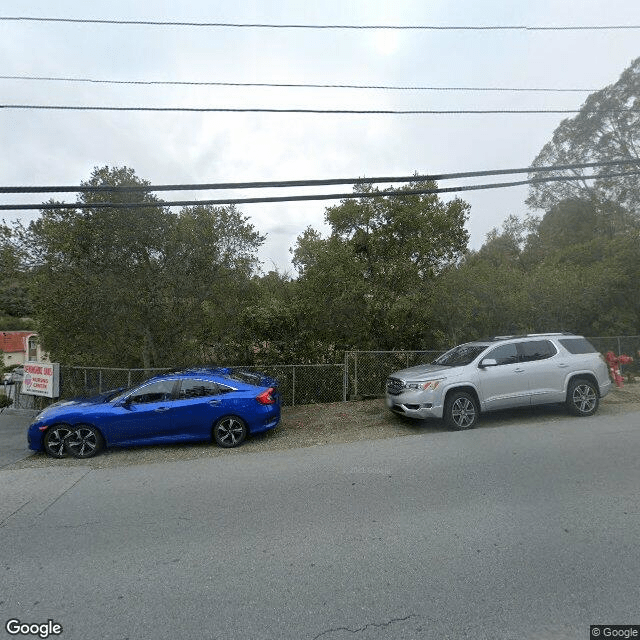
3635 Jefferson Ave, Redwood City, CA 94062
To contact a resident: (650) 366-9503
For more information about senior living options: (866) 208-4318
Overall Review of Devonshire Oaks
Pros
 The service at Devonshire Oaks is excellent.
- The food is good and the people are very friendly.
- The therapy services are very good.
- The activities are very fun and provide a great way to spend time.
- The nurses are polite, always carry a smile, and meet expectations in their care.
- The food tastes homemade.
- Housekeeping and maintenance are awesome.
- The activities department is fun and provides a lot of materials.
- The staff are awesome and provide excellent customer care.
Cons
 The facility was very cold with no heat and inadequate blankets.
- There was no fresh fruit and limited personal hygiene items on arrival.
- Medication delivery could be delayed due to the long distance to the drug store.
- The physical therapy staff did nothing to teach or coach patients.
- The bathroom was shared by four residents, making it difficult for high-risk individuals.
- The staffing ratio was one staff member for twelve patients.
- There were reported medication mix-ups and unsafe practices.
- The administrator and director of nursing were criticized for a lack of compassion and professionalism.
Review
Devonshire Oaks in Redwood City is best suited for seniors who are moving from hospital care into a rehab-ready environment, and who value hands-on therapy, reliable nutrition, and friendly, engaged staff enough to tolerate some operational rough edges. The strongest reasons to target this community are the consistently solid physical therapy, the generally good meal quality, and the lively activity program that keeps residents socially engaged. Reviews repeatedly highlight competent therapy teams and approachable caregivers, with several accounts praising the kitchen staff for home-style dishes and the activity department for a robust slate of offerings. For families prioritizing clear progress in rehabilitation and meaningful daily interaction, Devonshire Oaks can deliver durable value.
But this community is not for everyone. Alternatives should be considered for families whose priorities include flawless medication safety, privacy, and unwavering warmth in winter conditions. A concerning thread in the feedback centers on medication handling and leadership responsiveness, including statements about medication mix-ups and alleged disclosure of protected health information, coupled with criticisms of the administrator’s approach to accountability. Potential residents who cannot tolerate even rare lapses in safety, or who require consistently proactive, accessible management, may find more peace of mind elsewhere. Heat reliability and basic arrival amenities are other pain points cited in some reviews, suggesting a less-than-ideal match for those sensitive to comfort and immediate caregiving needs.
The site’s positives, strong therapy, good food, and a welcoming pace of activities, are meaningful offsets to several practical drawbacks when rehab progress and social stimulation are the primary goals. The therapeutic services frequently emerge as a standout, with physical therapy described as upbeat, helpful, and consistently available. Food quality is repeatedly noted as satisfactory, with some residents describing meals as homestyle and comforting. The activity department earns praise for variety and engagement, contributing to a sense of community and purpose during recovery. When these elements align, residents experience tangible gains and moments of normalcy that can accelerate overall well-being.
However, the main drawbacks cannot be dismissed. Staffing ratios and communication gaps surface as recurring concerns, with some families reporting difficulty reaching staff and delays in routine tasks. The role of winter comfort is another red flag in certain accounts, including reports of inadequate heating and insufficient blankets during cold spells, which can undermine recovery efforts for frail residents. Shared bathrooms and other facility design issues add another layer of challenge for those who require high levels of assistance or privacy. These factors collectively tilt the balance toward caution, especially for families weighing long-term safety and day-to-day comfort.
A nuanced picture emerges when considering who is most likely to have a favorable experience. Residents with strong therapy goals, an appetite for social activity, and a tolerance for occasional administration hiccups may thrive here, particularly when the caregiving team is well-led and responsive. Notable staff strengths, such as praise for social workers and directors who show genuine care, can convert a rough day into a positive one. Yet the presence of seasoned concerns about medication safety and administrative accountability means that the environment can feel unstable for families who need airtight processes and unshakeable reliability.
The practical path forward for families is clear. Visit with a specific plan: observe therapy sessions, request direct meetings with the therapy and nursing leadership, and probe how medication management is executed day-to-day. Check the heating situation during a winter window, inspect privacy provisions, and ask to see the current staffing roster and response times. If progress in rehabilitation and social engagement is the priority and the care team proves consistently competent and transparent, Devonshire Oaks can be a strong choice. If safety, privacy, or dependable operations top the list, it is prudent to compare with facilities known for rigorous medication controls and steadier administrative accountability.
 Skilled Nursing Facility
 San Francisco International (13 miles away)






 Comprehensive Look at Senior Blood Pressure Charts: Normal and Elevated Levels by Age
 Top Canine Companions for Older Adults
 Comprehensive Guide to Blood Pressure Charts for Older Adults: Understanding Normal and High Readings by Age