
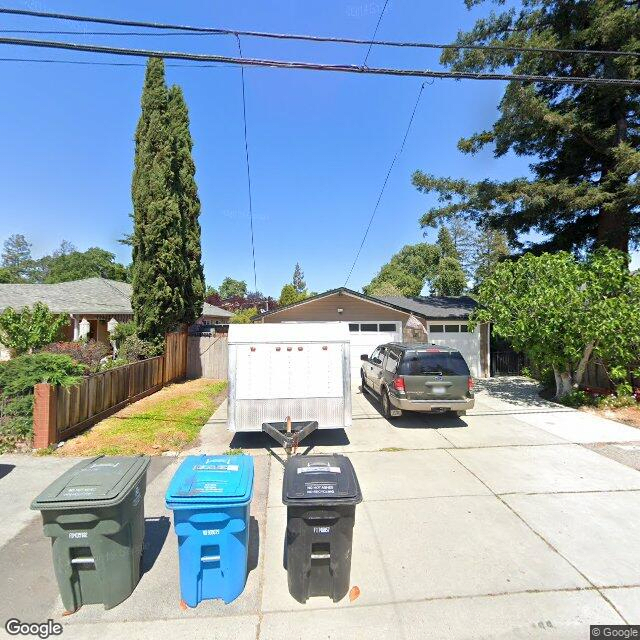
817 Canyon Road, Redwood City, CA 94062
To contact a resident: (650) 299-1057
For more information about senior living options: (866) 208-4318
A Family Affair Costs & Pricing
At A Family Affair, the monthly cost for a private room is set at $4,500, which reflects a premium experience tailored to families seeking personalized care. When we compare this to the average costs in San Mateo County, where similar accommodations are priced around $4,281, and across the broader California state average of $3,939, it's clear that A Family Affair positions itself slightly above local market rates. This pricing likely corresponds with the enhanced amenities and specialized services offered by the facility, ensuring that families receive comprehensive support in a nurturing environment.
| Floor plans | A Family Affair | San Mateo County | California |
|---|---|---|---|
| Private | $4,500 | $4,281 | $3,939 |
Senior living communities with a similar price nearby
-
from +$500 / mo
Blessing Home
$5,000 to $6,000 / month19.8 miles away -
from -$500 / mo
Golden Age Of Channing Way
$4,000 to $5,000 / month18.9 miles away -
About the same
Pleasanton Senior Care Villa
$4,500 / month23.5 miles away -
from -$750 / mo
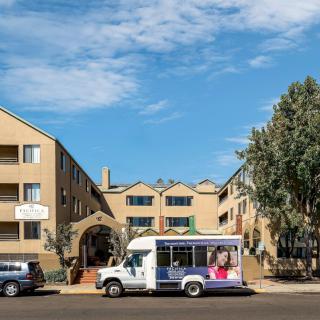
Pacifica Senior Living San Leandro
$3,750 to $4,800 / month18.2 miles away -
from -$700 / mo
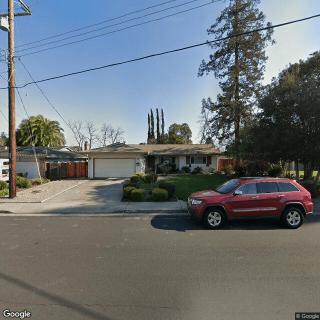
Karo Mina Care Home
$3,800 to $4,500 / month24.9 miles away
Overall Review of A Family Affair
Pros
 Carol and her staff are absolutely fantastic.
- Carolina from A Family Affair was very sympathetic and understanding.
Cons
 Her current Assistant Living facility could not accept her return.
Review
A Family Affair in Redwood City is best suited for families seeking an intimate, family-style board-and-care setting where a senior can receive hands-on, attentive care and where crisis placement is possible on very short notice. The community shines when a resident requires rapid, compassionate engagement from a small, locally focused team rather than a large campus environment. It works well for elders who value personal relationships with the staff, a warm, house-like atmosphere, and the reassurance that the administrator and frontline caregivers are accessible and emotionally invested in the resident’s well-being. In short, this option serves well those who prioritize individualized attention, flexibility, and a sense of "home" over formal scale.
Families who may want to consider alternatives include those whose loved one needs robust, on-site skilled medical services or highly specialized care programs. If daily routines hinge on a wide range of medical therapies, complex nursing oversight, or memory-care protocols that require dedicated units, a larger assisted living or a dedicated memory-care community might be a better fit. Likewise, families hoping for extensive on-site activities, specialized rehabilitative services, or campus-wide amenities (multiple dining venues, extensive therapy staff, in-house physicians) may find smaller board-and-care models insufficient. It is prudent to compare what medical oversight is available and how it’s integrated with daily living before committing.
The strongest pro here is the leadership and bedside responsiveness. The reviewer highlights Carol and her staff as “absolutely fantastic,” with a discovery-and-placement pace that can be decisive in a crisis, finding a suitable room within 24 hours when a loved one is transitioning from hospital care. That level of accessibility matters deeply when a medical discharge creates urgency, and it translates into less stress for families during a difficult moment. The personal touch, knowing the administrator and front-line caregivers by name, and feeling that the care plan is shaped around the resident rather than around a rigid schedule, often translates into steadier daily routines and quicker problem-solving when issues arise. These are meaningful offsetting strengths against what a small setting may lack in breadth of services.
Nevertheless, the main trade-off is clear: smaller scale inevitably means less capacity for comprehensive medical programs and specialized therapies. Prospective residents should weigh whether a tight-knit staff can sustain all medical needs that may evolve, especially as independence declines or acute medical episodes occur. In a community this size, staffing gaps or shifts can have outsized effects on response times, activity variety, and the consistency of care routines. The literature of this facility hints at exceptional personal attention, but the same environment can struggle to match the ongoing demand seen in larger campuses with broader specialist rosters. Families must assess whether the intimate model aligns with both current needs and anticipated changes.
To maximize fit, families should verify several practical dimensions before enrollment. Confirm the exact caregiver-to-resident ratio and how new health needs are integrated into daily life, including any on-site medical oversight, visiting specialists, or partnerships with local clinics. Clarify room configurations and bathroom arrangements, since the availability of private versus shared spaces can meaningfully affect comfort and privacy. Ask about activities, meal planning, and transportation options to gauge whether the day-to-day rhythm supports the resident’s preferences and safety. And crucially, discuss the facility’s policy on crisis transitions, readmission, and how changes in health status are communicated to family members.
Bottom line: A Family Affair offers a compelling package for families who prize warmth, personal accountability, and rapid, compassionate placement in a small, home-like environment. The standout leadership and responsive care can make a difficult transition more manageable and less isolating for both resident and family. Those who require extensive medical infrastructure, specialized memory-care programming, or campus-scale amenities should explore alternatives with broader medical capabilities to ensure that evolving needs will be met without compromising safety or continuity of care. A careful, in-person evaluation remains the best predictor of fit.
 Board and Care Home
 Cats allowed
 Dogs allowed
 Activities off-site
 Bath tubs
 Devotional services off-site
 Indoor common areas
 Outdoor common areas
 Private
 Private bathrooms
 Wheelchair accessible showers
 San Francisco International (12 miles away)
 High acuity care
 Incontinence care
 Kosher



 Top Canine Companions for Older Adults
 Comprehensive Guide to Blood Pressure Charts for Older Adults: Understanding Normal and High Readings by Age
 Financing Long-Term Nursing Home Care Through Social Security: A Thorough Exploration