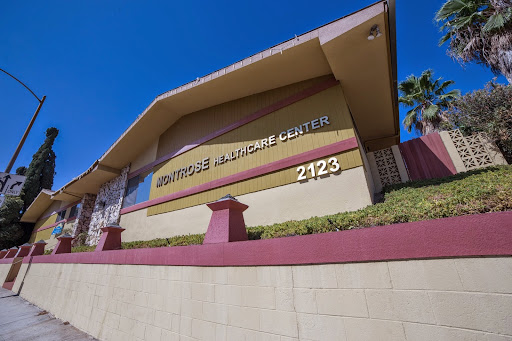
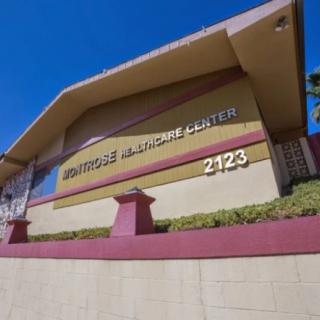
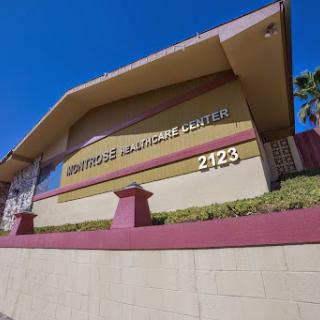
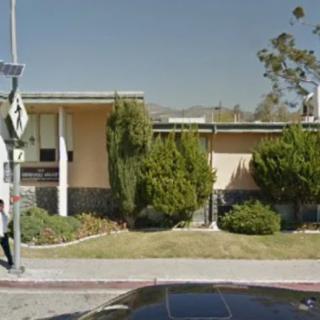
2123 Verdugo Boulevard, Montrose, CA 91020
For more information about senior living options: (866) 208-4318
Overall Review of Montrose Healthcare Center
Pros
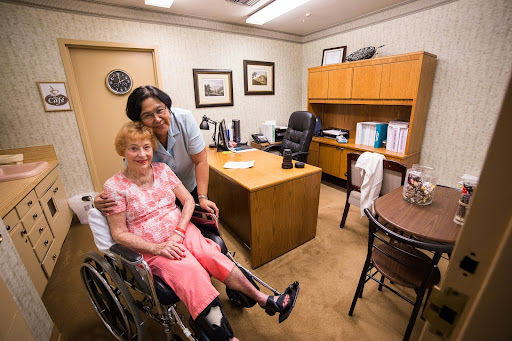
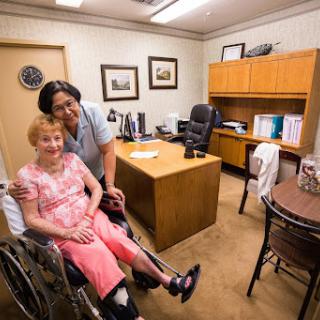
 The facility is small and provides a cozy feeling.
 - The facility features outstanding administrative staff and top-notch doctors/clinicians, plus an excellent cafeteria/nutrition team that adheres to the prescribed diet.
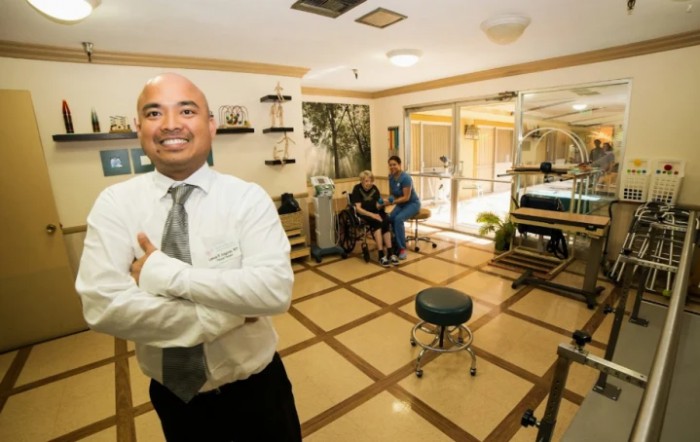
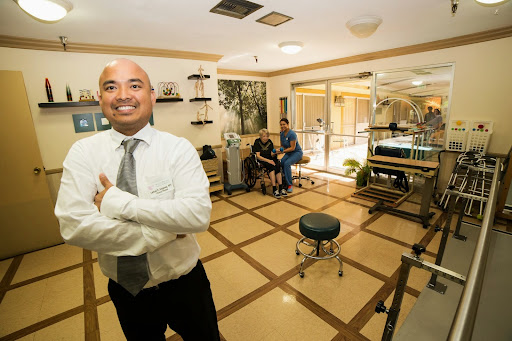
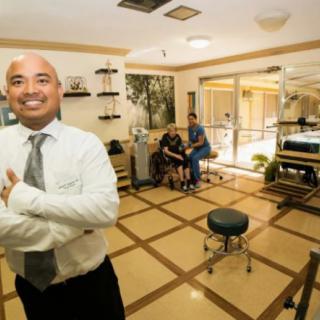
- The nursing staff and physical therapy professionals are great.
- The clientele is warm, friendly, and supportive, with a sense of humor.
- The surroundings are beautiful and serene.
- The staff and administration are exceptional, with therapists Cheryl, Jay, and Sherry described as fabulous.
Cons
 The facility is awful.
- The staff are uncaring and lack supervision.
- The staff are only there to collect a paycheck and do the bare minimum.
- The meals are sad and unappetizing.
- The dining room was changed to a dark, windowless space with red and black lighting, which is not healthy for elderly patients.
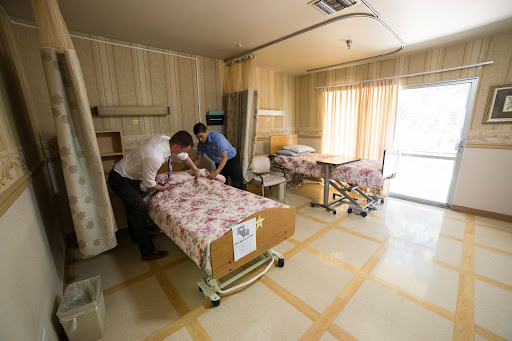
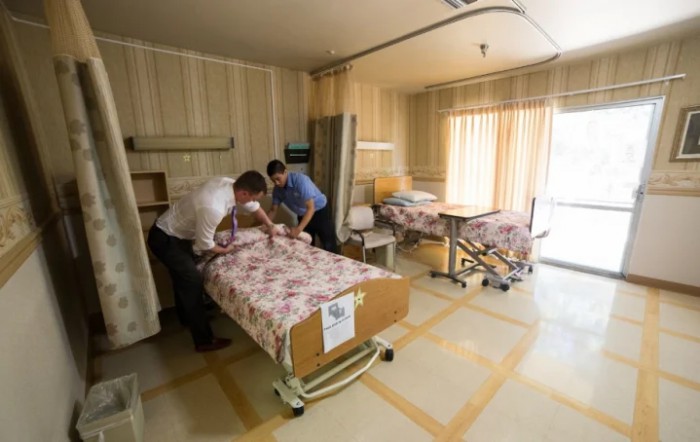
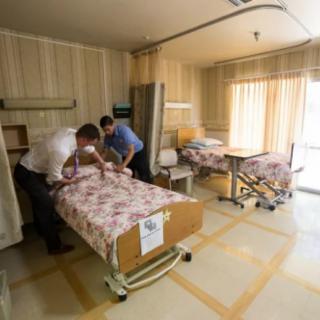
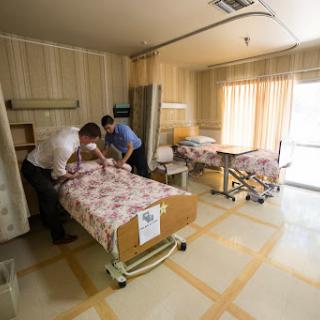
- The rooms are not large enough for four tables of wheelchair-bound patients, hindering socialization.
- Residents sit in the hallways or their rooms due to oxygen equipment, with little opportunity for socialization.
- Cleaning of the rooms has been lacking.
Review
Montrose Healthcare Center in Montrose, CA is best suited for seniors who want a small, home-like setting where clinical excellence is paired with a personal touch. It serves residents who thrive in an intimate, neighborly atmosphere and rely on a dependable team to manage medical needs, rehabilitation, and daily routines. Families should expect a cohesive care model led by experienced doctors and nurses, with therapists and nutrition staff integrated into daily care plans. This is not the spot for those chasing a gleaming, resort-like look or a sprawling campus with sprawling amenities, it's a focused, practical environment that emphasizes practical care over spectacle. Those who value gentle rhythms, predictable routines, and a strong sense of community will find the fit favorable. Conversely, there are clear signals to consider other options if modern décor, open dining spaces, or consistently flawless staff interactions are a priority.
The strongest draw is the cohesive, hands-on care delivered within a compact footprint. Reviewers consistently point to a capable administrative leadership and a medical team that is accessible and involved, with nurses who respond promptly and rehabilitation therapists who drive meaningful progress. The nutrition staff adheres to prescribed diets, a detail that matters for ongoing health management, while the overall nursing and therapy teams underpin reliable daily routines. The resident community is described as warm and supportive, with a sense of humor that makes challenging transitions more bearable. The setting itself, beautiful and serene, adds a calm backdrop that reinforces a trust-in-care vibe, reinforcing the perception of a well-run, compassionate community.
Yet the picture is not uniformly radiant. Several accounts warn of lapses in consistency and engagement, painting a contrast between the best shifts and periods of slower response. Some families allege personnel show up with a minimal approach unless constant oversight is present, raising concerns about reliability and supervision. Those concerns are not universal, but they are persistent enough to warrant a careful, targeted inquiry before move-in. In short, the experience can feel markedly variable, depending on staff coverage and shift staffing, which means the anticipated daily experience may hinge on who happens to be on duty.
Dining, space, and social dynamics also surface as influential factors. Reports of declining meal quality, monotonous offerings and limited variety, dull the quality-of-life equation for residents who rely on predictable, enjoyable meals. A notable layout change moved the dining room to a darker, enclosed area with fewer windows, diminishing natural light and social interaction essential to senior well-being. Space constraints compound the issue: seating arrangements are insufficient for wheelchair users, particularly when oxygen equipment is in play, forcing some residents to dine in hallways or private rooms. Cleaning and upkeep have been questioned in some reviews, underscoring a care standard that can drift if not actively monitored.
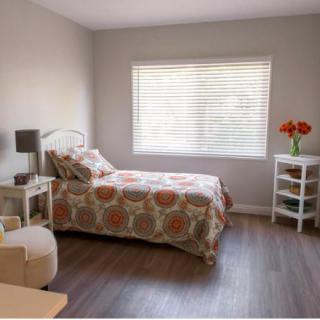
Environment and logistics deserve close attention. The facility’s quiet, clean, cozy ambience contrasts with logistical irritants like parking and an apparently dated decor in need of refresh. These practical frictions matter because they color day-to-day life and can influence overall satisfaction. Prospective families should push for a tour that includes a candid discussion of staffing ratios, schedule reliability, and how quality issues are tracked and addressed. Request recent survey results, incident logs, and a clear outline of improvement plans. A thorough, side-by-side comparison with other communities will reveal whether Montrose’s strengths are a fit for a resident’s care priorities or if better alignment exists elsewhere.
Bottom line: Montrose Healthcare Center works best for seniors who prize a close-knit, supportive environment with strong clinical leadership and dependable rehabilitation services. When those core strengths align with a resident’s needs, the positives can outweigh some drawbacks. For families where consistency of care, modern amenities, and consistently uplifting dining and social experiences are non-negotiable, alternatives with more uniform staffing models and updated facilities are worth exploring. Use due diligence, request specific references, review state inspection outcomes, and compare therapy and dining programs side by side, to determine whether Montrose will deliver the steady, quality daily life sought for a loved one.
 59 resident community capacity
 Skilled Nursing Facility
 Air-conditioning
 Beauty salon
 Cable or satellite TV
 Computer center
 Dining room
 Fitness room
 Fully furnished
 Gaming room
 Garden
 Housekeeping services
 Kitchenette
 Move-in coordination
 Outdoor space
 Private bathrooms
 Restaurant-style dining
 Small library
 Telephone
 Wellness center
 Wi-Fi/high-speed internet available
 Burbank-Glendale-Pasadena (8 miles away)
 Community operated transportation
 12-16 hour nursing
 24-hour call system
 Activities of daily living assistance
 Assistance with bathing
 Assistance with dressing
 Assistance with transfers
 Diabetes diet
 Medication management
 Mental wellness program
 Special dietary restrictions
 Concierge services
 Planned day trips



 Comprehensive Approaches for Arthritis: A Detailed Guide to Symptoms, Causes, and Care
 Comprehensive Insights and Practical Strategies to Help Older Adults Avoid Falls
 6 Crucial Ways an Elder Law Attorney Assists Families