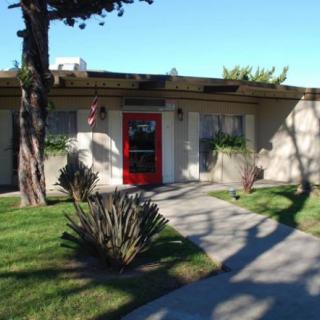
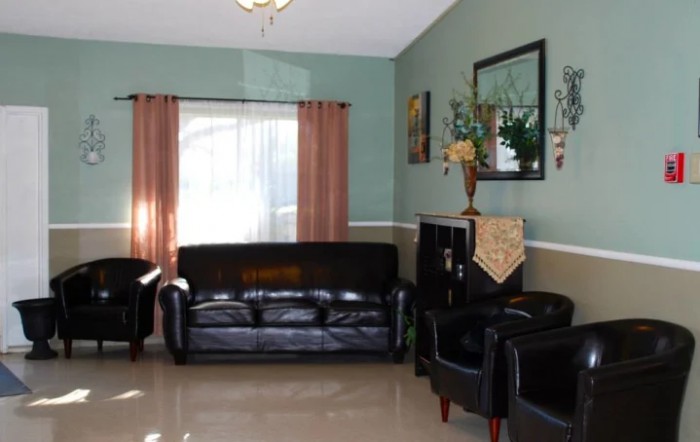
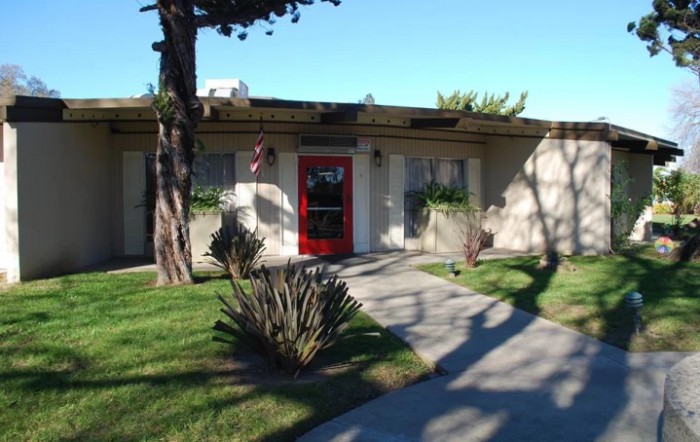
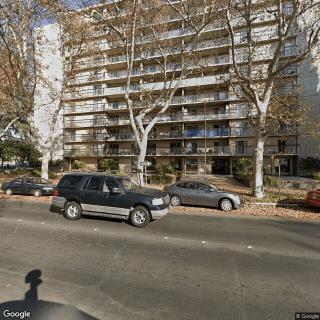
1611 Scenic Drive, Modesto, CA 95355
For more information about senior living options: (866) 208-4318
Overall Review of Acacia Park Nursing & Rehab Center
Pros
 They are all nice at that location.
- The care is good and amazing.
- There is hope for better service.
Cons
 The place was dirty.
- The facility showed very poor service and inhumane care from most staff toward residents.
- There was no attention to detail; care often felt like pencil-whipping the checklist.
- Residents were not bathed properly, fed adequately, or changed in a timely manner.
- There was a severe lack of staff, especially at night, leading to neglect.
- Security was poor and cameras did not work, allowing easy access in and out.
- Much of the care was left to patients’ families, with professional staff neglecting patients.
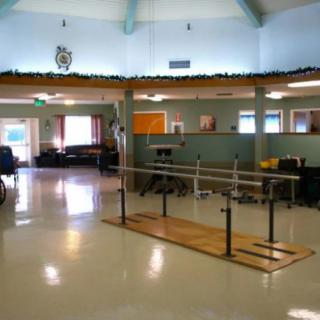
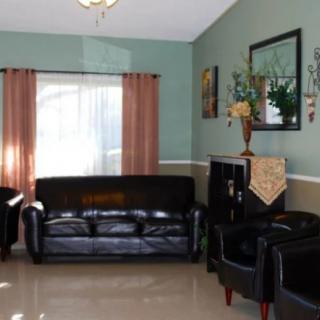
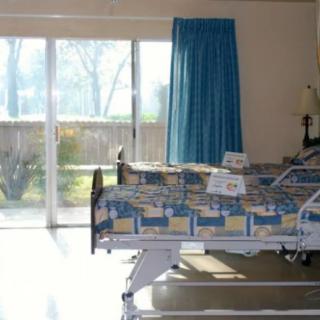
- The environment was dirty, dingy, and gloomily reminiscent of a dog pound.
- Serious health issues occurred, including contracting C-diff and dozens of bedsores due to lack of rotation and hygiene.
- Nurses yelled at visitors and mishandled food without gloves, showing poor infection control.
Review
Acacia Park Nursing & Rehab Center in Modesto is best suited for families who have exhausted other options in the area and must face caregiving as an active burden rather than a passive acceptance. This community demands vigilant oversight, with families prepared to supplement care with private assistance and to push for accountability. It is not a setting for those seeking consistently clean environments, timely clinical attention, or reliable communication about a loved one’s condition. In short, this is a last-resort option where success hinges on scrutiny, advocacy, and the willingness to intervene directly.
Those evaluating alternatives should seriously consider other facilities if safety, hygiene, and respectful treatment are non-negotiable. Prospective residents who prize routine, clear care plans, and dependable staff coverage will likely be disappointed here. If a family cannot commit to daily monitoring, rapid response to concerns, and ongoing coordination of therapy, transportation, and meals, the search should continue elsewhere. Private in-home care or a higher-quality facility with stronger staffing and better infection control would be prudent bets for most families.
The family-friendly anecdotes among the negatives reveal a difficult reality: even when some staff members appear courteous, the core conditions undermine any sporadic positives. The most persistent drawbacks are staffing shortages, inadequate supervision, and a pattern of neglect that manifests as inconsistent baths, delayed or absent meals, and a lack of attention to basic hygiene. The facility struggles with proper infection control, and there are explicit concerns about bedsores, uncontrolled odors, and a general sense of disorganization that erodes trust. In short, thePROs that surface, occasional kindness or a moment of visible concern, do not meaningfully offset the systemic problems.
For families seriously considering Acacia Park, a disciplined due-diligence process is essential. Require a current, direct tour with the administrator or director, and insist on speaking with frontline staff about shift coverage and task assignment. Request recent inspection and incident reports, concrete staffing ratios by shift, and a transparent schedule for physical therapy and wound care if those services are needed. Demand evidence of safe meals, consistent diaper and hygiene routines, and functional security measures, including monitored access and working cameras. Bring questions about how emergencies are handled at night, how rapidly calls are answered, and what happens when reviews indicate repeated lapses.
The risk calculus is stark. Reports consistently point to medical neglect that can translate into preventable complications, untreated infections, unaddressed wounds, missed therapies, and poor nutritional oversight. Environmental concerns, dirt, odor, clutter, and a confusing blend of smokers and non-smokers, compound safety risks. Security gaps and staff turnover amplify the anxiety around who is supervising care after hours. Given these realities, the prudential choice is to treat Acacia Park as a facility to be avoided for longer-term rehabilitation or daily living unless and until independent verification proves systemic improvements across leadership, staffing, and care protocols.
Ultimately, families should pursue stronger options unless there is an unshakeable confidence in substantial, verifiable reform. If staying under consideration, set firm milestones: a defined plan for PT and nursing rounds, a commitment to daily cleanliness and bathing schedules, independent periodic audits, and a clear escalation path for any missed care. While occasional, isolated acts of kindness may appear, they cannot compensate for a pattern of risk, neglect, and a facility culture that tolerates gaps in essential care. The prudent path remains exploring other communities or arranging intensified in-home support, then re-evaluating Acacia Park only after transparent, demonstrable improvements are documented and sustained.
 99 resident community capacity
 Skilled Nursing Facility
 Air-conditioning
 Beauty salon
 Cable or satellite TV
 Computer center
 Dining room
 Fitness room
 Fully furnished
 Gaming room
 Garden
 Housekeeping services
 Kitchenette
 Move-in coordination
 Outdoor space
 Private bathrooms
 Restaurant-style dining
 Small library
 Telephone
 Wellness center
 Wi-Fi/high-speed internet available
 Modesto City-County-Harry Sham (2 miles away)
 Community operated transportation
 12-16 hour nursing
 24-hour call system
 Activities of daily living assistance
 Assistance with bathing
 Assistance with dressing
 Assistance with transfers
 Diabetes diet
 Medication management
 Mental wellness program
 Special dietary restrictions
 Concierge services
 Planned day trips


 Understanding Hospice Care at Home: Comprehensive Services, Key Benefits, and Eligibility
 Understanding the Full Cost of 24/7 In-Home Care: A Detailed Overview
 Exploring the World of Home Health Nurses: Qualifications, Roles, and Hiring Tips