For more information about senior living options: (866) 208-4318
2.9 from 59 reviews
5 stars
22
4 stars
5
3 stars
3
2 stars
2
1 stars
27
Modesto Post Acute Center Costs & Pricing
Modesto Post Acute Center offers a range of pricing for its accommodations that reflects both the quality of care and the local market conditions. A studio room at this facility costs $4,590 per month, which is notably higher than the average of $3,925 in Stanislaus County and slightly above the state average of $4,145. For those seeking more space, a one-bedroom suite is priced at $5,610, significantly exceeding both the county average of $3,685 and California's average rate of $4,340. These figures suggest that while Modesto Post Acute Center may command higher fees compared to its regional counterparts, it likely provides enhanced services or amenities that justify this premium for prospective residents.
Floor plans
Modesto Post Acute Center
Stanislaus County
California
Studio
$4,590
$3,925
$4,145
1 Bedroom
$5,610
$3,685
$4,340
Skilled Nursing Facilities with a similar price nearby
Residents most often describe staff members as caring, friendly, and attentive to needs.
A recurring theme is how often families and residents mention the staff being helpful, polite, and approachable. Several reviewers also describe staff as responsive when they had questions or when support was needed day-to-day. At the same time, some negative reviews criticize communication and responsiveness, including complaints about delays or not addressing concerns promptly.
common9 reviews mention this
Call button response is a mixed bag
Call-button and support timing comes up often, with reports ranging from prompt to delayed.
Some residents and families say staff checked quickly after they pushed the call button and took action to help with needs. Others describe long waits for help and report feeling they had to step in to get care moving. This lines up with the community listing a 24-hour call system and 24-hour supervision, while reviews still vary by experience.
differentiator6 reviews mention this
Physical therapy receives strong praise
Physical therapy is frequently highlighted as a bright spot during rehab.
Multiple reviewers specifically credit the therapy team, including physical therapy staff and therapists, for helping during recovery after hospitalization or surgery. Some accounts describe exceptional therapy support that helped them regain function and improve wellbeing. Other reviews are less favorable overall, but therapy is still the most consistently singled-out care area in the positive remarks.
caveat6 reviews mention this
Food quality draws repeated complaints
Food quality is a recurring problem, with reviews calling it horrible or limited.
Several residents and families complain that meals were unappetizing, did not match expectations, or felt repetitive. One mixed review describes food as tolerable overall while also pointing to concerns about meal funding or presentation. The community also indicates support for diabetes and special dietary restrictions, but reviews still report dissatisfaction with day-to-day food.
caveat6 reviews mention this
Cleanliness and odors are questioned
Cleanliness issues—such as sticky floors and unpleasant odors—show up in negative feedback.
A set of reviews mention cleanliness problems like dirty conditions, sticky floors, and strong urine-related odors. In a few cases, reviewers say they could not stay in the room due to the smell. While other reviews describe the facility as clean or well-kept, the negative accounts suggest that cleanliness consistency may vary.
How we summarize
Counts show how many written reviews mention each theme; a review can touch several themes, and only frequently mentioned themes are displayed.
Modesto Post Acute Center offers a range of pricing for its accommodations that reflects both the quality of care and the local market conditions. A studio room at this facility costs $4,590 per month, which is notably higher than the average of $3,925 in Stanislaus County and slightly above the state average of $4,145. For those seeking more space, a one-bedroom suite is priced at $5,610, significantly exceeding both the county average of $3,685 and California's average rate of $4,340. These figures suggest that while Modesto Post Acute Center may command higher fees compared to its regional counterparts, it likely provides enhanced services or amenities that justify this premium for prospective residents.
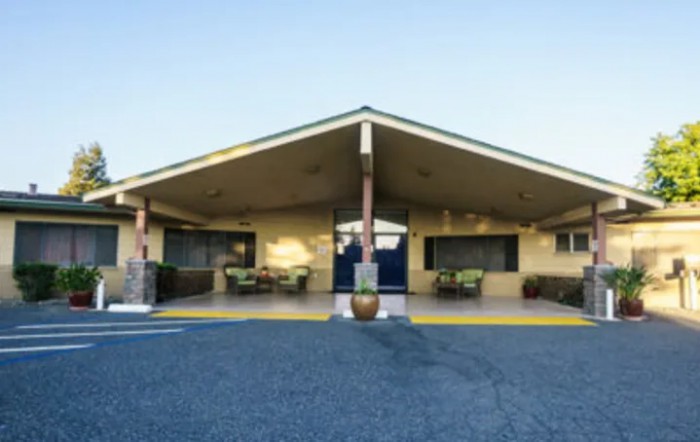
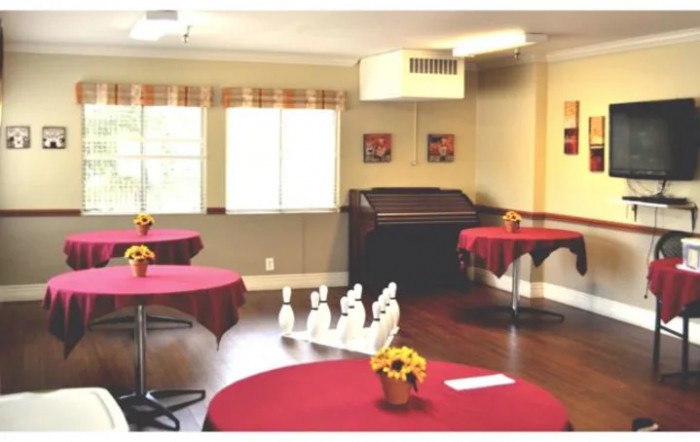
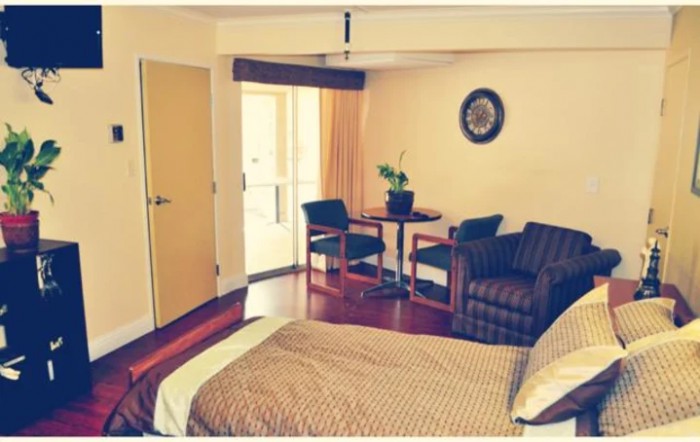
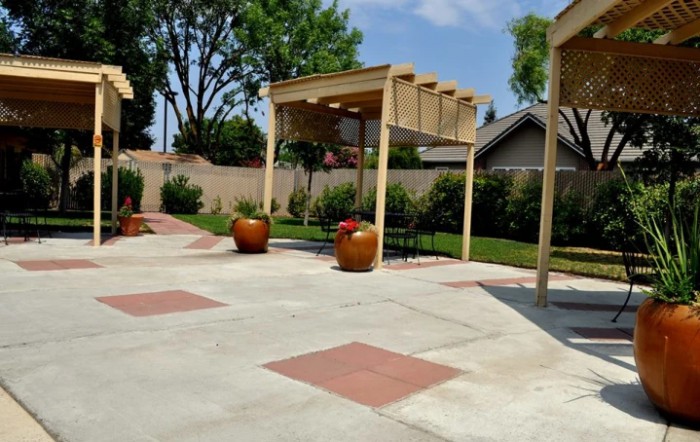
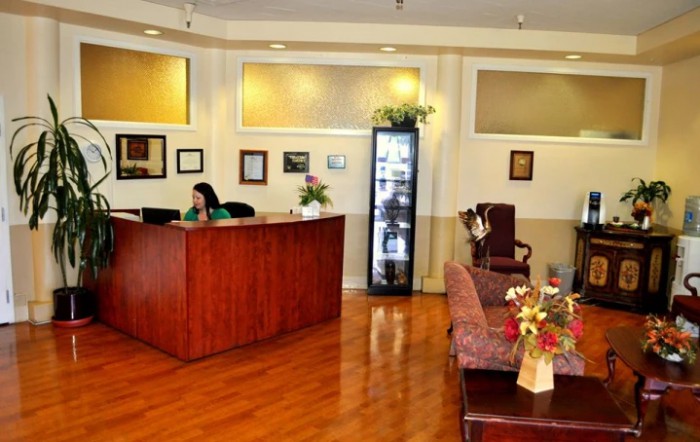
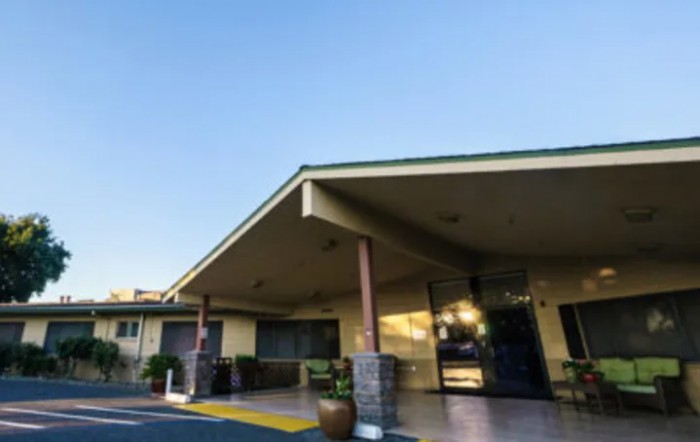
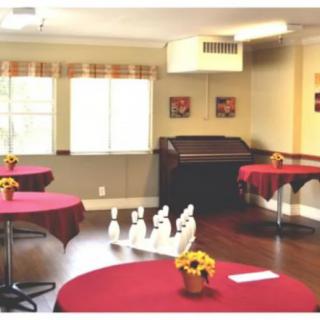
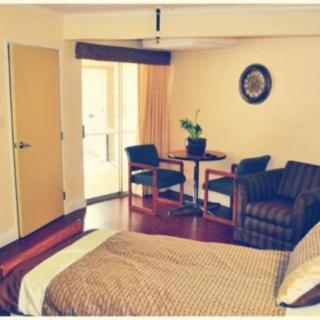
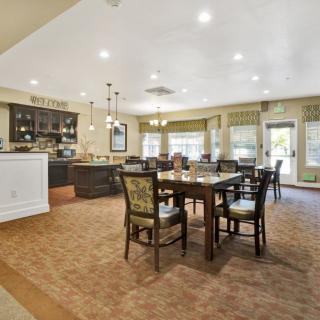
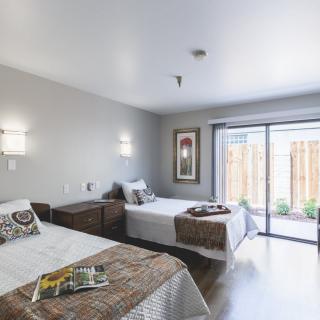
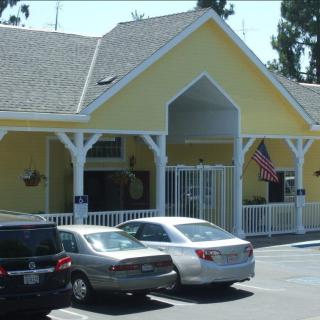
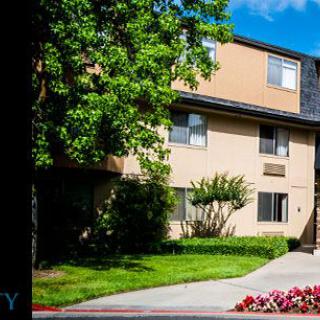
Modesto Post Acute Center on seniors.fyi includes 6 photos including images showing interior, building, architecture, exterior, bedroom, landscaping, lobby, entrance, and more.
Nearby Communities
Sisters Assisted Living
Modesto, CA
5 from 4 reviews
$3,000 to $3,099 / month
Affordable, compassionate memory care.
Alegre Home Care - Modesto
Modesto, CA
3.8 from 8 reviews
Strong follow-up and commitment to addressing concerns.
Orangeburg Memory Care
Modesto, CA
4.5 from 60 reviews
$3,995 to $5,100 / month
Compassionate staff delivering personalized care in a clean, home-like setting.
Orangeburg Manor
Modesto, CA
4.5 from 29 reviews
Memory-care specialization with 24/7 supervision and comprehensive amenities.
Central Valley Post Acute - Modesto
Modesto, CA
Amenities-focused community with dining, salon, fitness, and wellness programs.
Casa De Modesto
Modesto, CA
4.1 from 59 reviews
$2,195 to $3,495 / month
Warm, friendly staff in a clean, welcoming setting with engaging activities.
Marple Manor
Modesto, CA
3.7 from 41 reviews
$600 / month
Very affordable studio pricing at $600/month, far below county and statewide averages.
Ralston Tower
Modesto, CA
4 from 72 reviews
$566 / month
Very affordable 1-bedroom option ($566/mo) with easy access to shops, parks, pharmacies, and dining.
Bethel Retirement Community
Modesto, CA
4.9 from 79 reviews
$550 to $2,280 / month
Caring, attentive staff with engaging activities and affordable pricing, in well-maintained facilities.
Caregiver exhaustion, or burnout, stems from the relentless demands of caregiving, leading to emotional and physical depletion characterized by stress, frustration, and neglect of personal needs. Addressing this burden is essential to prevent long-term consequences, with early recognition and support being crucial for caregivers to maintain balance and implement self-care.
Hospice care at home provides specialized end-of-life support that focuses on comfort and dignity for individuals with life-limiting illnesses, offering a range of services including medical management, emotional and spiritual support, and logistical assistance tailored to the family's needs. It involves collaboration to create individualized care plans and extends to bereavement support after a loved one's passing.
The guide outlines the rising costs of 24/7 in-home care, ranging from $10,000 to over $20,000 monthly, driven by factors such as location and caregiver qualifications. It discusses the limited coverage by Medicare and private insurance, potential Medicaid support, and the emotional and living condition considerations influencing families' decisions on care arrangements.
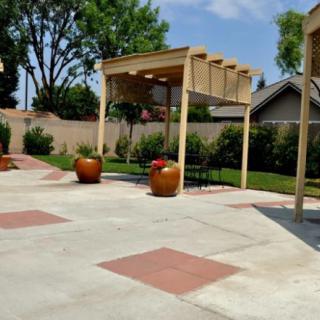
Landscaping, Trees, Patio, Outdoor Seating, and Pergola
Windows
Building, Architecture, and Exterior
Entrance
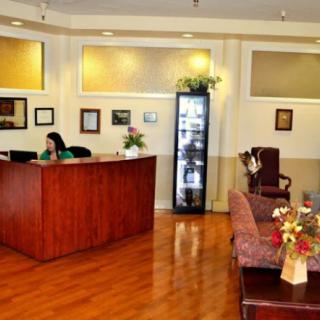
Lobby, Office, Waiting Area, and Reception
Parking
Get PricingAsk A QuestionSchedule A TourContact Senior Advisor
By clicking submit, you agree to our Partner's Terms of Use. You
also consent to receive calls and texts, which may be autodialed, from our Partner. Your consent is not a condition to
using our Partner's service. Please visit our Partner's Privacy Policy for information about their privacy practices.




 99 resident community capacity
 Skilled Nursing Facility
 Air-conditioning
 Beauty salon
 Cable or satellite TV
 Computer center
 Dining room
 Fitness room
 Fully furnished
 Gaming room
 Garden
 Housekeeping services
 Kitchenette
 Move-in coordination
 Outdoor space
 Private bathrooms
 Restaurant-style dining
 Small library
 Telephone
 Wellness center
 Wi-Fi/high-speed internet available
 Modesto City-County-Harry Sham (3 miles away)
 Community operated transportation
 12-16 hour nursing
 24-hour call system
 Activities of daily living assistance
 Assistance with bathing
 Assistance with dressing
 Assistance with transfers
 Diabetes diet
 Medication management
 Mental wellness program
 Special dietary restrictions
 Concierge services
 Planned day trips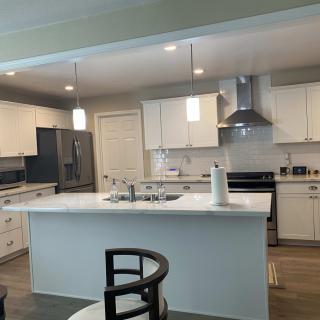
 Affordable, compassionate memory care.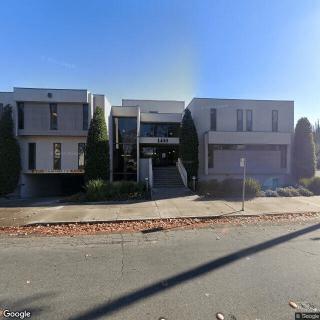
 Caregiver Exhaustion: Recognizing the Signs and Restoring Your Well-Being
 Understanding Hospice Care at Home: Comprehensive Services, Key Benefits, and Eligibility
 Understanding the Full Cost of 24/7 In-Home Care: A Detailed Overview