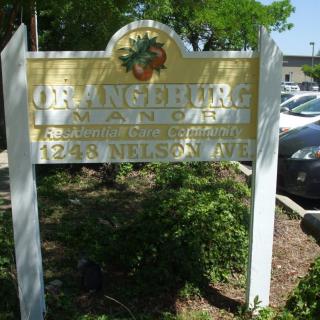
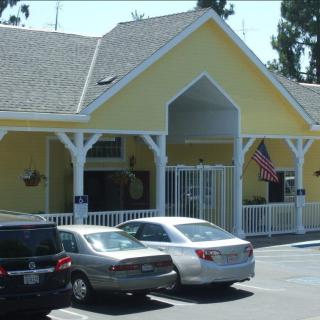
The community is presented and experienced specifically as memory care for residents with dementia.
Several reviewers describe Orangeburg as a dedicated memory care facility, not a general assisted living unit. Tour and resident experiences also point to memory care programming and a focus on keeping residents engaged and supported. One reviewer noted the building can feel a bit large for someone with dementia, but still highlighted the overall memory-care orientation.
common23 reviews mention this
Staff kindness is a constant
Across reviews, residents and families describe staff who are consistently kind and responsive.
Many families mention caregivers and leadership as patient, professional, and caring, including how quickly residents acclimated after move-in. Multiple reviewers also describe staff helping with day-to-day needs and communication, including meal delivery and support for medical appointments. The main negative experiences still acknowledge that many staff and med techs were good, while criticism was directed at specific leadership and end-of-life handling.
common7 reviews mention this
Activities keep residents engaged
Residents are described as participating in activities that help them stay engaged.
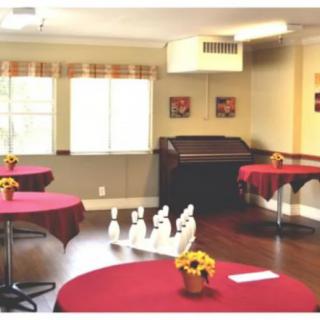
Reviewers frequently mention that residents have activities and that staff help keep them involved, including themed engagement and times where residents sing along during live music. A couple of reviewers also reported that activities were limited at points due to COVID rules, though they still felt the overall experience was positive. Even where activities weren’t a personal preference, families described the community as offering them.
common3 reviews mention this
Dining includes three meals daily
Dining is described as including three meals a day with snack access.
At least a few residents’ families describe regular meal service, including three meals per day and snack availability. One reviewer also described meals being brought or delivered inside the room depending on the situation. The community also offers restaurant-style dining and supports special diets like diabetes-related and other special dietary restrictions.
caveat2 reviews mention this
Pricing feels mixed for families
Families report that pricing can be outside a budget or somewhat more affordable than alternatives.
One reviewer said the price quoted during the process was out of their family’s budget, even though they felt supported by the staff. Another reviewer mentioned cost as being a little more affordable than other options. The reviews suggest the cost experience depends on who they compare against and what fits the family’s budget.
caveat2 reviews mention this
Hospice and COVID rules drew complaints
Some reviews raise concerns about hospice acceptance, visitation, and end-of-life processes.
Two reviewers describe problems around hospice and end-of-life care, including concerns about hospice-related acceptance and whether staff followed consistent COVID rules. One reviewer also criticized leadership empathy and described a lack of check-ins during an active transition period. While other reviews speak highly of care, these experiences point to gaps families felt during serious end-of-life situations.
How we summarize
Counts show how many written reviews mention each theme; a review can touch several themes, and only frequently mentioned themes are displayed.
Features
Housing
90 resident community capacity
Studio apartments
Types of Care
Assisted Living
Memory Care
Amenities
Air-conditioning
Beautician on-site
Beauty salon
Cable or satellite TV
Computer center
Dining room
Fitness room
Fully furnished
Gaming room
Garden
Guasts at mealtime
Guest parking
Housekeeping services
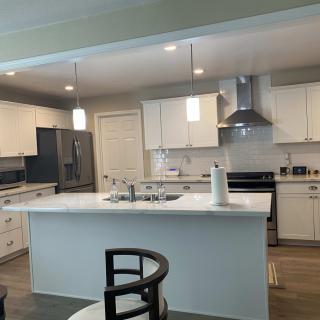
Kitchenette
Laundry
Move-in coordination
Outdoor space
Party space
Private bathrooms
Respite or short term stays offered
Restaurant-style dining
Security gate
Small library
TV room
Telephone
Wellness center
Wi-Fi/high-speed internet available
Transportation
Modesto City-County-Harry Sham (3 miles away)
Community operated transportation
Transportation arrangement
Transportation arrangement (non-medical)
Transportation to doctors appointments
Care Services
12-16 hour nursing
24-hour call system
24-hour supervision
Activities of daily living assistance
Assistance with bathing
Assistance with dressing
Assistance with transfers
Diabetes diet
Hospice care
Meal preparation and service
Medication management
Mental wellness program
Mild cognitive impairment
Personal care assistants
Psychiatric care
Special dietary restrictions
Specialized memory care programming
Dining
Diabetes diet
Special dietary restrictions
Activities
Community-sponsored activities
Concierge services
Fitness programs
Games
Live musical performances
Planned day trips
Resident-run activities
Scheduled daily activities
Stories
Yoga / chair yoga
Languages Spoken
English
Nearby Places of Interest
This area of Modesto, California, offers convenient access to a variety of healthcare facilities, including advanced imaging centers and medical groups. There are multiple pharmacies nearby for easy prescription pick-ups. In terms of recreational activities, several parks are within a short distance, providing opportunities for outdoor leisure. The neighborhood also features diverse dining options, with Italian cuisine, fast food, and yogurt shops all in close proximity. For those interested in cultural and religious activities, there is a selection of places of worship nearby. Overall, this area offers a mix of healthcare services, dining options, parks, and community resources that could cater to the needs of seniors looking for a well-rounded living environment in Modesto.
The range of features at Orangeburg Manor is specifically designed to support residents with dementia or Alzheimer's disease, ensuring their safety and enhancing their quality of life. Assistance with dressing and bathing helps maintain dignity while promoting personal hygiene, which can often become challenging for individuals in advanced stages of cognitive decline. Medication management ensures that residents receive the correct dosage at the right times, alleviating caregiver stress and preventing potential health complications. Meal preparation and service cater to nutritional needs, facilitating social interaction during mealtimes--a crucial aspect of emotional well-being. Assistance with transfers minimizes fall risks and promotes mobility, vital for maintaining physical health. The 24-hour supervision provides peace of mind for families while safeguarding residents against wandering or unsafe behaviors. Additionally, specialized memory care programming and a mental wellness program are instrumental in engaging residents cognitively and emotionally, helping them retain skills longer and adapt positively to their environment without overwhelming them due to mild cognitive impairment challenges. Collectively, these services create a nurturing atmosphere where residents can thrive within the constraints of their condition.
Nearby Communities
Orangeburg Memory Care
Modesto, CA
4.5 from 60 reviews
$3,995 to $5,100 / month
Compassionate staff delivering personalized care in a clean, home-like setting.
Central Valley Post Acute - Modesto
Modesto, CA
Amenities-focused community with dining, salon, fitness, and wellness programs.
Modesto Post Acute Center
Modesto, CA
2.9 from 59 reviews
$4,590 to $5,610 / month
Fully furnished with private bathrooms, restaurant-style dining, and a wide range of amenities and care services.
Sisters Assisted Living
Modesto, CA
5 from 4 reviews
$3,000 to $3,099 / month
Affordable, compassionate memory care.
Alegre Home Care - Modesto
Modesto, CA
3.8 from 8 reviews
Strong follow-up and commitment to addressing concerns.
Stacie's Chalet Modesto
Modesto, CA
2.2 from 9 reviews
Strong memory-focused care with 24/7 supervision and comprehensive ADL support.
Marple Manor
Modesto, CA
3.7 from 41 reviews
$600 / month
Very affordable studio pricing at $600/month, far below county and statewide averages.
Ralston Tower
Modesto, CA
4 from 72 reviews
$566 / month
Very affordable 1-bedroom option ($566/mo) with easy access to shops, parks, pharmacies, and dining.
Bethel Retirement Community
Modesto, CA
4.9 from 79 reviews
$550 to $2,280 / month
Caring, attentive staff with engaging activities and affordable pricing, in well-maintained facilities.
Sundown syndrome, or sundowning, is a phenomenon in dementia patients characterized by increased confusion and agitation during late afternoon and evening, influenced by factors like disrupted circadian rhythms and fatigue. Effective caregiver strategies include establishing routines and managing environmental light while addressing caregiver stress through support services.
Delirium is a rapidly onset, reversible cognitive disturbance often caused by acute medical issues, while dementia is a gradual and irreversible decline due to chronic neurodegenerative diseases. Accurate differentiation between the two is essential for appropriate treatment and management in older adults.
Dementia, including Alzheimer’s disease, is often mischaracterized in terms of lethality as it leads to complications that can be fatal rather than being a direct cause of death; it causes a progressive decline in cognitive and physical health, making patients vulnerable to infections and other health crises. Effective management of nutrition, hydration, and communication is crucial in patient care, with palliative care becoming vital in advanced stages to enhance comfort and quality of life while caregivers play a key role amidst the challenges posed by the disease.
Get PricingAsk A QuestionSchedule A TourContact Senior Advisor
By clicking submit, you agree to our Partner's Terms of Use. You
also consent to receive calls and texts, which may be autodialed, from our Partner. Your consent is not a condition to
using our Partner's service. Please visit our Partner's Privacy Policy for information about their privacy practices.


 90 resident community capacity
 Studio apartments
 Assisted Living
 Memory Care
 Air-conditioning
 Beautician on-site
 Cable or satellite TV
 Computer center
 Dining room
 Fitness room
 Fully furnished
 Gaming room
 Garden
 Guest parking
 Housekeeping services
 Kitchenette
 Laundry
 Move-in coordination
 Outdoor space
 Party space
 Private bathrooms
 Respite or short term stays offered
 Restaurant-style dining
 Security gate
 Small library
 Telephone
 Wellness center
 Wi-Fi/high-speed internet available
 Modesto City-County-Harry Sham (3 miles away)
 Community operated transportation
 12-16 hour nursing
 24-hour call system
 Activities of daily living assistance
 Assistance with bathing
 Assistance with dressing
 Assistance with transfers
 Diabetes diet
 Hospice care
 Medication management
 Mental wellness program
 Psychiatric care
 Special dietary restrictions
 Concierge services
 Games
Games Live musical performances
 Planned day trips
 Stories
 English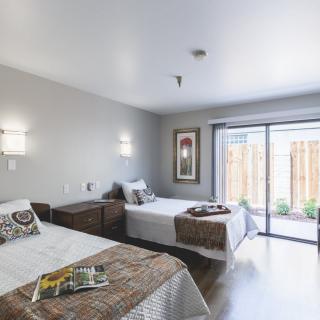
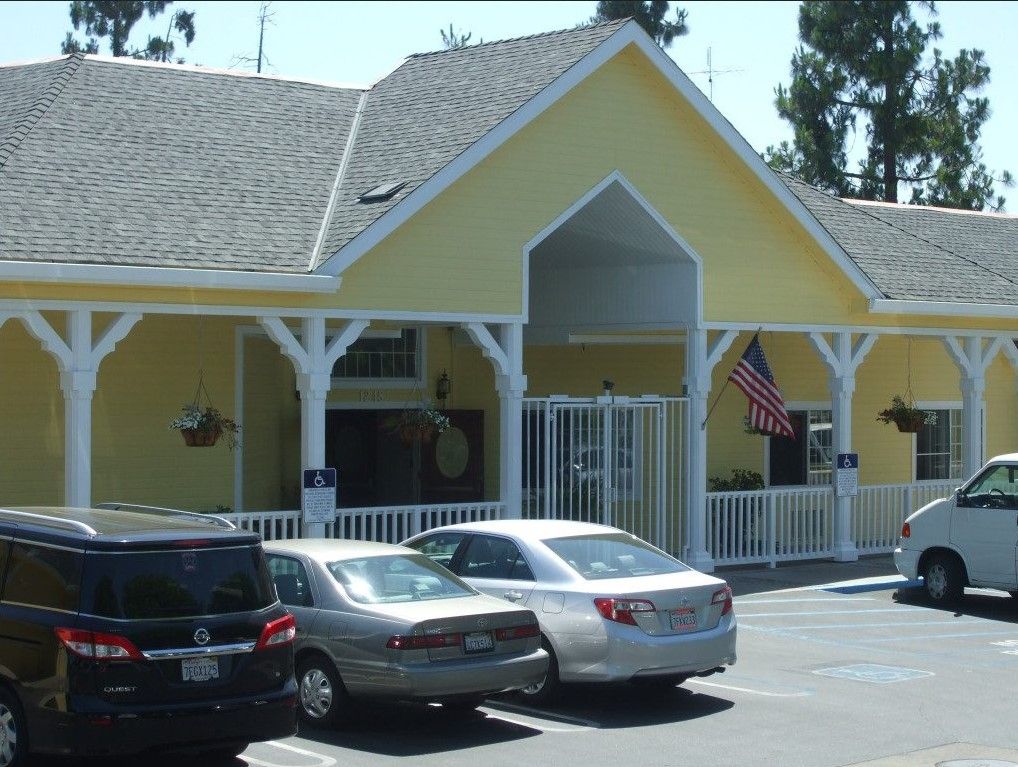
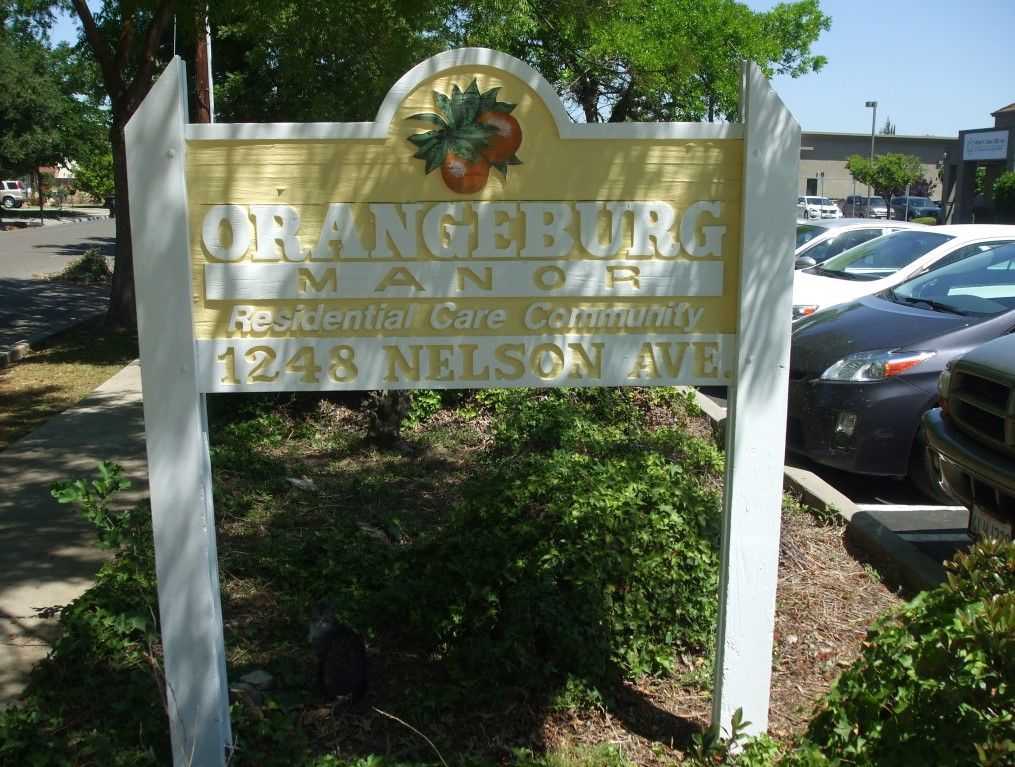
 Compassionate staff delivering personalized care in a clean, home-like setting.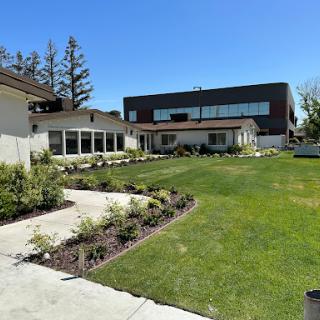

 Comprehending Evening Confusion in Dementia: Causes, Manifestations, and Support
 Delirium and Dementia: Unraveling the Key Differences
 Are Dementia and Alzheimer's Disease Lethal? A Comprehensive Exploration