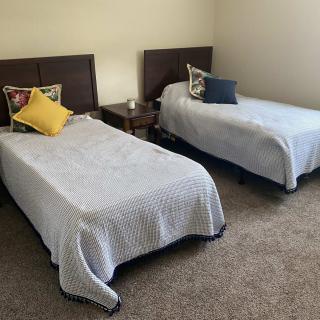
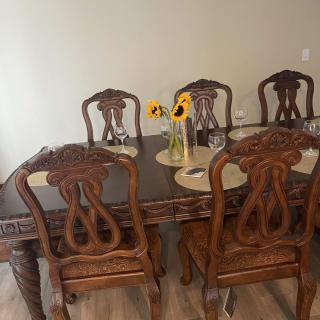
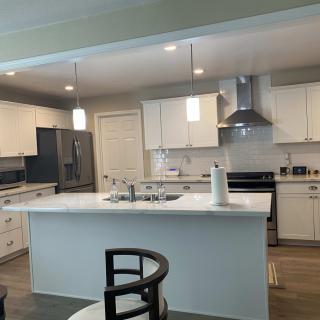
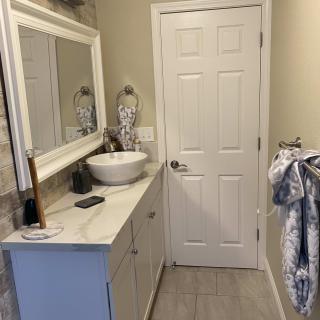
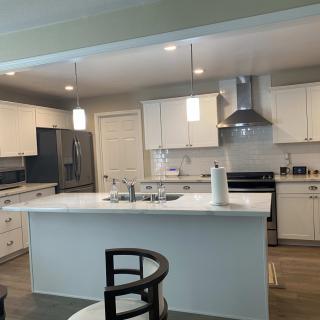
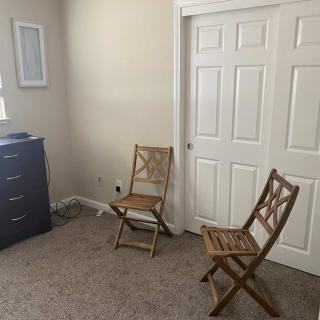
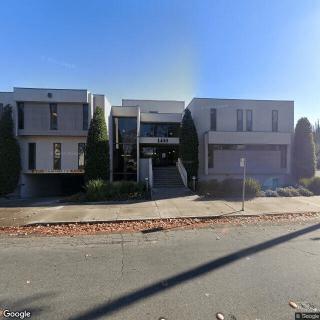
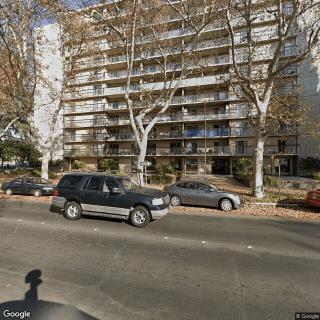
1006 Durant St, Modesto, CA 95350
To contact a resident: (510) 990-1683
For more information about senior living options: (866) 208-4318
Sisters Assisted Living Costs & Pricing
Sisters Assisted Living offers competitive pricing for its services compared to both Stanislaus County and the broader California market. With a monthly cost of $3,000 for a private room, Sisters provides an attractive alternative to the county's average of $3,754 and the state average of $3,939. Similarly, their one-bedroom option is priced at $3,099, which remains lower than the county's average of $3,685 and significantly below California's average of $4,340. This pricing strategy not only positions Sisters Assisted Living as an affordable choice for residents seeking quality care but also reflects a commitment to making assisted living accessible without compromising on service quality.
| Floor plans | Sisters Assisted Living | Stanislaus County | California |
|---|---|---|---|
| Private | $3,000 | $3,754 | $3,939 |
| 1 Bedroom | $3,099 | $3,685 | $4,340 |
Memory care communities with a similar price nearby
-
from -$500 / mo

Stetson Court Living
$2,500 / month24.7 miles away -
from -$500 / mo
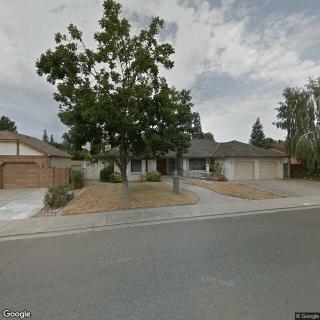
Beta Care Home
$2,500 to $4,000 / month3.2 miles away -
About the same
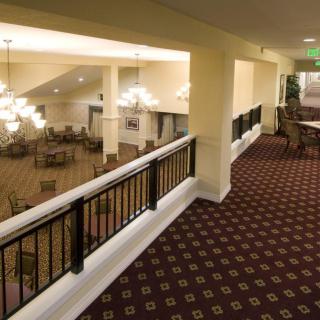
Prestige Assisted Living at Manteca
$3,000 to $4,745 / month15.0 miles away -
from +$200 / mo

Stratford at Beyer Park
$3,200 to $4,595 / month2.1 miles away -
from +$595 / mo
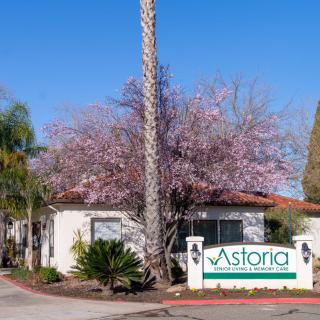
Astoria at Oakdale
$3,595 to $4,595 / month10.5 miles away
Overall Review of Sisters Assisted Living
Pros
 The staff at Sisters Assisted Living are great and patient with residents, including those with memory issues.
- Sisters Assisted Living is affordable, clean, and nice.
- The staff are very good to residents, and the community is described as the best.
- The diet program at Sisters Assisted Living works wonderfully for mobility and overall health.
- The home at Sisters Assisted Living is spotless, very comfortable, and safe.
- Karen Fomby is amazing; she is professional and has a beautiful spirit.
- Sisters Assisted Living provides a wonderful and caring atmosphere for seniors with dementia.
- The staff are friendly, caring, and patient, making families feel confident in their care.
Review
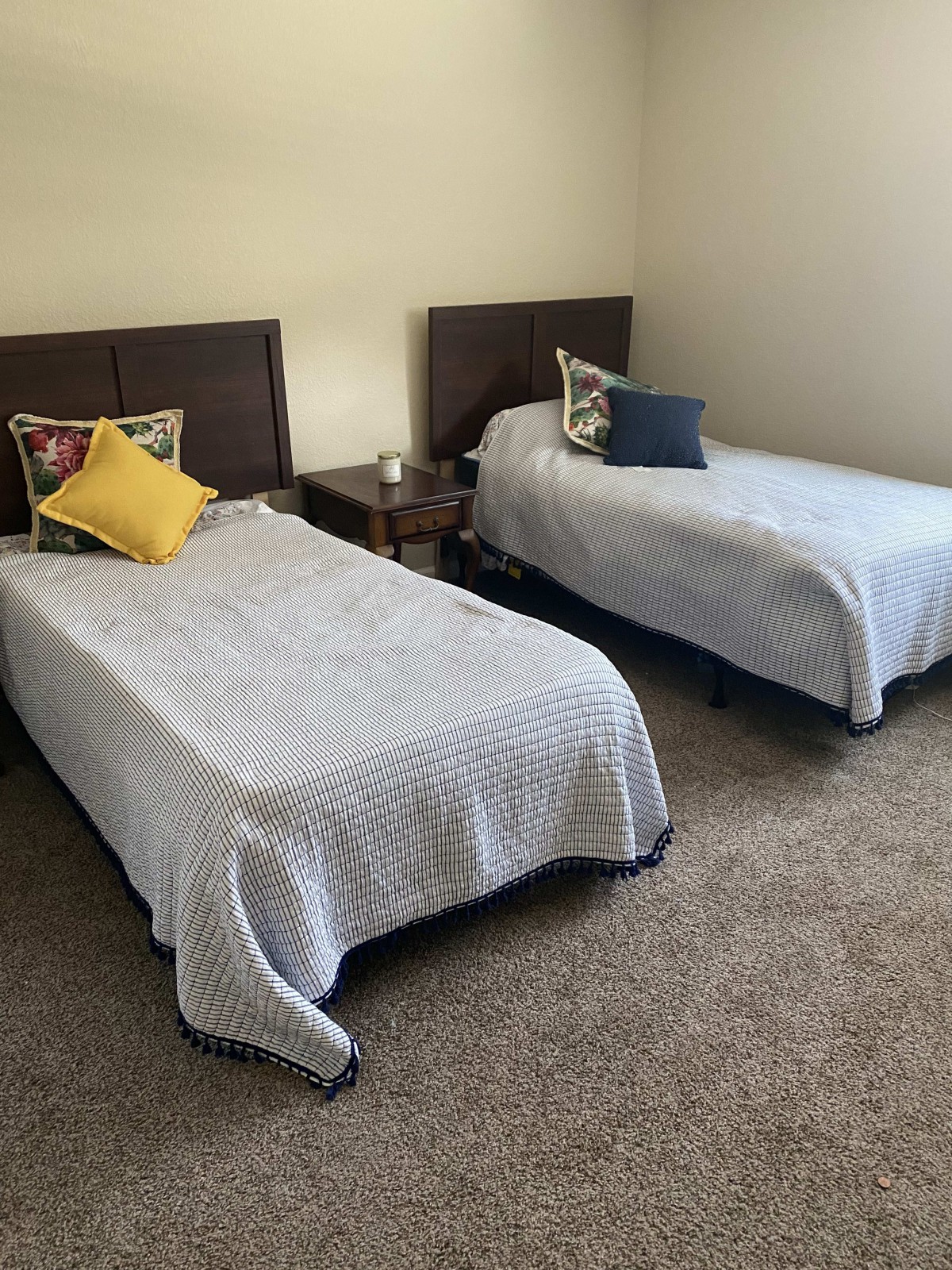
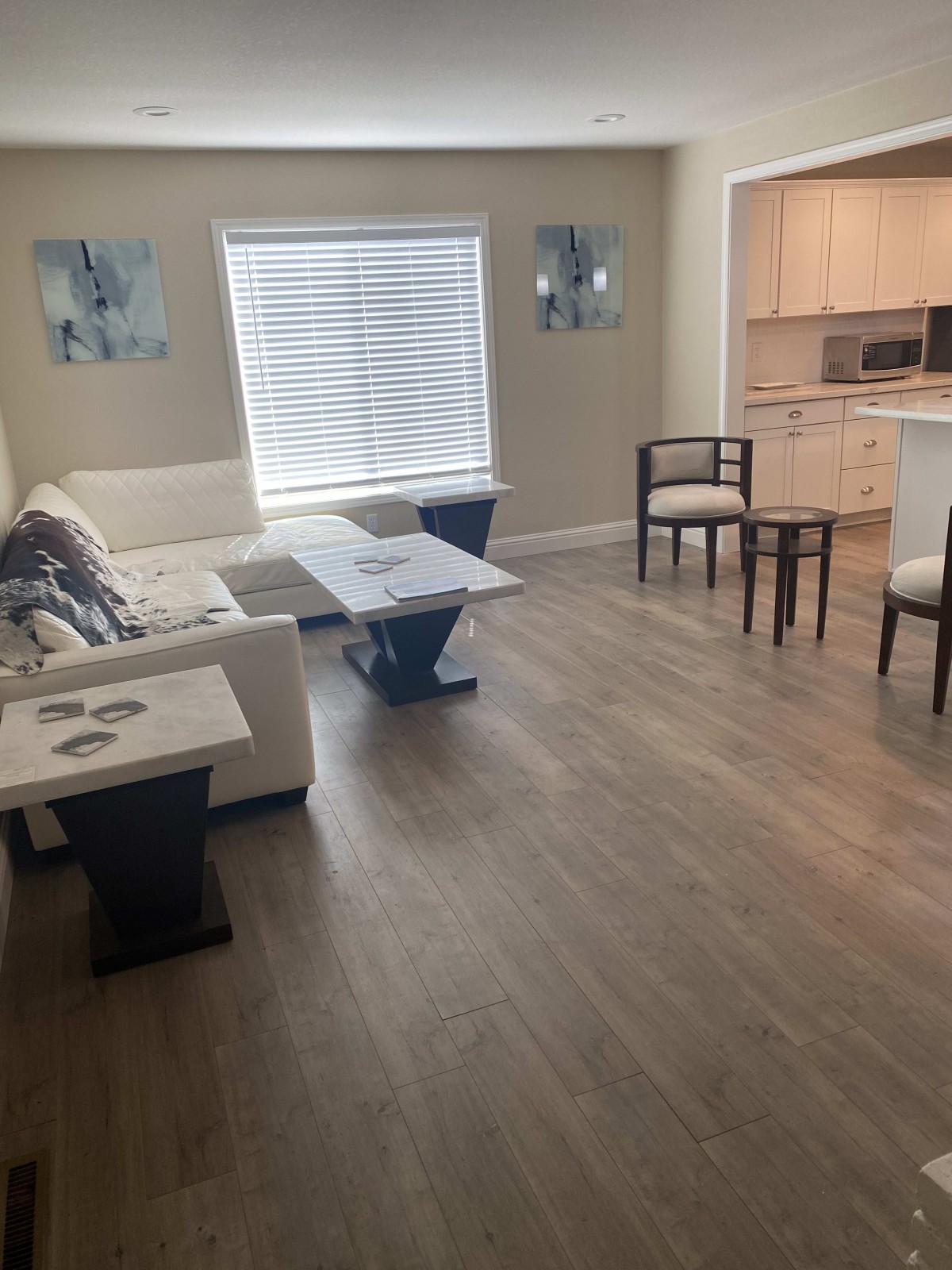
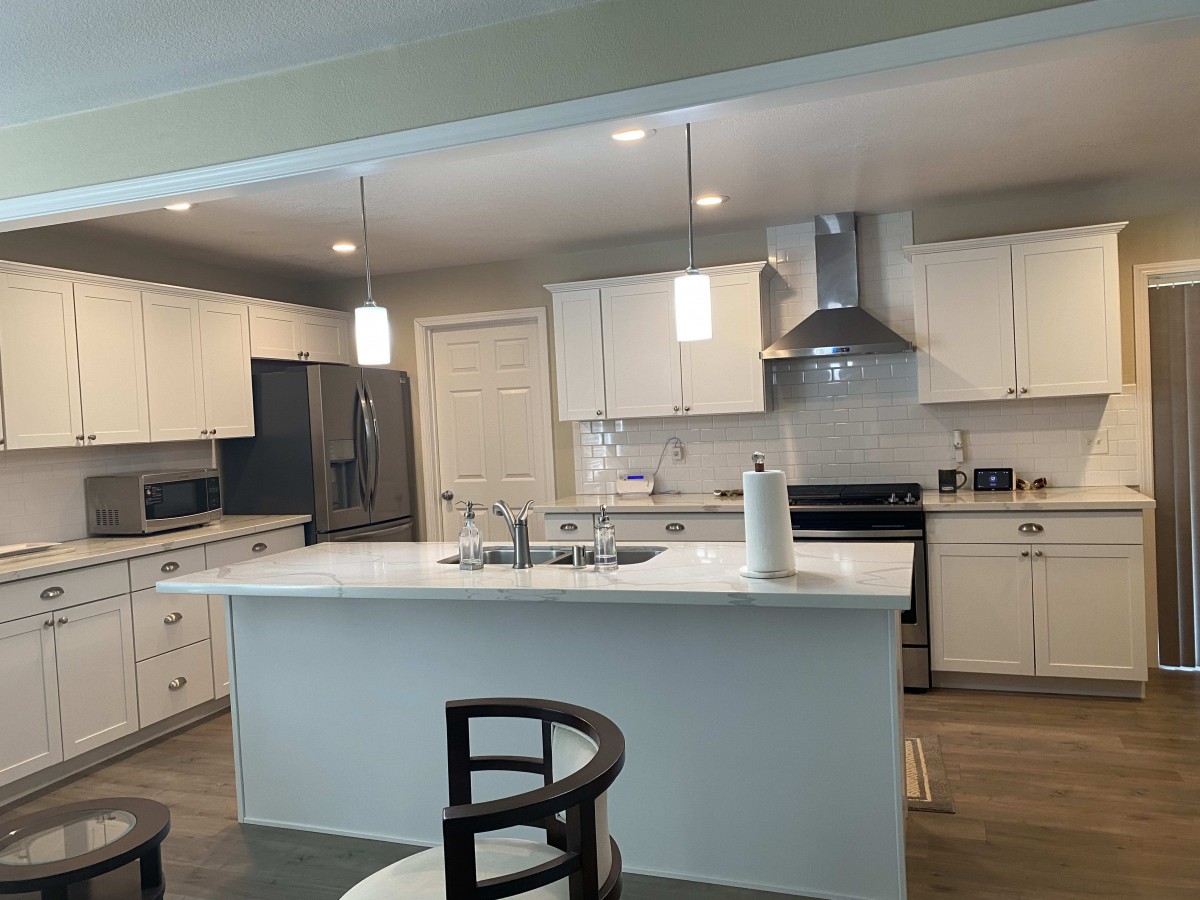
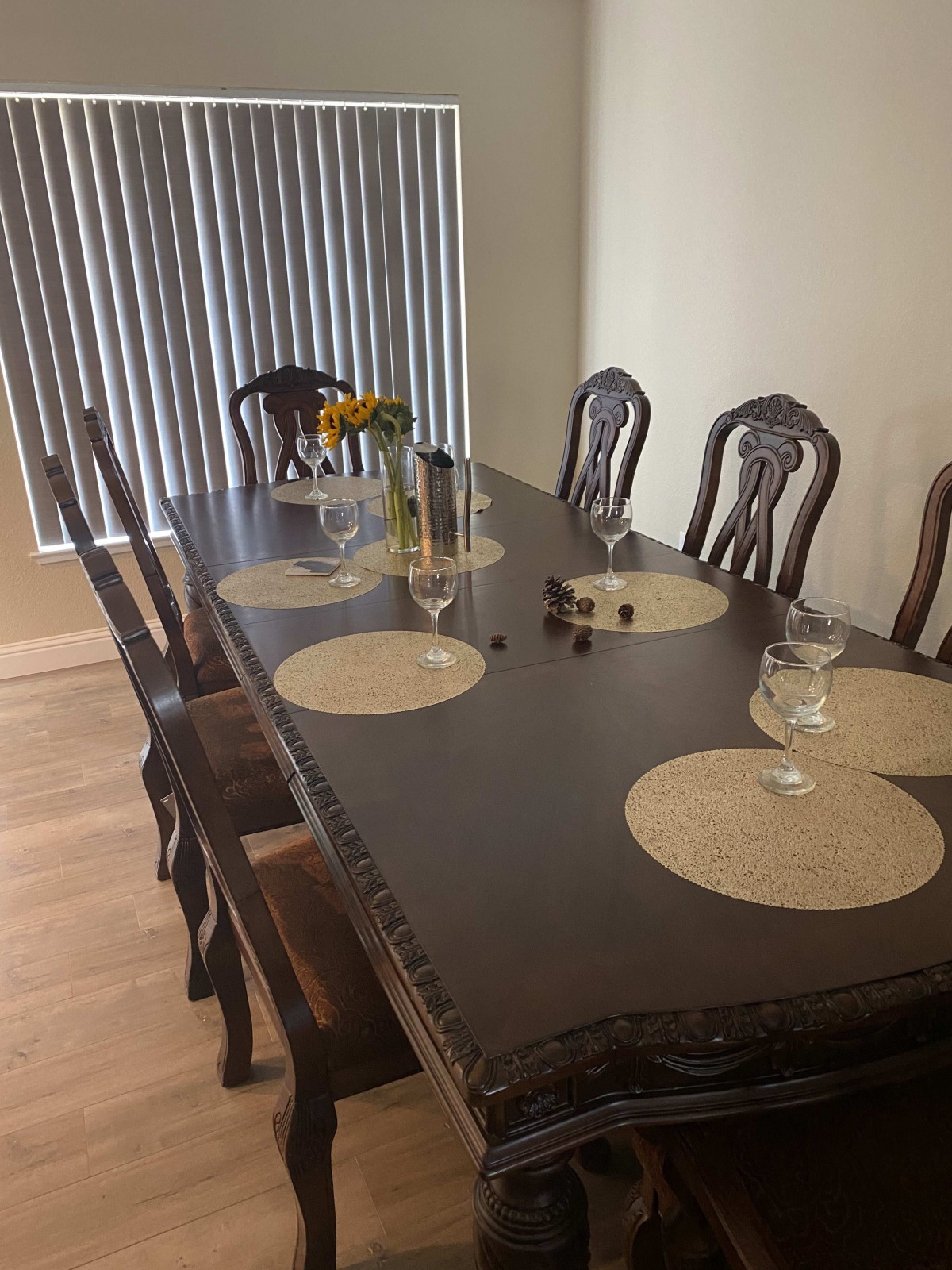
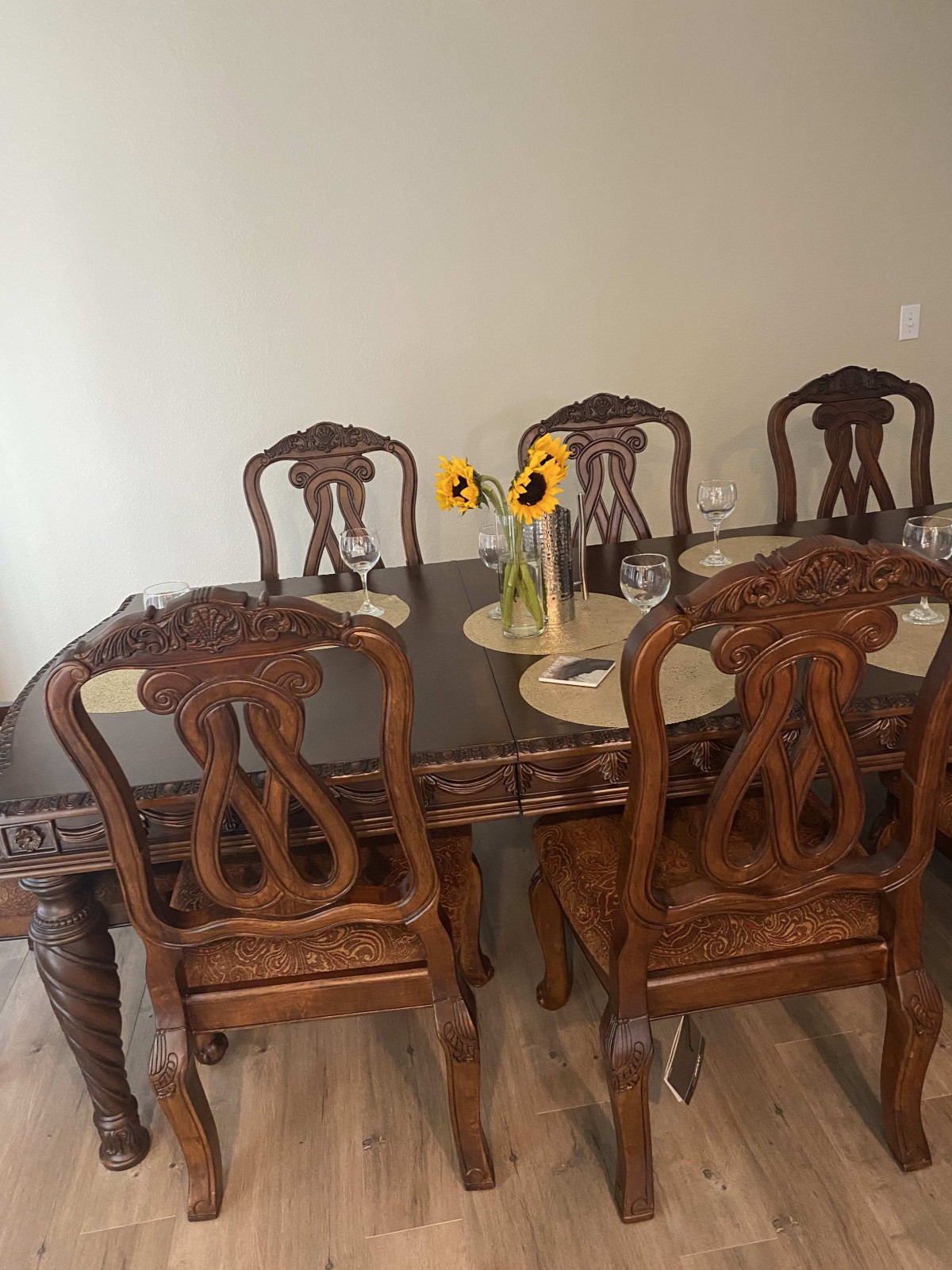
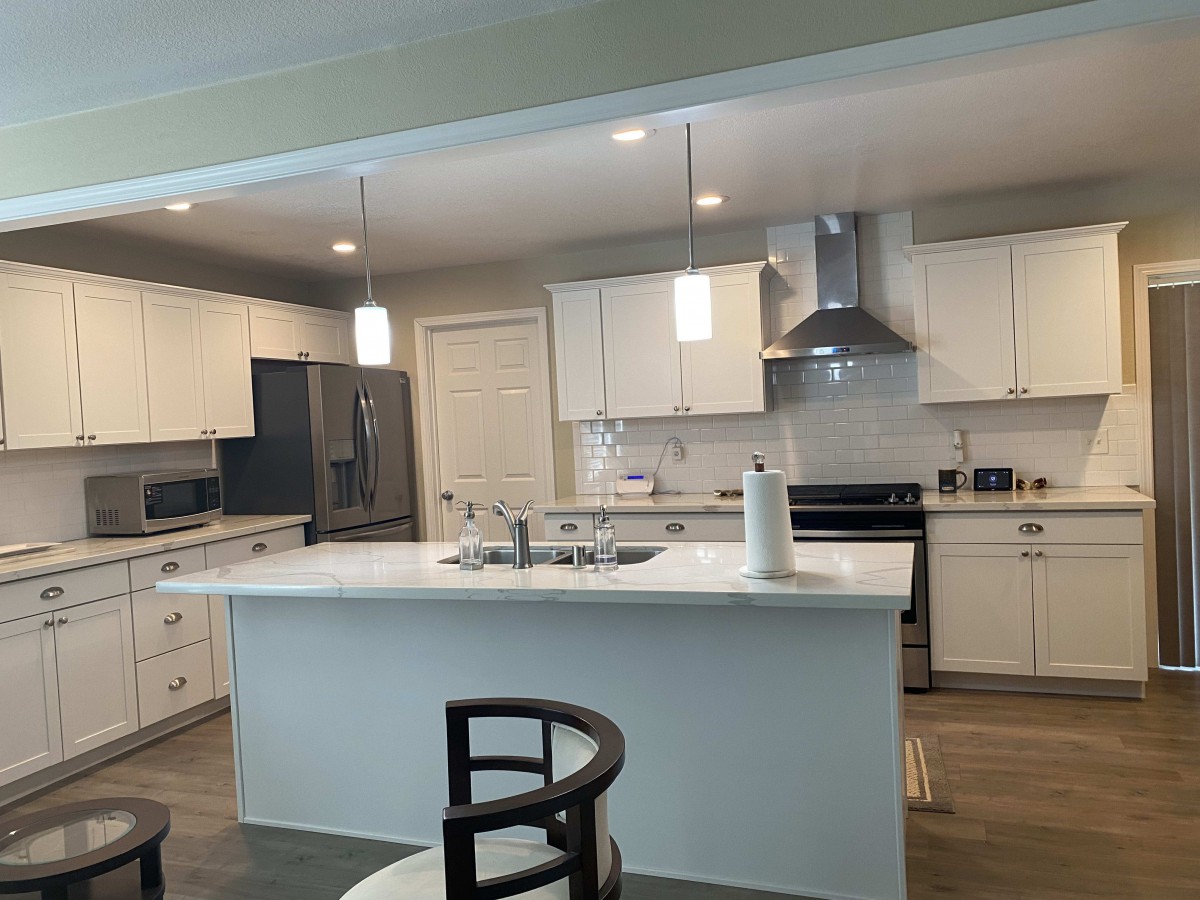
Sisters Assisted Living in Modesto is best suited for families seeking dementia-capable, affordable memory care in a warm, home-like setting. The community stands out for residents with memory issues, such as Lewy Body Dementia, who benefit from patient, consistently attentive staff, predictable routines, and a clean, safe environment. For seniors who value personalized attention, meals prepared with both nutrition and taste in mind, and a sense of daily stability, this arrangement delivers results that families can trust.
Those who should consider alternatives are the ones with higher medical acuity or the need for extensive on-site skilled nursing. If 24/7 medical interventions, rapid access to a broad spectrum of therapies, or a larger, more formal memory-care program are non-negotiables, other communities with bigger care teams or hospital affiliations may be preferable. Families seeking a campus with extensive activities, transportation options, or multiple on-site services should evaluate options that offer those scale features.
The strongest advantages are clear: a staff that remains patient and steady with residents who have dementia, a caring atmosphere that reduces anxiety, and an environment that emphasizes safety and cleanliness. The testimonials emphasize that meals are healthy and tailored, with staff quick to accommodate favorite foods and dietary goals. The willingness of staff to engage with families and to guide transitions, such as arranging tours or facilitating moves, demonstrates practical dedication that translates into real-day confidence for caregivers.
These pros offset the absence of a large-organization footprint by delivering a tightly coordinated, personalized care experience. The intimate setting can yield higher caregiver-to-resident contact, more consistent routines, and faster responsiveness to changing needs. When weight management, mobility through diet, and hands-on attention are central concerns, the diet program and daily monitoring described in the reviews point to tangible health benefits and a lower risk of neglect or delay in addressing evolving conditions.
Nonetheless, potential downsides arise from the nature of a smaller, home-like operation. While dementia care is clearly a strength, the reviews do not indicate a broad spectrum of on-site medical services or a diverse schedule of therapeutic activities that larger facilities might offer. Families should realistically assess whether the resident’s needs might outpace what the environment can sustain over time, and consider whether easy access to more intensive nursing care or more expansive programming will be required as conditions progress.
In the end, Sisters Assisted Living presents a compelling option for families prioritizing compassionate, dementia-focused care at a practical cost. For residents who thrive on individualized attention, a clean, safe setting, and meals aligned with health goals, the community offers credible value and peace of mind. For those whose priorities include extensive on-site medical resources, broader activity calendars, or more robust clinical oversight, it is prudent to compare alternatives that can deliver those capabilities without compromising the proven, intimate strength this home conveys. Schedule a visit with a clear checklist: observe staff interactions, assess safety features, sample meals, and discuss medical support plans to determine if this environment aligns with the resident’s trajectory and family expectations.
 Board and Care Home
 Memory Care
 Activities on-site
 Air-conditioning
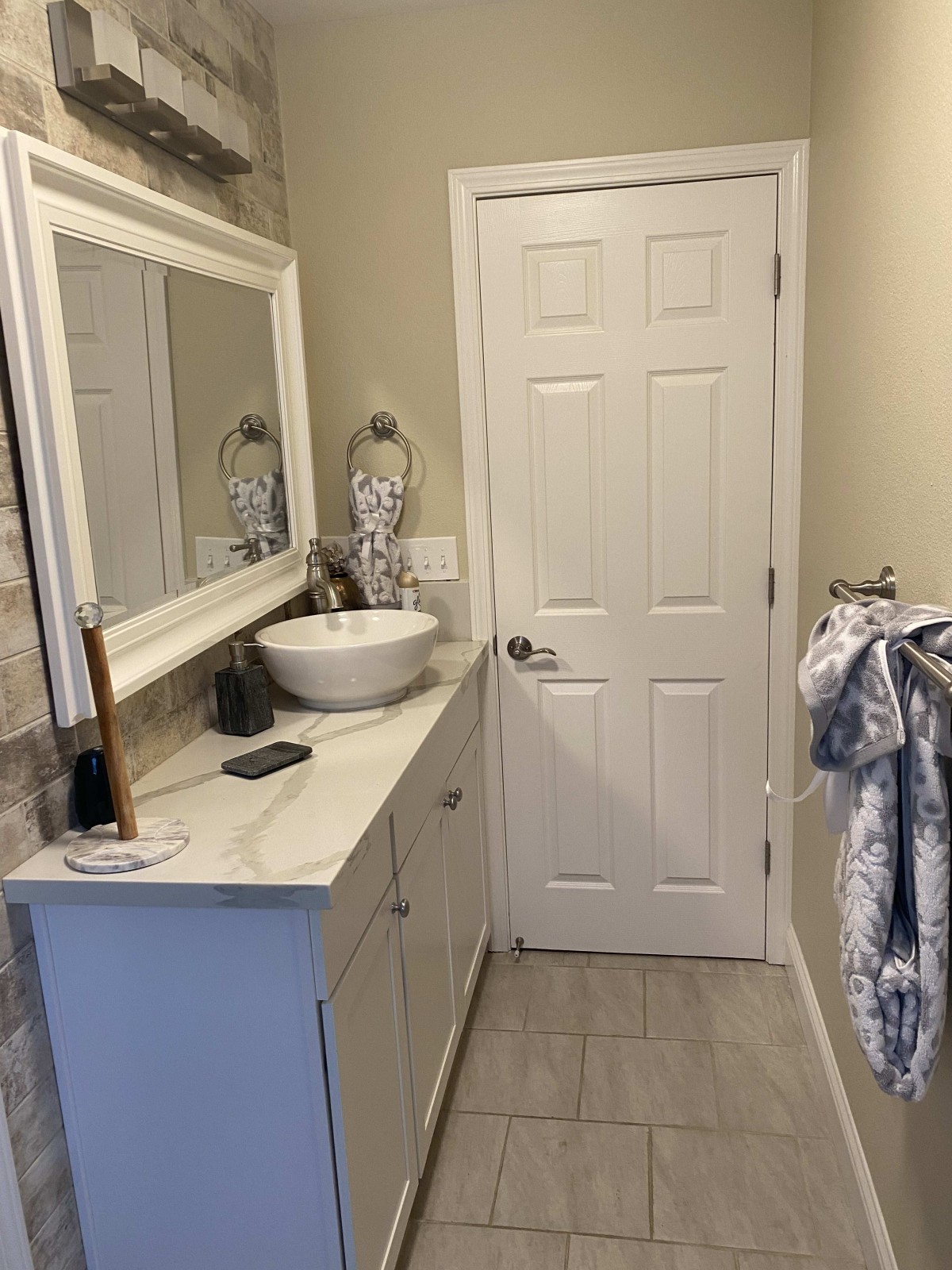
 Bath tubs
 Indoor common areas
 Outdoor common areas
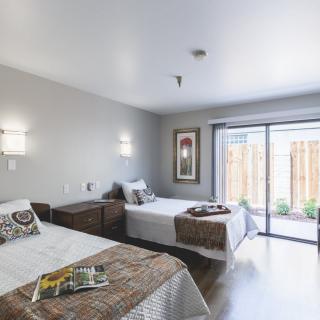
 Private
 Modesto City-County-Harry Sham (3 miles away)
 Ambulatory care
 Low / no sodium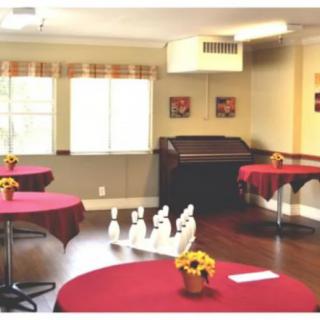
 How and When Medicaid May Cover Assisted Living Costs
 A Detailed Exploration of Assisted Living Medicaid Waivers Across the United States
 Exploring the Contrasts Between Assisted Living and Skilled Nursing