Overall Review of Kei-Ai Los Angeles Healthcare Center
common13 reviews mention this
Cleanliness stands out across stays
Multiple reviews describe the facility as clean and well kept.
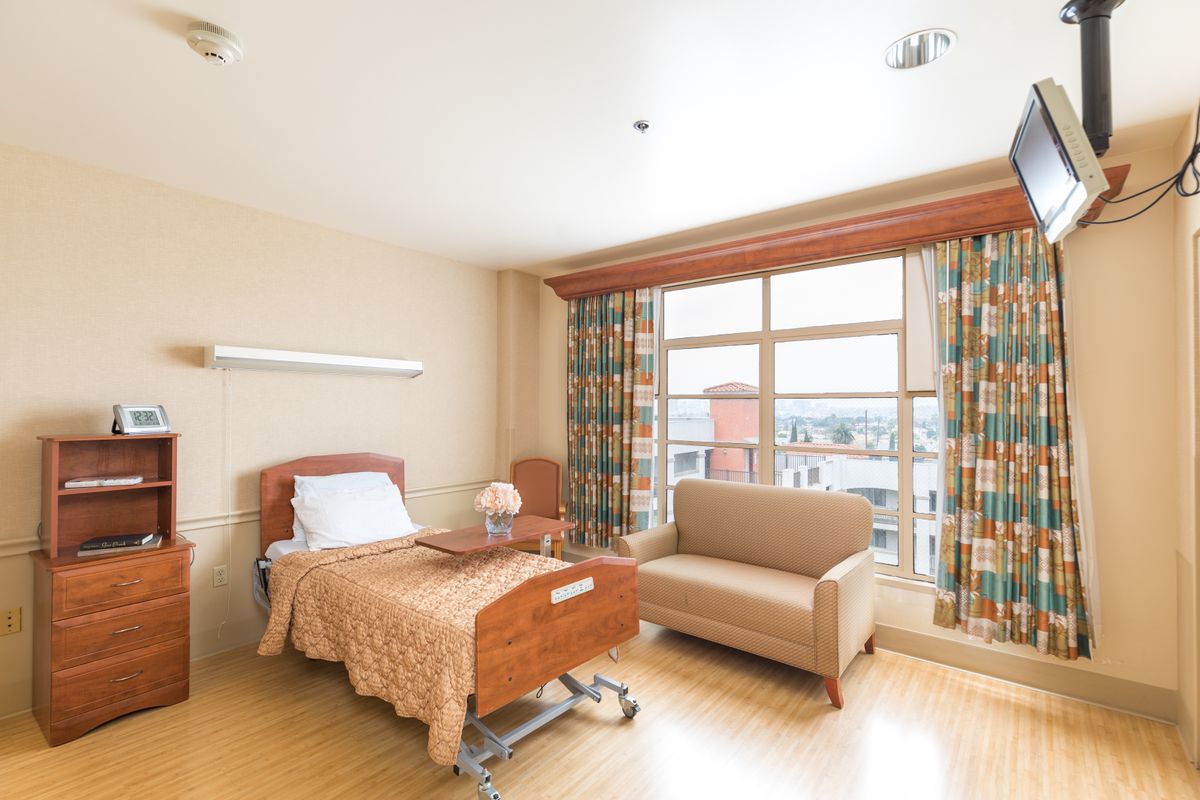
Residents and family members frequently mention the building being clean, well maintained, and comfortable to visit. Several reviewers also point to clean rooms and a tidy environment while describing their loved ones’ care or rehab time.
common9 reviews mention this
Rehab and therapy support
Therapy support is a consistent reason people feel better.
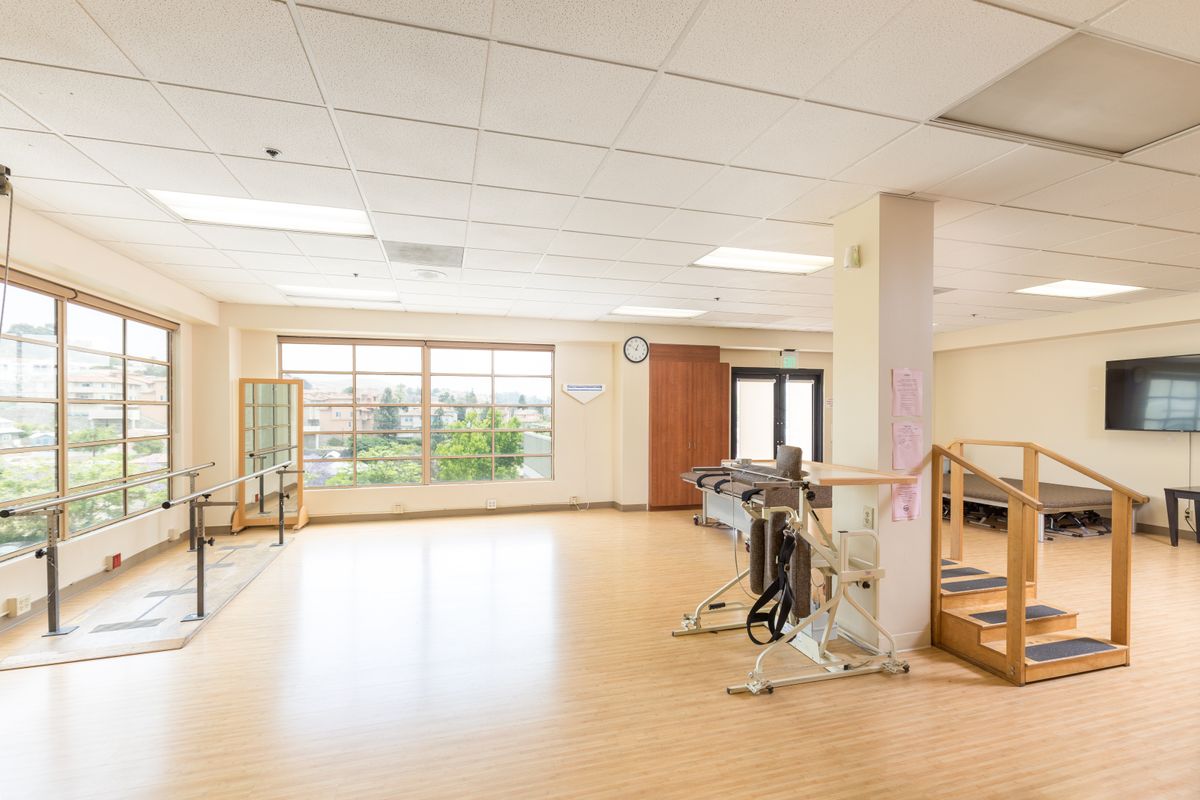
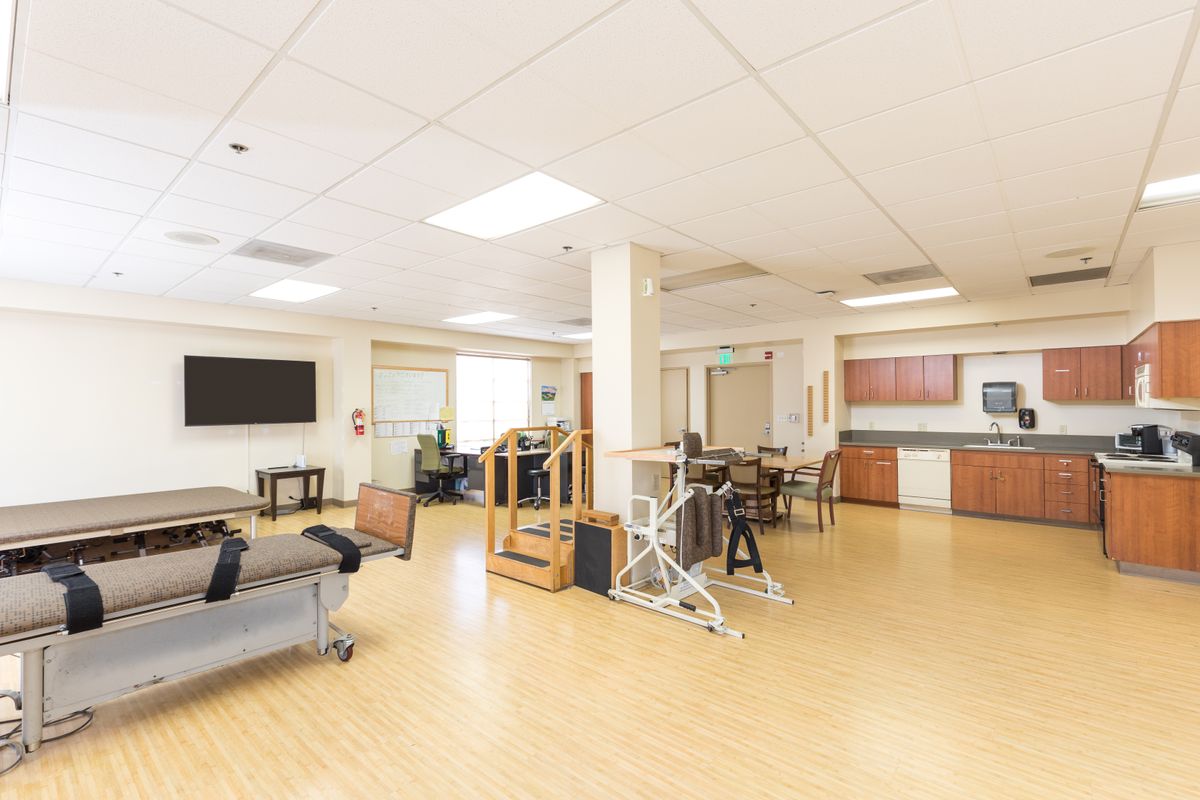
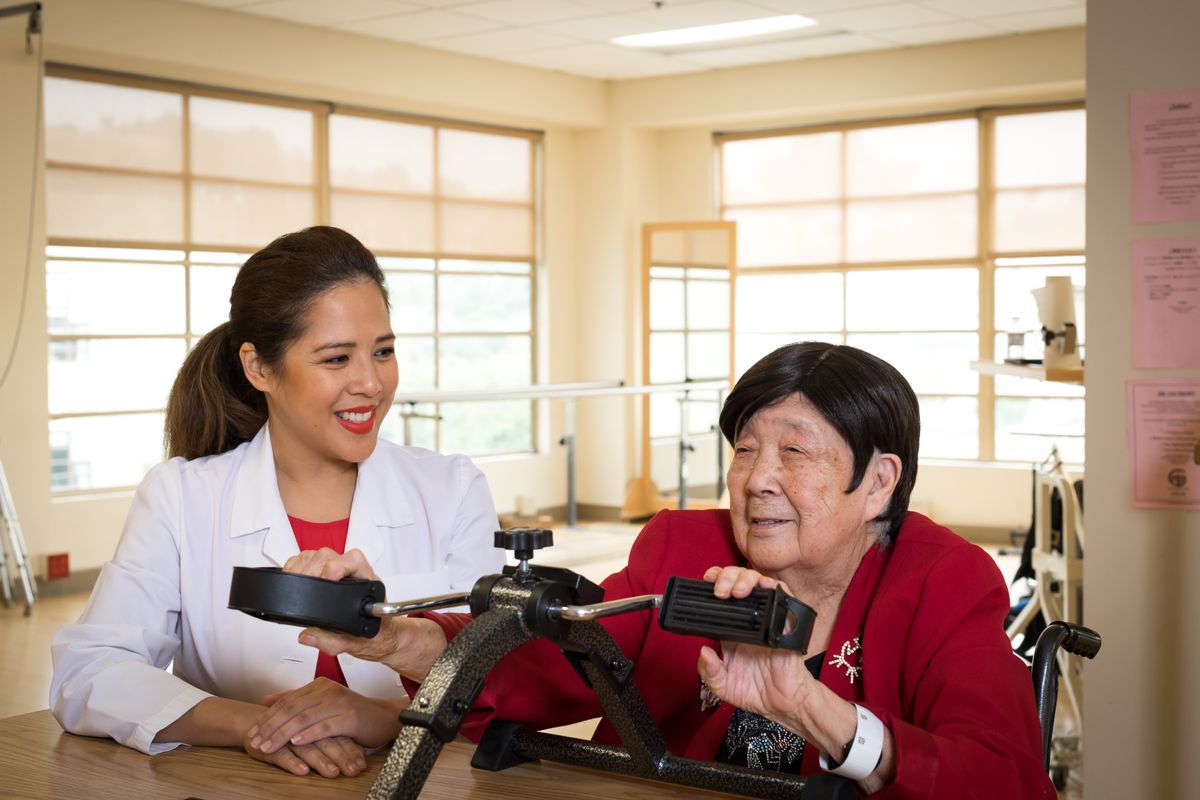
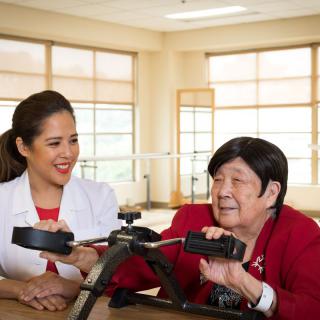
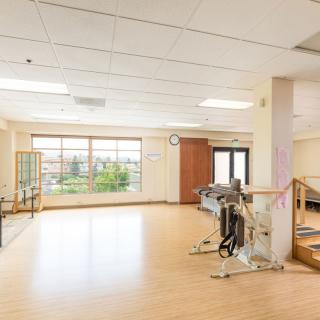
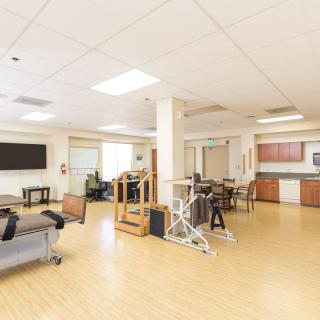
A large share of reviews focus on physical therapy and occupational therapy as part of recovery, often describing therapists who motivate patients and answer questions. This matches the community’s skilled nursing focus and listed rehab programming, including physical therapy and a rehabilitation program.
caveat6 reviews mention this
Food quality is mixed
Reviews conflict on food quality and satisfaction.
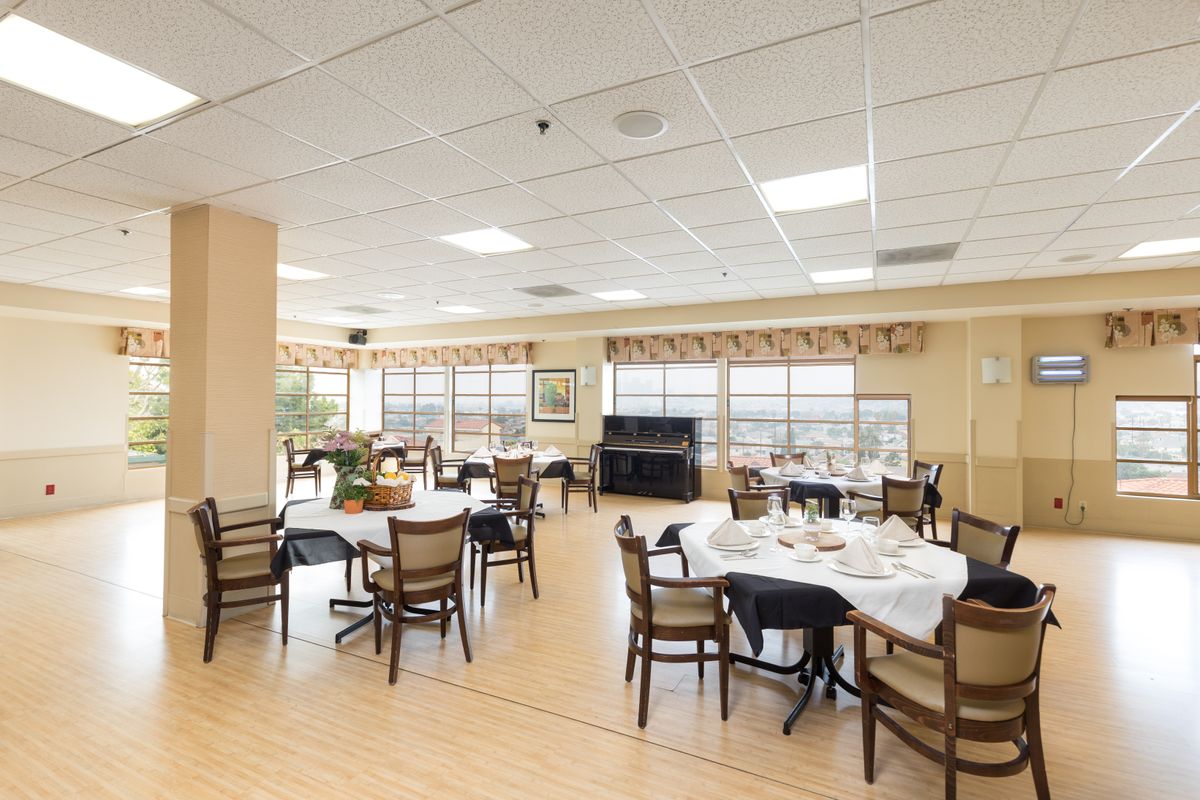
Some reviewers say meals are appetizing and even “good,” including mentions of food supporting picky eaters. Others report dissatisfaction, including one review calling the food horrible and another mentioning limited fruit juice options.
caveat8 reviews mention this
Care lapses raise serious concerns
Some reviews describe serious breakdowns in day-to-day care.
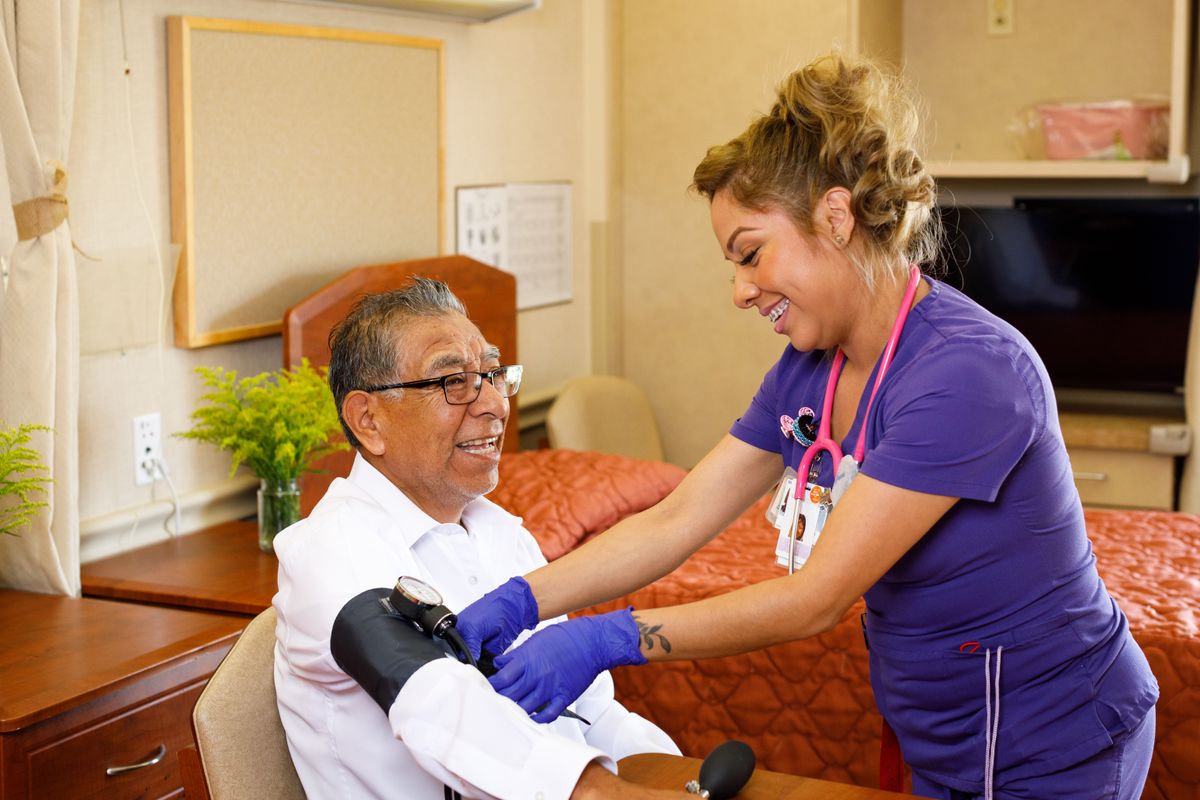
While many people praise staff, several reviews describe major problems such as delayed responses, missed basics of care, and concerns about monitoring. Complaints include not bathing, not feeding, and experiencing infections or worsening health that led families to seek emergency care.
How we summarize
Counts show how many written reviews mention each theme; a review can touch several themes, and only frequently mentioned themes are displayed.
Features
Housing
300 resident community capacity
Types of Care
Skilled Nursing Facility
Amenities
Air-conditioning
Beauty salon
Cable or satellite TV
Computer center
Continuing learning programs
Dining room
Family education and support services
Fitness room
Fully furnished
Gaming room
Garden
Housekeeping services
Kitchenette
Move-in coordination
Outdoor patio
Outdoor space
Private bathrooms
Restaurant-style dining
Small library
Telephone
Wellness center
Wi-Fi/high-speed internet available
Transportation
Burbank-Glendale-Pasadena (13 miles away)
Los Angeles International (15 miles away)
Long Beach (Daugherty) (18 miles away)
Community operated transportation
Transportation arrangement
Transportation to doctors appointments
Care Services
12-16 hour nursing
24-hour call system
24-hour supervision
Accept incoming residents on hospice
Activities of daily living assistance
Administer insulin injections
Assistance with bathing
Assistance with dressing
Assistance with transfers
Care with behavioral issues
Coordination with health care providers
Diabetes diet
Diabetic care
Meal preparation and service
Medication management
Mental wellness program
Mild cognitive impairment
Physical therapy
Rehabilitation program
Same day assessments
Special dietary restrictions
Transportation arrangement (medical)
Transportation to doctors appointments
Dining
Diabetes diet
Special dietary restrictions
Activities
Community-sponsored activities
Concierge services
Fitness programs
Planned day trips
Resident-run activities
Scheduled daily activities
Nearby Places of Interest
Hospitals
Usc-Norris Cancer Hospital (0.6 miles)
LAC+USC Inpatient Tower (0.9 miles)
Prado Center (4 miles)
Huntington Memorial Hospital Nicu (5.3 miles)
Medical 2 unit (5.7 miles)
Kedren Community Health Center (5.7 miles)
Glendale Adventist Medical Center (5.7 miles)
Restaurants
Highland Park Brewery (1.7 miles)
The Original Philippe (2.1 miles)
EightyTwo (2.6 miles)
Bavel (2.6 miles)
Girl & The Goat LA (2.7 miles)
Precinct (3 miles)
Subway (3.1 miles)
Parks
Elysian Park (2 miles)
Cleland Ave Bicentennial Park (3 miles)
Echo Park at the Lotus Festival (3.3 miles)
Granada Park (3.3 miles)
Glassell Park Recreation Center (3.6 miles)
Arroyo Seco Park (3.7 miles)
Alhambra Park (3.8 miles)
Transportation
Union Station (2.1 miles)
Cafes
Verve Coffee Roasters (2.6 miles)
Panera Bread (3.4 miles)
Charlie's Coffee House (3.4 miles)
Starbucks Reserve (3.5 miles)
Starbucks (3.8 miles)
Starbucks (3.9 miles)
Lamill Coffee Boutique (3.9 miles)
Pharmacies
CVS Pharmacy (2.6 miles)
CVS Pharmacy (2.9 miles)
CVS Pharmacy (3 miles)
Walgreens (3.1 miles)
Walgreens (3.4 miles)
Walgreens (3.5 miles)
CVS Pharmacy (3.6 miles)
Theaters
Alamo Drafthouse Downtown (3.5 miles)
Regal LA Live & 4DX (4.1 miles)
AMC The Americana at Brand 18 (5.9 miles)
Places of Worship
San Marino Community Church Nursery School (5.9 miles)
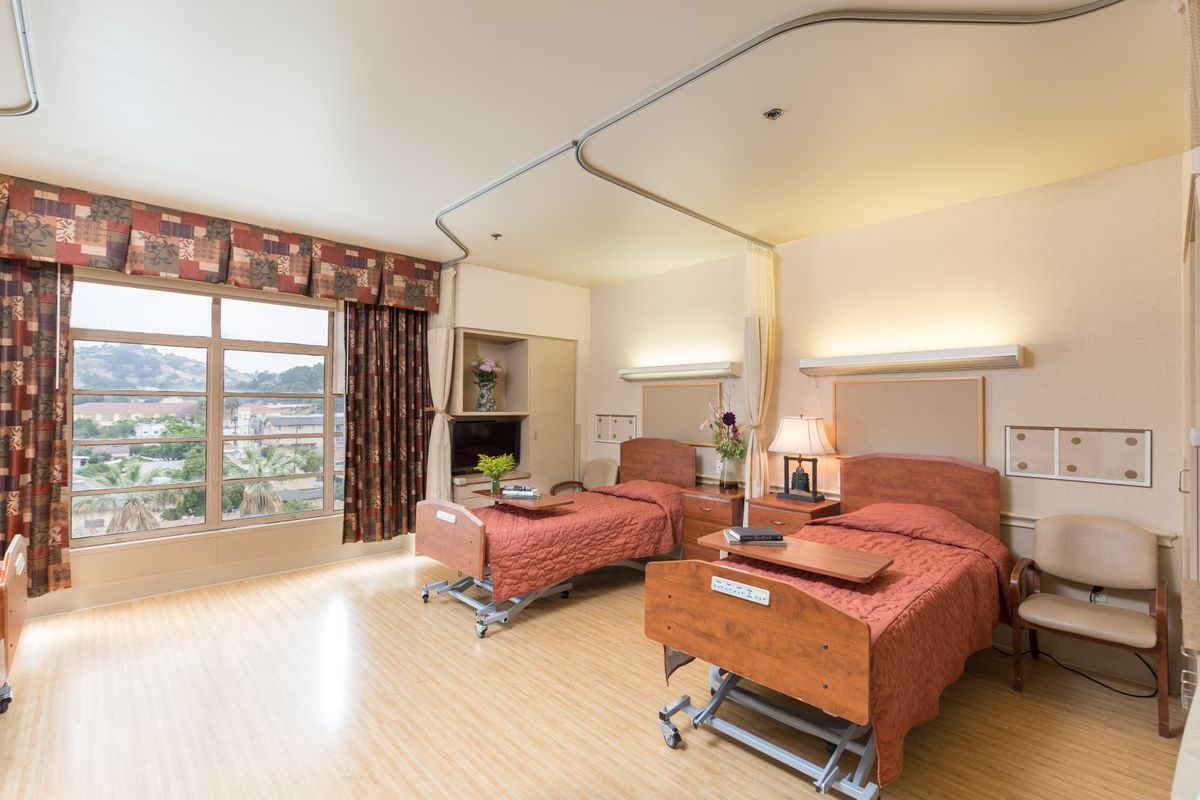
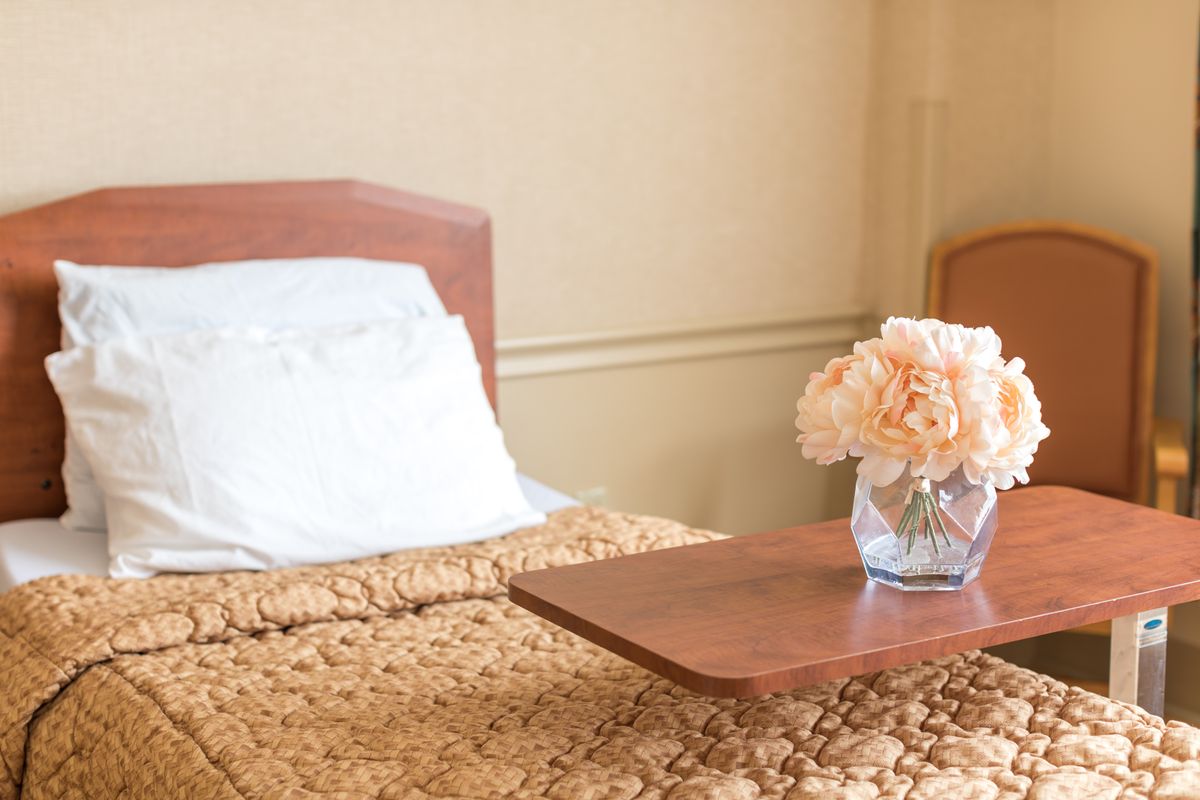
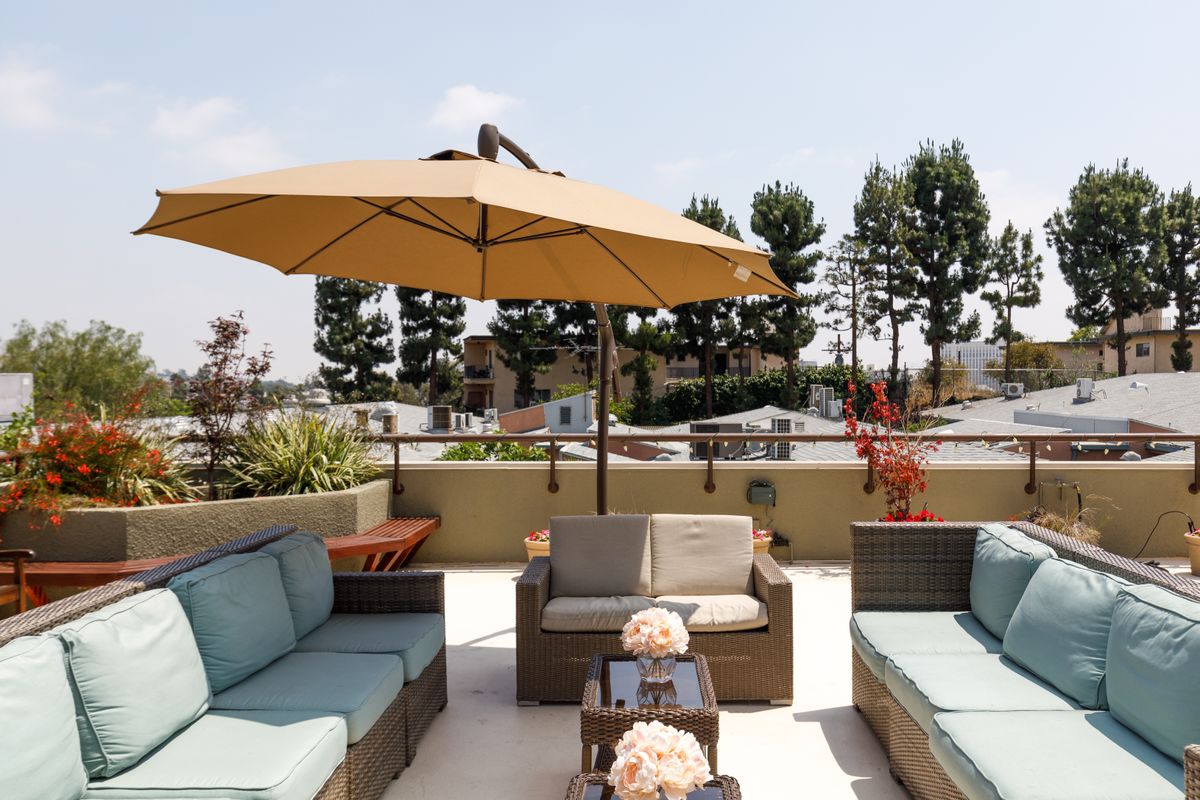
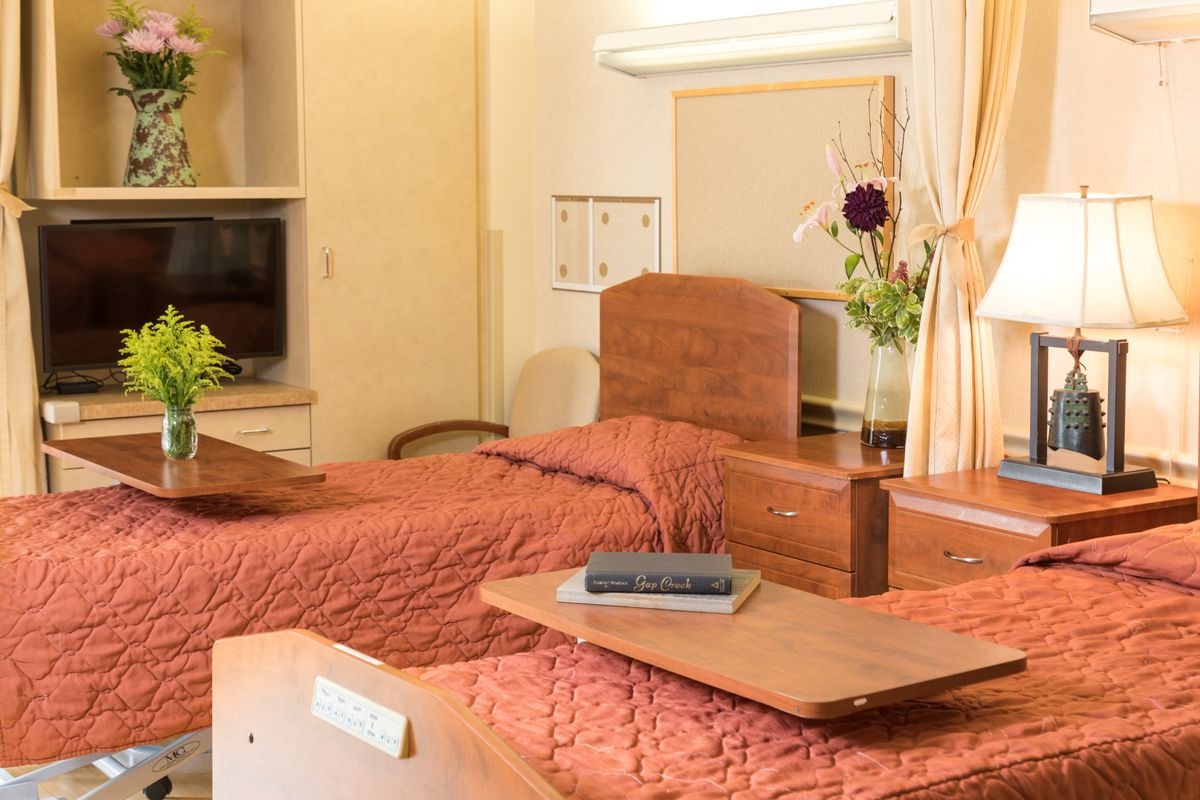
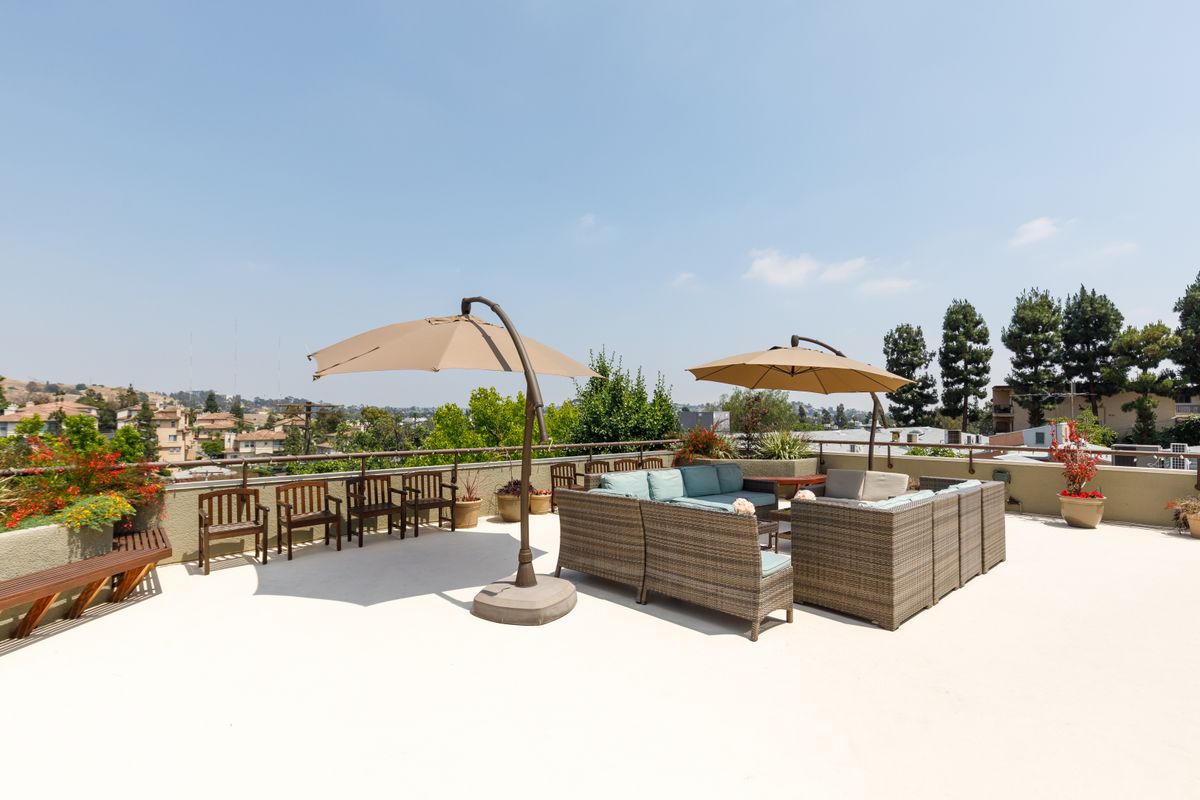
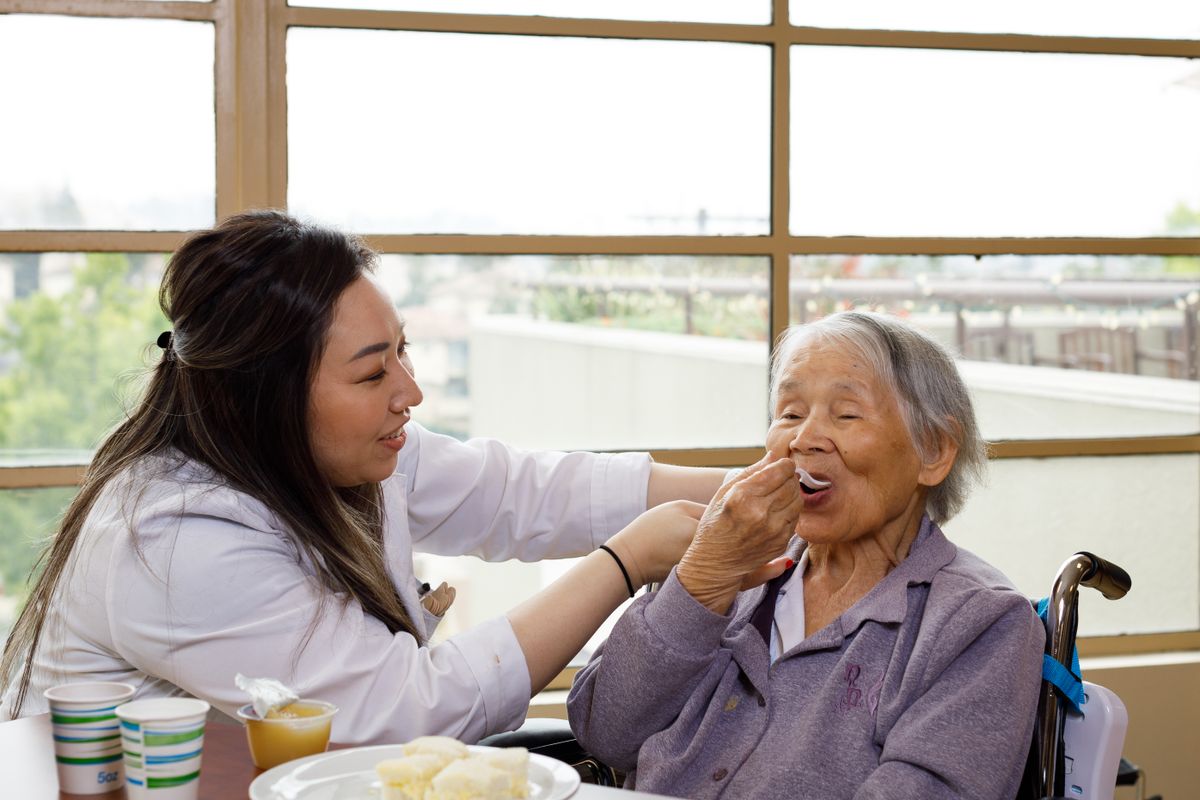
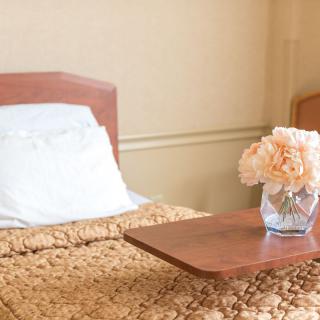
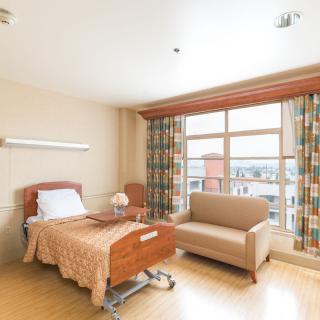
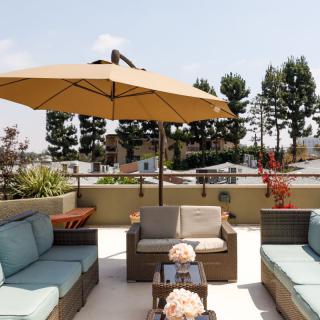
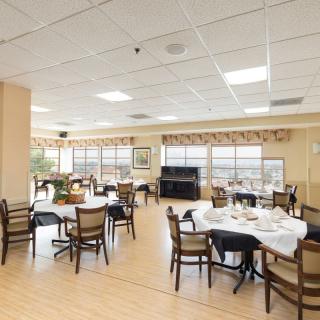
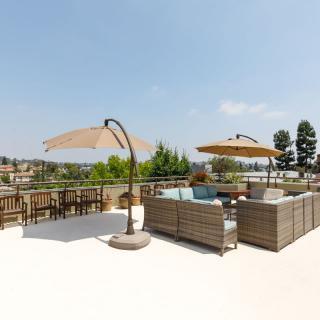
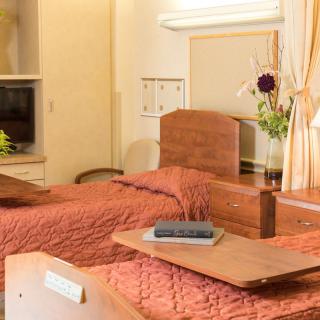
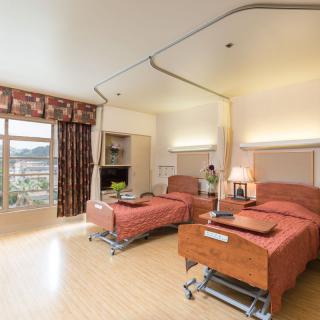
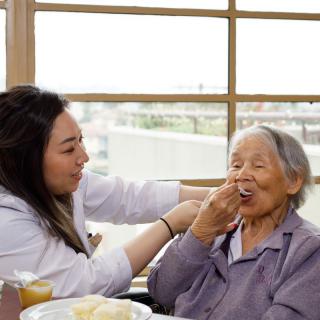
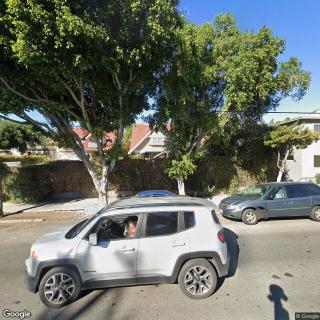
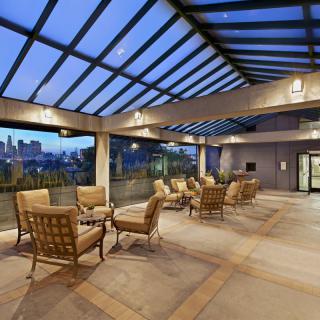
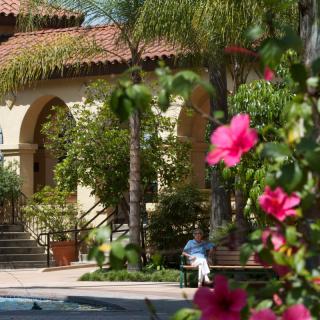
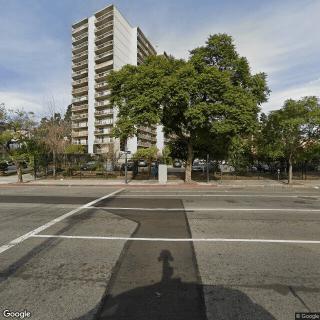
Kei-Ai Los Angeles Healthcare Center on seniors.fyi includes 14 photos including images showing dining, interior, healthcare, bedroom, windows, physical therapy, exercise equipment, outdoor, and more.
Nearby Communities
Kathy Manor Board & Care
Los Angeles, CA
Vibrant community with extensive nearby amenities.
Huntington Healthcare Center
Los Angeles, CA
3.3 from 24 reviews
High-quality, attentive care with a clean, well-maintained environment.
Crestview Lodge
Los Angeles, CA
Excellent access to a wide range of nearby amenities (cafes, restaurants, parks, theaters, pharmacies, hospitals) and transportation.
White Memorial Medical Center
Los Angeles, CA
4.5 from 120 reviews
Restaurant-style dining and 24/7 supervision with medication management in fully furnished apartments.
Jewel Care
Los Angeles, CA
5 from 4 reviews
Strong access to nearby amenities and healthcare.
Discovery 4
Los Angeles, CA
3.9 from 11 reviews
Diabetic care, engaging activities, and convenient access to nearby amenities.
Sakura Gardens of Los Angeles
Los Angeles, CA
4.8 from 119 reviews
$3,920 to $4,535 / month
Friendly, attentive staff; safe, clean facility with engaging activities and bilingual support.
Hollenbeck Palms, a CCRC
Los Angeles, CA
4.6 from 90 reviews
$3,000 to $10,717 / month
Friendly, attentive staff with compassionate care and well-maintained grounds, offering diverse living options and engaging activities.
Little Tokyo Towers
Los Angeles, CA
4.3 from 17 reviews
Pleasant park, varied dining, and strong 24/7 security.
Fecal incontinence, prevalent among older adults, arises from factors like weakened pelvic muscles and nerve damage, significantly affecting well-being and social interactions. Diagnosis involves clinical evaluation and tests to inform tailored treatments, while caregivers and preventive measures can aid in managing the condition effectively.
Anticipatory grief is an emotional response to the impending loss of a loved one, characterized by complex emotions such as sadness and anger, and involves navigating stages similar to those identified by Kübler-Ross. Coping strategies are vital for managing this process, emphasizing compassionate communication, self-care, and support groups while recognizing the cultural influences on grieving.
Adult day care programs offer essential support and activities for older adults, yet many hesitate to participate due to concerns about independence and stigma. To alleviate these apprehensions, families should facilitate open discussions, explore financial resources, suggest trial visits, and collaborate with healthcare providers to highlight the benefits of such services for both the participants and their caregivers.
Get PricingAsk A QuestionSchedule A TourContact Senior Advisor
By clicking submit, you agree to our Partner's Terms of Use. You
also consent to receive calls and texts, which may be autodialed, from our Partner. Your consent is not a condition to
using our Partner's service. Please visit our Partner's Privacy Policy for information about their privacy practices.




 300 resident community capacity
 Skilled Nursing Facility
 Air-conditioning
 Beauty salon
 Cable or satellite TV
 Computer center
 Continuing learning programs
 Dining room
 Family education and support services
 Fitness room
 Fully furnished
 Gaming room
 Garden
 Housekeeping services
 Kitchenette
 Move-in coordination
 Outdoor patio
 Outdoor space
 Private bathrooms
 Restaurant-style dining
 Small library
 Telephone
 Wellness center
 Wi-Fi/high-speed internet available
 Burbank-Glendale-Pasadena (13 miles away)
 Community operated transportation
 12-16 hour nursing
 24-hour call system
 Accept incoming residents on hospice
 Activities of daily living assistance
 Administer insulin injections
 Assistance with bathing
 Assistance with dressing
 Assistance with transfers
 Care with behavioral issues
 Diabetes diet
 Medication management
 Mental wellness program
 Mild cognitive impairment
 Physical therapy
 Same day assessments
 Special dietary restrictions
 Transportation arrangement (medical)
 Concierge services
 Planned day trips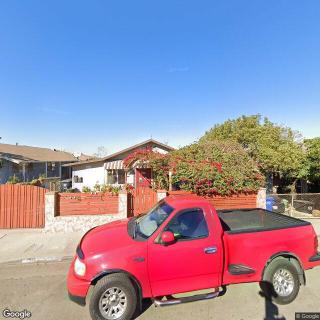
 Vibrant community with extensive nearby amenities.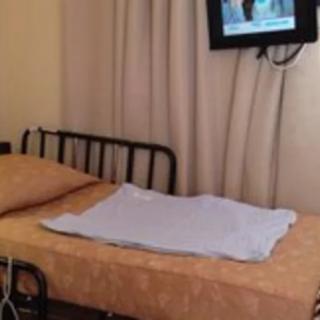

 Fecal Incontinence in Older Adults: A Comprehensive Guide
 Recognizing the Journey: Understanding and Navigating Anticipatory Grief
 Encouraging Participation in Adult Day Care: A Guide to Supporting a Hesitant Parent