
6070 West Pico Boulevard, Los Angeles, CA 90035
For more information about senior living options: (866) 208-4318
Country Villa Terrace Nursing Center Costs & Pricing
Country Villa Terrace Nursing Center offers private rooms at a competitive rate of $4,000 per month. This pricing is slightly below the average for Los Angeles County, where the monthly cost for similar accommodations is approximately $4,197. In comparison to the broader state average in California, which stands at around $3,939 for private room options, Country Villa's fees align closely with local rates while remaining affordable within the context of the region. Overall, residents and their families can find value in Country Villa's offerings when considering both county and state expenses in skilled nursing care.
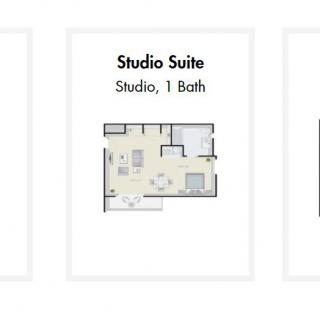
| Floor plans | Country Villa Terrace Nursing Center | Los Angeles County | California |
|---|---|---|---|
| Private | $4,000 | $4,197 | $3,939 |
Skilled Nursing Facilities with a similar price nearby
-
About the same

Sakura Gardens of Los Angeles
$3,920 to $4,535 / month8.8 miles away -
from -$350 / mo

Beverly Hills Carmel Retirement Hotel North
$3,650 to $6,250 / month1.5 miles away -
from -$460 / mo

Ararat Convalescent Hospital
$3,540 to $5,050 / month10.7 miles away -
from -$500 / mo
Windsor
$3,500 to $6,119 / month9.6 miles away -
from +$495 / mo

Oakmont of Whittier
$4,495 to $6,195 / month20.7 miles away
Overall Review of Country Villa Terrace Nursing Center
Pros
 The staff treated residents very well during their stay.
- Everyone was great.
- They recommend this place to everyone.
- They love this place.
- The facility and staff are highly regarded, and residents are well cared for.
- Michael Weiss has transformed this place into a little slice of heaven.
- The facility is impeccably clean and well maintained.
- The entrance staff's cheerfulness and safety precautions create a comforting environment.
- The nursing staff did everything to ensure residents were well cared for and comfortable.
- Nurse Tiffany Hall provided exceptional care and was a rock for the family.
- The social worker Nico Hernandez was responsive, informative and very helpful.
- The staff were well trained in quality patient care.
- The patio was scenic.
Cons
 The reviewer describes the facility as horrible and recounts a grandmother being given a cold bath by a mean nurse.
- The reviewer warns to avoid the residential accommodations, alleging staff do as they please and residents aren’t properly cared for (e.g., no showers, residents in stained clothes).
- It is claimed that neglect by one or two caregivers can compromise a resident’s health and safety.
- A missing mobility aid (tennis ball) and being told to buy replacements are cited as signs of neglect of basic maintenance.
- The meals are described as unappetizing (dried fish, cold cauliflower, tasteless pudding) and the rooms are very small.
- A prior review from years ago described unsanitary conditions, screaming residents, and a perceived lack of care.
Review
Country Villa Terrace Nursing Center is best suited for families seeking a combined skilled-nursing and assisted-living environment where medical management and staff attentiveness can shine, and where a refreshed, cleaner facility supports ongoing daily life. It works for residents who want active involvement from both family and care teams, and for those who prize a facility that has undergone remodeling and emphasizes a welcoming entrance and accessible common spaces. The positive edge comes from consistently warm staff interactions, visible care for residents, and a willingness from some team members to go the extra mile. This is not a homogenized experience, but for the right resident and family, the positives can be meaningful and tangible.
On balance, the strongest selling points are the people who show up every day. Several reviews highlight staff friendliness, effective communication with families, and hands-on nursing and rehabilitation care when it’s delivered well. When the leadership and front-line workers are aligned, residents receive attentive monitoring, timely assistance, and encouragement for activities that keep them engaged. Cleanliness and the ongoing remodeling also matter: a refreshed physical plant can reduce the sense of institutional dullness and support a more comfortable day-to-day routine. For families who can stay connected and advocate for consistent care, these elements translate into real, observable benefits.
Yet the narrative is far from uniform. A number of reviewers report serious lapses that cannot be ignored: allegations of neglect, missteps in daily care, and safety concerns for residents with memory impairment. Instances described range from care gaps in basic activities like bathing and dressing to missing assistive items and a stubborn reluctance to address equipment needs. Several families recount slow or inconsistent communication, conflicting information about a loved one’s progress, and paperwork delays that create anxiety for out-of-town guardians. There are also pointed warnings about the dementia-care environment, with warnings that some days resemble a hospital setting more than a secure, nurturing house, which raises questions for families relying on steady routines and predictable caregivers.
These pros and cons must be weighed against a backdrop of notable safety and reliability concerns. The most persuasive offsetting factor is the existence of compassionate, capable staff who can, on days when resources align, deliver high-quality care and clear family updates. The most compelling risk is inconsistency: when a few caregivers are responsive but others are not, or when essential routines slip or are delayed, the overall experience deteriorates quickly for residents with complex needs. For decision-making, this means potential residents should demand transparency about staffing ratios, supervision of aides, incident reporting practices, and how care plans are revised when medical conditions evolve. A thorough in-person evaluation is essential: observe a care moment, inquire about how staff communicate changes in condition, and verify how quickly concerns are escalated to the DON.
Alternatives become worth considering for families prioritizing consistent, dementia-sensitive care and robust family communication. If memory-care needs are prominent, seek communities with dedicated memory-care units, predictable staffing patterns, and a proven track record of preventing confusion and falls. For those who must coordinate care from out of state, demand a structured communication plan, regular progress notes, and guaranteed responses within a defined timeframe. Cost and value should be weighed against documented safety concerns; a facility can be a comfortable, well-maintained option that still fails on critical safety protocols, and in those cases, it makes sense to look for a partner with steadier, more transparent operations.
In the end, Country Villa Terrace can be a viable choice for families who prioritize personal, attentive care and a rehabilitative focus within a refreshed setting, provided due diligence is rigorous and expectations are clearly managed. The decision hinges on whether the day-to-day experiences of residents can be consistently aligned with the care goals, and whether family members are prepared to engage actively to ensure that standards hold across shifts and units. For many, the question is not whether the facility can perform well on a good day, but whether the steadiness of care and the reliability of communication can be guaranteed over the long term. If those assurances are uncertain, it is prudent to explore alternatives that prioritize unwavering safety, continuity, and dementia-informed support.
 49 resident community capacity
 Skilled Nursing Facility
 Activities on-site
 Beauty salon
 Cable or satellite TV
 Devotional services off-site
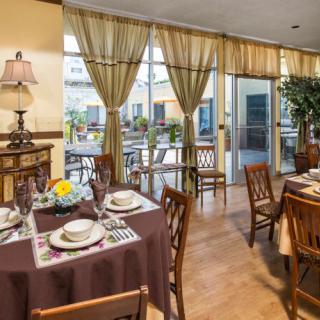
 Dining room
 Fully furnished
 Garden
 Housekeeping services
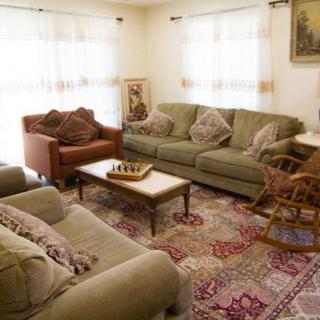
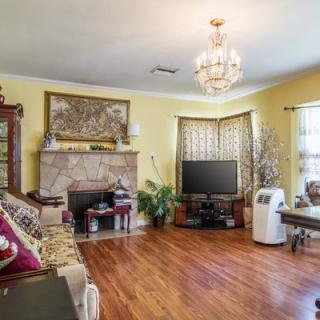
 Indoor common areas
 Kitchenette
 Move-in coordination
 Outdoor space
 Restaurant-style dining
 Small library
 Telephone
 Wi-Fi/high-speed internet available
 Los Angeles International (8 miles away)
 24-hour call system
 Ambulatory care
 Assistance with bathing
 Assistance with dressing
 Assistance with transfers
 Diabetes diet
 Diabetic care
 High acuity care
 Medication management
 Mental wellness program
 Special dietary restrictions





 Compassionate Conversations: How to Comfort Someone Who Is Grieving
 Home Health Care Aides: Understanding Their Role and Supporting Your Family
 Urinary Tract Infections in Older Adults: Comprehensive Insights on Symptoms, Treatment, and Prevention