






6050 W. Pico Blvd., Los Angeles, CA 90035
To contact a resident: (323) 653-5565
For more information about senior living options: (866) 208-4318
Country Villa Terrace Costs & Pricing
Country Villa Terrace offers competitive pricing for its care services, particularly when compared to the broader market in Los Angeles County and California as a whole. For semi-private rooms, Country Villa Terrace charges $2,500 per month, which is notably lower than the county average of $3,349 and the state average of $3,333. Similarly, their studio rooms are priced at $3,500, offering cost savings compared to the county's average of $4,172 and the state's average of $4,145. These rates position Country Villa Terrace as an economical option while maintaining quality care in a highly regarded area.
| Floor plans | Country Villa Terrace | Los Angeles County | California |
|---|---|---|---|
| Semi-Private | $2,500 | $3,349 | $3,333 |
| Studio | $3,500 | $4,172 | $4,145 |
Assisted Living communities with a similar price nearby
-
from -$300 / mo

Precious Someone Homecare
$2,200 to $3,300 / month18.1 miles away -
from +$250 / mo
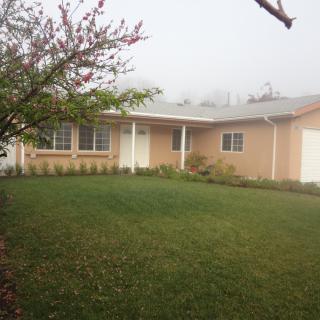
Dignity Care Home 1
$2,750 to $4,150 / month14.0 miles away -
About the same
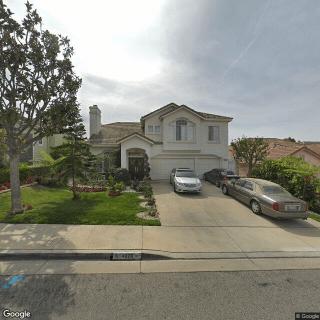
Eleanor's Residential Home
$2,500 to $6,000 / month3.9 miles away -
from +$300 / mo
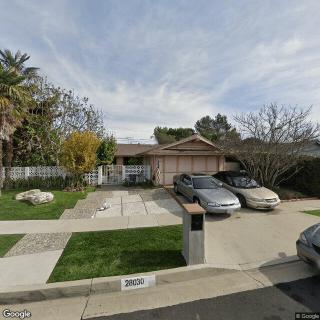
Angels Home Care
$2,800 to $3,800 / month18.9 miles away -
About the same
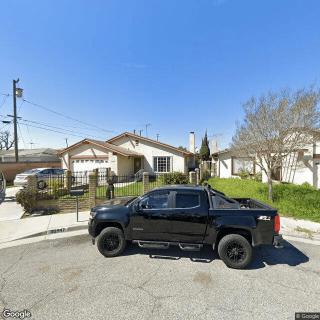
Abad Group Home - Harline Court Facility
$2,500 to $3,000 / month16.6 miles away
Overall Review of Country Villa Terrace
Pros
 Mom is adjusting well to living at Country Villa.
- The staff have made a comprehensive effort to care for mom.
- The nursing staff are friendly.
- They offer healthy food that is made fresh on site.
- The community is well taken care of and offers daily activities.
- The location is great with easy parking and friendly residents; on-site skilled nursing and care are a plus.
- The reviewer is grateful that mom has a place to live.
Cons
 There is an overwhelming smell of urine.
- Nurses should change diapers more often.
- The staff push her to do things she doesn't want to do, which causes her to act out.
- There are long hold times when trying to reach her.
- Items go missing and reappear in different places, and administration denies issues.
- It is not a friendly atmosphere for Christians.
- The food is mediocre.
Review
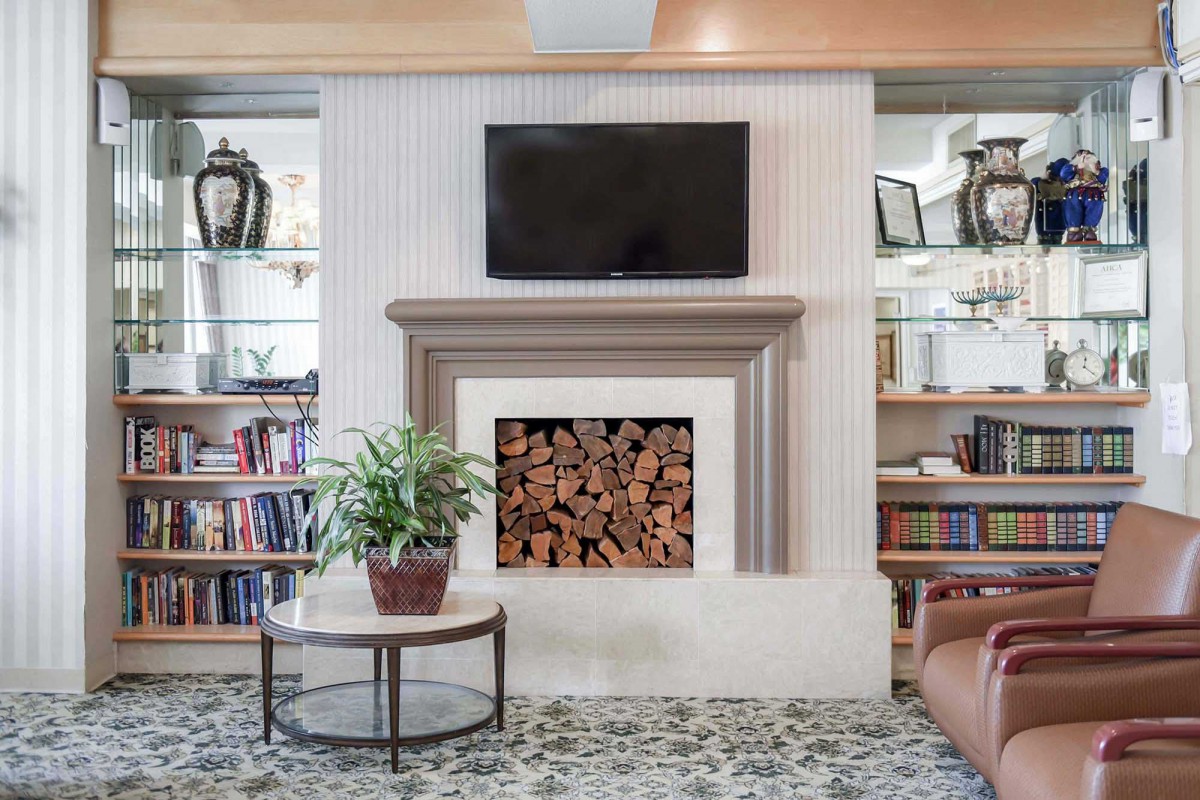
Country Villa Terrace in Los Angeles is best suited for seniors who want a dependable assisted living option with real on-site nursing and rehabilitation support, solid daily meals, and a practical, engaged community. It suits families seeking a location with easy parking, a walkable neighborhood feel, and renovated spaces you don’t have to pretend are luxurious to feel comfortable. The arrangement works for residents who can adapt to a community setting, appreciate on-site physical therapy and nursing care, and value a resident-led store and straightforward programming. It is not the pick for those chasing boutique ambiance or a highly polished, 5-star atmosphere. For the right person, this is a workhorse option that delivers steady, tangible benefits.
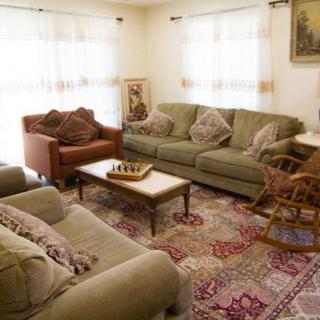
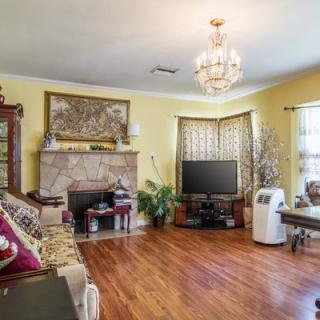
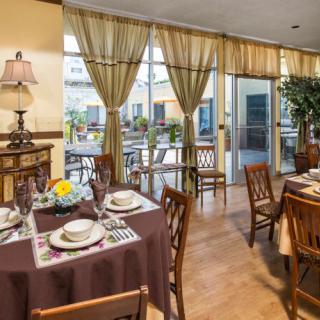
The strongest positives center on staff reliability and daily life practicality. Nursing and caregiving staff are consistently described as friendly and caring, with on-site nursing care and physical therapy available, which can ease transitions from hospital stays or acute care. Fresh, on-site meals and dietitian-planned menus add a nutritional reliability that families notice and appreciate. The community has a visible sense of life and activity, with daily programming, a general store run by a long-tenured resident, and renovations that improve common areas. Being able to furnish studios for move-in or to accommodate a familiar layout also lowers the stress of relocation. Overall, the facility project a respectful, homey core that families value when trust and continuity matter.
However, several meaningful drawbacks temper those strengths. The strongest red flag is odor-related quality concerns, with at least one reviewer describing an overwhelming urine smell that undermines perceived cleanliness. Related maintenance issues surface in communication gaps, multiple calls can be on hold for long periods, and some families report not receiving timely updates about their loved ones. Care transitions can be rough, as one relative notes, with a sense that staff push residents into activities they may resist, leading to occasional friction or behavioral pushback. Limited room types, only studios being available at times, can force compromises, and for some families the lack of a broader atmosphere or more expansive social spaces reduces perceived value. There are also whispers of items going missing and a sense that the administrative response to concerns is not always proactive, which erodes confidence for those relying on consistent oversight.
These pros and cons don’t cancel each other out; they offset in a practical calculus. The on-site medical and rehabilitative services, clear meal planning, and ongoing social programming address core needs in a mid-range setting, making long days livable and safer for residents who don’t require intense medical supervision. The recent renovations enhance comfort and safety, while the convenient location and parking reduce daily logistics stress for families. Yet the odor and cleanliness concerns, communication gaps, and occasional questions about how disputes are handled remind families to temper expectations. For a family weighing options, the facility delivers dependable day-to-day life with enough medical capability to offset moderate needs, but it demands vigilance in monitoring cleanliness, responsiveness, and resident autonomy.
Alternatives become attractive for families chasing different priors. If pristine cleanliness and a strongly welcoming atmosphere matter most, or if family requires transparent, frequent updates and a more responsive communication culture, other communities may fit better. If the resident prioritizes a more upscale look, stricter control over activities, or a facility culture that explicitly centers a faith-based environment, consider options that foreground those attributes. For those whose loved one has higher medical needs, complex medication regimens, or memory-care requirements, a community with a more specialized design and staffing model may prove more suitable. In short, this is a solid choice for practical, steady care; alternatives serve well for those pursuing luxury, tight-knit culture, or enhanced transparency.
In closing, the practical decision is to visit with a concrete checklist: observe cleanliness and odor control in common areas and rooms, confirm current staffing levels and nurse availability, request a real sample menu and a therapy schedule, and ask for a candid plan on family communications and updates. Probe the admissions team about room availability beyond studios, clarify any concerns about item security, and request references from current families. If the profile matches, engaged staff, real rehab services, reliable meals, and a grounded community, Country Villa Terrace can be a sound, no-nonsense home. If not, this is precisely where alternatives should be explored with speed and clarity.
 Assisted Living
 Activities off-site
 Air-conditioning
 Bath tubs
 Beautician on-site
 Devotional services on-site
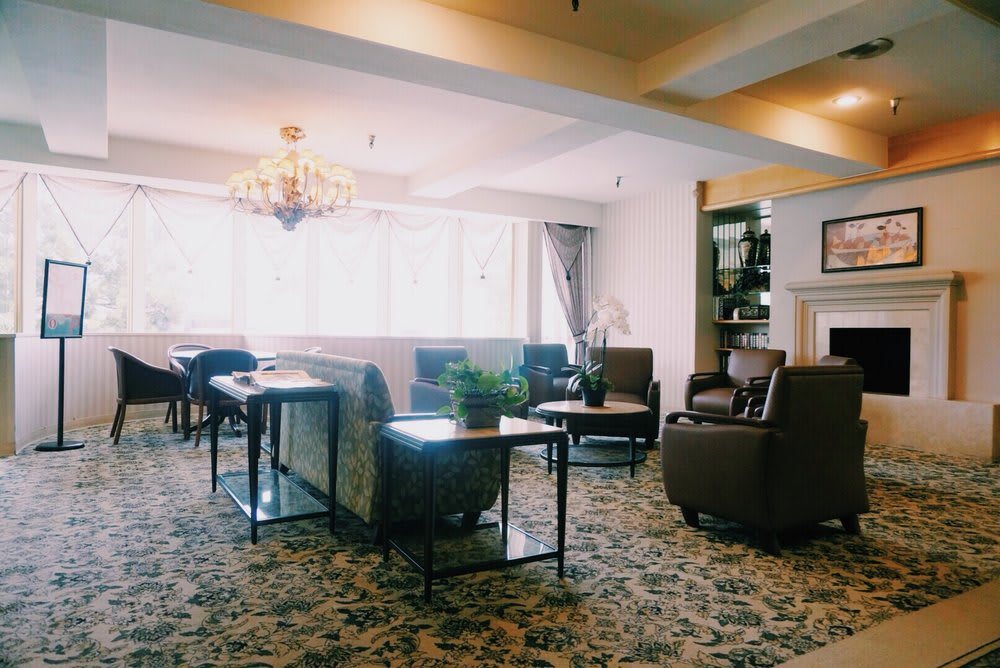
 Indoor common areas
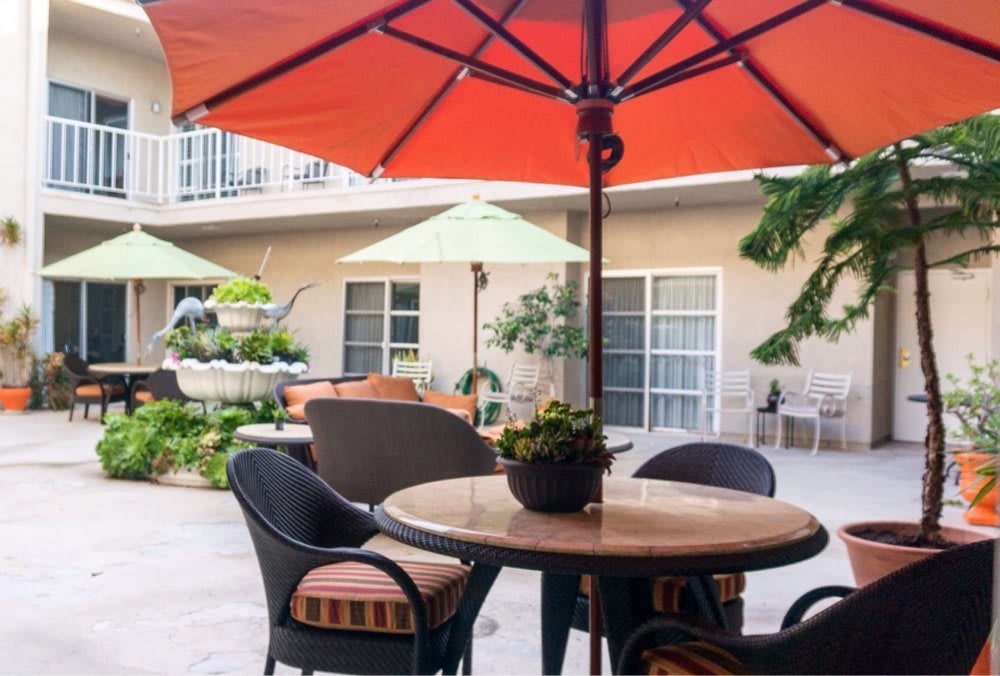
 Outdoor common areas
 Wheelchair accessible showers
 Wi-Fi/high-speed internet available
 Los Angeles International (8 miles away)
 Diabetic care
 Incontinence care
 Medication management
 Kosher
 BBQs or picnics
 Birthday parties
 Catholic services
 Day trips and outings
 Jewish services
 Live dance or theater performances
 Live musical performances
 Trivia games




 Beyond the Bingo Hall: 50+ Enriching Activities for Seniors in Assisted Living
 Understanding the Distinctions: Assisted Living and Memory Care Explained
 Guiding Elderly Parents Who Refuse Assisted Living: 6 Practical Steps