Flower Villa

1480 South La Cienega Bl, Los Angeles, CA 90035

For more information about senior living options: (844) 490-3973

4 from 6 reviews
5 stars
4
4 stars
0
3 stars
1
2 stars
0
1 stars
1

Skilled Nursing Facility

Overall Review of Flower Villa

Pros

  • pro The hospice is described as a little gem.
  • pro The staff are kind and dedicated.
  • pro The clients are valued.
  • pro The care is consistent.
  • pro The family is forever grateful to them.

Cons

  • pro The staff's behavior was unacceptable.
  • pro A staff member hung up on the caller immediately after the issue was explained.
  • pro The staff's conduct on the calls was extremely rude and unprofessional.

Review

In the world where comfort and care are meant to ease difficult days, the experiences shared about this hospice reveal a complex picture. On one hand, there is a bright note of praise that suggests a place where kindness, dedication, and steady, respectful care can shine through. On the other hand, a troubling first-hand account raises concerns about how a single interaction can cast a shadow over an entire organization. Taken together, these voices illustrate how personal moments can color the perception of a care facility in profound ways, and they invite reflection on what true, reliable service in end-of-life care should look like.

The most jarring part of the negative experience centers on a phone call that did not go as it should. The reviewer describes a troubling sequence: "The man who answered hung up on me immediately after I explained my issue." When the caller attempted to reconnect and say hello on a second call, the same abrupt, dismissive pattern repeated itself - "he hung up again as soon as I said hello." The reviewer does not merely fault a momentary lapse in courtesy; they characterize the behavior as "extremely rude and unprofessional." The immediacy of the hang-ups, the sense that the caller's concern was dismissed before being heard, and the impact on someone seeking help in a fragile moment all combine to create a powerful impression of poor handling and a breakdown in basic courtesy.

Yet just as quickly as these criticisms arise, a much warmer portrait stands out from another perspective. The hospice is described with affection and admiration: "This place is a little gem." In this voice, the staff are characterized as "kind and dedicated," a description that goes beyond mere competence to touch on heartfelt commitment. The reviewer emphasizes that "the clients are valued," signaling a culture that honors the dignity of those receiving care. The sense of reliability is reinforced by the claim that "the care is consistent," suggesting an ongoing standard of practice and attitude that families can depend on. Above all, the closing sentiment - "Our family is forever grateful to them" - renders the care into a lasting memory of support and appreciation.

These two experiences sit side by side in the same broad context of hospice care, inviting readers to consider how a facility can be perceived in markedly different ways by different people. The negative incident foregrounds the fragility of trust, especially at a moment when people are reaching out for assistance and reassurance. In hospice work, where fear, uncertainty, and grief are common threads, a single rude moment on a phone line can feel like a rupture in the broader system of care. It highlights how essential respectful, responsive communication is to maintaining confidence and ensuring that families feel heard and supported.

At the same time, the strong, positive description offers a compelling counter-narrative: a place where staff warmth, dedication, and a sense of value placed on each client can create a stabilizing, compassionate environment. When a reviewer says that the staff are kind and dedicated and that care is consistent, it suggests a culture of attentiveness that can make difficult days more bearable and more dignified. The gratitude expressed - "Our family is forever grateful to them" - spoken in the same breath as praise for the facility's consistency, paints a portrait of a hospice that, at its best, can be a steady source of comfort, guidance, and humanity for families navigating one of life's most challenging journeys.

Together, these perspectives underscore a fundamental truth about healthcare experiences: care is multifaceted and judged not just by outcomes, but by everyday interactions and the tone set in moments of contact. A compassionate nurse, a careful caregiver, and a steady routine can create a sanctuary of comfort, even as a single misstep in communication - an abrupt phone handler, a moment of unhearing - can cast doubt and sting. The hospice in question appears to embody both realities, offering a vivid reminder that excellence in care hinges not only on skills and protocols but also on the gravity with which every line, call, or greeting is treated.

For families and patients, the takeaway is twofold. First, it reinforces the importance of demanding and sustaining professional, empathetic communication at every point of contact. Second, it celebrates what well-delivered care can feel like: a place that treats clients as valuable, maintains consistency in its routines, and leaves families with lasting gratitude. The contrast between the troubling phone experience and the glowing endorsement of staff and care highlights that real-world care is a mosaic, built from many small moments that collectively shape trust and comfort in the most personal of times.

In the end, the story here is not a single verdict but a portrait of a hospice that can inspire deep appreciation while also revealing an opportunity for improvement. The existence of a "little gem" alongside a report of unprofessional conduct on the phone suggests that the organization has meaningful strengths to build on - kindness, dedication, and consistent care - while reminding leadership and staff that every avenue of communication matters. Addressing even a single negative interaction with the same care and seriousness as a difficult medical decision could transform a mixed reputation into a consistently trusted haven for families in need.

Features

Housing

  • 41 resident community capacity 41 resident community capacity

Types of Care

  • Skilled Nursing Facility Skilled Nursing FacilitySkilled Nursing Facilities are crucial for seniors as they provide round-the-clock medical care, rehabilitation services, and assistance with daily activities. These facilities ensure that seniors receive the specialized care they need to maintain their health and well-being as they age.

Amenities

  • Beauty salon Beauty salonBeauty salons are important for seniors because they provide a space for them to feel pampered, socialize, and maintain their personal grooming and hygiene. Regular visits to a beauty salon can help boost seniors' self-esteem and overall well-being.
  • Cable or satellite TV Cable or satellite TVCable or satellite TV is important for seniors because it provides entertainment, news, and companionship, helping to combat loneliness and boredom. It also offers a wide range of programming options tailored to different interests and preferences.
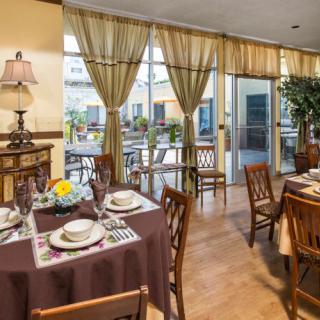
  • Dining room Dining roomDining rooms are important for seniors as they provide a space for socialization, connection, and nutritious meals. They offer opportunities for residents to bond over shared meals, foster a sense of community, and promote healthy eating habits. Dining rooms also ensure that seniors have access to well-balanced meals tailored to their dietary needs and preferences.
  • Fully furnished Fully furnishedFully furnished senior living communities are important for seniors because they provide convenience, comfort, and a hassle-free moving experience. Seniors can easily settle into their new living space without the stress of having to buy and move furniture. This allows them to focus on enjoying their new home and community.
  • Garden GardenGardens are important for seniors as they provide a peaceful and therapeutic environment for relaxation, physical activity, and socialization. Being in nature has been shown to reduce stress, improve mood, and promote overall well-being. Gardens also offer opportunities for seniors to engage in gardening activities, which can improve mobility, flexibility, and cognitive function. Additionally, gardens create a sense of community and connection with others who share a passion for plants and outdoor spaces.
  • Housekeeping services Housekeeping servicesHousekeeping services are important for seniors because they help maintain a clean and safe living environment, promote independence, and reduce the risk of accidents or illnesses. Additionally, having assistance with household chores can alleviate physical strain and allow seniors to focus on other aspects of their well-being.
  • Kitchenette KitchenetteKitchenettes are important for seniors living in senior living communities because they provide the convenience and independence of being able to prepare simple meals and snacks in the comfort of their own living space. This can help promote a sense of autonomy and well-being for seniors, allowing them to maintain some level of control over their dietary choices and daily routines.
  • Move-in coordination Move-in coordinationMove-in coordination is important for seniors because it helps ease the transition into their new living environment. It ensures that all logistics, such as packing, organizing movers, and setting up utilities are taken care of, allowing seniors to focus on settling in and adjusting to their new home. Having a smooth move-in process can alleviate stress and anxiety, making the transition smoother and more enjoyable for seniors.
  • Outdoor space Outdoor spaceOutdoor spaces are important for seniors as they provide opportunities for physical activity, social interaction, exposure to natural light and fresh air, and a sense of connection to nature. Having access to outdoor spaces can improve overall well-being and quality of life for older adults living in senior communities.
  • Restaurant-style dining Restaurant-style diningRestaurant-style dining is important for seniors because it allows them to enjoy delicious, nutritious meals in a social and upscale setting. This enhances their dining experience, promotes healthy eating habits, and fosters socialization with fellow residents, ultimately contributing to their overall well-being and quality of life.
  • Small library Small librarySmall libraries are important for seniors as they provide access to a variety of reading materials, including books, newspapers, and magazines. This can help stimulate their minds, keep them engaged, and provide a sense of community through book clubs and other social activities. Additionally, reading has been shown to improve cognitive function and overall mental well-being in older adults.
  • Telephone TelephoneTelephones are important for seniors as they provide a lifeline for communication with loved ones, emergency services, and healthcare providers. They offer a sense of security and independence, enabling seniors to stay connected and access assistance when needed.
  • Wi-Fi/high-speed internet available Wi-Fi/high-speed internet availableWi-Fi/high-speed internet is important for seniors to stay connected with loved ones, access online resources, and participate in virtual activities to combat feelings of loneliness and isolation. It also allows them to easily manage healthcare needs, access entertainment, and engage in lifelong learning opportunities.

Transportation

  • Los Angeles International (8 miles away) Los Angeles International (8 miles away)
  • Burbank-Glendale-Pasadena (10 miles away) Burbank-Glendale-Pasadena (10 miles away)
  • Long Beach (Daugherty) (21 miles away) Long Beach (Daugherty) (21 miles away)

Care Services

  • 24-hour call system 24-hour call system24-hour call systems are important for seniors because they provide peace of mind and immediate assistance in case of emergencies. This technology ensures that help is always available, promoting safety and security for elderly individuals living alone or in assisted living facilities.
  • 24-hour supervision 24-hour supervision24-hour supervision is important for seniors to ensure their safety, well-being, and access to immediate assistance in case of emergencies or health issues. This constant support provides peace of mind for both seniors and their loved ones, allowing them to age in place with dignity and security.
  • Activities of daily living assistance Activities of daily living assistanceActivities of daily living assistance are important for seniors because they provide essential support with tasks such as eating, bathing, dressing, and mobility. This assistance helps seniors maintain their independence, dignity, and overall quality of life as they age.
  • Assistance with bathing Assistance with bathingAssistance with bathing is crucial for seniors as it helps maintain personal hygiene, prevents infections, and ensures their overall well-being and comfort. It also provides a sense of dignity and independence for seniors who may struggle with this task on their own.
  • Assistance with dressing Assistance with dressingAssistance with dressing is important for seniors because it helps maintain their independence, promotes personal hygiene, prevents accidents and injuries, and improves overall quality of life. This service ensures that seniors can continue to dress comfortably and confidently, despite any physical limitations they may have.
  • Assistance with transfers Assistance with transfersAssistance with transfers is crucial for seniors as it helps prevent falls and injuries, maintains their independence, and ensures they can safely navigate their living environment. It also provides peace of mind for both seniors and their loved ones.
  • Diabetes diet Diabetes dietA diabetes diet is crucial for seniors as it helps manage blood sugar levels, reduce risks of complications, and improve overall health and well-being. By following a balanced and nutritious diet tailored to their specific needs, seniors can better control their diabetes and enhance their quality of life.
  • Meal preparation and service Meal preparation and serviceMeal preparation and service are crucial for seniors as they may have limited mobility or energy to cook nutritious meals. Having access to healthy and convenient food options can ensure they are getting the proper nutrition needed to maintain their overall health and well-being.
  • Medication management Medication managementMedication management is crucial for seniors to ensure they are taking the right medications at the correct dosages and times. This helps prevent adverse drug interactions, reduces the risk of medication errors, and promotes overall health and well-being. Proactive management also allows for adjustments as needed based on changing health conditions or new prescriptions.
  • Mental wellness program Mental wellness programMental wellness programs are essential for seniors as they promote cognitive stimulation, emotional support, and social engagement. These programs help prevent isolation, depression, and cognitive decline, ultimately enhancing the overall quality of life for older adults.
  • Special dietary restrictions Special dietary restrictionsSpecial dietary restrictions are important for seniors because age-related changes in metabolism and health conditions can make it difficult for their bodies to process certain foods. By following a diet tailored to their specific needs, seniors can maintain their overall health and well-being, manage chronic conditions, and reduce the risk of complications such as malnutrition or food interactions with medications.

Dining

  • Diabetes diet Diabetes dietA diabetes diet is crucial for seniors as it helps manage blood sugar levels, reduce risks of complications, and improve overall health and well-being. By following a balanced and nutritious diet tailored to their specific needs, seniors can better control their diabetes and enhance their quality of life.
  • Special dietary restrictions Special dietary restrictionsSpecial dietary restrictions are important for seniors because age-related changes in metabolism and health conditions can make it difficult for their bodies to process certain foods. By following a diet tailored to their specific needs, seniors can maintain their overall health and well-being, manage chronic conditions, and reduce the risk of complications such as malnutrition or food interactions with medications.

Activities

  • Community-sponsored activities Community-sponsored activitiesCommunity-sponsored activities are important for seniors as they provide opportunities for social interaction, mental stimulation, and physical activity. These activities can help improve overall well-being, combat loneliness and isolation, and promote a sense of belonging and purpose among older adults.
  • Resident-run activities Resident-run activitiesResident-run activities are important for seniors as they encourage social interaction, creativity, and a sense of autonomy. These activities empower seniors to stay engaged and active in their community while fostering meaningful connections with their peers.
  • Scheduled daily activities Scheduled daily activitiesScheduled daily activities are important for seniors because they provide structure, socialization, mental stimulation, and physical activity. Engaging in regular activities can improve overall well-being and quality of life for seniors living in a community setting.

Description

Flower Villa, located in Los Angeles, CA, is a premier assisted living community that offers a wide range of amenities and care services to ensure the comfort and well-being of its residents.

The community provides beautifully designed apartments that are fully furnished, complete with cable or satellite TV and Wi-Fi/high-speed internet access. Each apartment also features a kitchenette and dining room for residents to enjoy meals in the privacy of their own space.

Outside the apartments, residents can take advantage of the lush garden and outdoor spaces, perfect for relaxation or socializing with friends and family. Flower Villa also offers housekeeping services to ensure that residents have a pristine living environment.

Residents at Flower Villa receive exceptional care services from a dedicated staff that is available 24 hours a day. Assistance with activities of daily living such as bathing, dressing, and transfers are provided to promote independence and enhance quality of life. Medication management is also available to ensure that residents receive their medications accurately and on time.

The community takes pride in its focus on mental wellness, offering a specialized program designed to support the cognitive health and emotional well-being of its residents.

Dining at Flower Villa is tailored to meet individual dietary needs. Special dietary restrictions are accommodated by the experienced culinary team who prepare delicious meals according to each resident's specific requirements.

Residents are encouraged to stay active and engaged through a variety of resident-run activities and scheduled daily activities organized by the community. Whether it's pursuing personal hobbies in the small library or participating in group outings or events, there is always something exciting happening at Flower Villa.

Conveniently located near various amenities, such as cafes, parks, pharmacies, physicians' offices, restaurants, places of worship, theaters, and hospitals; Flower Villa ensures that residents have easy access to everything they need within close proximity.

Overall, Flower Villa offers a vibrant lifestyle combined with excellent care services for seniors seeking a comfortable and enriching assisted living experience.

Nearby Places of Interest

Pharmacies

  • CVS Pharmacy (0.3 miles)
  • Walgreens (0.5 miles)
  • Kaiser WLA Pharmacy (0.8 miles)
  • CVS Pharmacy (1.3 miles)
  • CVS Pharmacy (1.4 miles)
  • CVS Pharmacy (1.6 miles)
  • CVS Pharmacy (1.7 miles)

Hospitals

  • Kaiser Permanente West Los Angeles Medical Center (0.8 miles)

Restaurants

  • Chick-Fil-A (0.9 miles)
  • Berri's Pizza Cafe (1.5 miles)
  • Urth CaffĂ©-Beverly Hills (1.6 miles)
  • The Honor Bar (1.7 miles)
  • Monsieur Marcel Gourmet Market (1.7 miles)
  • The Ivy (1.8 miles)
  • The Boulevard (1.8 miles)

Cafes

  • Joan's on Third (1.5 miles)
  • Verve Coffee Roasters (1.6 miles)
  • Blue Bottle Coffee (1.7 miles)
  • Alfred Coffee Beverly Hills (2.1 miles)
  • Verve Coffee Roasters (2.2 miles)
  • Starbucks (2.2 miles)
  • Alfred Coffee & Kitchen (2.3 miles)

Parks

  • Roxbury Memorial Park (1.8 miles)
  • Pan Pacific Park (2.1 miles)
  • Beverly Gardens Park (2.2 miles)
  • Plummer Park (3.2 miles)
  • Kenneth Hahn State Recreational Area (3.9 miles)
  • Westwood Park (4 miles)
  • Runyon Canyon Park (4.1 miles)

Theaters

  • AMC The Grove 14 (1.8 miles)
  • AMC Century City 15 (2.5 miles)
  • TCL Chinese Theatre (4.1 miles)

Places of Worship

  • King Fahad Mosque (3.4 miles)

Physicians

  • UCLA Stein Eye Institute Westwood (4 miles)
  • Kaiser Permanente Culver Marina Medical Offices (4.5 miles)

Frequently Asked Questions

Where is Flower Villa?

Nearby Communities

Related Resources

  • non medical home careExploring Nonmedical Home Care: Understanding Services, Costs, and Financial Approaches

    Nonmedical home care provides assistance with daily activities and companionship for individuals wishing to maintain independence and quality of life at home, without medical intervention. Its growing popularity is driven by an aging population, the need for supportive environments for recovery, and the emotional benefits of caregiver companionship, while costs vary based on service frequency and location.

  • brain games for seniorsEngaging Brain Games and Innovative Apps to Keep Senior Minds Active
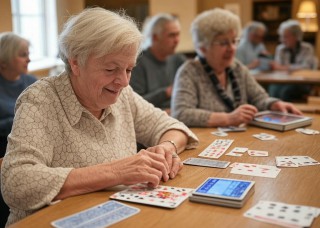
    Maintaining cognitive fitness through engaging in various brain games, both traditional and digital, is crucial for seniors as it enhances memory retention, problem-solving abilities, and emotional well-being while helping to protect against age-related decline. A holistic approach that includes diverse activities, physical exercise, a balanced diet, and social interaction further supports mental health and cognitive function.

  • brain games for seniorsEffective Strategies for Keeping Seniors' Minds Active: A Deep Dive into Brain Games and Apps

    The article outlines strategies for keeping seniors' minds active through brain games and apps, highlighting the importance of cognitive exercises, social engagement, and a healthy lifestyle in combating cognitive decline. It emphasizes the benefits of various types of games and offers practical tips for maintaining mental wellness through enjoyable activities while acknowledging their limitations.