

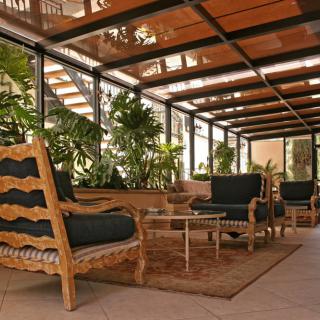
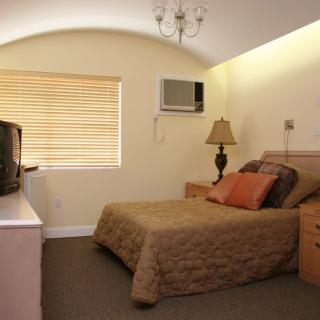
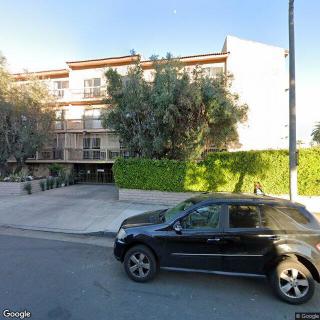
1019 South Wooster Street, Los Angeles, CA 90035
For more information about senior living options: (866) 208-4318
Beverly Hills Loving Care Costs & Pricing
Beverly Hills Loving Care offers competitive pricing for its residents, particularly when compared to the broader landscape of Los Angeles County and California as a whole. For a semi-private room, the monthly fee is an attractive $1,800, significantly lower than the county average of $3,349 and the state average of $3,333. Similarly, the studio option at Beverly Hills Loving Care is priced at $2,000 per month, which again stands out against both the county's average of $4,172 and the state's rate of $4,145. These favorable rates underscore Beverly Hills Loving Care's commitment to providing quality care that remains accessible within an increasingly expensive market.
| Floor plans | Beverly Hills Loving Care | Los Angeles County | California |
|---|---|---|---|
| Semi-Private | $1,800 | $3,349 | $3,333 |
| Studio | $2,000 | $4,172 | $4,145 |
Assisted Living communities with a similar price nearby
-
from -$300 / mo
Sunnyside Res. Assist. Living For The Elderly
$1,500 to $6,357 / month12.4 miles away -
from -$200 / mo
Laigo-Zanders Home for the Elderly
$1,600 to $2,000 / month24.4 miles away -
About the same
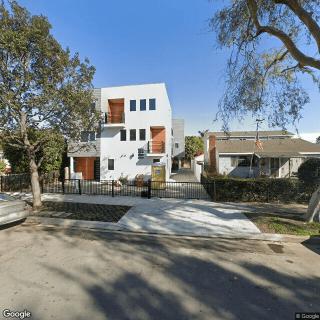
Gracie's Residential Care
$1,800 to $2,500 / month4.5 miles away -
from +$200 / mo

Primrose 2
$2,000 to $2,500 / month16.1 miles away -
from +$200 / mo
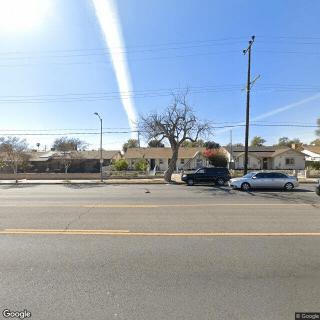
Primrose
$2,000 to $2,500 / month16.1 miles away
Overall Review of Beverly Hills Loving Care
Pros
 They are grateful for the care and support provided to their father.
- They praise the great staff and management at Beverly Hills Loving Care.
- The facility is nice and the people who run it are nice.
- The facility is very cozy and familiar.
- The place is described as perfect for the elderly.
- The reviewer would recommend Beverly Hills Loving Care to others.
Cons
 The reviewer was disappointed by how the staff cared for the residents.
- The dining room was filled with huge flies.
- A caretaker angrily yelled at a resident for asking for cereal.
- The food looked old and was served on cheap paper plates, and after dinner the cereal tasted horrible while flies covered the dining room.
- There is no central air conditioning in the building; each room has old, loud individual air conditioners.
- The staff were not friendly and did not seem to care about the guests.
- A guest pays $3,000 per month, yet there is no central air conditioning and there are flies in the dining room.
- The reviewer warned others not to trust the management.
Review
Beverly Hills Loving Care is best suited for families seeking a small, home-like environment in Los Angeles where caregivers build real relationships with residents and deliver steady, personal attention. It serves seniors who prize warmth, routine, and a sense of community over high-end amenities or clinical polish. In practical terms, this community works when the priority is daily caregiving consistency, familiar routines, and a staff that feels approachable and engaged, rather than pristine finishes or flawless dining.
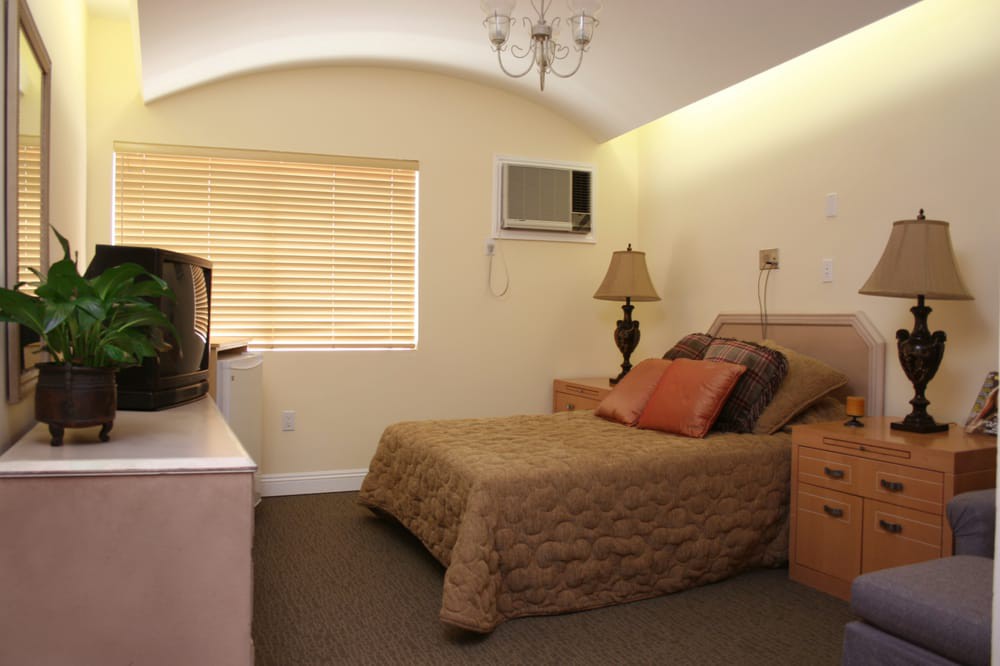
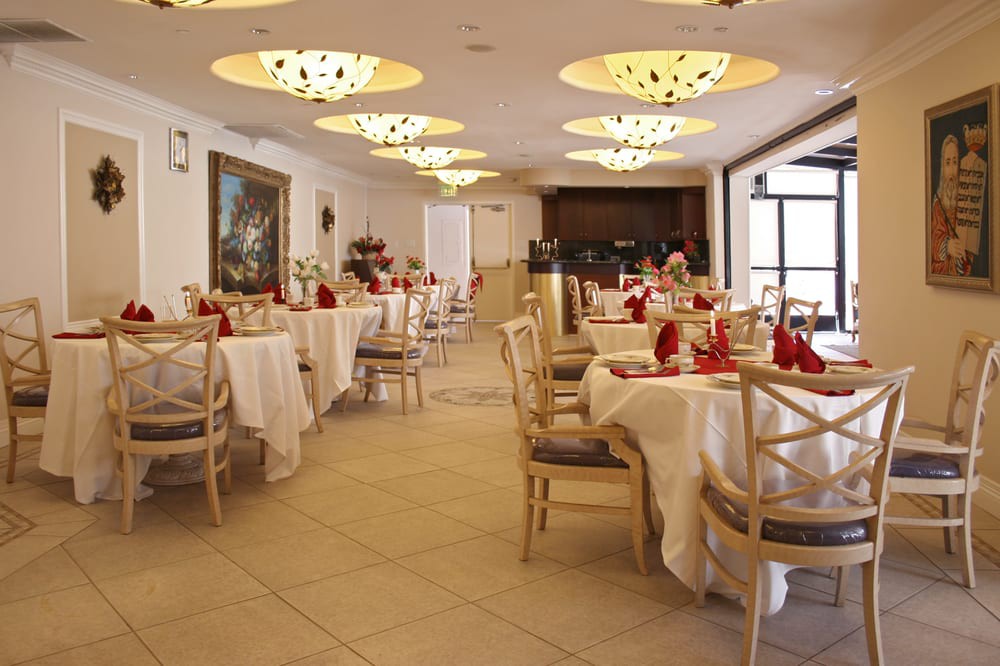
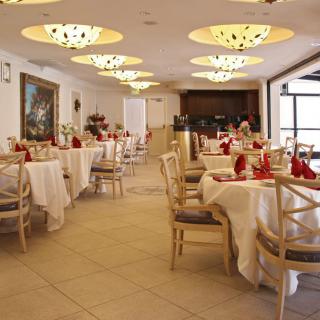
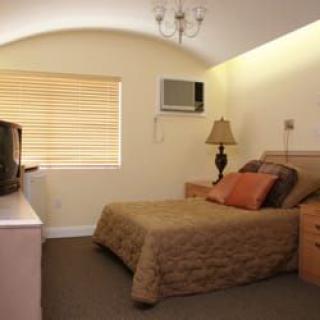
Those needing constant, top-tier dining quality, pest-free meals, and reliable, quiet climate control should consider alternatives. The most serious red flags are evident in the dining room: flies, food served on inexpensive paperware, and reports of meals that fail to meet expectations. Maintenance gaps compound the concerns: noisy, older room-by-room air conditioning, a non-working in-room fridge, and occasional impressions of inattentive or stressed staff. If management reliability and operational predictability are non-negotiable, this facility may not satisfy those standards.
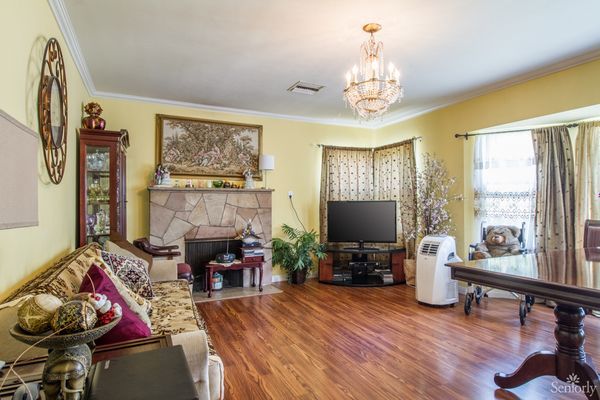
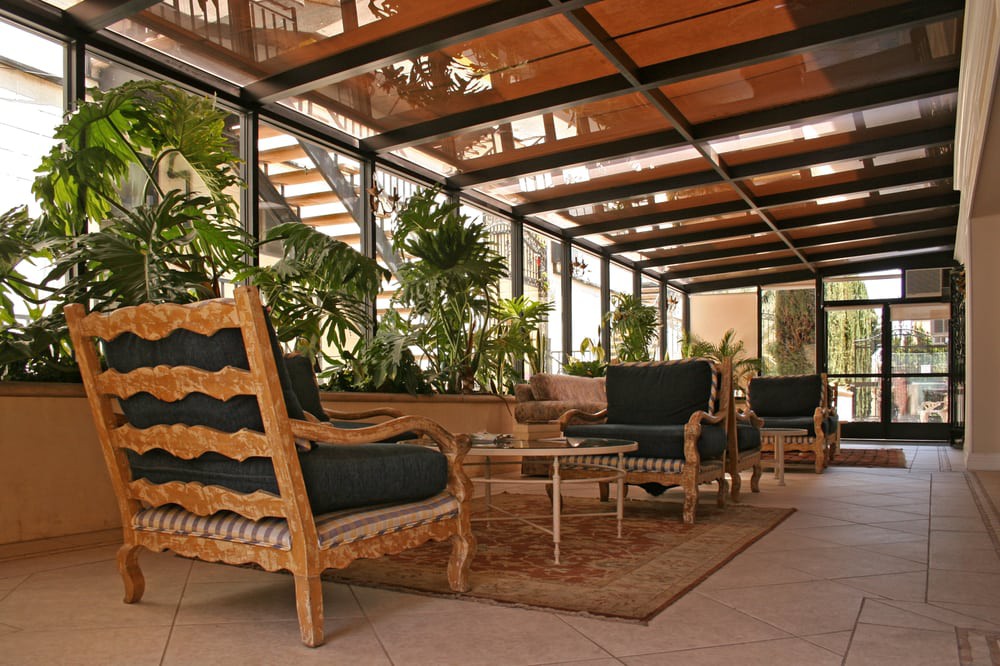
The strongest asset is the caregiving staff and the management team. Reviews consistently highlight genuine care, responsiveness, and a sincere commitment to residents’ well-being. The facility’s clean, cozy ambiance and the sense that staff greet residents warmly contribute to a feeling of belonging and emotional safety. When times are tough, these human connections often make daily life livable and even meaningful, turning what could be a cold living situation into a supportive, familial atmosphere.
But the cons are tangible and persistent enough to demand attention. Food quality emerges as a frequent critique, with guests noting poor meals and unappealing dining presentations. The physical environment shows strain: flies in the dining area, noisy individual air conditioners, and a non-functional refrigerator in residents’ rooms. Interactions can degrade when staff appear stretched or brusque, and at least one visitor described a staff member yelling at a resident. Taken together, these factors erode dignity, comfort, and the overall sense of safety, especially for families paying a premium for daily living.
The positives do carry practical weight: engaged staff, a welcoming tone, and predictable routines can offset some operational gaps for residents who thrive on personal attention and a sense of community. For families prioritizing relationships and daily warmth over pristine infrastructure, the care dynamic can justify the drawbacks. Yet the line is thin; if meals, climate comfort, and consistently respectful treatment are valued as essential, the cons threaten to outweigh the benefits. Price, expectations, and the pace of improvements should all factor into the decision.
Decision guidance: treat this community as a care relationship first and a facility second. Visit during a meal to observe how food is prepared, served, and enjoyed, and to gauge cleanliness and the dining atmosphere. Speak with several frontline staff and the administrator about responsiveness and how problems are addressed. Request recent maintenance logs and pest-control records, and verify that climate controls and in-room appliances function reliably across multiple rooms. If leadership can demonstrate a concrete plan to elevate meals, eliminate pest concerns, and stabilize the living environment, Beverly Hills Loving Care can be a strong match for families prioritizing warmth, continuity, and hands-on care. If not, explore other options in the area that promise steadier nutrition, better building maintenance, and quicker, more transparent problem-solving.
 176 resident community capacity
 Assisted Living
 Respite Care
 Cats allowed
 Dogs allowed
 Activities on-site
 Air-conditioning
 Beauty salon
 Cable or satellite TV
 Computer center
 Devotional services off-site
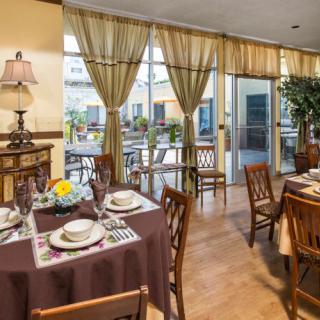
 Dining room
 Fitness room
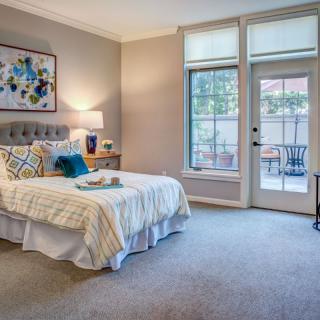
 Fully furnished
 Gaming room
 Garden
 Housekeeping services
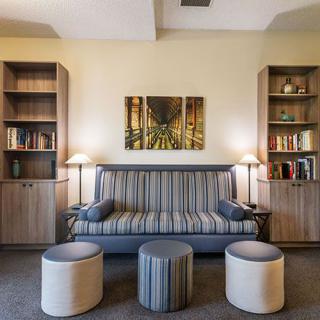
 Indoor common areas
 Kitchenette
 Move-in coordination
 Outdoor space
 Private bathrooms
 Restaurant-style dining
 Small library
 Telephone
 Wellness center
 Wi-Fi/high-speed internet available
 Los Angeles International (8 miles away)
 Community operated transportation
 12-16 hour nursing
 24-hour call system
 Ambulatory care
 Assistance with bathing
 Assistance with dressing
 Assistance with transfers
 Diabetes diet
 Diabetic care
 Medication management
 Mental wellness program
 Special dietary restrictions
 Concierge services
 Planned day trips


 Assisted Living Support for Veterans: A Complete and Detailed Overview
 Exploring the Contrasts Between Assisted Living and Skilled Nursing
 8 Key Indicators That Suggest It May Be Time to Transition from Assisted Living to Skilled Nursing Care