
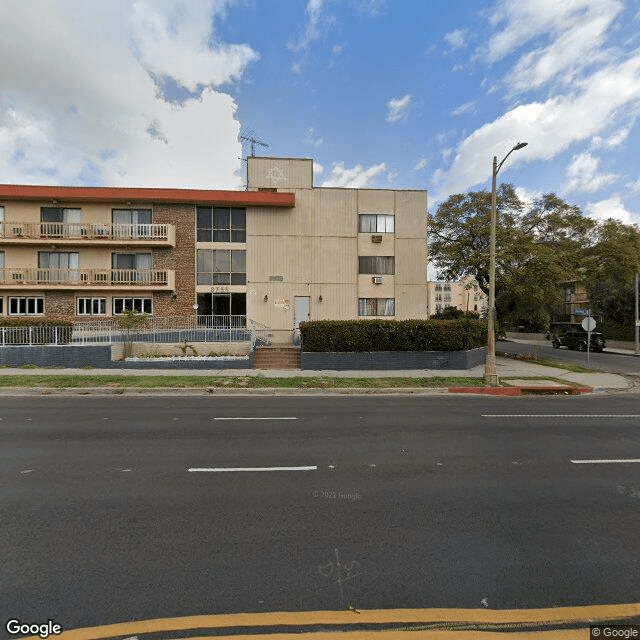
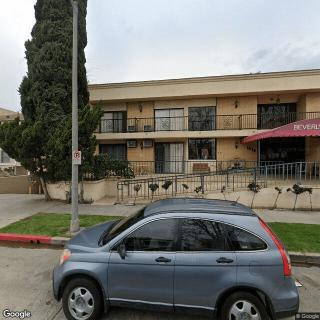
8755 W Olympic Blvd, Los Angeles, CA 90035
To contact a resident: (424) 603-4665
For more information about senior living options: (866) 208-4318
Rossmore Housing Plaza Costs & Pricing
Rossmore Housing Plaza presents a premium option for housing, with studio apartments priced at $5,000 per month. This rate notably exceeds the average costs in Los Angeles County, where similar accommodations typically range around $4,172, as well as the broader state average of approximately $4,145. While the higher cost may reflect enhanced amenities or services offered at Rossmore Housing Plaza, potential residents should weigh these benefits against their budget considerations when exploring housing options in this competitive market.
| Floor plans | Rossmore Housing Plaza | Los Angeles County | California |
|---|---|---|---|
| Studio | $5,000 | $4,172 | $4,145 |
Independent Living communities with a similar price nearby
-
About the same
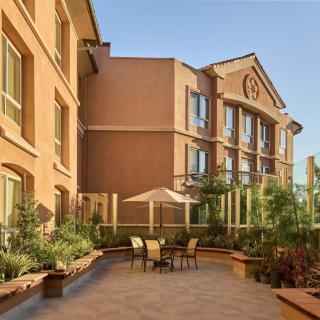
MorningStar Senior Living of Pasadena
$5,000 to $11,645 / month14.1 miles away -
from -$370 / mo
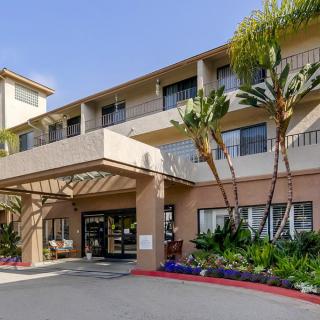
Brookdale South Bay
$4,630 to $9,635 / month15.3 miles away -
from -$915 / mo
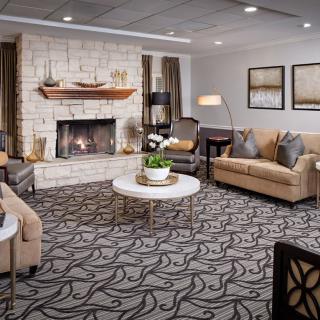
Belmont Village Hollywood Hills
$4,085 to $10,320 / month4.2 miles away -
from +$170 / mo
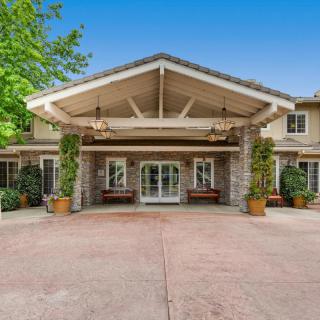
Meadowbrook of Agoura Hills
$5,170 to $6,930 / month21.3 miles away -
from -$500 / mo
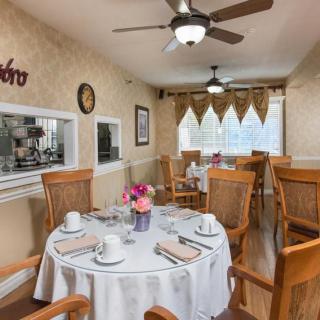
Spring Senior Assisted Living
$4,500 to $5,500 / month15.2 miles away
Overall Review of Rossmore Housing Plaza
Pros
 They are a great facility.
- They work incredibly hard to accommodate needs and fix issues.
- They communicate really well.
- The staff are very pleasant and the environment is clean.
- Sunny Hills has two buildings for different levels of care and offers private pay.
- It is described as the best one so far among options.
- The director is active with residents, and the activities align with residents' interests.
Cons
 The facility has had 16 executive directors, and each one has made it worse.
- The current director is focused on the bottom line and has different personalities.
- It is never clear who they will be talking to.
- The director does not solve problems and instead causes problems and heartache.
- Caregivers are overworked.
- On Sundays, only one caregiver is scheduled for the entire building.
- The food is okay, but the selections are not the best.
- The website is entirely in Korean, making communication difficult for Dad.
Review
Rossmore Housing Plaza is best suited for families seeking a two-building, level-differentiated private-pay setting in which frontline staff can be relied upon to respond to needs and fix issues as they arise, even if leadership stability is less predictable. The layout and private-pay model suggest a facility that can accommodate varying care intensities within a single campus, while keeping a relatively straightforward transition between levels of care. For families that value hands-on care and clear, repeated attempts to address concerns, Rossmore can feel like a practical match.
Those who should seriously consider alternatives include families for whom consistent leadership visibility matters more than other benefits. The reviews reveal a pattern of executive-director turnover, “16 executive directors and each one makes it worse”, and a current leader described as bottom-line focused, with shifting personalities and unclear points of contact. This kind of leadership variability translates into inconsistent communication and problem-solving, which is a non-starter for residents with high care needs or families who require steady, predictable guidance. Language barriers compound this risk: the site and communications have a strong Korean orientation, and a non-Korean-speaking family may struggle to navigate enrollment, daily interactions, and care planning without additional translation support.
The strongest positives are practical and tangible. A core theme is that staff work hard to accommodate needs and address issues as they arise, with direct observers reporting good communication and overall satisfaction with care and services. A clean, pleasant environment and visible attention to resident well-being also surface repeatedly, reinforcing the sense that residents can feel comfortable and cared for on a day-to-day basis. The presence of two distinct buildings for different care levels is another practical advantage, offering a clearer pathway for progression in care without requiring a move to a separate campus. For families who can leverage these strengths, Rossmore delivers reliable, attentive frontline service.
However, the cons are persistent and impactful. Staffing constraints show up in several ways: occasional under-staffing, especially on Sundays when only one caregiver might be scheduled for the entire building, and broad reports that staff are overworked. These patterns raise real concerns about supervision, response times, and consistency of daily tasks, especially for residents with complex or evolving needs. Leadership instability feeds into this, as unclear lines of communication and frequent leadership changes can trap families in a cycle of repeating the same questions without durable solutions. Additionally, the language barrier is not a minor nuance; it restricts meaningful resident engagement for families who are not fluent in Korean, limiting participation in care planning and daily social interactions.
From a decision-making standpoint, Rossmore rewards families who are prepared to actively participate in ongoing care management and who can tolerate some ambiguity in leadership. Pros offset main drawbacks when a family includes a bilingual advocate or a closely involved relative who can coordinate with staff, translate needs into actionable care plans, and monitor weekend coverage. Pros also offset cons if the family values the facility’s clean environment, the apparent attentiveness of frontline staff, and the availability of a structured two-building setup that accommodates different care levels without requiring relocation. The key is to test the logistics up close: observe Sunday staffing, request a direct meeting with a current administrator to gauge consistency, and verify how language needs are handled in practice.
In the end, the choice hinges on expectations around leadership, staffing reliability, and language compatibility. Rossmore Housing Plaza can be a solid fit for families prioritizing day-to-day care quality and a practical, two-building arrangement, provided there is a plan to manage leadership variability and language barriers. Families who require rock-solid continuity, highly predictable staffing, and robust multilingual support, should compare other communities with steadier leadership and more explicit language accommodations. For those who proceed, concrete due diligence is essential: schedule multiple visits, demand transparency about weekend coverage, and confirm how care plans are documented and updated in real time to avoid gaps in care.
 Independent Living
 Cats allowed
 Dogs allowed
 Activities off-site
 Bath tubs
 Beautician on-site
 Devotional services off-site
 Indoor common areas
 Outdoor common areas
 Respite or short term stays offered
 Wheelchair accessible showers
 Los Angeles International (8 miles away)
 Ambulatory care
 High acuity care
 Incontinence care
 Meals provided

 Supportive Employee Benefits That Help Caregivers Attain Better Work-Life Harmony
 Top Cars for Senior Drivers and Essential Safety Innovations
 A Closer Look at Private Pay Home Care