
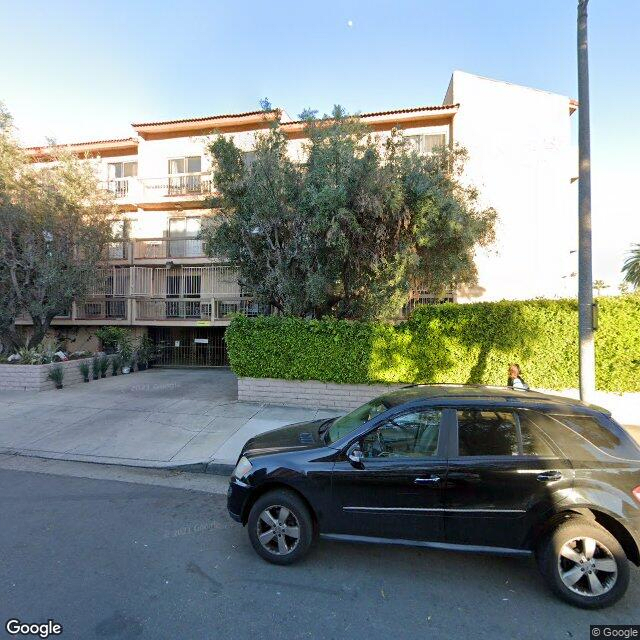
8717 West Olympic Blvd, Los Angeles, CA 90035
To contact a resident: (310) 659-4301
For more information about senior living options: (866) 208-4318
Sunny Hills Assisted Living and Memory Care Costs & Pricing
Sunny Hills Assisted Living and Memory Care offers competitive pricing that significantly undercuts both Los Angeles County averages and statewide costs. For a semi-private room, residents can expect to pay $1,550 per month, which is substantially lower than the county average of $3,349 and the state average of $3,333. Similarly, for those seeking the privacy of a studio unit, Sunny Hills charges $2,200 monthly - again a markedly better deal compared to Los Angeles County's average of $4,172 and California's average of $4,145. This pricing structure not only reflects an exceptional value but also underscores Sunny Hills' commitment to providing affordable yet high-quality care in a supportive environment.
| Floor plans | Sunny Hills Assisted Living and Memory Care | Los Angeles County | California |
|---|---|---|---|
| Semi-Private | $1,550 | $3,349 | $3,333 |
| Studio | $2,200 | $4,172 | $4,145 |
Memory care communities with a similar price nearby
-
from +$50 / mo
Laigo-Zanders Home for the Elderly
$1,600 to $2,000 / month24.4 miles away -
from +$250 / mo
Gracie's Residential Care
$1,800 to $2,500 / month4.6 miles away -
from +$250 / mo
Masa Comfort Living Inc.
$1,800 to $3,200 / month10.5 miles away -
from +$200 / mo
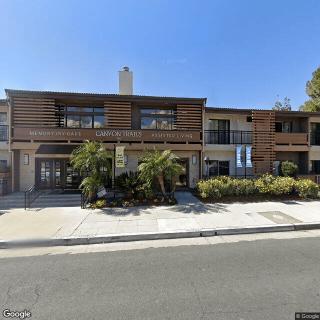
Oakdale Heights of Woodland Hills
$1,750 to $3,462 / month16.7 miles away -
from +$145 / mo
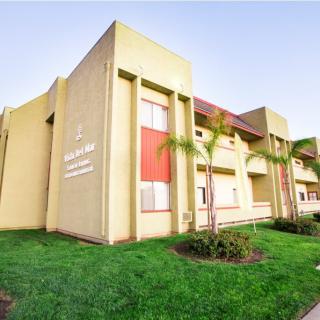
Vista Del Mar Senior Living
$1,695 to $3,200 / month19.7 miles away
Overall Review of Sunny Hills Assisted Living and Memory Care
Pros
 The new director was extremely kind and chatted warmly with the mother, giving peace of mind.
- Everyone on the staff was friendly and caring.
- The warmth and cheerful interaction with the mother gave the reviewer great peace of mind.
- It was nice.
- The reviewer expressed sincere thanks to the staff.
Cons
 The reviewer says the place should be closed.
- There aren’t enough caregivers and the staff don’t speak English; they expect caregivers to speak their language.
- The place looks filthy and smells horrible.
- A caregiver complained about pay (17 dollars) and another said the owner would increase pay after three months by 25 cents.
- The reviewer would not want to work there.
- It was a really bad place to go; the reviewer’s relative had to leave after two weeks; it was a horrible experience.
- The reviewer couldn’t move and went somewhere else.
- When called, they hang up immediately.
- There was a recent change in management; residents are neglected, staff are rude to family members, and staff seem to have chips on their shoulders.
Review
Sunny Hills Assisted Living and Memory Care in Los Angeles is best suited for families that prize a visibly engaged leadership presence and front-line staff who are genuinely kind when staffing allows. The community appears to work best for residents who can benefit from personal warmth and occasional moments of attentive care, especially when a new director shows up to connect with residents and families. In practical terms, this setting can feel comforting when leadership is present and caregivers are able to offer friendly, reassuring interactions. For memory care, where routine and human connection matter, this environment can provide a humane, neighborly touch if operations stay steady.
That said, there are clear reasons to consider alternatives. If reliable, consistent caregiving with sufficient staffing, English-speaking caregivers, and a consistently clean, odor-free environment are nonnegotiables, this community warrants caution. Families should be aware that several reviews describe chronic staffing gaps, language barriers among staff, and an environment that has, at times, fallen short on cleanliness and maintenance. When those conditions are not met, safety and quality of life can deteriorate quickly in memory care and assisted living settings. Prospective residents who cannot tolerate routine communication lapses or frequent turnover should actively compare options with stronger staffing plans and steadier management.
On the plus side, several accounts highlight a director who has already made a positive impression, someone who is kind and cheery with residents and who can bring a sense of peace to anxious families. The anecdotal warmth from frontline staff, when present, also stands out as a meaningful benefit: friendly caregivers and a team that appears engaged during shifts can significantly improve day-to-day experience. This combination of approachable leadership and amiable aides can translate into meaningful quality-of-life moments for residents, particularly during times when one-on-one interaction is crucial. For families who focus on the human connection side of care, these elements matter and can sometimes offset rough days.
However, the major drawbacks temper that warmth. The most persistent concerns center on staffing adequacy: reviewers describe too few caregivers to meet resident needs, with stories of residents not receiving timely attention or assistance. Language barriers compound the problem, as caregivers who do not share a common language with residents and families hinder effective communication, care planning, and responsiveness. Add to that a recurring impression of blunt maintenance and cleanliness issues, environment that feels dirty or with odors, and it becomes hard to overlook foundational risks. When staff morale appears compromised, and turnover coincides with management changes, consistency of care and continuity of routines for memory care residents can suffer, undermining the stability that families seek.
Weighing the pros against these cons reveals a clear pattern: the positive attributes, engaged leadership, occasional warmth from staff, and genuine moments of connection, are not sufficient to offset the most significant liabilities, especially in memory care where daily supervision, timely assistance, and a clean, well-maintained environment are non-negotiable. The presence of a caring director and friendly caregivers can soften the blow of a difficult day, but they cannot compensate for chronic understaffing, inconsistent communication, or persistent environmental concerns. In practice, risk and reassurance oscillate: when staffing holds, families experience heartfelt moments; when it slips, care quality and resident safety become a concern that erodes confidence.
For families weighing options, the takeaway is pragmatic and action-oriented. If choosing Sunny Hills, plan to verify staffing levels at different times and days, request current caregiver-to-resident ratios, and ask direct questions about English-language proficiency and language support for residents and families. Observe how maintenance and housekeeping are executed during a tour, and probe for frequency of room cleaning, odor control, and overall cleanliness. Demand transparency from the new director about staffing recruitment, retention, and training, especially for memory care. Most importantly, arrange multiple visits, at mealtimes, during activity sessions, and on weekends, to assess consistency and the true texture of daily life beyond a polished tour. Should any red flags persist, or if communication strains and cleanliness remain persistent themes, alternatives with stronger staffing stability, cleaner environments, and proven, long-term caregiver engagement deserve immediate consideration.
In the end, Sunny Hills is not a hopeless choice, but it requires careful, reality-grounded evaluation. It is best for families that can tolerate, and even value, moments of warmth and leadership visibility, while actively safeguarding against staffing gaps and environmental shortcomings. Families that prioritize reliable care, consistent language-congruent communication, and rigorous maintenance should pursue other options with more robust staffing models and steadier management. The decision hinges on whether the resident’s daily safety and the family’s commitment to proactive oversight can align with the community’s current staffing and operational realities. If not, proceed to alternatives where the odds of dependable, well-maintained care, and prompt, clear communication, are demonstrably higher.
 Assisted Living
 Memory Care
 Activities on-site
 Beautician on-site
 Devotional services on-site
 Indoor common areas
 Outdoor common areas
 Respite or short term stays offered
 Wheelchair accessible showers
 Los Angeles International (8 miles away)
 Ambulatory care
 Diabetic care
 Incontinence care
 Medication management
 Meals provided

 A Holistic Dementia Care Guide: Effective Strategies for Memory Support
 Memory Care Pathways: A Holistic Guide to Dementia Support
 Comprehending Evening Confusion in Dementia: Causes, Manifestations, and Support