2373 Colorado Boulevard, Los Angeles, CA 90041
For more information about senior living options: (866) 208-4318
Ararat Convalescent Hospital Costs & Pricing
Ararat Convalescent Hospital offers competitive pricing for its room types when compared to both Los Angeles County and the broader California market. For a two-bedroom unit, the monthly cost is $3,540, significantly lower than the county average of $6,164 and the state average of $5,270. In the studio category, Ararat's rate of $4,290 slightly exceeds the county's charge of $4,172 and is marginally higher than California's statewide figure of $4,145. However, when it comes to one-bedroom accommodations, Ararat's price is set at $5,050, which is above both Los Angeles County's average of $4,603 and California's average of $4,340. Overall, Ararat Convalescent Hospital provides a compelling value proposition in certain room categories while remaining competitive with local and state averages across the board.
| Floor plans | Ararat Convalescent Hospital | Los Angeles County | California |
|---|---|---|---|
| 2 Bedrooms | $3,540 | $6,164 | $5,270 |
| Studio | $4,290 | $4,172 | $4,145 |
| 1 Bedroom | $5,050 | $4,603 | $4,340 |
Skilled Nursing Facilities with a similar price nearby
-
from +$380 / mo
Sakura Gardens of Los Angeles
$3,920 to $4,535 / month6.6 miles away -
from +$110 / mo
Beverly Hills Carmel Retirement Hotel North
$3,650 to $6,250 / month10.5 miles away -
from -$575 / mo
Pacifica Senior Living Northridge
$2,965 to $3,665 / month18.7 miles away -
from -$385 / mo
Villa Gardens
$3,155 to $5,590 / month4.9 miles away -
About the same
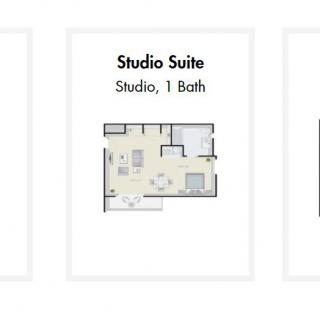
Windsor
$3,500 to $6,119 / month1.2 miles away
Overall Review of Ararat Convalescent Hospital
Pros
 The staff are best all around.
- The staff are very friendly and attentive to detail.
- The facility is always clean.
- It is a cozy and intimate home.
- It is a very nice place to bring grandparents.
Cons
 They would not recommend this place to anyone.
- Their mother fell in the bathroom and had a stroke, and no one was there to help.
- Their father had a buildup of fluids in his lungs and they did not even know.
- The reviewer would never want to place their loved one there again.
- Had they not visited their mom that day, nobody would have paid attention.
- They do not monitor the food, and the intake is the same for all residents.
Review
Ararat Convalescent Hospital in Los Angeles is best suited for families seeking a small, home-like setting with a clearly Armenian cultural vibe, where daily life centers on intimate staff-resident relationships and a warm, neighborly atmosphere. It works well for seniors who prefer a low-key, nonclinical environment and for families that value language comfort, cultural continuity, and social connection as a core part of daily living.
On the upside, the community earns praise for the human side of care. Reviewers repeatedly point to friendly, attentive staff and a consistent attention to detail, with the facility described as clean and personable. The environment is portrayed as cozy and intimate, not sterile or institutional, which can make daily life feel calmer and more dignified. For families seeking a place where staff know residents by name and can offer a welcoming, Armenian-centered setting, these elements are meaningful and practical advantages.
Yet a single, highly troubling account looms large: a severe lapse in emergency responsiveness. One family reports a stroke occurring in the bathroom with no immediate help, and another serious medical need going unnoticed, raising questions about how emergencies are identified and escalated. In the same vein, questions emerge about oversight at the management level, including concerns tied to the director, and about how medical monitoring, such as tracking nutrition and fluid intake, is handled day to day. These are not minor nit picks; they speak to core safety and medical oversight.
Those strengths can matter a great deal for day-to-day life. A strong, attentive staff and a clean, cozy setting can translate into reliable companionship, timely assistance with routine tasks, and a calmer resident experience, benefits that often reduce stress for families and improve quality of life for residents who do not require constant high-acuity medical care. The Armenian cultural framing can also reduce language barriers and boost social engagement, which often enhances mood, participation in activities, and overall well-being. However, those advantages do not erase the risk highlighted by the adverse incident; they simply offer a context in which the facility’s everyday strengths may be realized more consistently if emergency systems are robust and transparent.
For families who prioritize continuous, high-level medical monitoring and rapid emergency intervention, alternatives should be strongly considered. Look for facilities with on-site licensed nurses around the clock, immediate physician access, transparent incident reporting, and clear protocols for escalating medical concerns. Categories to explore include higher-acuity skilled nursing options, larger campuses with dedicated clinical teams, and non-Armenian facilities that emphasize universal language access and robust medical oversight. Cultural fit is valuable, but medical safety timelines cannot be sacrificed.
Ultimately, Ararat Convalescent Hospital offers a compelling blend of warmth, cleanliness, and cultural affinity that makes it a solid choice for seniors who thrive in a small, intentional community and whose care needs are moderate. It is not the right fit for families where emergency responsiveness or continuous medical monitoring are non-negotiable requirements. The everyday advantages, friendly staff, a home-like atmosphere, and a strong social environment, are real and meaningful, yet they sit alongside a serious caution about emergency care and oversight. Prospective families should arrange a thorough tour, request concrete details on emergency procedures, staffing levels, and incident handling, and observe staff interactions to determine whether the balance aligns with their relative medical needs and risk tolerance.
 42 resident community capacity
 Skilled Nursing Facility
 Beauty salon
 Cable or satellite TV
 Dining room
 Fully furnished
 Garden
 Housekeeping services
 Kitchenette
 Move-in coordination
 Outdoor space
 Restaurant-style dining
 Small library
 Telephone
 Wi-Fi/high-speed internet available
 Burbank-Glendale-Pasadena (9 miles away)
 24-hour call system
 Activities of daily living assistance
 Assistance with bathing
 Assistance with dressing
 Assistance with transfers
 Diabetes diet
 Medication management
 Mental wellness program
 Special dietary restrictions

 Financing Long-Term Nursing Home Care Through Social Security: A Thorough Exploration
 Essential Knowledge on Pneumonia in Older Adults
 Exploring Palliative Care in the Home: A Comprehensive Overview