
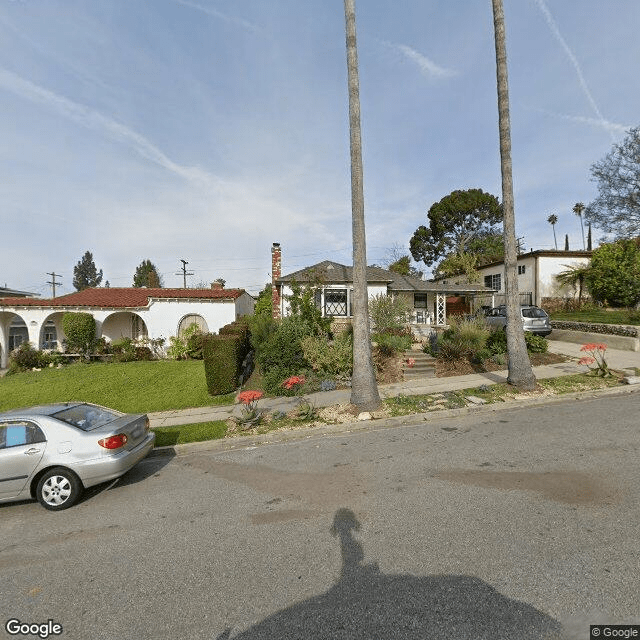
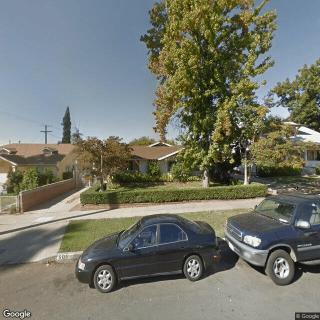
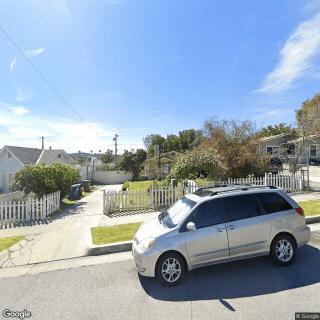
5239 Windermere Avenue, Los Angeles, CA 90041
For more information about senior living options: (866) 208-4318
J & L Manor Costs & Pricing
J & L Manor offers competitive pricing for its residential accommodations, particularly in comparison to both Los Angeles County and the broader state of California. For a semi-private room, residents at J & L Manor can expect to pay $2,000 per month, significantly lower than the county average of $3,349 and the state average of $3,333. Similarly, those choosing a private room will find J & L Manor's monthly cost of $3,000 more affordable than the county's rate of $4,197 and California's average of $3,939. This strategic pricing model not only makes J & L Manor an appealing option for prospective residents but also underscores its commitment to providing quality care without compromising financial accessibility.
| Floor plans | J & L Manor | Los Angeles County | California |
|---|---|---|---|
| Semi-Private | $2,000 | $3,349 | $3,333 |
| Private | $3,000 | $4,197 | $3,939 |
Assisted Living communities with a similar price nearby
-
from +$200 / mo

Precious Someone Homecare
$2,200 to $3,300 / month23.7 miles away -
from -$200 / mo
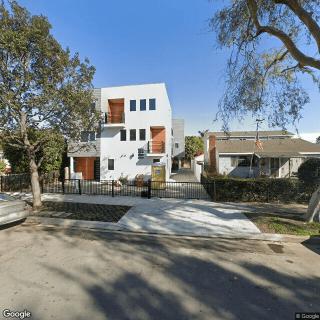
Gracie's Residential Care
$1,800 to $2,500 / month15.0 miles away -
About the same

Primrose 2
$2,000 to $2,500 / month21.9 miles away -
About the same

Primrose
$2,000 to $2,500 / month21.9 miles away -
from -$200 / mo
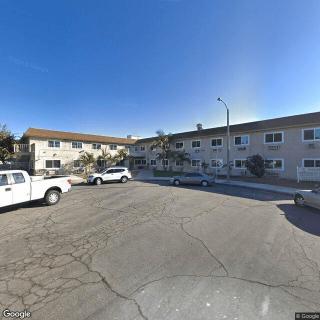
Palms Retirement Center
$1,800 to $3,495 / month24.5 miles away
Overall Review of J & L Manor
Pros
 They agreed that J&L may work out.
- They see Medicare-supplied home care nursing as a viable option for specific issues.
- The nurse recommended that the uncle's cardiologist be consulted to confirm that she could provide the right level of care.
Cons
 The uncle may need more nursing care than a small Board and Care can provide.
- There is concern that the arrangement may not fully meet the uncle's nursing care needs.
Review
J & L Manor in Los Angeles is best suited for seniors who want a small, home‑like assisted living option and can operate with light to moderate daily support while coordinating external nursing coverage when necessary. The director’s perspective suggests the setting could work in practice, but only if the resident does not require intensive on‑site nursing care. For a relative with cardiac issues, a plan to bring in a home health nurse through Medicare and a professional medical opinion to confirm the appropriate level of care is essential. In short, this community is not a turnkey solution for high‑acuity needs, but it can function as part of a blended care approach.
Those who should consider alternatives are seniors who require robust medical oversight on‑site, continuous skilled nursing, or specialized memory or rehabilitation programs. If the expectation is round‑the‑clock nursing, complex wound care, catheter management, or immediate response to sudden shifts in health, larger assisted‑living campuses with in‑house licensed nurses or a skilled nursing facility may be safer choices. Additionally, families seeking a facility with guaranteed 24/7 clinical presence may find J & L Manor too lean. A plan that hinges on external home health services requires reliable coordination, consistent scheduling, and a physician who can rapidly adjust the plan as health status changes.
On the upside, the central advantage is the willingness to coordinate with external professionals and tailor care accordingly. The director’s openness to supplement care with Medicare home health for specific issues suggests a practical, boundary‑respected approach that can control costs while preserving independence. For residents who are gradually upgrading from a small board‑and‑care, this model can deliver a more structured environment without the rigidity of a larger campus. Family involvement and direct communication with staff can be easier in a small setting, which reduces the friction often seen at bigger communities when complex care is introduced.
However, the main drawbacks are real and significant. The facility’s on‑site nursing capacity is not clearly defined; without 24/7 licensed staff, there is a reliance on external providers that can complicate scheduling, response times, and continuity of care. The arrangement hinges on Medicare‑certified home health working flawlessly in tandem with medical orders and emergency protocols, and that can be vulnerable if medical status suddenly worsens. The need to consult the resident’s cardiologist before committing to a care plan underscores the risk: misalignment between medical needs and facility capability remains a possibility.
Whether these strengths offset the risks depends on the stability of the resident’s health and the reliability of the external care network. If a clear, documented plan exists, medication management, daily check‑ins, fall prevention, dietary oversight, and rapid access to on‑call clinicians, the blended model becomes viable. Conversely, any gap in external nursing coverage, delays in response, or inconsistent physician input can erode safety and quality of life. Prospective residents should demand concrete service levels, a formal care plan, and written contingencies before moving in, and verify that Medicare arrangements will cover the needed services without gaps.
Bottom line: J & L Manor can serve as a practical fit for families seeking a smaller, personable setting with the option to layer in external nursing support. It is not ideal for residents with high‑acuity needs or those requiring constant, on‑site clinical oversight. If one’s health profile is stable enough to rely on home health nursing in concert with a physician’s oversight, this community offers a sensible path forward. For higher needs, or for families who want assured, scalable nursing coverage on‑site, alternatives such as larger assisted‑living campuses or skilled‑nursing facilities should be explored. The decision should hinge on a formal care plan and clear commitments from all parties involved.
 6 resident community capacity
 Assisted Living
 Board and Care Home
 Cable or satellite TV
 Dining room
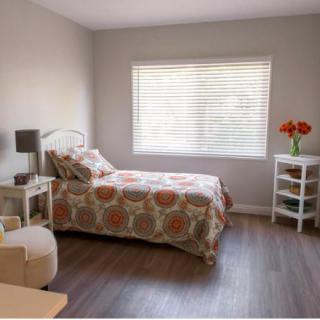
 Fully furnished
 Garden
 Housekeeping services
 Move-in coordination
 Outdoor space
 Private
 Telephone
 Wi-Fi/high-speed internet available
 Burbank-Glendale-Pasadena (9 miles away)
 24-hour supervision
 Activities of daily living assistance
 Assistance with bathing
 Assistance with dressing
 Assistance with transfers
 Diabetes diet
 Diabetic care
 Meal preparation and service
 Medication management
 Special dietary restrictions
 Transportation arrangement (medical)
 Transportation to doctors appointments
 Christian services



 Understanding the Distinctions: Assisted Living and Memory Care Explained
 Guiding Elderly Parents Who Refuse Assisted Living: 6 Practical Steps
 Your Comprehensive Guide to Luxury Assisted Living: Elevated Facilities, Amenities, and Costs