
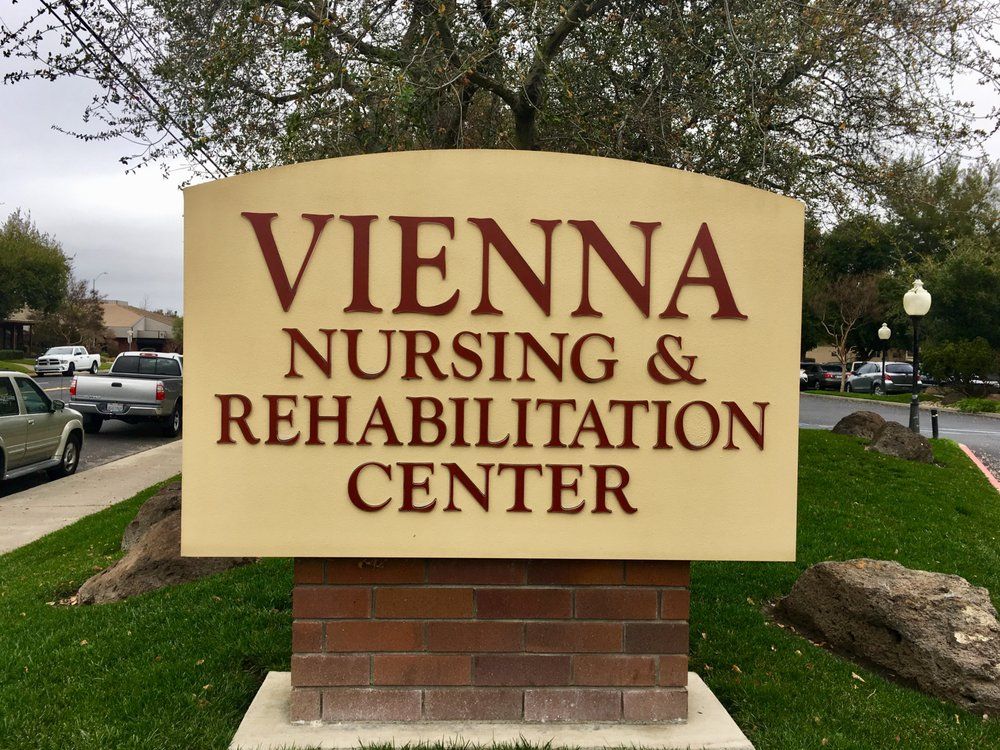
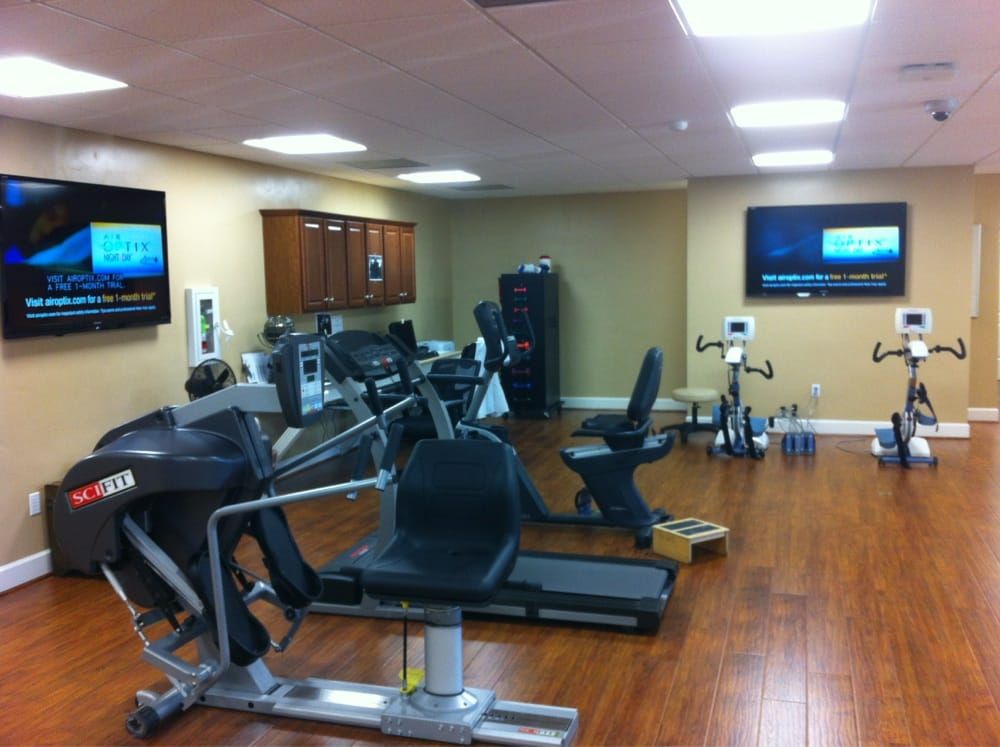
800 So. Ham Lane, Lodi, CA 95242
For more information about senior living options: (866) 208-4318
Overall Review of Vienna Nursing And Rehabilitation Center
Pros
 The facility is very clean and the staff are welcoming and friendly.
- The place is beautiful, with antiques, and feels well staffed and attentive.
- The Vienna Nursing and Rehab staff are kind and caring, taking pride in providing excellent service and care.
- Admissions Director Juanita and Social Services Director Leigh are helpful and clearly love what they do.
- The staff take care of residents attentively, are friendly, and attentive to detail.
- It is a well-run facility that is clean and well maintained, with motivated, professional staff.
- The facility provides a high level of medical care with access to on-call doctors and transportation, and staff work to accommodate concerns and affordability.
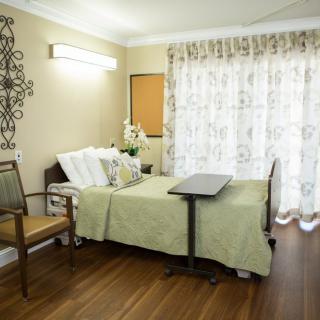
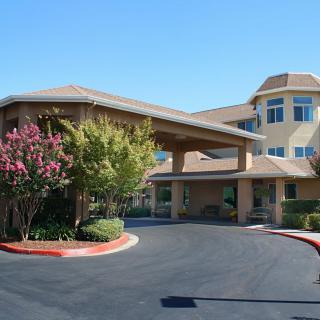
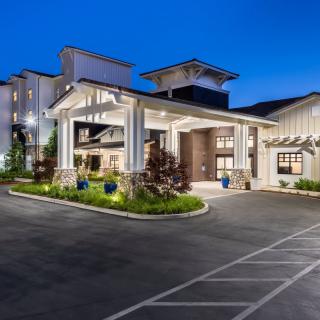
- The building and surroundings look beautiful, contributing to a positive environment.
Cons
 A family member was ignored repeatedly and requests were dismissed by staff.
- A major medical condition was left unseen by staff and required emergency surgery.
- Management assigns dozens of patients to a single staff member, which is not good.
- The staff do not treat patients well and the food is far from nutritious.
- Sleeping pills are given routinely and are linked to mental problems in Alzheimer's patients.
- A loved one did not begin walking for two to three weeks after surgery and was found sitting in a diaper full of feces and urine.
Review
Vienna Nursing and Rehabilitation Center in Lodi is best suited for families seeking strong medical oversight wrapped in a facility that feels administrative-leaning but well maintained. The community shines for residents with significant health needs who require reliable access to doctors, on-call medical support, and timely transportation. The building’s care-forward vibe is reinforced by a clean, well-kept environment, a noticeable emphasis on admissions and social services, and a design that makes the medical intensity feel approachable rather than clinically harsh. For families who prioritize proactive care coordination, regular updates, and real-time responsiveness when a resident’s condition shifts, Vienna is a credible, trustworthy option.
There are clear reasons to consider alternatives for certain profiles. If independence and a homier, smaller-scale setting are the primary goal, other communities with apartment-style layouts and lighter medical ceilings may fit better. Some families want less emphasis on acute medical routines and more emphasis on consistent, personalized daily life, an area where staffing ratios and workload can influence day-to-day responsiveness. A few reviews flag the risk of understaffing, with concerns about how many patients are assigned to single staff members, along with experiences where care or communications felt inconsistent. For those who are particularly sensitive to nutrition, medication management, or the social-emotional environment for residents with neurodegenerative conditions, these are factors worth scrutinizing before committing.
The strongest positives, cleanliness, attentiveness, and medical readiness, tend to offset many concerns, but not all. Vienna comes across as a well-run facility where staff are described as kind, caring, and proud of the service they provide. Families repeatedly note activities like baseline arrival meetings, attentive rounds, and a clear pathway for admissions and social work to help navigate costs and care planning. The availability of on-call doctors, ready transportation, and a medically oriented environment can translate to quicker responses when a resident’s health status changes. These elements often translate into tangible peace of mind for families facing tough medical decisions.
Still, the most serious downsides cited cluster around staffing strain and variability in daily care. When staffing levels are strained, the risk of missed requests or delayed attention rises, and that is a legitimate concern for anyone weighing this option. Some reviewers questioned the consistency of medication management and the nutritional quality of meals, particularly for residents with neurodegenerative illnesses who require careful monitoring. In practice, these issues may reflect broader staffing realities rather than a single shift in care philosophy, but they are real considerations that can affect a family’s sense of security and a resident’s daily comfort.
Despite those concerns, Vienna often demonstrates what a hospital-style care model can deliver: steady medical oversight, quick escalation when trouble arises, and a structured routine that many families find reassuring during a period of decline. Positive anecdotes highlight responsive staff, the ability to accommodate concerns, and proactive communication with families when a resident’s condition changes. For families grateful for thorough medical management and a facility that treats care as a profession rather than a sideline, Vienna presents a viable, often stabilizing option.
To make the most informed choice, prospective families should approach a tour with practical questions in hand: what is the current staffing mix on the units most relevant to the resident’s needs, and how does that translate into response times for calls? Can the admissions team show menu options and dietary plans tied to specific conditions? What is the process for medication review and adjustments, and how are families kept informed of changes? How does the facility balance hospital-level care with opportunities for meaningful daily activity and social engagement? When these points are clarified, Vienna’s advantages in medical acuity, cleanliness, and proactive care become clear, and so does its potential risk profile.
 150 resident community capacity
 Skilled Nursing Facility
 Air-conditioning
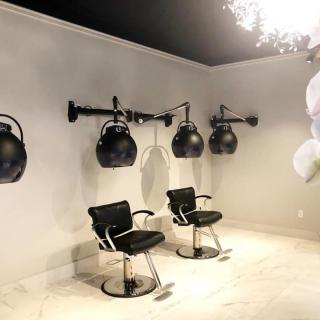
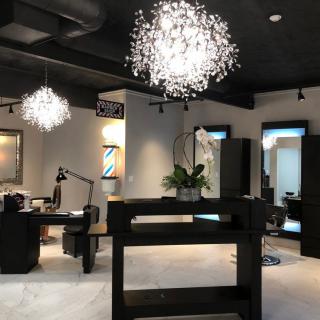
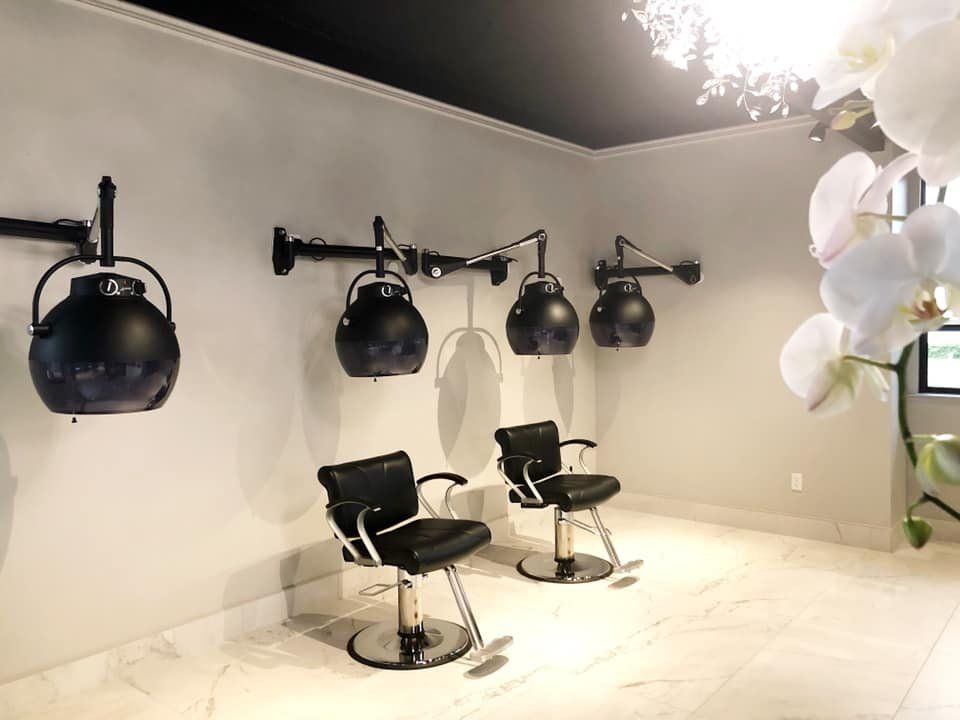
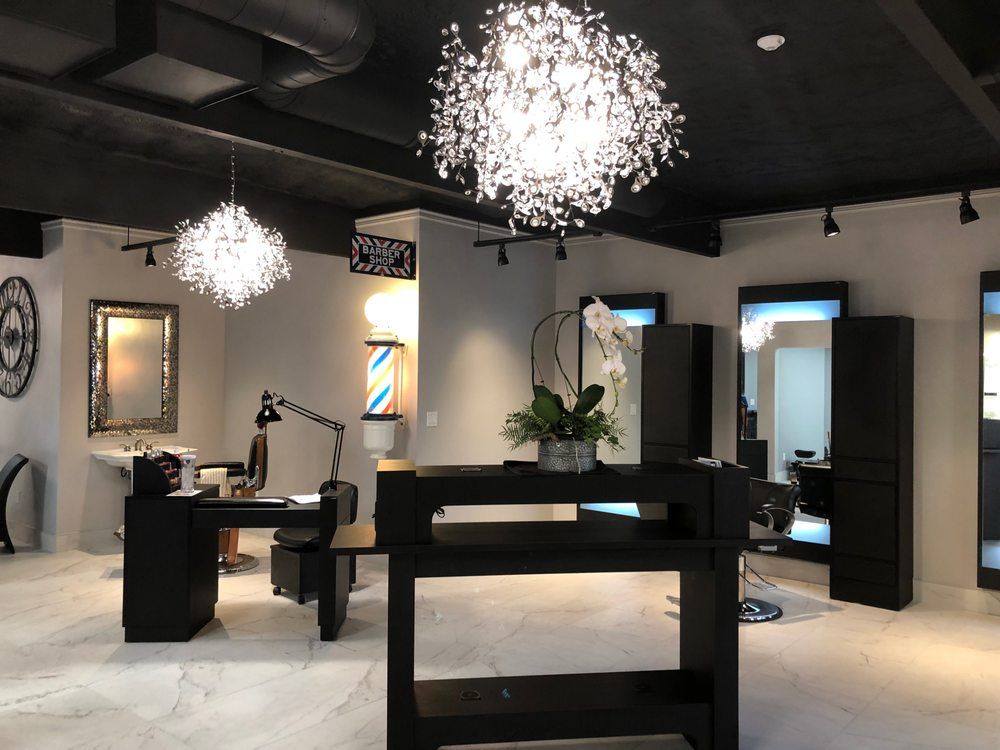
 Beauty salon
 Cable or satellite TV
 Computer center
 Dining room
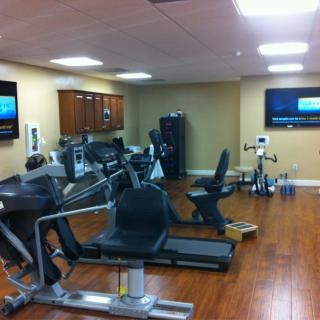
 Fitness room
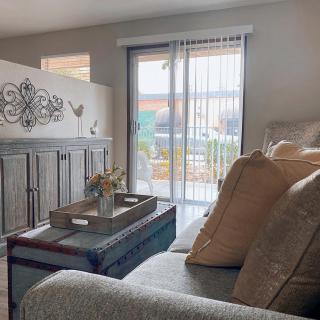
 Fully furnished
 Gaming room
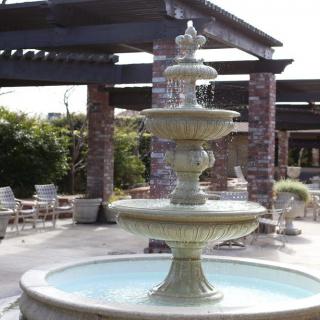
 Garden
 Housekeeping services
 Kitchenette
 Move-in coordination
 Outdoor space
 Private bathrooms
 Restaurant-style dining
 Small library
 Telephone
 Wellness center
 Wi-Fi/high-speed internet available
 Community operated transportation
 12-16 hour nursing
 24-hour call system
 Activities of daily living assistance
 Assistance with bathing
 Assistance with dressing
 Assistance with transfers
 Diabetes diet
 Medication management
 Mental wellness program
 Special dietary restrictions
 Concierge services
 Planned day trips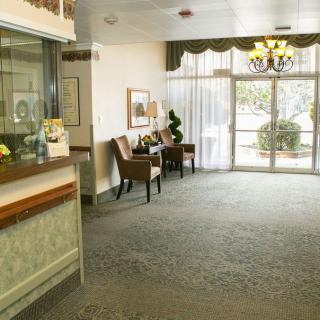
 6 Crucial Ways an Elder Law Attorney Assists Families
 Navigating the Tax Landscape of Caregiving: Credits, Deductions, and Beyond
 Highly Beneficial Low-Impact Exercises for Senior Living Residents