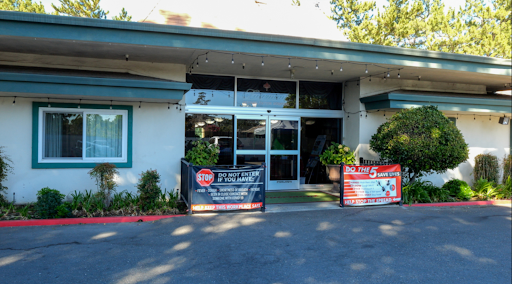
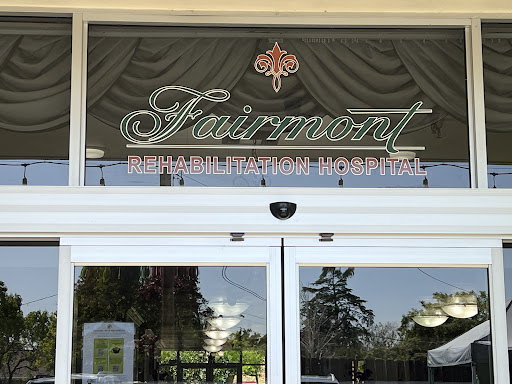
Overall Review of Fairmont Rehabilitation Hospital
common40 reviews mention this
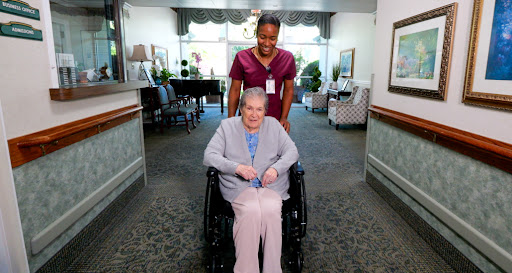
Staff care and responsiveness stand out
Residents and families repeatedly describe staff who are kind, helpful, and attentive to needs.
Across reviews, families highlight staff who feel genuinely caring—nurses, CNAs, therapists, and even front-desk support. Many mention that staff follow through quickly and are proactive with questions and care needs. A small number of reviews mention delays or communication gaps between shifts, but most portray staff as consistently responsive.
common20 reviews mention this
Facility stays clean and odor-free
Multiple reviews emphasize that the facility is kept clean and avoids unpleasant odors.
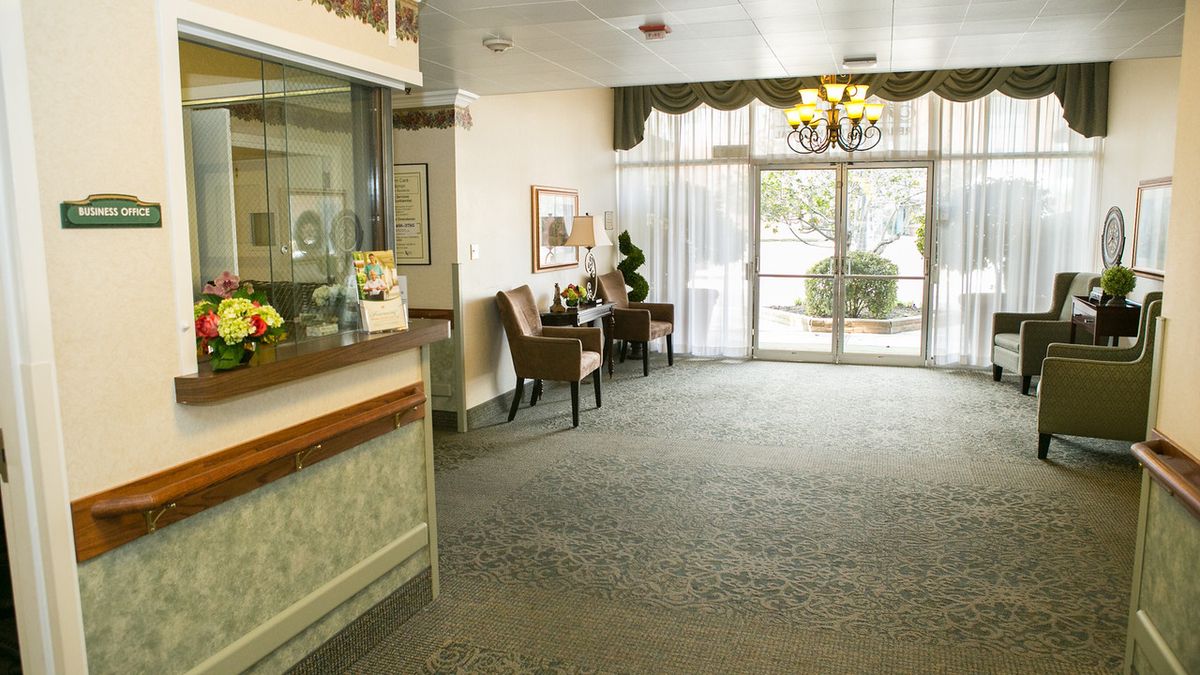
Several residents and visitors describe the building as very clean, with no “old facility” smell and an overall fresh feel. Reviews also point to cleanliness in rooms and common areas, along with organized accommodations. A few mixed comments mention the facility can feel outdated or run down, but these are in the minority compared with the repeated cleanliness praise.
differentiator12 reviews mention this
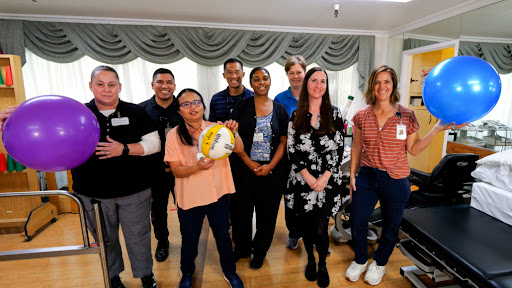
Rehab therapy is a key focus
Physical and occupational therapy come up often as part of the rehab experience.
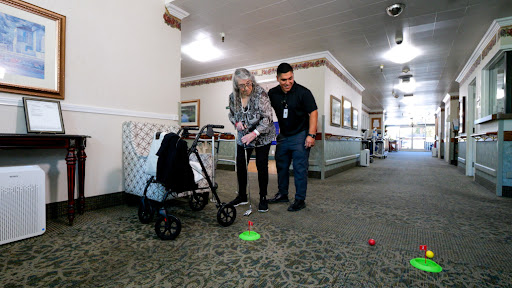
Many reviews speak specifically to rehabilitation therapy, describing PT and OT staff as professional and supportive. Families also mention therapy helping recovery after events like strokes and injuries. While most experiences are positive, a couple of reviews raise concerns about overall organization or call-bell responsiveness, which affects the day-to-day support aspect rather than the therapy itself.
common18 reviews mention this
Food is generally praised
Food quality is a frequent point of approval, with only occasional dissatisfaction.
Reviews often describe the meals as good, sometimes comparing them favorably to other rehab facilities. Some families also mention food being prepared well or accommodating preferences. On the other hand, a few reviews call out problems like disappointing taste or concerns about nutrition, including one review describing weight loss.
caveat6 reviews mention this
Rooms feel tight or hard to navigate
Several reviews note room size limitations and practical access issues.
Some reviewers describe rooms as small—especially when sharing—and mention limited space for visitors. At least one review also describes accessibility concerns related to room entry and mobility. These themes focus on the physical setup rather than care quality.
caveat5 reviews mention this
Communication and call-bell timing vary
A recurring concern is that communication and call-bell response can be inconsistent.
A few reviews describe lack of communication between shifts and say it can take time to get help when needed. One review specifically mentions call-bell response as a problem and connects it to facility workload. Other reviews report the opposite—staff coming quickly and staying on top of needs—so experiences appear uneven.
common2 reviews mention this
Close to local medical options
The location places major medical services nearby for quick access.
Nearby places include the facility itself and multiple medical offices or hospital options within roughly a tenth to a few miles. Several categories also cluster around healthcare, which can matter for families visiting during rehab or recovery. (The reviews mention proximity mainly in passing alongside other comments, rather than as a major day-to-day factor.)
How we summarize
Counts show how many written reviews mention each theme; a review can touch several themes, and only frequently mentioned themes are displayed.
Features
Housing
59 resident community capacity
Types of Care
Skilled Nursing Facility
Amenities
Air-conditioning
Beauty salon
Cable or satellite TV
Computer center
Dining room
Fitness room
Fully furnished
Gaming room
Garden
Housekeeping services
Kitchenette
Move-in coordination
Outdoor space
Private bathrooms
Restaurant-style dining
Small library
Telephone
Wellness center
Wi-Fi/high-speed internet available
Transportation
Community operated transportation
Transportation arrangement
Transportation arrangement (non-medical)
Transportation to doctors appointments
Care Services
12-16 hour nursing
24-hour call system
24-hour supervision
Activities of daily living assistance
Assistance with bathing
Assistance with dressing
Assistance with transfers
Diabetes diet
Meal preparation and service
Medication management
Mental wellness program
Special dietary restrictions
Dining
Diabetes diet
Special dietary restrictions
Activities
Community-sponsored activities
Concierge services
Fitness programs
Planned day trips
Resident-run activities
Scheduled daily activities
Nearby Places of Interest
Hospitals
Fairmont Rehabilitation Hospital (0 miles)
Lodi Memorial Hospital (0.1 miles)
Sutter Health (0.6 miles)
Trinity Plaza Surgery Center (6.9 miles)
Meadowood A Health & Rehabilitation Center (7.3 miles)
Physicians
California Skin Laser Center (0 miles)
Lodi Urgent Care (0.1 miles)
Morpheus Anesthesia (0.1 miles)
Reza Sepehrdad, MD (0.1 miles)
The Doctor's (0.2 miles)
Family Medicine: Ham Lane Care Center: Sutter Gould Medical Foundation (0.2 miles)
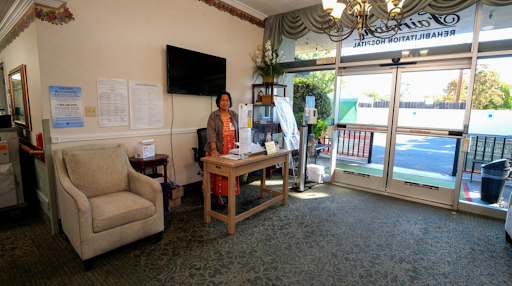
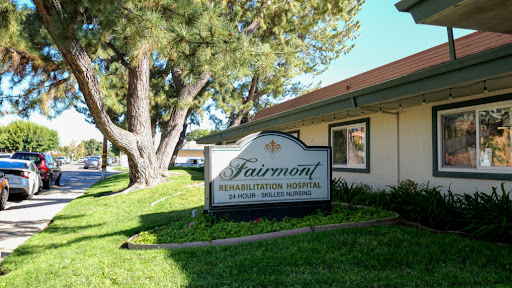
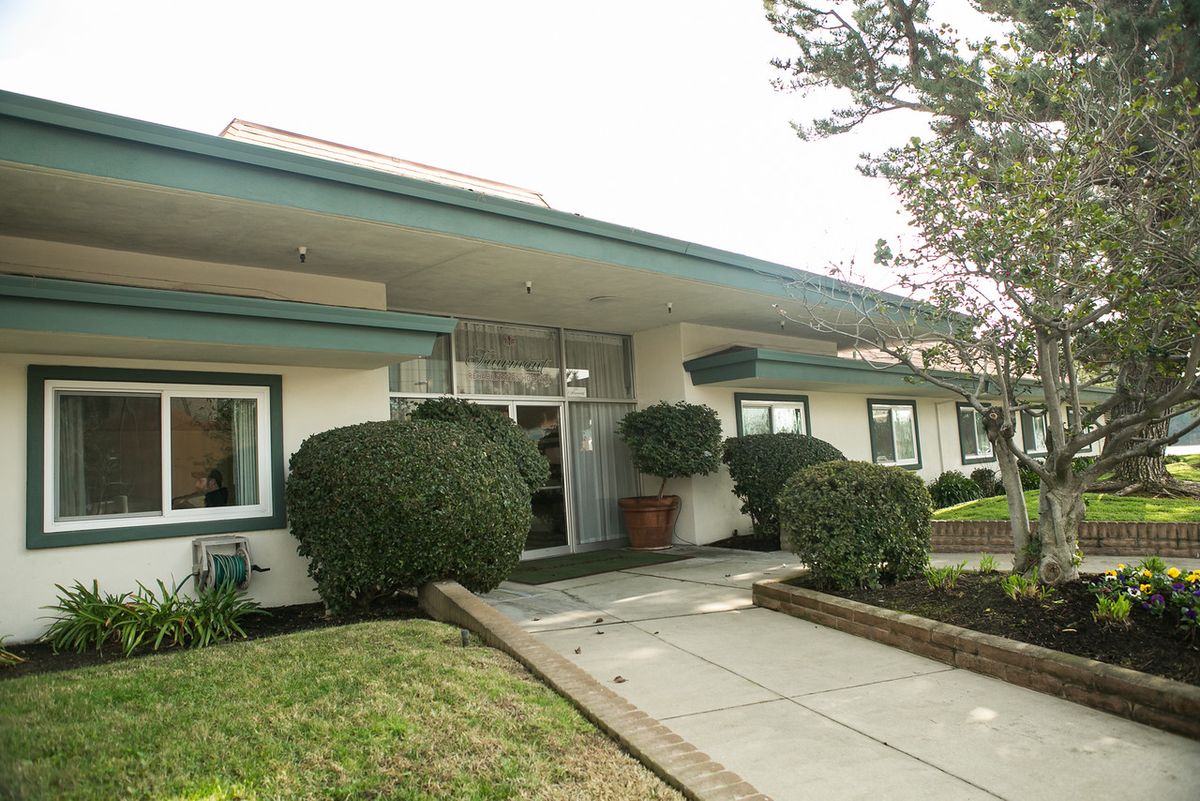
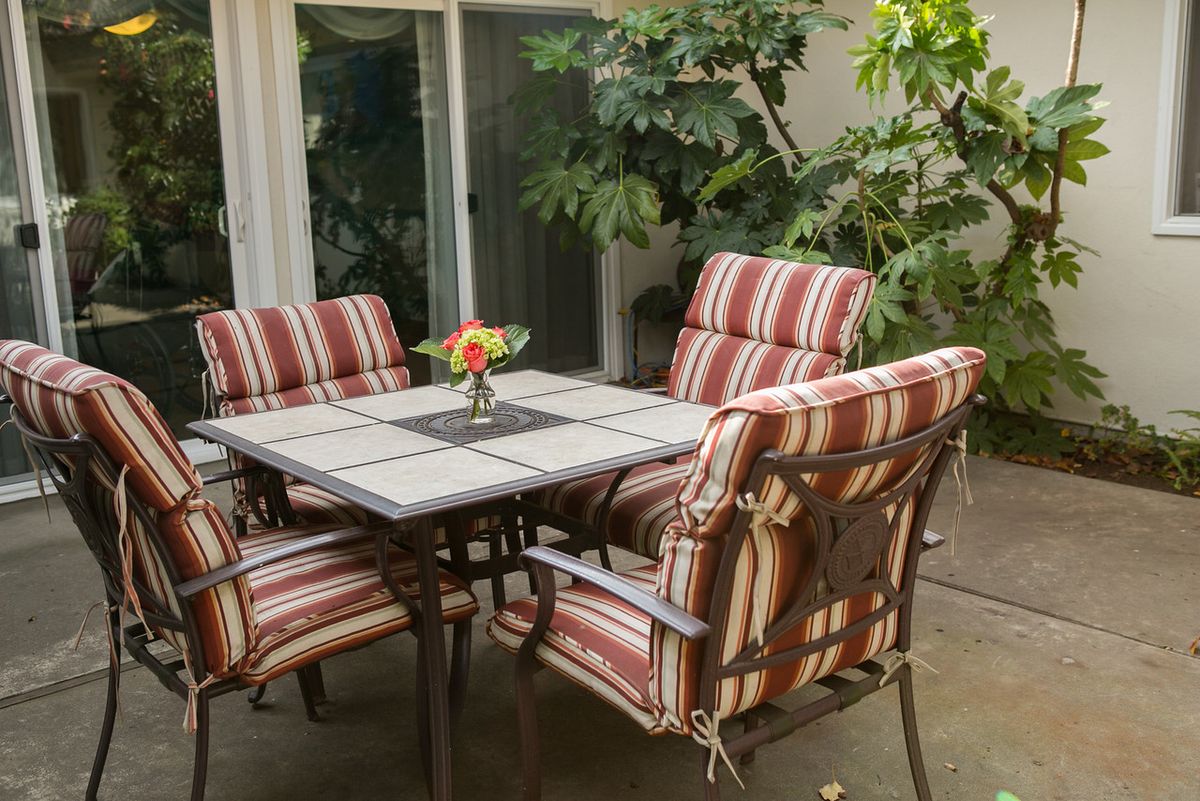
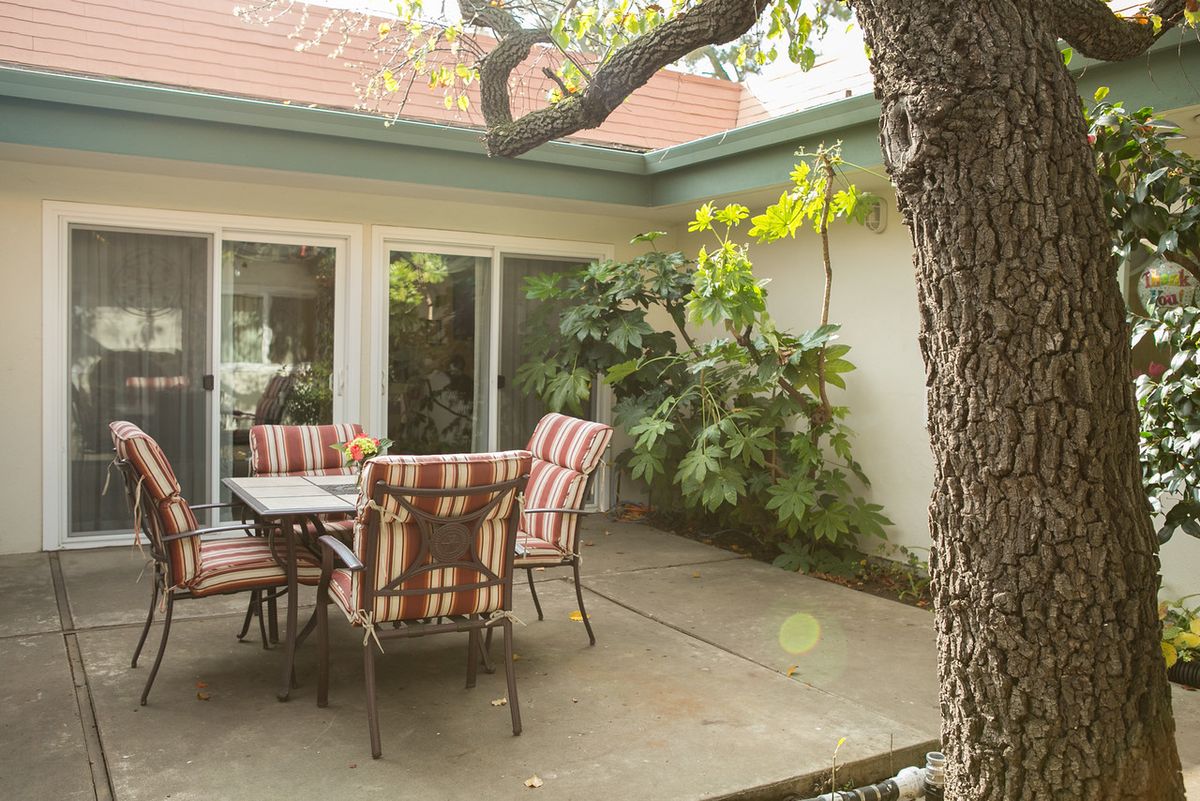
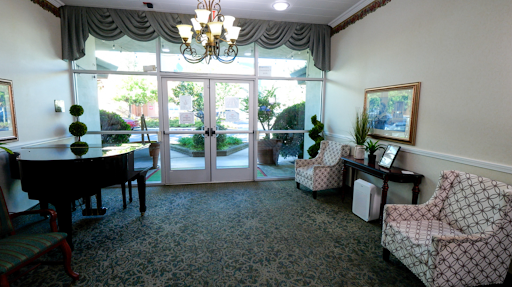
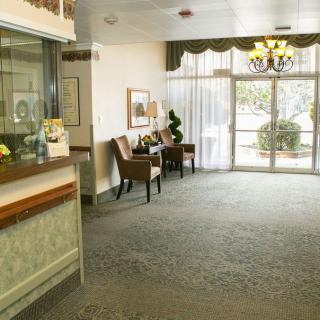
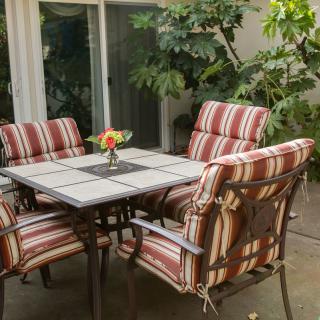
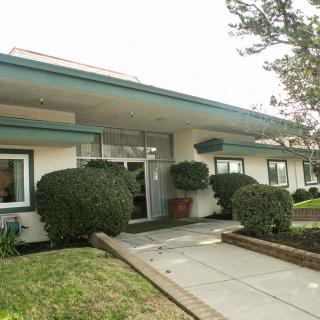
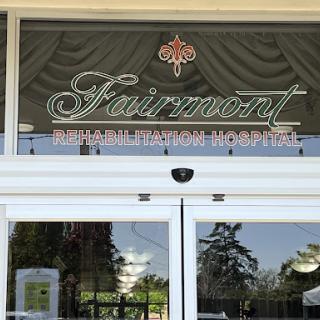
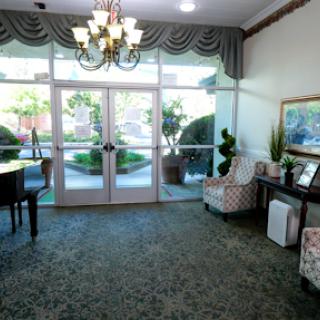
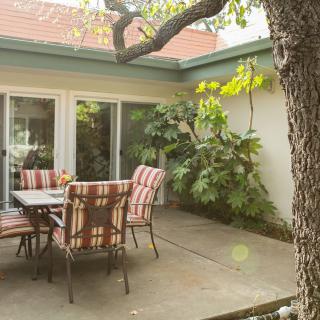
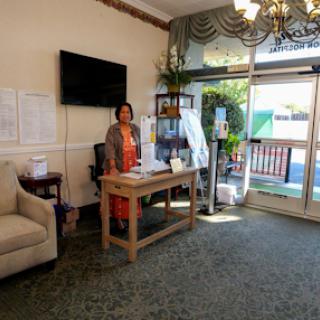
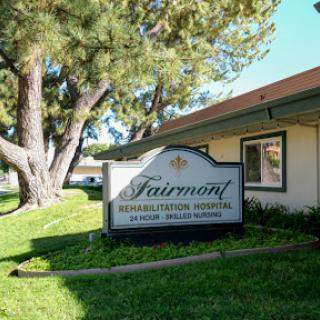
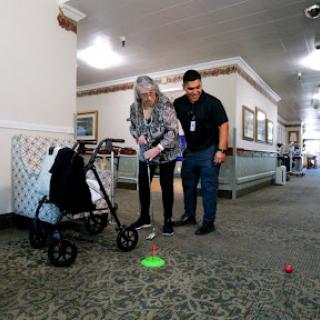
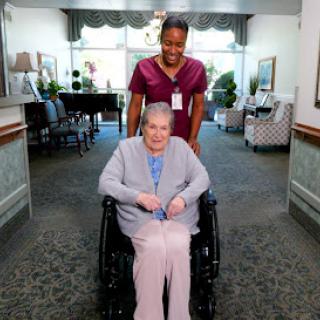
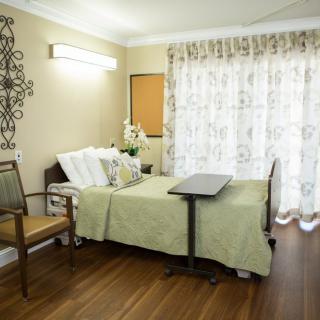
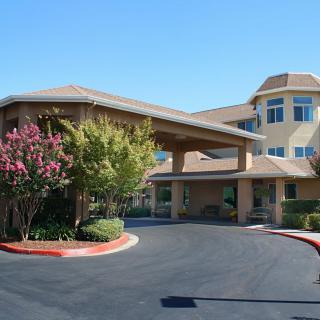
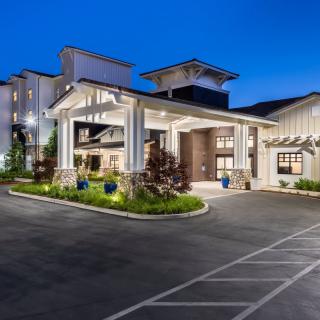
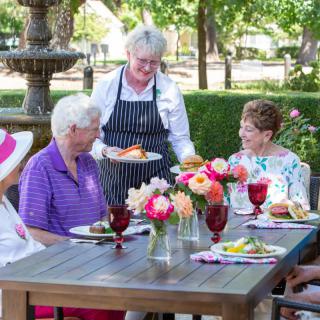
Fairmont Rehabilitation Hospital on seniors.fyi includes 14 photos including images showing entrance, interior, landscaping, building, lobby, outdoor, decor, patio, and more.
Nearby Communities
Vienna Nursing And Rehabilitation Center
Lodi, CA
4.1 from 17 reviews
Extensive amenities and 24/7 care.
Balance Assisted Living and Memory Care
Lodi, CA
4.4 from 50 reviews
$3,650 to $5,350 / month
Caring staff in a clean, inviting setting with personalized attention in a smaller community.
Lodi Nursing & Rehabilitation
Lodi, CA
4.6 from 98 reviews
Wide range of amenities and 24/7 care
Angels Paradise Care Home
Lodi, CA
4.8 from 16 reviews
Peaceful setting with convenient access to parks, shops, and healthcare services.
Royal Guest Home
Lodi, CA
4.6 from 55 reviews
$2,225 to $3,415 / month
Lower pricing than local averages with easy access to parks, pharmacies, doctors, restaurants, and hospitals.
Tamarack Manor
Lodi, CA
Excellent nearby amenities and healthcare access.
Solstice Senior Living At Lodi
Lodi, CA
4.5 from 127 reviews
$2,595 to $4,245 / month
Bright, well-maintained apartments with a robust activity calendar and caring staff.
Revel Lodi
Lodi, CA
4.8 from 132 reviews
$3,195 to $4,895 / month
Vibrant, resort-style independent living with a strong sense of community and high-quality dining at affordable pricing.
O'Connor Woods
Stockton, CA
4.3 from 27 reviews
$3,632 to $4,466 / month
Clean facility with friendly staff and flexible dining.
Arthritis encompasses over 100 joint disorders affecting people of all ages, leading to symptoms like pain and stiffness that impair mobility and quality of life. Effective management involves early diagnosis, lifestyle changes, medical treatments, emotional support, and ongoing monitoring with healthcare professionals.
The article highlights the high risk of falls among older adults due to factors like muscle weakness, vision issues, and environmental hazards, with one in four experiencing a fall annually. It advocates for a comprehensive prevention approach that includes exercise, home safety modifications, medication management, social support, and caregiver involvement.
Elder law attorneys assist older adults and their families with legal matters such as estate planning, Medicaid eligibility, and guardianships, while also providing protection against elder abuse. They help navigate complex regulations to safeguard financial resources, ensure well-being, and maintain autonomy for seniors.
Get PricingAsk A QuestionSchedule A TourContact Senior Advisor
By clicking submit, you agree to our Partner's Terms of Use. You
also consent to receive calls and texts, which may be autodialed, from our Partner. Your consent is not a condition to
using our Partner's service. Please visit our Partner's Privacy Policy for information about their privacy practices.




 59 resident community capacity
 Skilled Nursing Facility
 Air-conditioning
 Beauty salon
 Cable or satellite TV
 Computer center
 Dining room
 Fitness room
 Fully furnished
 Gaming room
 Garden
 Housekeeping services
 Kitchenette
 Move-in coordination
 Outdoor space
 Private bathrooms
 Restaurant-style dining
 Small library
 Telephone
 Wellness center
 Wi-Fi/high-speed internet available
 Community operated transportation
 12-16 hour nursing
 24-hour call system
 Activities of daily living assistance
 Assistance with bathing
 Assistance with dressing
 Assistance with transfers
 Diabetes diet
 Medication management
 Mental wellness program
 Special dietary restrictions
 Concierge services
 Planned day trips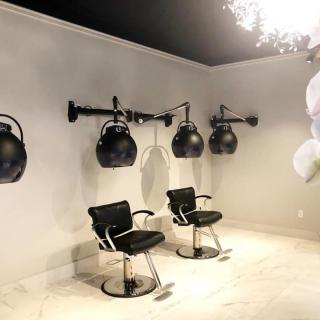
 Extensive amenities and 24/7 care.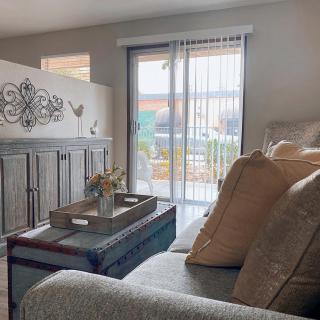
 Comprehensive Approaches for Arthritis: A Detailed Guide to Symptoms, Causes, and Care
 Comprehensive Insights and Practical Strategies to Help Older Adults Avoid Falls
 6 Crucial Ways an Elder Law Attorney Assists Families