
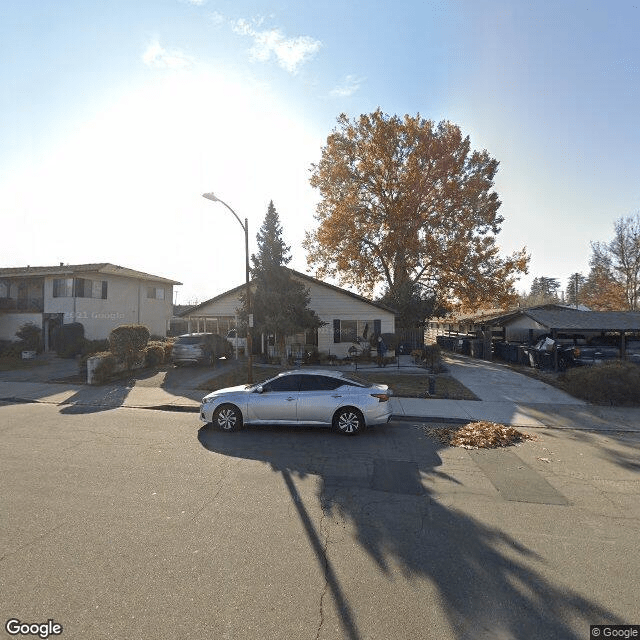
1330 West Walnut, Lodi, CA 95240
For more information about senior living options: (866) 208-4318
Home Sweet Home Costs & Pricing
At Home Sweet Home, we are proud to offer competitive pricing for our accommodations that cater to the diverse needs of our residents. Our semi-private rooms are available at $2,500 per month, significantly lower than the average rate of $3,074 in San Joaquin County and $3,333 across California. For those seeking a bit more privacy, our private rooms are offered at $3,500 per month, which also presents a favorable option compared to the county's average of $3,364 and the state's average of $3,939. These cost-effective options reflect our commitment to providing quality care while ensuring affordability in a market that often leans toward higher pricing.
| Floor plans | Home Sweet Home | San Joaquin County | California |
|---|---|---|---|
| Semi-Private | $2,500 | $3,074 | $3,333 |
| Private | $3,500 | $3,364 | $3,939 |
Assisted Living communities with a similar price nearby
-
About the same

Stetson Court Living
$2,500 / month15.3 miles away -
About the same

Rio Las Palmas
$2,510 to $3,125 / month9.0 miles away -
About the same
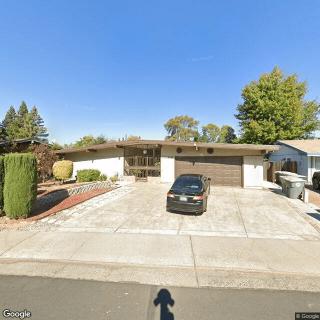
Home Sweet Home II
$2,500 to $3,500 / month20.3 miles away -
from +$300 / mo

Chateau At Elk Grove I
$2,800 / month20.1 miles away -
About the same
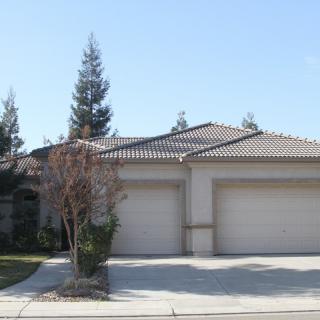
Bb's Home
$2,500 to $3,500 / month6.5 miles away
Overall Review of Home Sweet Home
Pros
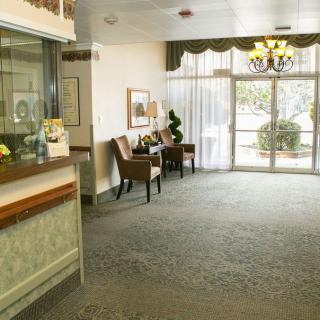
 The patio is pretty with potted plants and a bench, creating a pleasant outdoor space.
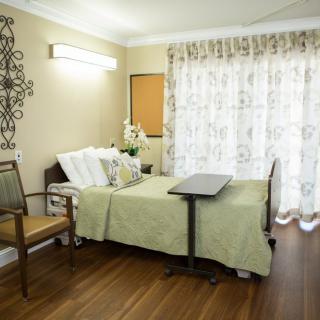
- Mickie's room is loved, with a glass door opening onto the patio.
- The home has a warm, friendly atmosphere and a close-knit feel because it’s a small house.
- The staff includes three full-time caregivers plus split shifts, providing attentive care for the residents.
- Clients are taken for walks and outings (to Walgreens, the Dollar Store, and around the track at Lodi High) with a van available for shopping.
- Caregivers sleep at night and check on clients, ensuring ongoing supervision.
- Personal care is emphasized, with caregivers doing nails and a hairdresser visiting.
Cons
 The reviewer questions whether the care is good enough for Mom.
- The kitchen is described as smallish, implying cramped facilities.
- The staff-to-client ratio may be insufficient for the number of residents.
- There may be a need for an additional phone line, indicating communication limitations.
Review
Home Sweet Home in Lodi, CA is best suited for seniors who want a compact, home-like assisted living experience where staff engage residents as neighbors and daily life stays intimate and manageable. The setting feels like a small house rather than a sprawling campus, with a warm, friendly vibe that comes from a tight-knit staff and a family-influenced ownership. Residents benefit from direct access to a patio, a modest kitchen where meals are prepared, and simple, personable activities such as holiday cooking and occasional outings. For families seeking a place that emphasizes comfort, personal touches, and a sense of being cared for in a familiar neighborhood environment, this community checks many of those boxes.
Those who may want to consider alternatives are primarily seniors with higher needs for continuous medical supervision or more structured programming. If around-the-clock awake staff, formal memory care, or a larger community with extensive on-site services are non-negotiable, this setting may feel insufficient. Privacy and space are at a premium in a small house, so families evaluating options for residents who crave private suites, more expansive common areas, or richer social programming should compare with larger facilities. Financial transparency and predictable budgeting are also practical determinants; direct conversations with the owner about costs and what’s included are essential before commitment.
The strongest positives here revolve around the intimate, hands-on care style and the daily conveniences that flow from a small footprint. The caregiving team is visible and involved, with multiple full-time staff and split shifts that support five assisted-living (AL) residents and a few independent-living (IL) residents in back. A notable upside is the social warmth, the same spaces where Mickie’s room opens onto a patio, residents can stroll around the track to nearby shops, and a van is available for shopping trips. Meals occur in a small kitchen, but the emphasis on cooking activities for holidays and the presence of in-house nail services and occasional hair appointments give the impression of personalized attention and a sense of “home” rather than clinical routine.
On the flip side, the lean staffing and the layout of care raise legitimate concerns for families prioritizing safety and continuous oversight. Night checks are described as happening, but only a couple of times, which may feel light for those whose loved ones require more frequent monitoring. The compact, house-like environment means shared spaces and limited privacy, which can be a drawback for residents who value larger, quieter living areas or more independent living arrangements within a community. The kitchen’s small size and the emphasis on in-house meals may limit menu variety, and one practical note points to the need for an additional telephone line or a reliable mobile plan for families to stay in contact, important factors for ongoing communication and peace of mind.
Careful weighing of pros and cons suggests this setting offsets its limitations best for residents who prize a homey atmosphere and straightforward routines over formal programming or surgical medical oversight. The personal touches, glass-door access to a sunny patio, in-house grooming services, and small, participatory activities, can translate into meaningful daily satisfaction for someone who thrives amid intimate, neighborly interactions. The convenience of local shopping trips, the use of a dedicated transport vehicle, and the social proximity of residents all support a sense of belonging that can reduce isolation. If safety and around-the-clock medical readiness are prized, however, these advantages may not fully compensate for the lean staffing model and space constraints.
For families actively evaluating, set clear decision milestones: confirm exact caregiver-to-resident ratios for day and night, verify how safety checks are conducted and documented, and request a sample daily schedule to gauge activity levels. Obtain a transparent, written understanding of monthly costs, what is included, and what would incur additional charges. Inquire about nurse availability, medication administration procedures, and emergency protocols, then compare these with other nearby communities offering larger staff rosters and more robust medical oversight. Finally, assess how well this home aligns with the resident’s personality, daily preferred activities, and desired level of independence versus assistance.
Bottom line: Home Sweet Home delivers a warm, intimate, home-like option in a compact setting that can fit well for seniors who value personal connection with staff, local outings, and simple, hands-on daily life. It is a compelling choice for residents who do not require intensive medical management and who thrive in a neighborly, small-house atmosphere. For those needing more comprehensive supervision, greater privacy, or larger-scale programming, alternatives that offer stronger clinical supports and bigger communal spaces are worth exploring. The decision should hinge on matching the resident’s comfort with close staff engagement, willingness to share space, and tolerance for a lean operational model against the desire for more expansive amenities and oversight.
 10 resident community capacity
 Assisted Living
 Board and Care Home
 Respite Care
 Activities off-site
 Cable or satellite TV
 Dining room
 Fully furnished
 Garden
 Housekeeping services
 Indoor common areas
 Move-in coordination
 Outdoor common areas
 Private
 Private bathrooms
 Telephone
 Wheelchair accessible showers
 Wi-Fi/high-speed internet available
 24-hour supervision
 Ambulatory care
 Assistance with bathing
 Assistance with dressing
 Assistance with transfers
 Diabetes diet
 Diabetic care
 High acuity care
 Incontinence care
 Meal preparation and service
 Medication management
 Special dietary restrictions
 Transportation arrangement (medical)
 Transportation to doctors appointments



 Comprehensive Insights into Activities of Daily Living (ADLs) and Their Assessment
 Medicare Coverage for Assisted Living: An In-Depth Exploration
 Your Comprehensive Guide to Luxury Assisted Living: Elevated Facilities, Amenities, and Costs