Residents frequently describe strong rehab and respiratory support during recovery.
Many reviews praise rehabilitation and respiratory care, with visitors saying the team was professional and responsive and helped patients make progress. Several people also mention respiratory therapy staff as knowledgeable and attentive, not just in passing but as part of ongoing care. A few comments connect that support to clearer updates and faster access to needed treatment, like wound care.
common28 reviews mention this
Staffing feels hit or miss
Reviews describe staffing that can be both very attentive and frustratingly slow.
Some residents and families write that nurses, respiratory staff, and the broader team were kind, efficient, and quick to respond—down to answering call lights and helping with care needs. Other reviews say the facility can be understaffed or that phone calls and requests for assistance are not reliably handled. There are also complaints about rude interactions, which contrasts with the number of positive mentions about friendliness and care.
caveat8 reviews mention this
Communication and call access
Families raise concerns about getting through and getting timely updates.
A recurring concern is difficulty reaching staff by phone or getting follow-ups when messages are left. Some reviews also describe problems getting help with day-to-day needs like Wi‑Fi. On the other hand, a few reviewers say the staff contacted them promptly when medications or care plans changed, showing the experience is not consistent.
caveat11 reviews mention this
Cleanliness and odor complaints
Several reviews mention odors and cleanliness issues in shared areas or rooms.
While some reviewers describe the facility as clean, well maintained, and patients looking well groomed, others report strong odor problems and describe rooms and shared areas as dirty or smelling like urine. A few comments also mention hygiene concerns, including issues with how thoroughly a patient was cleaned. Taken together, cleanliness is discussed in both highly positive and highly critical terms.
caveat11 reviews mention this
Medication, hygiene, and wound care
Some families complain about missed care basics and delayed attention to symptoms.
Several negative reviews focus on care details such as assistance with hygiene, bathroom help, medication schedules, and responding to wounds or skin issues. A few people describe prolonged neglect—like waiting for help, not cleaning thoroughly, or feeling that medications and orders were ignored. The criticism also extends to communication about a patient’s status and care plan decisions.
common5 reviews mention this
Food quality and meal experience
Food comes up often, with multiple reviewers calling it good.
Several reviews describe the food positively, including comments that meals were good or the food was great during short stays. Some reviewers tie meal satisfaction to an overall good rehab experience. Not everyone comments on dining, but when they do, the tone is more frequently positive than negative.
How we summarize
Counts show how many written reviews mention each theme; a review can touch several themes, and only frequently mentioned themes are displayed.
Features
Housing
256 resident community capacity
Types of Care
Skilled Nursing Facility
Amenities
Air-conditioning
Beauty salon
Cable or satellite TV
Computer center
Dining room
Fitness room
Fully furnished
Gaming room
Garden
Housekeeping services
Kitchenette
Move-in coordination
Outdoor space
Private bathrooms
Restaurant-style dining
Small library
Telephone
Wellness center
Wi-Fi/high-speed internet available
Transportation
San Diego International-Lindbergh (14 miles away)
Community operated transportation
Transportation arrangement
Transportation arrangement (non-medical)
Transportation to doctors appointments
Care Services
12-16 hour nursing
24-hour call system
24-hour supervision
Activities of daily living assistance
Assistance with bathing
Assistance with dressing
Assistance with transfers
Diabetes diet
Meal preparation and service
Medication management
Mental wellness program
Special dietary restrictions
Dining
Diabetes diet
Special dietary restrictions
Activities
Community-sponsored activities
Concierge services
Fitness programs
Planned day trips
Resident-run activities
Scheduled daily activities
Nearby Places of Interest
Physicians
Fereshteh Jahanpanah Medical Clinic (0.5 miles)
Dr Dominguez And Dr Ancona-Young Office (0.9 miles)
Elahe Toulouie, MD (2.2 miles)
Pushpanjalie Wijeratne, MD (2.3 miles)
Kaiser Permanente Vandever Medical Offices (8.4 miles)
NBHC Eastlake (9.2 miles)
Kaiser Permanente Viewridge Medical Offices 2 (10.1 miles)
Restaurants
Mal Al Sham (0.5 miles)
Saray Restaurant (1.3 miles)
Jack In The Box (1.4 miles)
Black Bear Diner El Cajon (1.7 miles)
Brigantine Seafood Restaurants (2.5 miles)
Jack In The Box (2.9 miles)
Jack In The Box (2.9 miles)
Pharmacies
CVS Pharmacy (0.5 miles)
Rite Aid (0.6 miles)
Walgreens (1.3 miles)
CVS Pharmacy (1.6 miles)
CVS Pharmacy (1.6 miles)
CVS Pharmacy (2.8 miles)
CVS Pharmacy (2.9 miles)
Cafes
Starbucks (0.5 miles)
Starbucks (2.9 miles)
The Simple Coffee House (5.3 miles)
Starbucks (5.8 miles)
Starbucks (5.9 miles)
The Coffee Bean and Tea Leaf (10.5 miles)
Kung Fu Tea (10.9 miles)
Places of Worship
El Camino Grace Church (1 miles)
Foothills Christian Church (2.1 miles)
Skyline Church (3.2 miles)
Our Lady Of Perpetual Help Cathollc Church (5.6 miles)
Corpus Christi Church (9.3 miles)
Parks
Mount Helix Park (2.1 miles)
Shadow Hill Park (3.7 miles)
Town Center Community Park (4.4 miles)
Semillon Boulevard. Mini Park (11.2 miles)
Hospitals
Sharp Grossmont Hospital Brier Patch (2.8 miles)
Stanford Court Nursing (3.7 miles)
Kaiser Permanente San Diego Medical Center/Kaiser Foundation Hospital (8.1 miles)
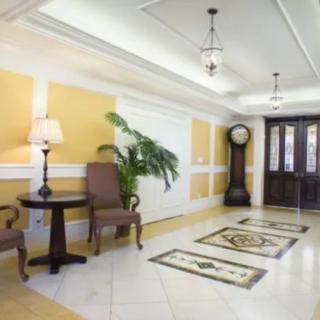
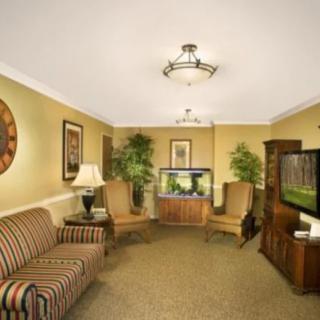
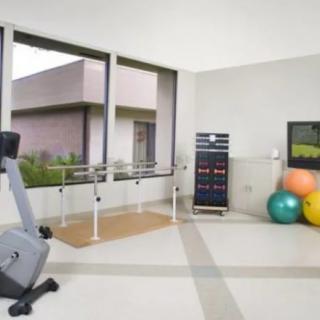
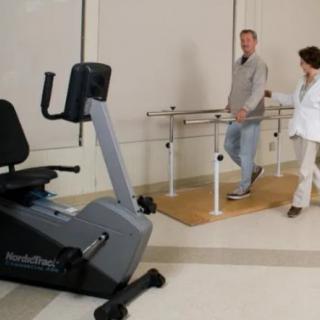
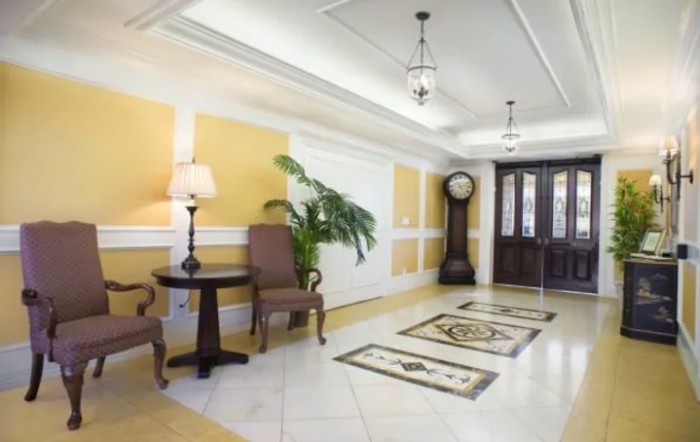
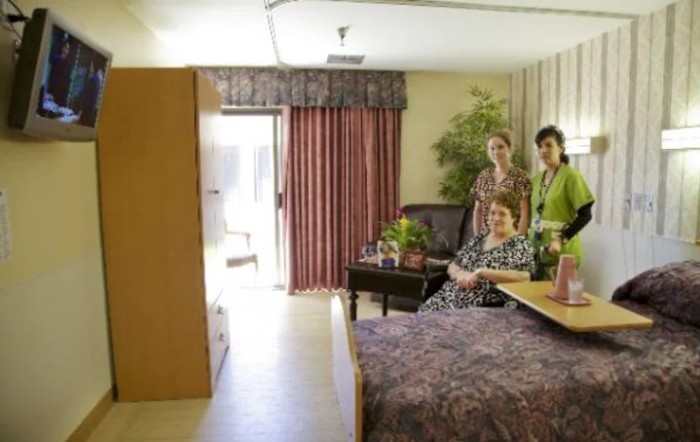
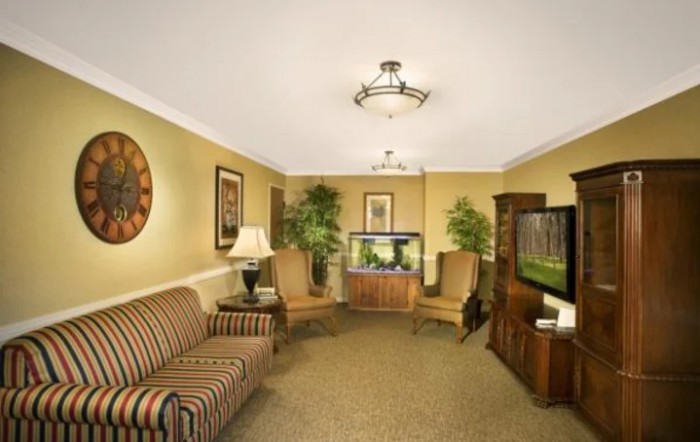
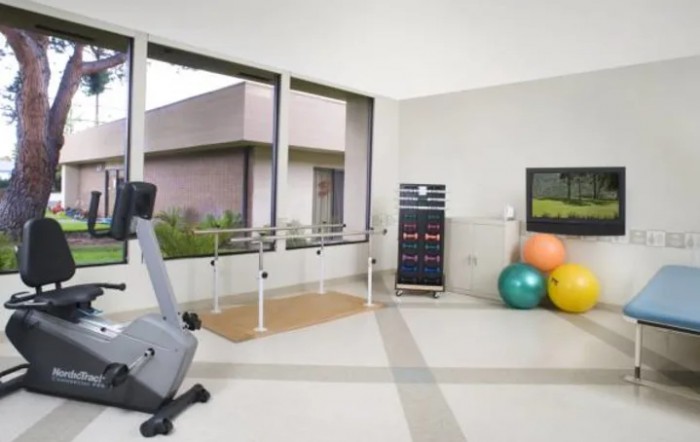
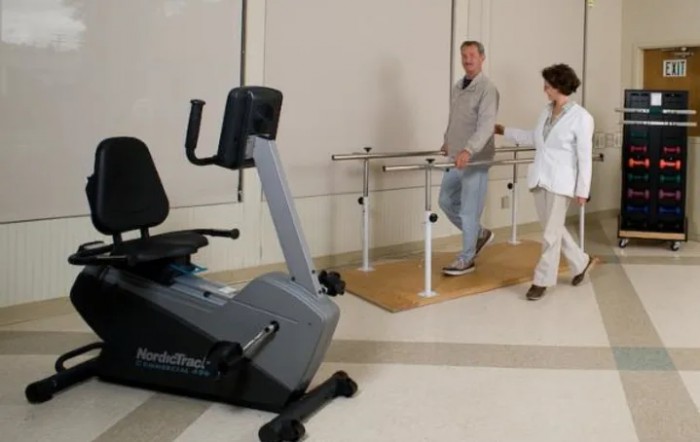
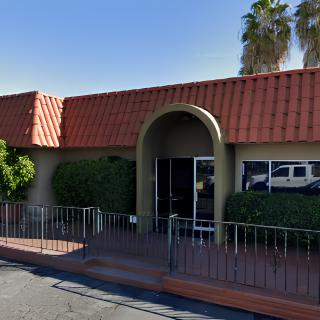
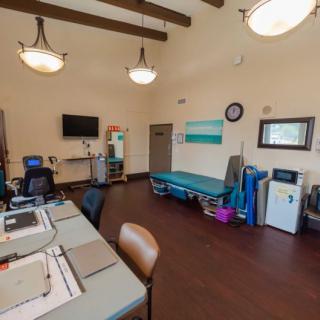
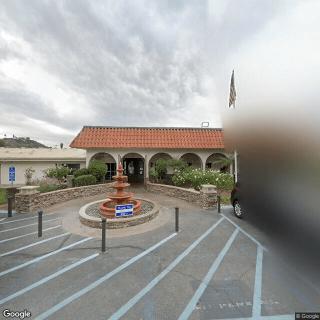
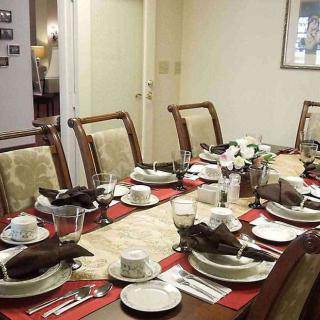
Avocado Post Acute on seniors.fyi includes 5 photos including images showing interior, exercise equipment, decor, living space, living room, television, artwork, aquarium, and more.
Nearby Communities
Fancor Guest Home
El Cajon, CA
2.5 from 2 reviews
Easy access to a variety of nearby amenities and services (cafes, parks, pharmacies, restaurants, hospitals, and places of worship).
Renaissance Living III
El Cajon, CA
Comprehensive care with on-site amenities and nearby services.
Carrolls Residential Care
El Cajon, CA
2.7 from 10 reviews
Respite care option with extensive amenities
Magnolia Post Acute Care
El Cajon, CA
4.2 from 108 reviews
Wide range of amenities with 24/7 assistance and engaging activities.
Villa Las Palmas Healthcare Center
El Cajon, CA
4.1 from 119 reviews
Caring staff with strong rehabilitation therapy and a clean, accessible environment.
Solstice Senior Living At El Cajon
El Cajon, CA
4.6 from 132 reviews
$2,845 to $3,695 / month
Friendly staff with a welcoming, active community.
Orangewood Manor
El Cajon, CA
4 from 4 reviews
Responsive medical attention and pass flexibility.
Casa El Cajon
El Cajon, CA
3.5 from 11 reviews
$1,100 / month
Affordable pricing with ample amenities and varied care options; generally friendly initial staff and a pleasant campus.
New Dawn Senior Care Home
El Cajon, CA
5 from 6 reviews
$4,500 / month
Caring staff and nutritious meals in a supportive board-and-care setting.
Skilled nursing facilities (SNFs) provide high-level medical care and rehabilitation for short-term recovery, typically covered by Medicare after hospitalization, while nursing homes focus on ongoing custodial care for chronic conditions, mainly funded by Medicaid or private payments. The staffing and regulatory structures differ significantly between the two, necessitating clarity for families in choosing appropriate long-term care options.
Nursing home care costs in the U.S. vary significantly based on location, level of care, and amenities, with private room prices ranging from approximately $6,700 to over $30,000 monthly. Families need to explore various payment options and conduct thorough research to manage these expenses effectively.
Nonmedical home care provides assistance with daily activities and companionship for individuals wishing to maintain independence and quality of life at home, without medical intervention. Its growing popularity is driven by an aging population, the need for supportive environments for recovery, and the emotional benefits of caregiver companionship, while costs vary based on service frequency and location.
Get PricingAsk A QuestionSchedule A TourContact Senior Advisor
By clicking submit, you agree to our Partner's Terms of Use. You
also consent to receive calls and texts, which may be autodialed, from our Partner. Your consent is not a condition to
using our Partner's service. Please visit our Partner's Privacy Policy for information about their privacy practices.

 256 resident community capacity
 Skilled Nursing Facility
 Air-conditioning
 Beauty salon
 Cable or satellite TV
 Computer center
 Dining room
 Fitness room
 Fully furnished
 Gaming room
 Garden
 Housekeeping services
 Kitchenette
 Move-in coordination
 Outdoor space
 Private bathrooms
 Restaurant-style dining
 Small library
 Telephone
 Wellness center
 Wi-Fi/high-speed internet available
 San Diego International-Lindbergh (14 miles away)
 Community operated transportation
 12-16 hour nursing
 24-hour call system
 Activities of daily living assistance
 Assistance with bathing
 Assistance with dressing
 Assistance with transfers
 Diabetes diet
 Medication management
 Mental wellness program
 Special dietary restrictions
 Concierge services
 Planned day trips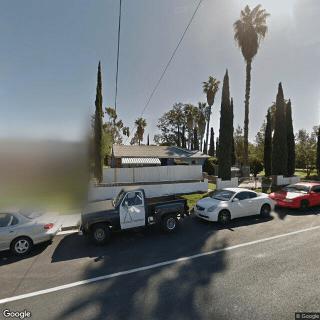
 Easy access to a variety of nearby amenities and services (cafes, parks, pharmacies, restaurants, hospitals, and places of worship).
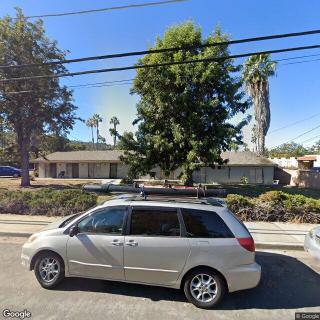
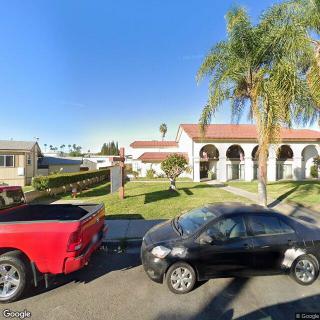
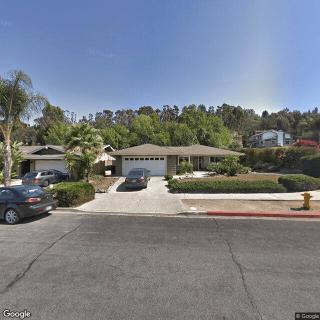
 Skilled Nursing Facilities vs. Nursing Homes: Making Sense of the Differences
 A Detailed Examination of Nursing Home Costs Across the U.S.
 Exploring Nonmedical Home Care: Understanding Services, Costs, and Financial Approaches