
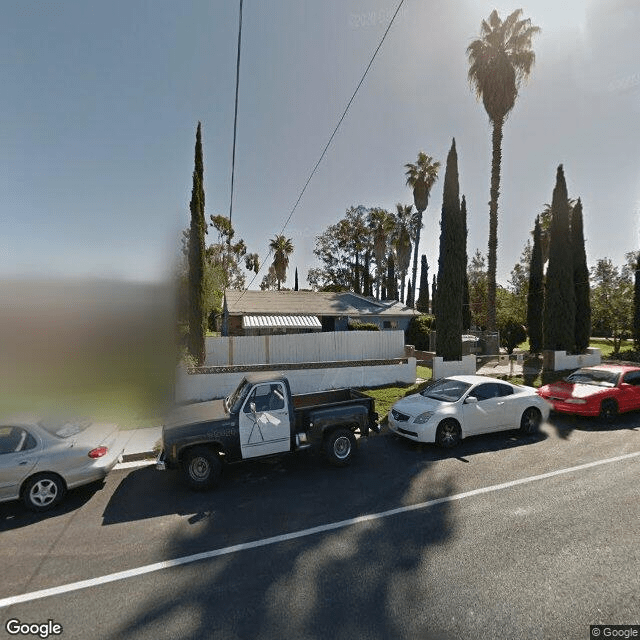
631 Taft Ave, El Cajon, CA 92020
To contact a resident: (619) 588-1761
For more information about senior living options: (866) 208-4318
Overall Review of Fancor Guest Home
Pros
 This place is a home for people with disabilities.
- They treat him better than any other place he's lived before.
Cons
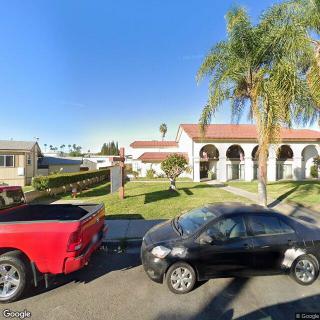
 The property grounds are in disrepair.
- There is mold and old cigarette odor around the place.
- It smells like decay.
- There are no activities for the residents.
- Residents stand outside their doors all day smoking cigarettes and taking care of a bunch of homeless cats.
- The place is a fire hazard just waiting to happen.
Review
This community appears best suited for residents who need close, personal attention from staff within a small, home-like setting, particularly those with mental health or developmental challenges who benefit from consistent, compassionate caregiving. The strongest signal is relational: a resident or family that prioritizes individualized care and staff responsiveness may find this environment comforting despite its drawbacks. For families seeking a pristine campus, abundant social programming, and strict safety measures, this is not the first choice.
Alternatives should be considered by anyone who places a premium on cleanliness, odor control, and safety infrastructure. If the resident cannot tolerate lingering mold or cigarette smells, disrepair in common areas, or a facility that feels unkempt, looking elsewhere is prudent. Also, if robust activity calendars, structured socialization, and proactive safety protocols are non-negotiable, this community warrants a hard comparison against better-reviewed options. In short, those who want a spacious, well-maintained campus with predictable routines may find better fits elsewhere.
The primary positive takeaway is the evident dedication of staff toward individual residents. When a caregiver relationship becomes the main differentiator, it can translate into steadier medication routines, more personalized attention, and a sense of belonging that supports emotional well-being. This relational strength should not be underestimated, especially for residents who value feeling seen and treated with dignity on a daily basis. However, even strong staff rapport cannot wholly compensate for environmental and programmatic gaps that shape daily quality of life.
The weight of the negatives is substantial. Reports of grounds in disrepair, a pervasive mold and cigarette odor, and what amounts to a fire-safety concern create a troubling baseline for daily life. The absence of resident activities beyond passive presence, no structured programs or meaningful engagement, exacerbates risk of social isolation and functional decline. The image of residents standing outside doors to smoke, and the presence of stray cats around a living environment, adds layered concerns about air quality, safety, pest management, and overall care standards. These factors collectively undermine independence and confidence in long-term safety.
For families evaluating a move, a disciplined verification plan matters. Request up-to-date maintenance schedules and evidence of remediation on odor and mold risks; ask to review the latest health and safety inspections; inquire about smoking policies and how they affect resident exposure and building safety. Seek a clear activity plan with daily and weekly programming, including cognitive, physical, and social opportunities, and ask to meet direct care staff to gauge consistency and continuity of care. If possible, observe a routine at different times of day to assess how quickly issues are addressed and how engaged residents appear.
Ultimately, this community may work for a specific profile: a resident who thrives on consistent, warm staff interactions within a small, intimate setting and can accept a less polished environment in exchange for individualized attention. For most families prioritizing a clean, safe, and actively engaged living experience, looking at other options is advisable. The decision should hinge on balancing the undeniable value of compassionate caregiving against environmental shortcomings and the absence of structured activity, questions best answered through direct observation, candid staff conversations, and a head-to-head comparison with higher-rated facilities in the area.
 Board and Care Home
 San Diego International-Lindbergh (14 miles away)



 Comprehensive Exploration of Living Wills and Other Advance Directives
 A Detailed Exploration of Living Wills and Advance Directives
 Comprehensive Guide to Medicare Coverage for Hospice Care