Royal Crest Health Care is a nursing home community in Covina, CA.
Information last verified:
519 West Badillo Street, Covina, CA 91722
For more information about senior living options: (866) 208-4318
4.1 from 35 reviews
5 stars
27
4 stars
0
3 stars
0
2 stars
1
1 stars
7
Overall Review of Royal Crest Health Care
differentiator2 reviews mention this
Around-the-clock supervision is emphasized
Residents describe day-and-night coverage that supports recovery and ongoing needs.
A couple of reviewers specifically call out support that spans the day and night. One person describes comfort knowing a loved one had 24-hour care, and another highlights a day and night shift team that was “always there” to care for them. This lines up with the community’s listed availability for nursing call and supervision coverage.
differentiator4 reviews mention this
Therapists focus on daily progress
Therapy sessions are described as hands-on and focused on key recovery goals.
Several residents or families describe therapy that worked with their mobility and everyday functioning. Reviewers mention therapists working daily on skills like walking, coordination, speech, and swallowing, along with physical therapy support during a rehabilitation stay. The community also offers meal preparation and service and assistance with activities of daily living, which can be important during therapy recovery.
common17 reviews mention this
Staff friendliness and communication stand out
Family members consistently describe staff who are friendly and keep communication open.
Many reviewers praise staff for being warm, compassionate, and responsive with updates to families. Multiple comments highlight clear communication about care and progress, and several name specific staff members as attentive and supportive. A few also mention that staff handled questions promptly and followed up on concerns during the stay.
caveat5 reviews mention this
Delayed response and neglect concerns
Some residents and families report serious problems with responsiveness and safety.
While many reviews are positive, several are sharply negative about nursing response times and whether needs were attended to promptly. A few reviewers also describe outcomes they attribute to lapses in care, including delayed restroom help, falls and reporting issues, and concerns about hygiene and medical escalation. These critical reviews are the reason this community should be researched closely before choosing it for a loved one.
caveat5 reviews mention this
Cleanliness is praised—but also questioned
Cleanliness is a mixed experience, with both praise and complaints appearing in reviews.
Some reviewers describe the facility as very clean and well managed, including during times when they visited frequently. Others report the opposite, using terms like “filthy” and describing hygiene and cleanliness issues during their loved ones’ stays. Because the reviews disagree, it’s worth asking directly how rooms, linens, and resident comfort needs are handled day to day.
How we summarize
Counts show how many written reviews mention each theme; a review can touch several themes, and only frequently mentioned themes are displayed.
Features
Housing
59 resident community capacity
Types of Care
Skilled Nursing Facility
Amenities
Air-conditioning
Beauty salon
Cable or satellite TV
Computer center
Dining room
Fitness room
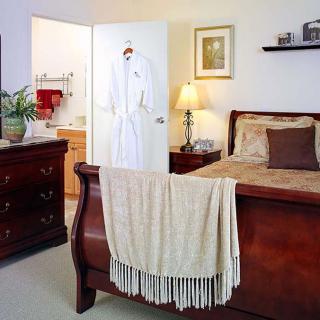
Fully furnished
Gaming room
Garden
Housekeeping services
Kitchenette
Move-in coordination
Outdoor space
Private bathrooms
Restaurant-style dining
Small library
Telephone
Wellness center
Wi-Fi/high-speed internet available
Transportation
Ontario International (17 miles away)
Long Beach (Daugherty) (24 miles away)
Community operated transportation
Transportation arrangement
Transportation arrangement (non-medical)
Transportation to doctors appointments
Care Services
12-16 hour nursing
24-hour call system
24-hour supervision
Activities of daily living assistance
Assistance with bathing
Assistance with dressing
Assistance with transfers
Diabetes diet
Meal preparation and service
Medication management
Mental wellness program
Special dietary restrictions
Dining
Diabetes diet
Special dietary restrictions
Activities
Community-sponsored activities
Concierge services
Fitness programs
Planned day trips
Resident-run activities
Scheduled daily activities
Nearby Places of Interest
Pharmacies
CVS Pharmacy (0.4 miles)
CVS Pharmacy (0.5 miles)
Walgreens (0.5 miles)
CVS Pharmacy (0.7 miles)
CVS Pharmacy (2.9 miles)
CVS Pharmacy (2.9 miles)
CVS Pharmacy (3.3 miles)
Hospitals
Rowland Convalescent Hospital (0.6 miles)
Kindred Hospital San Gabriel Valley (1 miles)
City Of Hope (5.1 miles)
Hope (5.1 miles)
Kaiser Permanente Baldwin Park Medical Center (5.2 miles)
Casa Bonita (6 miles)
Pomona Valley Hospital Medical Center (8.5 miles)
Cafes
Starbucks (0.8 miles)
Starbucks (1.4 miles)
Panera Bread (2.3 miles)
Porto's Bakery & Cafe (2.3 miles)
The Donut Man (4.1 miles)
Starbucks (6.6 miles)
Flo's Coffee Shop (6.7 miles)
Restaurants
In-N-Out Burger (1.5 miles)
In-N-Out Burger (2 miles)
Raging Waters (5.1 miles)
In-N-Out Burger (5.5 miles)
Chick-Fil-A (5.5 miles)
McDonald's (5.8 miles)
Master Fresh Donuts (6.3 miles)
Physicians
Glendora Dentistry (3.7 miles)
Healthcare Partners (5.1 miles)
Foothill Dermatology Medical Center (5.3 miles)
Kaiser Permanente Diamond Bar Medical Offices (7.2 miles)
Private pay home care offers a flexible caregiving option for older adults and families who don't qualify for government programs, allowing them to directly fund in-home care services that range from daily assistance to specialized support. This model's customization potential enables aging in place while addressing financial considerations through strategic planning options, though clients must navigate marketplace challenges and ensure quality compliance.
Arthritis encompasses over 100 joint disorders affecting people of all ages, leading to symptoms like pain and stiffness that impair mobility and quality of life. Effective management involves early diagnosis, lifestyle changes, medical treatments, emotional support, and ongoing monitoring with healthcare professionals.
The article highlights the high risk of falls among older adults due to factors like muscle weakness, vision issues, and environmental hazards, with one in four experiencing a fall annually. It advocates for a comprehensive prevention approach that includes exercise, home safety modifications, medication management, social support, and caregiver involvement.
Get PricingAsk A QuestionSchedule A TourContact Senior Advisor
By clicking submit, you agree to our Partner's Terms of Use. You
also consent to receive calls and texts, which may be autodialed, from our Partner. Your consent is not a condition to
using our Partner's service. Please visit our Partner's Privacy Policy for information about their privacy practices.

 59 resident community capacity
 Skilled Nursing Facility
 Air-conditioning
 Beauty salon
 Cable or satellite TV
 Computer center
 Dining room
 Fitness room
 Fully furnished
 Gaming room
 Garden
 Housekeeping services
 Kitchenette
 Move-in coordination
 Outdoor space
 Private bathrooms
 Restaurant-style dining
 Small library
 Telephone
 Wellness center
 Wi-Fi/high-speed internet available
 Ontario International (17 miles away)
 Community operated transportation
 12-16 hour nursing
 24-hour call system
 Activities of daily living assistance
 Assistance with bathing
 Assistance with dressing
 Assistance with transfers
 Diabetes diet
 Medication management
 Mental wellness program
 Special dietary restrictions
 Concierge services
 Planned day trips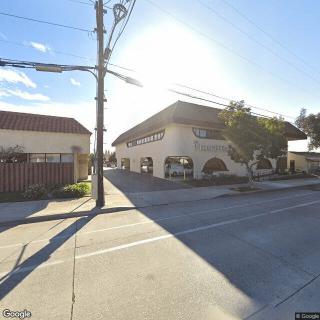
 Nearby amenities and healthcare access.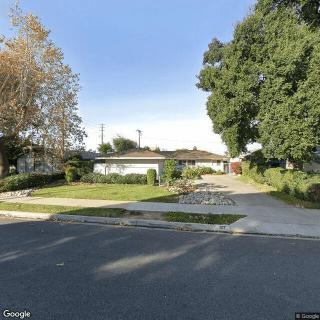



 A Closer Look at Private Pay Home Care
 Comprehensive Approaches for Arthritis: A Detailed Guide to Symptoms, Causes, and Care
 Comprehensive Insights and Practical Strategies to Help Older Adults Avoid Falls