For more information about senior living options: (866) 208-4318
2.7 from 46 reviews
5 stars
15
4 stars
3
3 stars
3
2 stars
3
1 stars
22
Overall Review of Clara Baldwin Stocker Home
common14 reviews mention this
Staff responsiveness is mixed
Residents describe staff as helpful when they can get attention.
Many reviewers say staff members promptly helped with day-to-day needs, from bathing to coordinating moves or addressing concerns. Several also describe staff as kind, capable, and attentive, including nurse and therapy teams during recovery. At the same time, other residents report delays in getting help and problems with follow-through, including call-light waits and denied services.
common8 reviews mention this
Physical therapy supports recovery
Rehabilitation teams are a frequent focus of reviews.
Multiple families describe rehab progress tied to therapy—especially after events like a stroke or a broken hip. Reviewers mention physical therapists helping with functional goals and note nurses and aides staying involved in care during the stay. One resident also references hospice and ongoing care, while another points out physical therapy can be understaffed.
caveat22 reviews mention this
Care and staffing draw complaints
Several reviews raise concerns about care quality and staffing.
A recurring criticism is that residents did not receive the level of monitoring or timely assistance they needed, including missed or delayed response to requests. Some reviews describe neglected basics such as hygiene or diaper changes, while others mention infections or medical problems discovered only after transfer. Several families also criticize doctor availability or discharge and evaluation decisions, including situations where paperwork or treatment instructions caused major stress at the end of a stay.
caveat8 reviews mention this
Food quality is inconsistent
Food reviews are divided between customized meals and harsh complaints.
Some residents say the food was good or that the kitchen would tailor meals to preferences. Others describe meals as inedible, cold, tasteless, or lacking choices, and a few link food issues with dissatisfaction about overall care. Overall, the reviews suggest dining experience can vary widely from person to person and stay to stay.
common8 reviews mention this
Cleanliness is often mentioned
Cleanliness shows up repeatedly in both positive and negative reviews.
Several reviewers praise the facility as clean and well-maintained, including comments about odors and overall presentation. Others report dirt, smells such as mold, and cleanliness problems they felt affected resident outcomes. Combined, the feedback suggests cleanliness can be a strong point—or a notable concern—depending on the stay.
How we summarize
Counts show how many written reviews mention each theme; a review can touch several themes, and only frequently mentioned themes are displayed.
Features
Housing
48 resident community capacity
Types of Care
Board and Care Home
Skilled Nursing Facility
Amenities
Beauty salon
Cable or satellite TV
Dining room
Fully furnished
Garden
Housekeeping services
Kitchenette
Move-in coordination
Outdoor space
Restaurant-style dining
Small library
Telephone
Wi-Fi/high-speed internet available
Transportation
Ontario International (19 miles away)
Long Beach (Daugherty) (21 miles away)
Care Services
24-hour call system
24-hour supervision
Activities of daily living assistance
Assistance with bathing
Assistance with dressing
Assistance with transfers
Diabetes diet
Meal preparation and service
Medication management
Mental wellness program
Special dietary restrictions
Dining
Diabetes diet
Special dietary restrictions
Activities
Community-sponsored activities
Resident-run activities
Scheduled daily activities
Nearby Places of Interest
This part of West Covina, California offers a variety of amenities that may be appealing for seniors looking to settle in the area. With several cafes such as Panera Bread and Porto's Bakery & Cafe nearby, as well as hospitals like Kindred Hospital San Gabriel Valley and Kaiser Permanente Baldwin Park Medical Center within close proximity, residents have access to convenient dining options and quality healthcare services. Additionally, there are numerous pharmacies like CVS Pharmacy and Walgreens nearby for easy access to medication and other health necessities. For recreational activities, there are several parks like Creekside Park and Frank G. Bonelli Regional Park within a short drive, providing opportunities for outdoor leisure. The area also boasts options for entertainment with the AMC Puente Hills 20 theater located only a few miles away. With various places of worship, physicians' offices, and transportation options available, this part of West Covina offers a comfortable and convenient living environment for seniors.
Cafes
Panera Bread (0.4 miles)
Porto's Bakery & Cafe (0.7 miles)
Starbucks (2.2 miles)
Starbucks (2.6 miles)
Flo's Coffee Shop (5.4 miles)
Tiger Sugar (5.5 miles)
The Donut Man (6.2 miles)
Hospitals
Kindred Hospital San Gabriel Valley (1.6 miles)
Rowland Convalescent Hospital (2 miles)
Kaiser Permanente Baldwin Park Medical Center (3.4 miles)
City Of Hope (5.1 miles)
Hope (5.2 miles)
Casa Bonita (7.9 miles)
Methodist Hospital of Southern California (8.2 miles)
Pharmacies
CVS Pharmacy (1.7 miles)
Walgreens (1.9 miles)
CVS Pharmacy (1.9 miles)
CVS Pharmacy (2.2 miles)
Walgreens (2.4 miles)
CVS Pharmacy (2.4 miles)
CVS Pharmacy (3 miles)
Restaurants
In-N-Out Burger (2.6 miles)
In-N-Out Burger (4.1 miles)
Master Fresh Donuts (4.2 miles)
Thirsty Cow Korean BBQ (4.9 miles)
Banana Bay Restaurant (5.4 miles)
McDonald's (5.8 miles)
Chick-Fil-A (5.8 miles)
Parks
Creekside Park (3.7 miles)
Frank G. Bonelli Regional Park (6.4 miles)
Live Oak Park (7.5 miles)
Arcadia County Park (7.9 miles)
Rosemead Park (8.2 miles)
Pantera Park (8.5 miles)
Michigan Park (8.8 miles)
Theaters
AMC Puente Hills 20 (4.9 miles)
0206 Amc Bar Santa Ani (8.5 miles)
Places of Worship
Real Life (5.8 miles)
Calvary Chapel Golden Springs (7.3 miles)
Arcadia Chinese Baptist Church (7.6 miles)
First Evangelical Church Arcadia (7.7 miles)
Physicians
Glendora Dentistry (5.8 miles)
Kaiser Permanente Diamond Bar Medical Offices (7 miles)
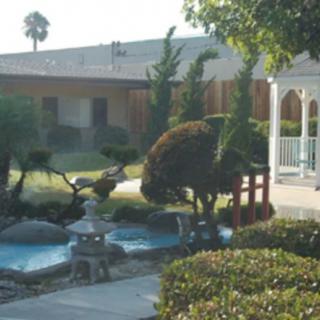
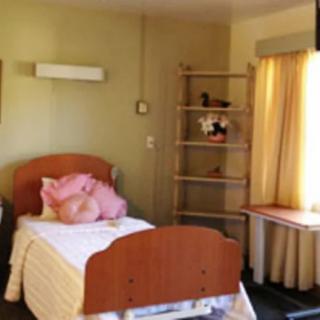
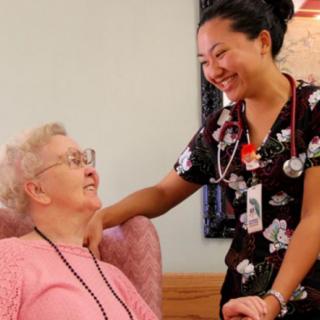
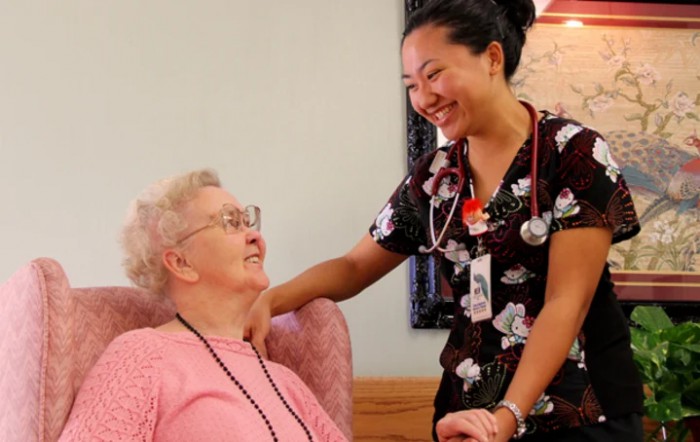
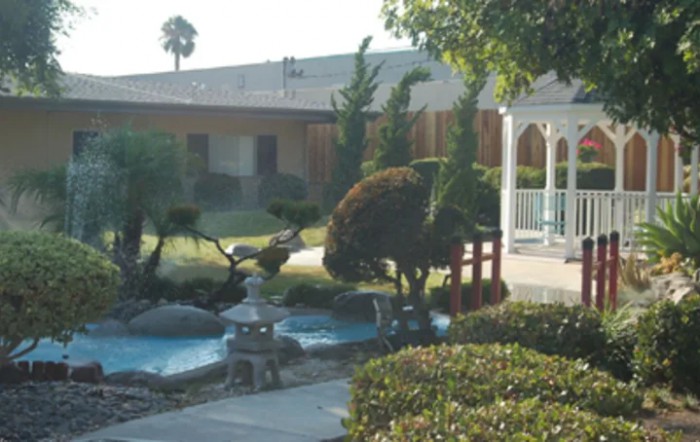
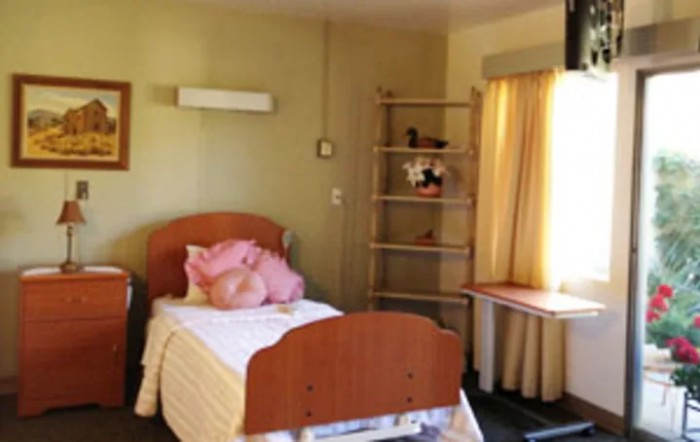
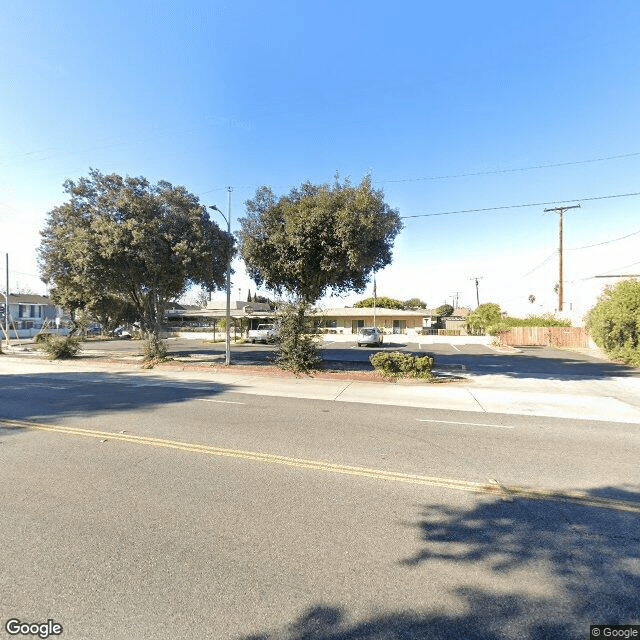
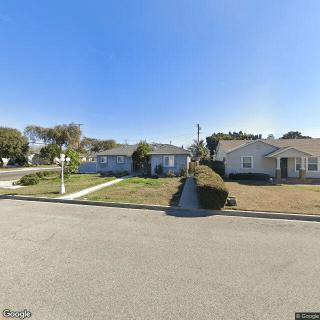
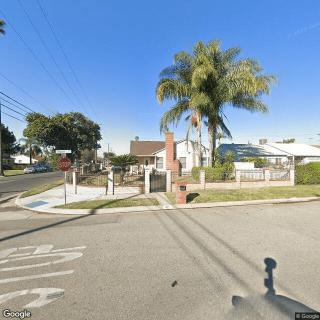
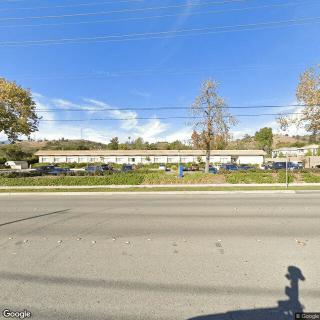
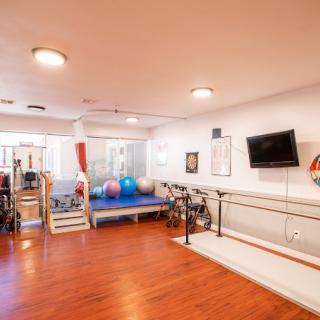
Clara Baldwin Stocker Home on seniors.fyi includes 4 photos including images showing bedroom, nurse, garden, landscaping, architecture, gazebo, outdoors, decor, and more.
Nearby Communities
Country View Assisted Living
West Covina, CA
4.3 from 21 reviews
$1,600 to $3,000 / month
Caring, attentive staff and a clean, engaging environment.
Heartland Hospice CAre
West Covina, CA
5 from 1 review
Excellent access to nearby pharmacies, hospitals, dining options, and parks.
Circle of Care Home
West Covina, CA
5 from 2 reviews
$1,800 to $2,500 / month
Affordable private/semi-private rooms with 24/7 care in West Covina.
Haven of Life
West Covina, CA
1 from 2 reviews
$3,200 to $4,000 / month
Private bathrooms in every room
Vine Residence
West Covina, CA
2.7 from 9 reviews
Small, personalized board-and-care with 24/7 supervision and comprehensive care.
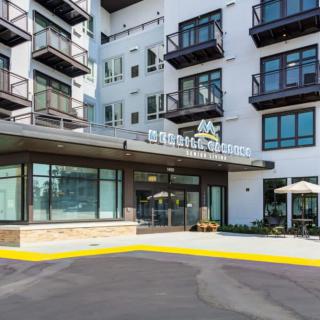
Merrill Gardens at West Covina
West Covina, CA
4.8 from 80 reviews
$3,200 to $4,395 / month
Clean, well-maintained environment with friendly staff and quality dining.
Clearwater at Glendora OpCo LLC
Glendora, CA
4.7 from 32 reviews
$4,150 to $7,000 / month
Friendly, attentive staff with engaging activities in a clean, welcoming environment.
Gladstone Care and Rehabilitation
Glendora, CA
3.8 from 113 reviews
Helpful staff and engaging activities; some facility improvements noted.
Monrovia Post Acute
Duarte, CA
3.1 from 24 reviews
Fully furnished with extensive amenities and 24/7 care support
The article emphasizes the critical role of supportive employee benefits for caregivers, advocating for flexible scheduling, paid leave, and mental health services to ease their challenges while enhancing employee well-being and organizational loyalty. It also highlights the importance of strong leadership in promoting these initiatives to foster a sustainable workplace culture that values caregivers.
Senior drivers prioritize comfort, safety, and ease of use in vehicles due to age-related challenges, seeking features like easy entry, clear visibility, and modern driver-assistance technologies. Recommended models include the Subaru Forester, Honda CR-V, and Toyota Camry, with emphasis on test-driving for personal comfort and evaluating crash-test ratings alongside insurance considerations.
Private pay home care offers a flexible caregiving option for older adults and families who don't qualify for government programs, allowing them to directly fund in-home care services that range from daily assistance to specialized support. This model's customization potential enables aging in place while addressing financial considerations through strategic planning options, though clients must navigate marketplace challenges and ensure quality compliance.
Landscaping, Architecture, Garden, Outdoors, and Gazebo
Healthcare and Nurse
Get PricingAsk A QuestionSchedule A TourContact Senior Advisor
By clicking submit, you agree to our Partner's Terms of Use. You
also consent to receive calls and texts, which may be autodialed, from our Partner. Your consent is not a condition to
using our Partner's service. Please visit our Partner's Privacy Policy for information about their privacy practices.

 48 resident community capacity
 Board and Care Home
 Skilled Nursing Facility
 Beauty salon
 Cable or satellite TV
 Dining room
 Fully furnished
 Garden
 Housekeeping services
 Kitchenette
 Move-in coordination
 Outdoor space
 Restaurant-style dining
 Small library
 Telephone
 Wi-Fi/high-speed internet available
 Ontario International (19 miles away)
 24-hour call system
 Activities of daily living assistance
 Assistance with bathing
 Assistance with dressing
 Assistance with transfers
 Diabetes diet
 Medication management
 Mental wellness program
 Special dietary restrictions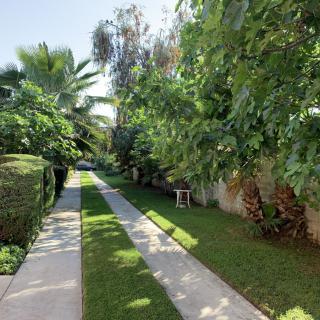
 Caring, attentive staff and a clean, engaging environment.
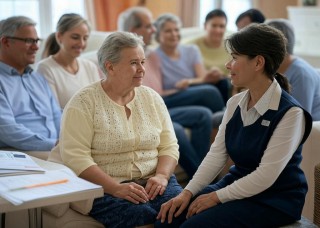 Supportive Employee Benefits That Help Caregivers Attain Better Work-Life Harmony
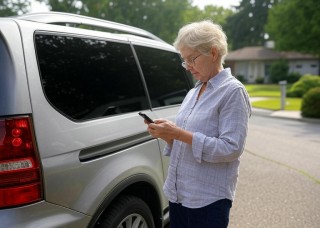 Top Cars for Senior Drivers and Essential Safety Innovations
 A Closer Look at Private Pay Home Care