
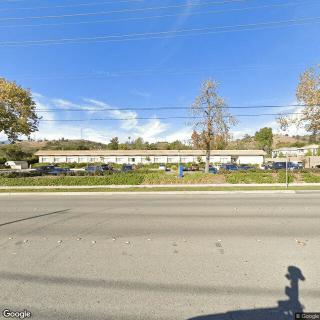
1405 East Vine Avenue, West Covina, CA 91791
For more information about senior living options: (866) 208-4318
Overall Review of Vine Residence
Pros
 The staff is pleasant on the phone and willing to help.
- There is a friendly, supportive community of seniors.
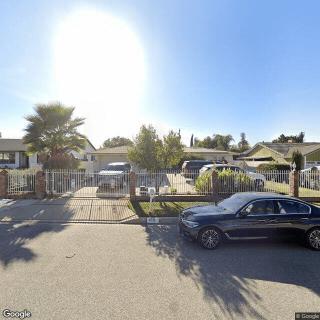
- The facilities are secure with gated access.
- On-site amenities include a community room, laundry, and a courtyard garden.
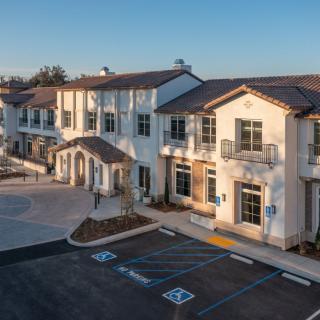
- Private parking is available on-site.
- The community includes many Spanish-speaking residents, contributing to a welcoming environment.
Cons
 The senior apartments have a really bad termite problem, and the management team is perceived to take advantage of the elderly.
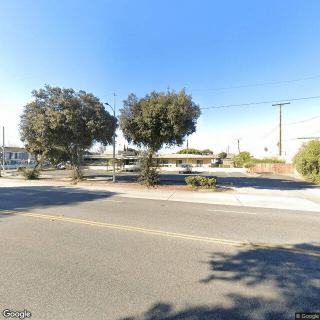
- The complex makes it very difficult to find guest or visitor parking, with only five guest/visitor spaces (and two disabled spaces) for about 85 apartments.
- Visitors may have to park far away on the street and walk a long distance.
- Deliveries may require walking a long distance to reach the main entrance.
- It is not suitable for someone unable to walk short or long distances.
Review
Vine Residence in West Covina is best suited for independent seniors who want a compact, secure, gated environment with a social core and practical on-site conveniences. The community offers private parking for residents, a community room, on-site laundry, and a courtyard garden, all within a generally welcoming setting that includes a multilingual mix and approachable office staff. For families seeking a contained, self-service living arrangement where neighbors watch out for one another and staff are accessible by phone, Vine Residence can feel reassuring and manageable.
Those who should consider alternatives are residents who cannot tolerate pest problems, opaque management practices, or tight guest-access arrangements. A termitic issue is a recurring cautionflag noted by some reviewers, and concerns about how the management handles matters affecting elderly residents add a layer of risk for anyone prioritizing transparent, proactive operations. In addition, guest parking is notably limited, which translates into street parking or long walks for visitors and delivery personnel. For families relying on frequent in-person visits, caregiver drop-offs, or mobility assistance, those parking and access constraints can be a decisive drawback.
On balance, the positives at Vine Residence do offset certain drawbacks for the right resident. The secure, gated environment delivers peace of mind, while the friendly, responsive tone of staff on the phone can simplify coordinating visits and small tasks. The social fabric appears solid, bolstered by a sizable Spanish-speaking community that can ease daily life for bilingual families. The on-site amenities, laundry, a community room, and a garden, support a low-friction, in-place lifestyle that minimizes the need for constant external trips. Yet these strengths cannot fully counterbalance persistent pest concerns and the difficulty friends and family may encounter when trying to access the building.
The decision framework for evaluating Vine Residence should center on three practical drills: first, obtain a clear pest control history, current mitigation plans, and guaranteed responsiveness from maintenance so the termite issue can be assessed in real terms; second, verify the guest parking policy, how many spaces are truly available, and how often visitors can rely on near-entry parking versus street parking; third, map the accessibility realities, how far guests must walk from parked cars or the street to the main entrance, and whether any mobility aids or elevator access exist as needed. In addition, conversations with current residents about day-to-day responsiveness from management during routine needs or emergencies will reveal the true experience beyond promotional rhetoric.
Professional judgment should weigh contextual factors as well. If language compatibility, security, and the social network within a bilingual, friendly community are high on the priority list, Vine Residence offers meaningful advantages. The on-site conveniences that keep everyday routines simple, laundry, a communal space, a garden, are tangible assets for residents striving for independence with modest support needs. However, the combination of persistent pest concerns and limited guest parking means this option is less suitable for those who depend on regular, convenient access for family visits, caregivers, or deliveries, or for anyone uneasy about how maintenance and finances are managed behind the scenes. In such cases, a different West Covina option with stronger pest management, clearer resident-focused policies, and more flexible parking would likely deliver more reliable weekly peace of mind.
 6 resident community capacity
 Assisted Living
 Board and Care Home
 Memory Care
 Cable or satellite TV
 Dining room
 Fully furnished
 Garden
 Housekeeping services
 Move-in coordination
 Outdoor space
 Telephone
 Wi-Fi/high-speed internet available
 Ontario International (18 miles away)
 24-hour supervision
 Activities of daily living assistance
 Assistance with bathing
 Assistance with dressing
 Assistance with transfers
 Diabetes diet
 Meal preparation and service
 Medication management
 Special dietary restrictions
 Transportation arrangement (medical)
 Transportation to doctors appointments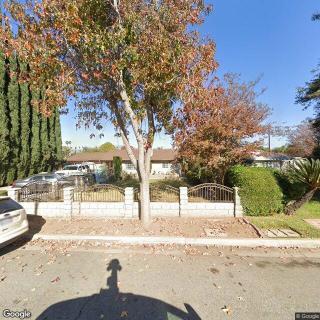
 8 Important Indicators That Memory Care May Be Necessary
 Delving into the Inner World of Dementia: Insights into Thoughts and Awareness
 Five Subtle Dementia Indicators to Observe: An In-Depth Guide to Understanding “Does My Mom Have Dementia?”