Valley Pointe Nursing & Rehabilitation Center in Castro Valley, CA

Save

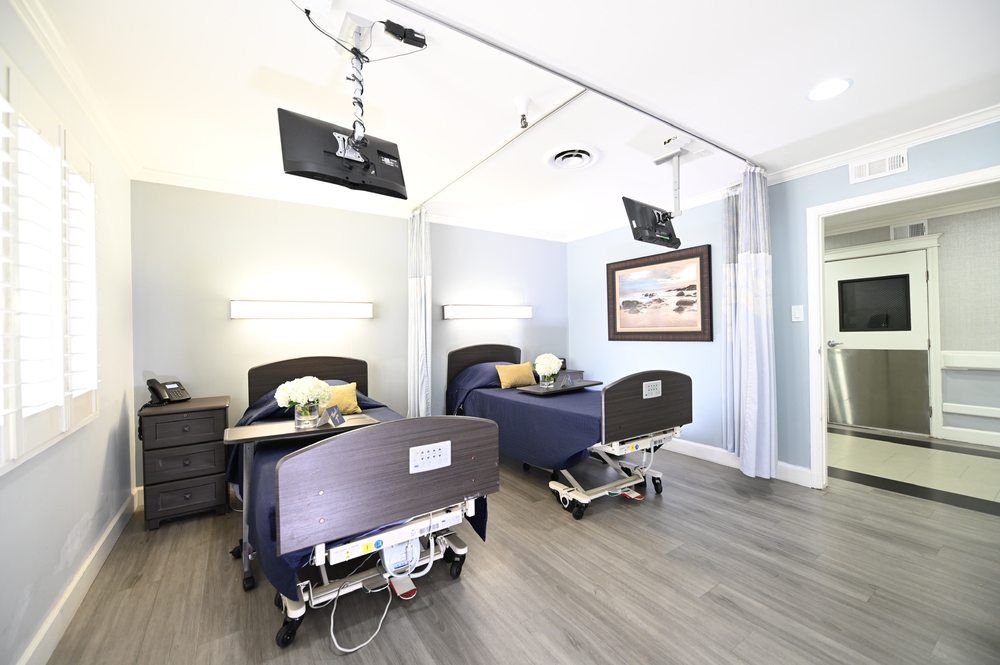
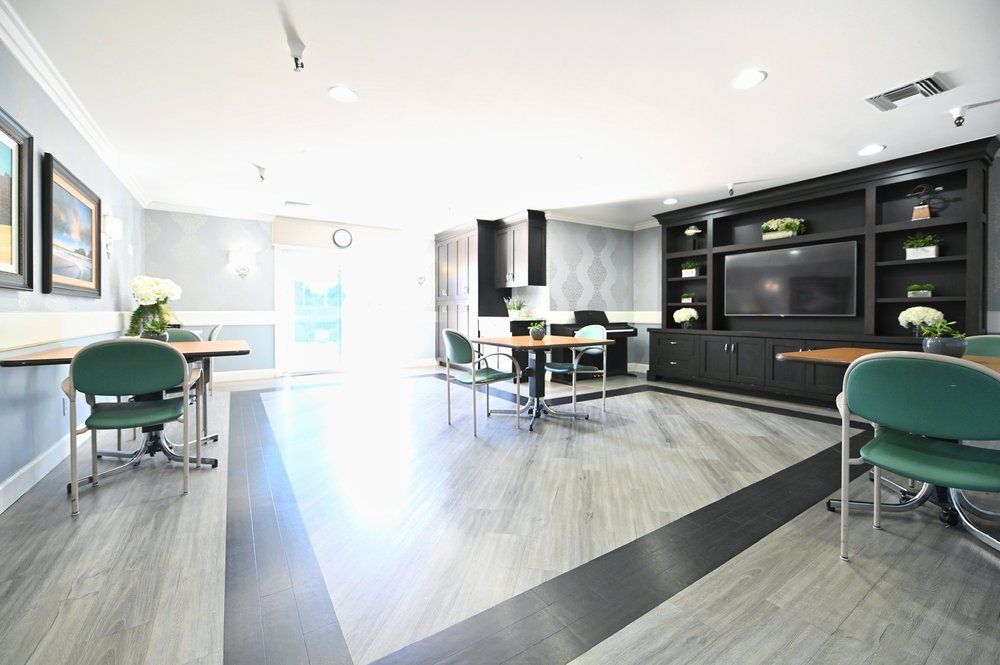
  • Interior

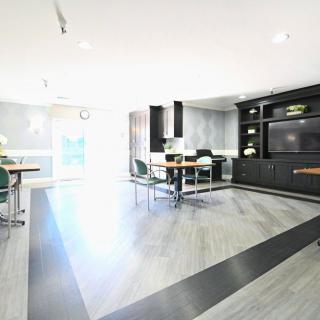
    A modern, minimalist room with sleek furniture and a geometric wooden floor.
  • Outdoors

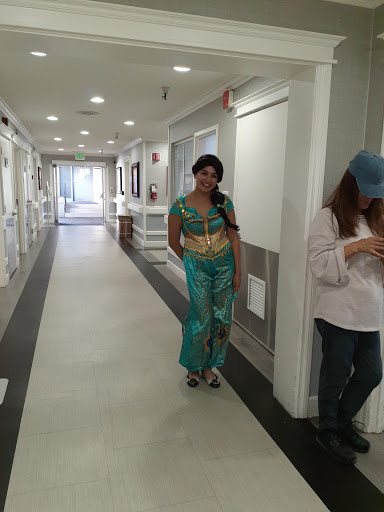
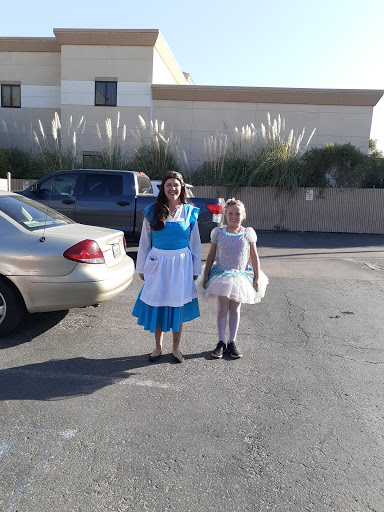
    Two girls dressed in costumes, one as a classic character and the other in a fairy-like outfit, enjoying a day out.
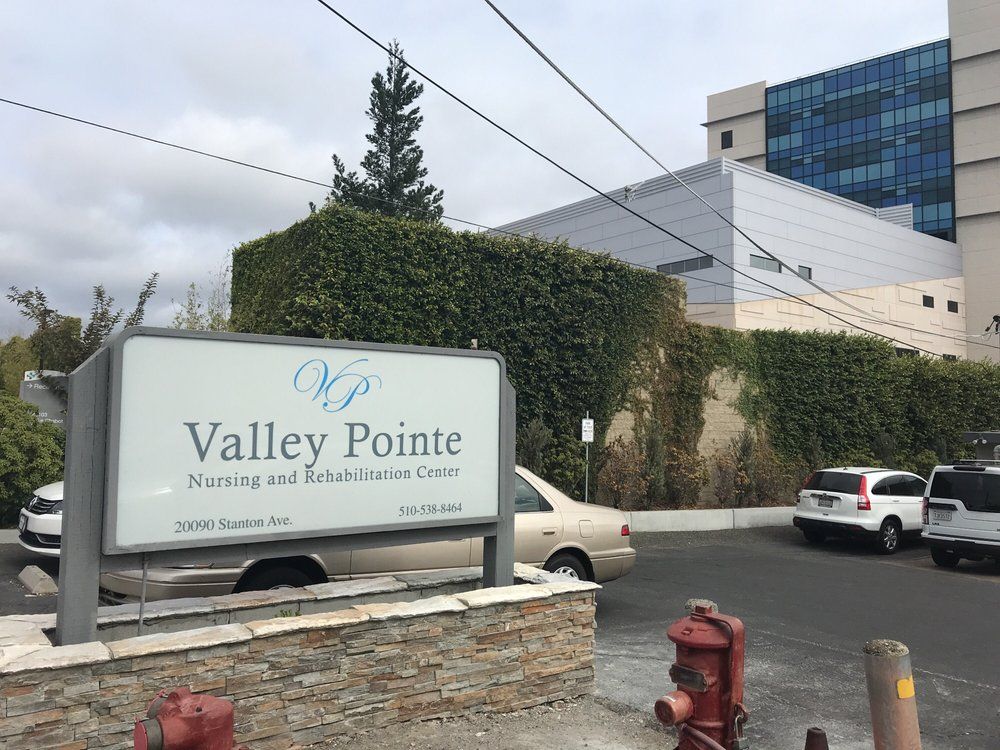
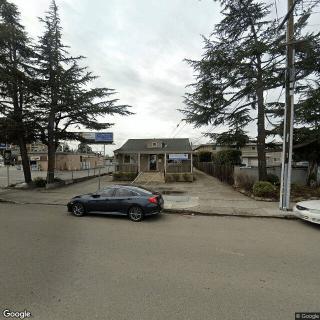
  • Building

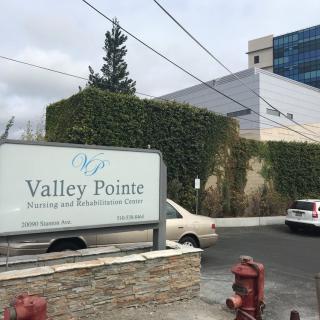
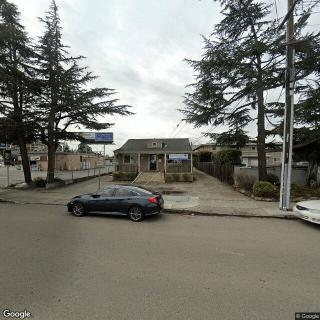
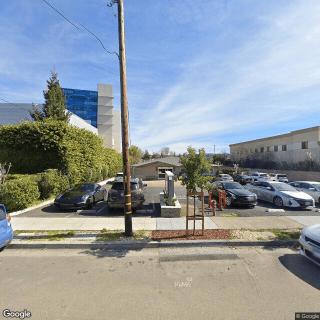
    A sign for Valley Pointe in front of a building with ivy-covered walls and parked cars.
  • Architecture

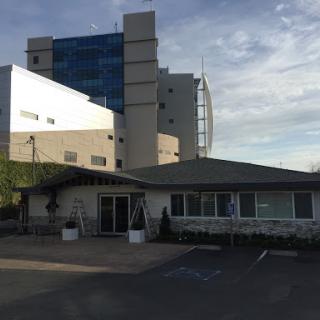
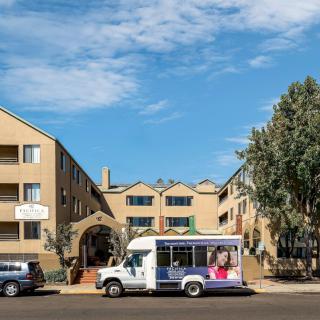
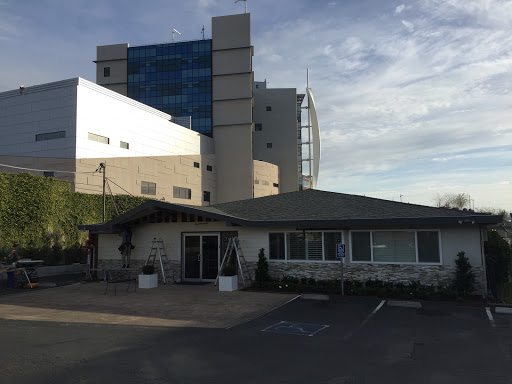
    A view of two contrasting buildings, showcasing modern architecture alongside a more traditional structure.
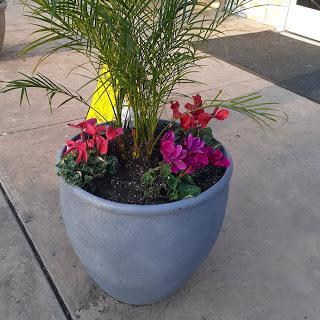
  • Landscaping

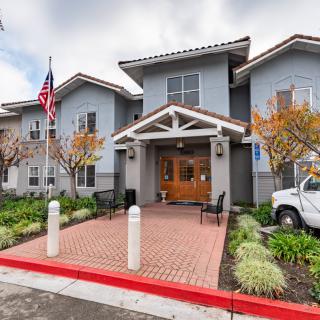
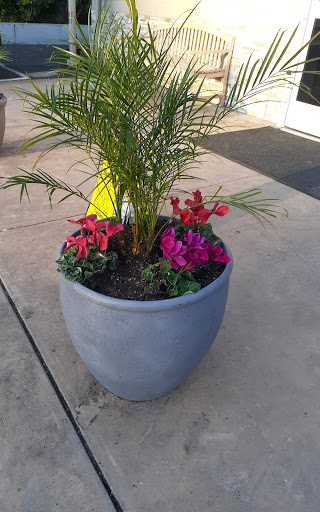
    A vibrant planter featuring a palm and colorful flowers, enhancing the outdoor space.
  • Outdoor

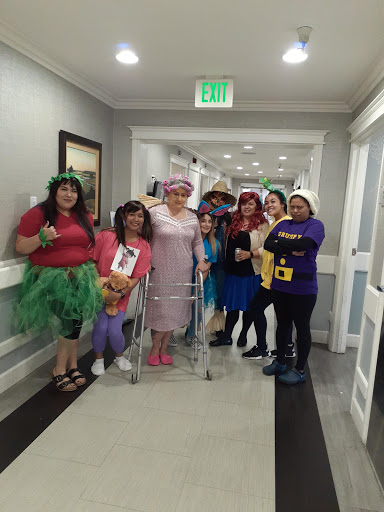
    A playful moment featuring two individuals in humorous costumes, one dressed as a banana and the other resembling an animal.
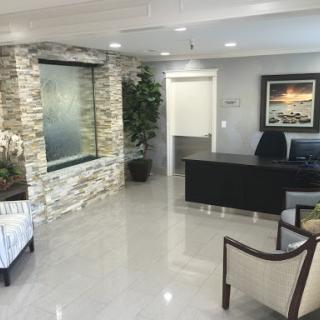
  • Lobby

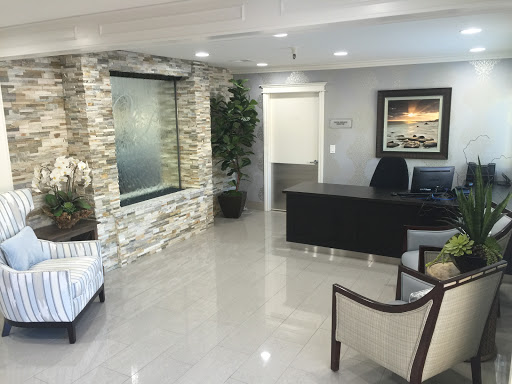
    A modern office waiting room featuring sleek furniture and a calming water feature.
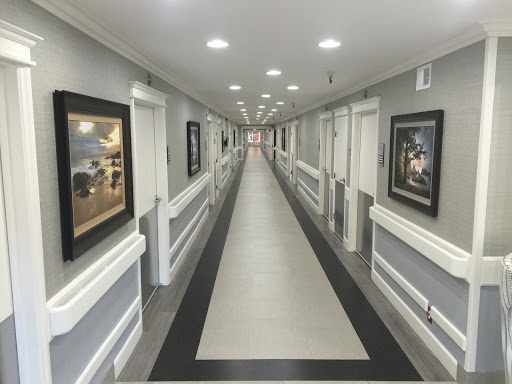
  • Hallway

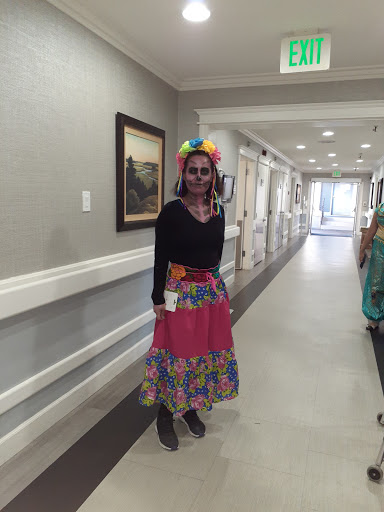
    A modern hallway featuring gray walls, illuminated ceiling lights, and framed artwork along the sides.

Valley Pointe Nursing & Rehabilitation Center in Castro Valley, CA

Information last verified:

20090 Stanton Avenue, Castro Valley, CA 94546

For more information about senior living options: (844) 490-3973

4.2 from 62 reviews
5 stars
45
4 stars
5
3 stars
1
2 stars
2
1 stars
9

Seniors.FYI Elite Community Awards

Top 5% Senior Living Community in 2021

Add this award to your website

Overall Review of Valley Pointe Nursing & Rehabilitation Center

Pros

  • pro The facility is clean and the staff are very kind.
  • pro The staff are friendly, attentive, and provide excellent care.
  • pro The building feels like home and the food is excellent.
  • pro Valley Pointe is an excellent facility with a friendly and dedicated team.
  • pro The staff are incredibly caring and knowledgeable, delivering top-notch care.
  • pro The facility treats residents like family.
  • pro Abe the Administrator is fantastic and leads a wonderful team.
  • pro The environment is welcoming, supportive, and focused on patient well-being.

Cons

  • pro They describe the facility as having bedlam with dementia patients screaming nonstop while staff are unresponsive and overworked, with nurses waiting 10–30 minutes.
  • pro They state there is no designated provider line, making it impossible to reach a patient’s doctor for days.
  • pro They call the food horrible, with trays preset too early and milk served warm, and meals that are bland.
  • pro They note the staff are loud and unprofessional, waking residents throughout the night.
  • pro They report long delays when calling for help, including 25–40 minute responses for basic tasks like diaper changes.
  • pro They highlight privacy issues, such as bathrooms without locks leading to being walked in on while changing.
  • pro They allege elder abuse and neglect by staff toward seniors.
  • pro They describe the facility as a nightmare due to disorganized, unprofessional staff who do not meet patient needs.
  • pro They point to poor hygiene and neglect of basic care, such as not changing diapers or properly cleaning residents.

Review

Valley Pointe Nursing & Rehabilitation Center in Castro Valley is best suited for families seeking a rehabilitation-forward skilled-nursing experience with a genuinely home-like atmosphere. The community earns its strongest endorsements from families navigating post-acute recovery, strokes, surgeries, and other rehab pathways, who want steady access to therapy, attentive nursing, and daily living routines that feel personal rather than institutional. A clear strength is the staff’s demonstrated dedication to individualized care, with many residents benefiting from language-conscious support (notably Chinese- and Spanish-speaking team members) and a therapy-driven plan designed to restore function and confidence. For families prioritizing a warm, supportive culture where staff-toward-resident relationships reliably show up in day-to-day care, Valley Pointe provides a compelling, practical option.

That said, some families should consider alternatives. Residents who require relentless, around-the-clock safety nets or who have complex dementia- or behavioral-management needs may demand a higher level of supervision than some shifts at Valley Pointe consistently provide. Nighttime experiences can vary, with several reviews noting that call lights and responses aren’t always timely, and that quiet or privacy at night is not universal. Dietary restrictions beyond standard vegetarian options, especially if balanced plant-based menus need more robust dietitian oversight, can also become a sticking point for some residents. In short, if the priority is ultra-fast response times, highly specialized memory-care protocols, or ironclad accountability for every single item of clothing or personal belonging, alternatives may be worth a closer look.

The core advantages, compassionate, capable staff; a clean, welcoming environment; and strong rehab programming, often offset the drawbacks, but only when expectations are aligned. The facility’s rehab and therapy teams are repeatedly praised for driving measurable progress, with therapists, nurses, and aides collaborating to tailor plans and keep families informed. Numerous residents emerge from Valley Pointe with improved mobility, balance, and confidence, and families frequently credit the social-work and admissions teams for smoothing transitions, discharge planning, and navigating insurance or benefits. The overall tone in many reviews is that the care work is serious, personalized, and well-coordinated, which helps to counterbalance concerns about wait times, occasional meal blandness, or occasional communication gaps.

Safety, cleanliness, and a sense of offering a livable, engaged setting also surface as consistent strengths. The facility is described as being well-kept, with pleasant environments and accessible activities that encourage ongoing participation. Families consistently highlight the care team’s professionalism and the administration’s visible involvement in patient well-being. Yet, no community is perfect: a few reviews raise legitimate cautions about missing belongings, inconsistent night-time assistance, and episodes where communication with doctors or hospital systems did not meet every family’s expectations. The presence of strong leadership, names like Rocio, Joanne, and Antisha repeatedly appear as anchors, suggests that when issues arise, there is a framework for accountability and problem-solving.

In practice, Valley Pointe often demonstrates what families want most in rehab-focused care: practical gains, steady staff support, and a compassionate culture that treats residents like people first. For families weighing the decision, the deciding factor should be the planned trajectory after discharge and the facility’s ability to sustain personalized care during the critical rehab window. If the goal is robust therapy, consistent daily engagement, language-accessible communication, and a welcoming, familial environment, Valley Pointe delivers with credibility. If the priority is consistently swift night-time response, ironclad dementia-specific safeguards, or meticulous asset control for every resident, it would be prudent to compare alternatives or request a detailed, signed plan addressing those gaps before moving a loved one in.

Ultimately, families should approach Valley Pointe as a strong option for rehab-to-home pathways, tempered by clear conversations about staffing rhythms, dietary oversight, and communication channels. Prospective residents and their families are advised to tour with questions about nurse-call response times, daily therapy hours, and who will oversee discharge planning from day one. Request direct introductions to the social work director and the admissions team, confirm language preferences, and delineate expectations for meals and dietary customization. With thoughtful planning and active involvement from the care team, Valley Pointe’s proven strengths can translate into meaningful recovery and a sense of being truly cared for during a challenging chapter.

Features

Housing

  • 50 resident community capacity 50 resident community capacity

Types of Care

  • Skilled Nursing Facility Skilled Nursing FacilitySkilled Nursing Facilities are crucial for seniors as they provide round-the-clock medical care, rehabilitation services, and assistance with daily activities. These facilities ensure that seniors receive the specialized care they need to maintain their health and well-being as they age.

Amenities

  • Beauty salon Beauty salonBeauty salons are important for seniors because they provide a space for them to feel pampered, socialize, and maintain their personal grooming and hygiene. Regular visits to a beauty salon can help boost seniors' self-esteem and overall well-being.
  • Cable or satellite TV Cable or satellite TVCable or satellite TV is important for seniors because it provides entertainment, news, and companionship, helping to combat loneliness and boredom. It also offers a wide range of programming options tailored to different interests and preferences.
  • Dining room Dining roomDining rooms are important for seniors as they provide a space for socialization, connection, and nutritious meals. They offer opportunities for residents to bond over shared meals, foster a sense of community, and promote healthy eating habits. Dining rooms also ensure that seniors have access to well-balanced meals tailored to their dietary needs and preferences.
  • Fully furnished Fully furnishedFully furnished senior living communities are important for seniors because they provide convenience, comfort, and a hassle-free moving experience. Seniors can easily settle into their new living space without the stress of having to buy and move furniture. This allows them to focus on enjoying their new home and community.
  • Garden GardenGardens are important for seniors as they provide a peaceful and therapeutic environment for relaxation, physical activity, and socialization. Being in nature has been shown to reduce stress, improve mood, and promote overall well-being. Gardens also offer opportunities for seniors to engage in gardening activities, which can improve mobility, flexibility, and cognitive function. Additionally, gardens create a sense of community and connection with others who share a passion for plants and outdoor spaces.
  • Housekeeping services Housekeeping servicesHousekeeping services are important for seniors because they help maintain a clean and safe living environment, promote independence, and reduce the risk of accidents or illnesses. Additionally, having assistance with household chores can alleviate physical strain and allow seniors to focus on other aspects of their well-being.
  • Kitchenette KitchenetteKitchenettes are important for seniors living in senior living communities because they provide the convenience and independence of being able to prepare simple meals and snacks in the comfort of their own living space. This can help promote a sense of autonomy and well-being for seniors, allowing them to maintain some level of control over their dietary choices and daily routines.
  • Move-in coordination Move-in coordinationMove-in coordination is important for seniors because it helps ease the transition into their new living environment. It ensures that all logistics, such as packing, organizing movers, and setting up utilities are taken care of, allowing seniors to focus on settling in and adjusting to their new home. Having a smooth move-in process can alleviate stress and anxiety, making the transition smoother and more enjoyable for seniors.
  • Outdoor space Outdoor spaceOutdoor spaces are important for seniors as they provide opportunities for physical activity, social interaction, exposure to natural light and fresh air, and a sense of connection to nature. Having access to outdoor spaces can improve overall well-being and quality of life for older adults living in senior communities.
  • Restaurant-style dining Restaurant-style diningRestaurant-style dining is important for seniors because it allows them to enjoy delicious, nutritious meals in a social and upscale setting. This enhances their dining experience, promotes healthy eating habits, and fosters socialization with fellow residents, ultimately contributing to their overall well-being and quality of life.
  • Small library Small librarySmall libraries are important for seniors as they provide access to a variety of reading materials, including books, newspapers, and magazines. This can help stimulate their minds, keep them engaged, and provide a sense of community through book clubs and other social activities. Additionally, reading has been shown to improve cognitive function and overall mental well-being in older adults.
  • Telephone TelephoneTelephones are important for seniors as they provide a lifeline for communication with loved ones, emergency services, and healthcare providers. They offer a sense of security and independence, enabling seniors to stay connected and access assistance when needed.
  • Wi-Fi/high-speed internet available Wi-Fi/high-speed internet availableWi-Fi/high-speed internet is important for seniors to stay connected with loved ones, access online resources, and participate in virtual activities to combat feelings of loneliness and isolation. It also allows them to easily manage healthcare needs, access entertainment, and engage in lifelong learning opportunities.

Transportation

  • Metropolitan Oakland International (7 miles away) Metropolitan Oakland International (7 miles away)
  • San Francisco International (16 miles away) San Francisco International (16 miles away)
  • San Jose International (25 miles away) San Jose International (25 miles away)

Care Services

  • 24-hour call system 24-hour call system24-hour call systems are important for seniors because they provide peace of mind and immediate assistance in case of emergencies. This technology ensures that help is always available, promoting safety and security for elderly individuals living alone or in assisted living facilities.
  • 24-hour supervision 24-hour supervision24-hour supervision is important for seniors to ensure their safety, well-being, and access to immediate assistance in case of emergencies or health issues. This constant support provides peace of mind for both seniors and their loved ones, allowing them to age in place with dignity and security.
  • Activities of daily living assistance Activities of daily living assistanceActivities of daily living assistance are important for seniors because they provide essential support with tasks such as eating, bathing, dressing, and mobility. This assistance helps seniors maintain their independence, dignity, and overall quality of life as they age.
  • Assistance with bathing Assistance with bathingAssistance with bathing is crucial for seniors as it helps maintain personal hygiene, prevents infections, and ensures their overall well-being and comfort. It also provides a sense of dignity and independence for seniors who may struggle with this task on their own.
  • Assistance with dressing Assistance with dressingAssistance with dressing is important for seniors because it helps maintain their independence, promotes personal hygiene, prevents accidents and injuries, and improves overall quality of life. This service ensures that seniors can continue to dress comfortably and confidently, despite any physical limitations they may have.
  • Assistance with transfers Assistance with transfersAssistance with transfers is crucial for seniors as it helps prevent falls and injuries, maintains their independence, and ensures they can safely navigate their living environment. It also provides peace of mind for both seniors and their loved ones.
  • Diabetes diet Diabetes dietA diabetes diet is crucial for seniors as it helps manage blood sugar levels, reduce risks of complications, and improve overall health and well-being. By following a balanced and nutritious diet tailored to their specific needs, seniors can better control their diabetes and enhance their quality of life.
  • Meal preparation and service Meal preparation and serviceMeal preparation and service are crucial for seniors as they may have limited mobility or energy to cook nutritious meals. Having access to healthy and convenient food options can ensure they are getting the proper nutrition needed to maintain their overall health and well-being.
  • Medication management Medication managementMedication management is crucial for seniors to ensure they are taking the right medications at the correct dosages and times. This helps prevent adverse drug interactions, reduces the risk of medication errors, and promotes overall health and well-being. Proactive management also allows for adjustments as needed based on changing health conditions or new prescriptions.
  • Mental wellness program Mental wellness programMental wellness programs are essential for seniors as they promote cognitive stimulation, emotional support, and social engagement. These programs help prevent isolation, depression, and cognitive decline, ultimately enhancing the overall quality of life for older adults.
  • Special dietary restrictions Special dietary restrictionsSpecial dietary restrictions are important for seniors because age-related changes in metabolism and health conditions can make it difficult for their bodies to process certain foods. By following a diet tailored to their specific needs, seniors can maintain their overall health and well-being, manage chronic conditions, and reduce the risk of complications such as malnutrition or food interactions with medications.
Dining

  • Diabetes diet Diabetes dietA diabetes diet is crucial for seniors as it helps manage blood sugar levels, reduce risks of complications, and improve overall health and well-being. By following a balanced and nutritious diet tailored to their specific needs, seniors can better control their diabetes and enhance their quality of life.
  • Special dietary restrictions Special dietary restrictionsSpecial dietary restrictions are important for seniors because age-related changes in metabolism and health conditions can make it difficult for their bodies to process certain foods. By following a diet tailored to their specific needs, seniors can maintain their overall health and well-being, manage chronic conditions, and reduce the risk of complications such as malnutrition or food interactions with medications.

Activities

  • Community-sponsored activities Community-sponsored activitiesCommunity-sponsored activities are important for seniors as they provide opportunities for social interaction, mental stimulation, and physical activity. These activities can help improve overall well-being, combat loneliness and isolation, and promote a sense of belonging and purpose among older adults.
  • Resident-run activities Resident-run activitiesResident-run activities are important for seniors as they encourage social interaction, creativity, and a sense of autonomy. These activities empower seniors to stay engaged and active in their community while fostering meaningful connections with their peers.
  • Scheduled daily activities Scheduled daily activitiesScheduled daily activities are important for seniors because they provide structure, socialization, mental stimulation, and physical activity. Engaging in regular activities can improve overall well-being and quality of life for seniors living in a community setting.

Description

The Valley Pointe Nursing & Rehabilitation Center in Castro Valley, CA is a well-appointed and comfortable assisted living community. With a range of amenities and care services, residents can enjoy a high level of comfort and support.

For entertainment, residents can relax in their fully furnished rooms with cable or satellite TV or spend time outdoors in the garden or outdoor spaces. There is also a small library for those who enjoy reading. Wi-Fi/high-speed internet is available throughout the facility for convenience.

The dining experience at Valley Pointe is designed to be restaurant-style, with delicious meals prepared and served to accommodate special dietary restrictions. Care services include 24-hour supervision, assistance with activities of daily living such as bathing and dressing, as well as assistance with transfers. The staff also provides medication management and follows diabetes diets when necessary.

In terms of activities, there are resident-run activities that promote socialization and engagement within the community. Scheduled daily activities are also offered to keep residents entertained and mentally stimulated.

Convenience is another advantage of this community, as it is located near several cafes, parks, pharmacies, physicians' offices, restaurants, transportation options, places of worships, and hospitals for easy access to additional services when needed.

Overall, the Valley Pointe Nursing & Rehabilitation Center offers a comprehensive package of amenities and care services to ensure the comfort and well-being of its residents.

Videos

Nearby Places of Interest

Hospitals

  • Eden Medical Center (0.1 miles)
  • Kaiser Permanente Post-Acute Care Center (1 miles)
  • Kaiser Permanente San Leandro Labor & Delivery (4.1 miles)

Restaurants

  • McDonald's (0.4 miles)
  • Chipotle Mexican Grill (0.8 miles)
  • McDonald's (2.2 miles)
  • McDonald's (2.3 miles)
  • In-N-Out Burger (2.4 miles)
  • Top Hatters Kitchen & Bar (3.9 miles)
  • Sonic Drive-In (6.2 miles)

Cafes

  • Starbucks (0.7 miles)
  • Starbucks (1.6 miles)
  • Starbucks (6.9 miles)
  • Boba Bliss (8.3 miles)
  • Philz Coffee (8.4 miles)
  • Joe & The Juice (8.5 miles)
  • Panera Bread (8.8 miles)

Parks

  • Castro Valley Park and Community Center (0.7 miles)
  • Lake Chabot Regional Park (1.4 miles)
  • Parsons Park (1.5 miles)
  • Bay Trees Park (1.9 miles)
  • Chabot Park (3.3 miles)
  • Eden Landing Ecological Reserve (5.4 miles)
  • Redwood Regional Park (7.8 miles)

Pharmacies

  • Walgreens (0.8 miles)
  • Safeway Pharmacy (0.9 miles)
  • Walgreens (1 miles)
  • CVS Pharmacy (1.1 miles)
  • Rite Aid (1.3 miles)
  • CVS Pharmacy (1.6 miles)
  • Walgreens (2.7 miles)

Transportation

  • Castro Valley BART Station (0.9 miles)
  • South Hayward BART Station (4.7 miles)
  • JSX (6.6 miles)
  • Terminal 2 (6.7 miles)
  • Southwest Airlines Ticket Counter (6.7 miles)
  • Oakland International Airport (OAK) (6.8 miles)
  • Escape Lounge (6.9 miles)

Places of Worship

  • First Baptist Church Of Castro Valley (1.2 miles)
  • Bethel Presbyterian Church Of San Leandro (2.8 miles)
  • Bay Area Chinese Bible Church (8.4 miles)
  • Wat Buddhanusorn (9.6 miles)

Physicians

  • Dr Mark Mandel M.D. - Optima Medical Assoc (1.7 miles)
  • Kaiser Medical Offices (4.5 miles)
  • Kaiser Permanente Pediatrics (4.5 miles)
  • Reproductive Science Center (7.6 miles)
  • Luxor Dental Prosthodontics & Implant Surgery (8.2 miles)
  • Golden State Dermatology (9.9 miles)
  • Foothill Optometric Group (9.9 miles)

Frequently Asked Questions

Where is Valley Pointe Nursing & Rehabilitation Center?
What photos are available for Valley Pointe Nursing & Rehabilitation Center in Castro Valley, California?

Nearby Communities

  • Valley Pointe Rehab & Nursing

    Valley Pointe Rehab & Nursing

    Castro Valley, CA

    4.2 from 68 reviews
     

    pro Friendly daytime staff, 24-hour assistance, and a good resident-to-staff ratio.

  • Golden Valley Elderly Living

    Golden Valley Elderly Living

    Castro Valley, CA

    4.9 from 14 reviews
     

    pro Small, homelike assisted living with personalized care and engaging activities.

  • East Bay Post-Acute

    East Bay Post-Acute

    Castro Valley, CA

    4.3 from 69 reviews
    $2,425 to $4,560 / month

    pro Affordable semi-private rate with easy access to healthcare and local amenities.

  • A Home Care Fairbanks One

    A Home Care Fairbanks One

    Castro Valley, CA

    5 from 1 review
     

    pro Personalized care in a small, home-like setting.

  • Comforcare

    Comforcare

    Castro Valley, CA

    5 from 18 reviews
     

    pro Effective director-led matching with empathetic, reliable aides and proactive, flexible communication.

  • Comforcare Home Care Alameda County

    Comforcare Home Care Alameda County

    Castro Valley, CA

    5 from 22 reviews
     

    pro Responsive, caring staff and standout caregivers.

  • Windsor Post-Acute Care Center Of Hayward

    Windsor Post-Acute Care Center Of Hayward

    Hayward, CA

    3 from 45 reviews
     

    pro Comprehensive post-acute care with 24/7 supervision and a wide range of on-site amenities.

  • Pacifica Senior Living San Leandro

    Pacifica Senior Living San Leandro

    San Leandro, CA

    4.7 from 108 reviews
    $3,750 to $4,800 / month

    pro Friendly, attentive staff in a clean, welcoming community with diverse activities and multiple housing options.

  • Pacifica Senior Living Union City

    Pacifica Senior Living Union City

    Union City, CA

    4.5 from 135 reviews
    $3,050 to $4,150 / month

    pro Clean, inviting environment with attentive memory care staff and engaging activities.

Related Resources

  • adult day careEncouraging Participation in Adult Day Care: A Guide to Supporting a Hesitant Parent

    Adult day care programs offer essential support and activities for older adults, yet many hesitate to participate due to concerns about independence and stigma. To alleviate these apprehensions, families should facilitate open discussions, explore financial resources, suggest trial visits, and collaborate with healthcare providers to highlight the benefits of such services for both the participants and their caregivers.

  • living will definitionComprehensive Exploration of Living Wills and Other Advance Directives

    Living wills and advance directives are crucial legal documents that outline an individual's healthcare preferences when they cannot make decisions themselves, enhancing patient autonomy and alleviating family stress during medical crises. The article emphasizes the need for these documents to be personalized, legally valid, and regularly updated, while also encouraging communication about end-of-life wishes among family members and healthcare providers.

  • living will definitionA Detailed Exploration of Living Wills and Advance Directives

    The article examines living wills and advance directives, highlighting their significance in expressing healthcare preferences for those unable to communicate due to illness or incapacity. It discusses their historical development, legal components, limitations, practical drafting advice, and the importance of clear communication among families and healthcare professionals regarding end-of-life decisions.