
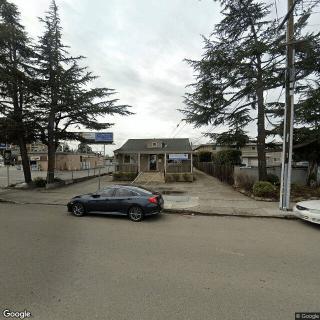
2946 Somerset Avenue, Castro Valley, CA 94546
For more information about senior living options: (866) 208-4318
Overall Review of A Home Care Fairbanks One
Pros
 Fairbanks Home feels like a true home rather than a clinical setting.
- The caregivers become part of the family, providing enduring, compassionate care.
- The home’s layout is welcoming, with a cozy front room, piano, dining area, and a family room with a large TV.
- A small number of residents allows for highly personalized attention.
- The service is excellent and offered at a surprisingly affordable rate.
- The home is described as an oasis for elders and comes highly recommended by families.
- Room options are flexible, including two-person rooms and some private rooms.
Cons
 The other places they saw had a counter and office feel to them.
- There was probably a waiting list for rooms.
Review
This community is best suited for families seeking a true home-like dementia care environment where a small, intimate footprint allows caregivers to develop lasting, family-like relationships with residents. The setting is ideal for a loved one who benefits from a calm, familiar routine and a team that treats caregiving as a personal vocation rather than a transactional service. It is particularly compelling for households working with tight budgets who still want high-touch attention and continuity. Those who need robust medical oversight, a formal memory-care program, or a bustling campus with extensive activities may want to consider alternatives that offer larger scale and more structured clinical support.
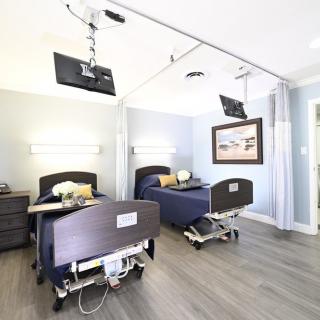
The physical space reinforces the appeal for intimate care. The layout feels like a genuine home, not a sterile facility corridor, which matters deeply for someone living with dementia. The home hosts a small group, roughly six to seven residents at any time, and there is even a similar home next door operated by the same family. With 2 residents per room and occasional private rooms, the environment supports personalized attention while still providing communal opportunities. The family-owned operational approach shows in the warmth of the daily routines and the way staff become integrated into family life, not merely hired hands.
The strongest pros center on caregiver consistency, warmth, and the sense of belonging. Families report that the caregivers feel like extended family, elevating trust and comfort during long stretches of dementia care. A low, stable monthly cost paired with attentive, individualized care creates outstanding value for families who prioritize emotional well-being and routine over hospital-like amenities. The homestyle setting and the presence of familiar furnishings, sofas, a piano, a big-screen TV with movies, contribute to reducing confusion and agitation, which is crucial for dementia management. In short, the relational quality of the staff is the linchpin that makes this model work, offsetting the absence of a larger, more formally structured campus.
Yet, important caveats temper the appeal. Capacity is clearly limited, with a waiting list likely for openings, which means delayed placement and uncertainty for families in urgent need. Privacy tradeoffs exist via shared rooms, even while private rooms are available; that dynamic can matter for some residents who require deeper privacy or stricter infection-control standards. The model emphasizes a home atmosphere over a hospital-grade care framework, so families seeking intensive on-site medical supervision, regimented activity schedules, or expansive memory-care programming may find the offerings too light. There is no explicit indication of large-scale clinical staffing or formal programming beyond what a small home can sustain.
When the positives are weighed against the caveats, several deductions emerge. The intimate, family-like care and durable caregiver-resident bonds tend to offset the privacy compromises and the limited capacity, especially for families prioritizing emotional safety and consistency over formal amenities. The affordability punch further strengthens the case for this community for budget-conscious families facing dementia caregiving, transforming what could be a quality-of-life concern into a tangible affordability advantage. The potential risk, sustainability of very low rates and the pressure of long wait lists, remains something to monitor, but in practice the care quality described reinforces the value of a small-scale, caregiver-centric model.
For families navigating this decision, the takeaway is clear: this community excels for dementia care where closeness, continuity, and cost-effectiveness trump size and formal programming. Those needing 24/7 nursing intensity, all-private accommodations, or a wide calendar of structured activities may find alternatives more suitable. Prospective residents should plan for a visit with a practical checklist: observe caregiver-resident interactions, assess room options (shared versus private), ask about current wait times and how vacancies are managed, and meet the staff who would be essential to daily life. Inquiries about the neighboring sister home can also reveal additional capacity and consistency of care. With the right fit, this intimate setting can deliver stability, warmth, and genuine peace of mind for families facing dementia care decisions.
 6 resident community capacity
 Assisted Living
 Board and Care Home
 Respite Care
 Cable or satellite TV
 Dining room
 Fully furnished
 Garden
 Housekeeping services
 Move-in coordination
 Outdoor space
 Telephone
 Wi-Fi/high-speed internet available
 Metropolitan Oakland International (7 miles away)
 24-hour supervision
 Activities of daily living assistance
 Assistance with bathing
 Assistance with dressing
 Assistance with transfers
 Diabetes diet
 Meal preparation and service
 Medication management
 Special dietary restrictions
 Transportation arrangement (medical)
 Transportation to doctors appointments

 How and When Medicaid May Cover Assisted Living Costs
 A Detailed Exploration of Assisted Living Medicaid Waivers Across the United States
 Comprehensive Residential Support and Assisted Living Solutions for Individuals with Disabilities