East Bay Post-Acute offers competitive pricing for its services, particularly when compared to both Alameda County and broader California averages. For a semi-private room, East Bay Post-Acute charges $2,425 per month, significantly lower than the county average of $3,273 and the state average of $3,333. This cost advantage extends to private rooms as well, where East Bay's rate of $4,560 surpasses the county's average of $3,748 and the state's $3,939; however, it's worth noting that this price is still within a reasonable range when considering the comprehensive care provided. Overall, East Bay Post-Acute presents a compelling option for those seeking post-acute care in terms of affordability without compromising on quality.
Floor plans
East Bay Post-Acute
Alameda County
California
Semi-Private
$2,425
$3,273
$3,333
Private
$4,560
$3,748
$3,939
Skilled Nursing Facilities with a similar price nearby
Residents and families repeatedly describe attentive, supportive staff communication.
A large share of reviews focus on how staff showed up for residents and families, including frequent updates and help that felt personal even for loved ones who weren’t local. Several reviewers mention specific staff members being kind, professional, and “hands on,” and a number of reviews describe confidence in day-to-day care. While experiences aren’t uniform, the strongest pattern across reviews is that families felt supported by the people working on the floor.
differentiator12 reviews mention this
Rehab and therapy helped recovery
Many residents describe meaningful progress from rehab therapy.
Several reviews say therapy and rehab programming helped with recovery—especially regaining mobility after hospitalization or surgery. Reviewers mention consistent encouragement from the therapy team and that they attended sessions for weeks. One resident describes not reaching their full goal, but still credits the rehab team and other staff for helping them through a difficult period.
caveat10 reviews mention this
Food quality and timing vary
Food receives mixed feedback, from praise to serious complaints.
Some reviewers say the food is good, comes out on time, and offers variety that makes mealtimes feel more like a comfortable setting. Other residents describe problems with nutrition and hydration, including reports of weight loss, missed meals, and “prison food” quality. These differences suggest the dining experience may depend on the unit, meal delivery, and care plan details.
common12 reviews mention this
Cleanliness and facility upkeep noted
Many reviews mention the facility looks clean and well maintained.
Multiple reviews describe the building as clean, bright, and well cared for, including praise for floors and overall upkeep. Some reviewers also mention recent improvements, including changes they could see in the environment and kitchen. A few critical reviews don’t focus on cleanliness, which makes the positive cleanliness feedback stand out as a frequent theme.
caveat7 reviews mention this
Response times and bedside care concerns
Some reviewers raise concerns about responsiveness and bedside care.
A handful of reviews describe delays or breakdowns in care when it matters most, such as long waits for help or issues with the handling of call buttons. Others report problems with meals and medication timing, along with claims that staff were not following care instructions. While many reviewers describe strong care, these negative accounts are specific enough that prospective residents and families may want to ask detailed questions about response times and daily follow-through.
common
Nearby errands and transit options
The area includes quick access to medical, pharmacy, and everyday stops.
Family visitors have multiple nearby options for errands and transportation, including a hospital very close by and several pharmacy choices within about a mile. Common day-to-day stops like cafes and restaurants are also nearby, which can make visits easier when schedules are tight. This can help with practical needs even as day-to-day care experience varies by unit and circumstance.
How we summarize
We summarize when many written reviews mention each theme; a review can touch several themes, and only frequently mentioned themes are displayed.
Features
Types of Care
Skilled Nursing Facility
Transportation
Metropolitan Oakland International (7 miles away)
San Francisco International (17 miles away)
San Jose International (25 miles away)
Nearby Places of Interest
This part of Castro Valley, California, offers a diverse range of amenities that cater to the needs of seniors. With multiple hospitals and pharmacies in close proximity, residents can easily access medical care and prescriptions. In addition, there are various restaurants and cafes nearby for dining options. The presence of BART stations and the Oakland International Airport provides convenient transportation options for those looking to travel or visit loved ones. For leisure activities, there are several parks and places of worship within a short distance. Moreover, a variety of physicians and healthcare facilities are available in the area to ensure comprehensive medical support. Overall, this neighborhood provides a well-rounded environment for seniors looking for convenience, comfort, and accessible healthcare services.
Hospitals
Eden Medical Center (0.1 miles)
Kaiser Permanente Post-Acute Care Center (1.1 miles)
Kaiser Permanente San Leandro Labor & Delivery (4.2 miles)
Restaurants
McDonald's (0.3 miles)
Chipotle Mexican Grill (0.6 miles)
McDonald's (2.1 miles)
McDonald's (2.3 miles)
In-N-Out Burger (2.5 miles)
Top Hatters Kitchen & Bar (4.1 miles)
Sonic Drive-In (6.1 miles)
Cafes
Starbucks (0.5 miles)
Starbucks (1.4 miles)
Starbucks (6.8 miles)
Boba Bliss (8.2 miles)
Philz Coffee (8.3 miles)
Joe & The Juice (8.4 miles)
Panera Bread (8.7 miles)
Pharmacies
Walgreens (0.6 miles)
Safeway Pharmacy (0.7 miles)
CVS Pharmacy (0.9 miles)
Walgreens (0.9 miles)
Rite Aid (1.1 miles)
CVS Pharmacy (1.5 miles)
Walgreens (2.9 miles)
Transportation
Castro Valley BART Station (0.7 miles)
South Hayward BART Station (4.6 miles)
JSX (6.8 miles)
Terminal 2 (6.9 miles)
Southwest Airlines Ticket Counter (6.9 miles)
Oakland International Airport (OAK) (6.9 miles)
Escape Lounge (7.1 miles)
Parks
Castro Valley Park and Community Center (0.8 miles)
Lake Chabot Regional Park (1.5 miles)
Parsons Park (1.5 miles)
Bay Trees Park (1.8 miles)
Chabot Park (3.5 miles)
Eden Landing Ecological Reserve (5.3 miles)
Redwood Regional Park (7.9 miles)
Places of Worship
First Baptist Church Of Castro Valley (1.2 miles)
Bethel Presbyterian Church Of San Leandro (2.9 miles)
Bay Area Chinese Bible Church (8.6 miles)
Wat Buddhanusorn (9.4 miles)
Physicians
Dr Mark Mandel M.D. - Optima Medical Assoc (1.5 miles)
Kaiser Medical Offices (4.5 miles)
Kaiser Permanente Pediatrics (4.5 miles)
Reproductive Science Center (7.5 miles)
Luxor Dental Prosthodontics & Implant Surgery (8.1 miles)
East Bay Post-Acute offers competitive pricing for its services, particularly when compared to both Alameda County and broader California averages. For a semi-private room, East Bay Post-Acute charges $2,425 per month, significantly lower than the county average of $3,273 and the state average of $3,333. This cost advantage extends to private rooms as well, where East Bay's rate of $4,560 surpasses the county's average of $3,748 and the state's $3,939; however, it's worth noting that this price is still within a reasonable range when considering the comprehensive care provided. Overall, East Bay Post-Acute presents a compelling option for those seeking post-acute care in terms of affordability without compromising on quality.
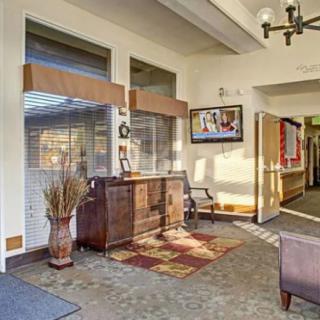
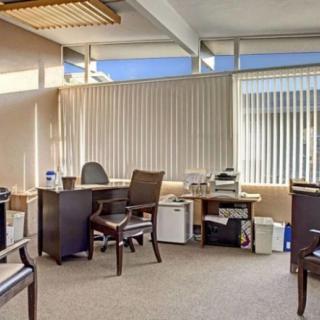
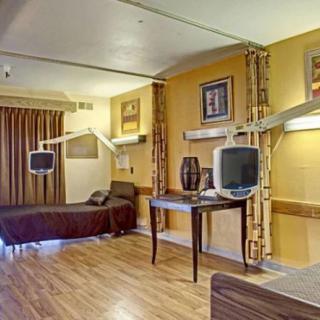
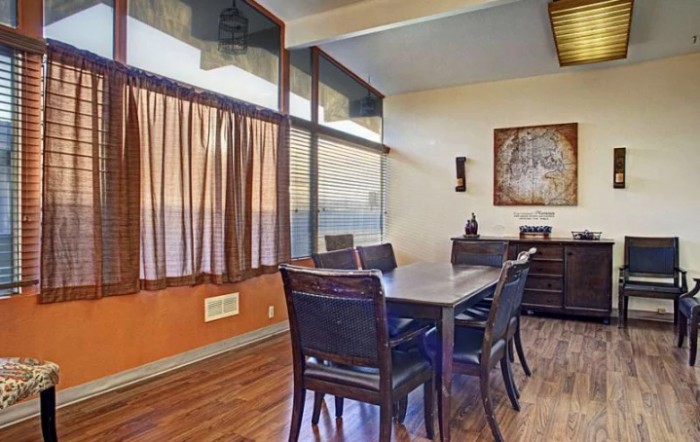
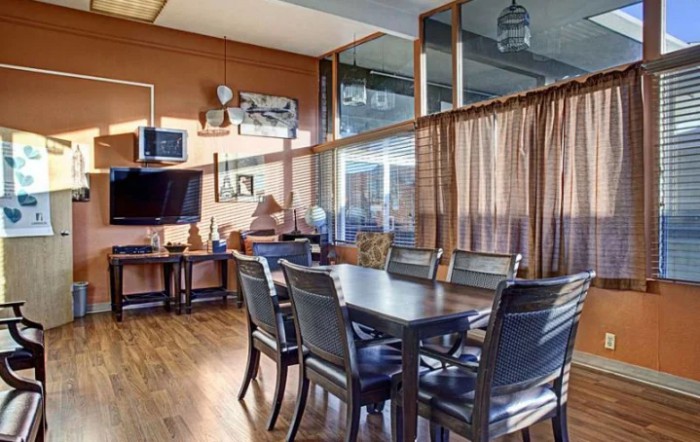
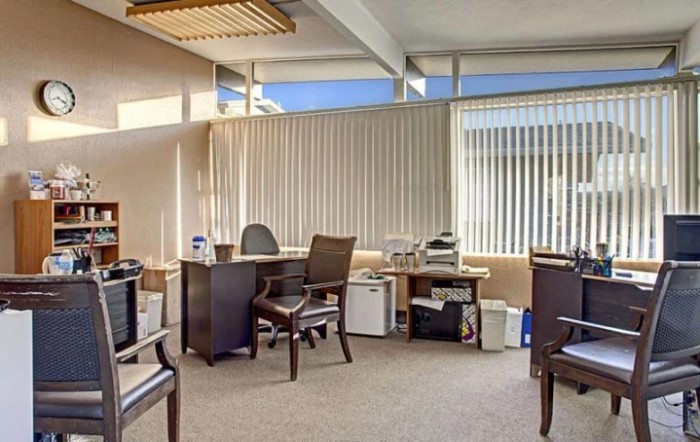
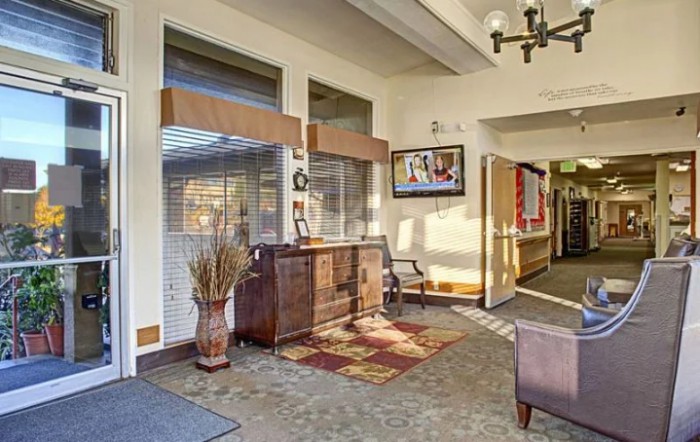
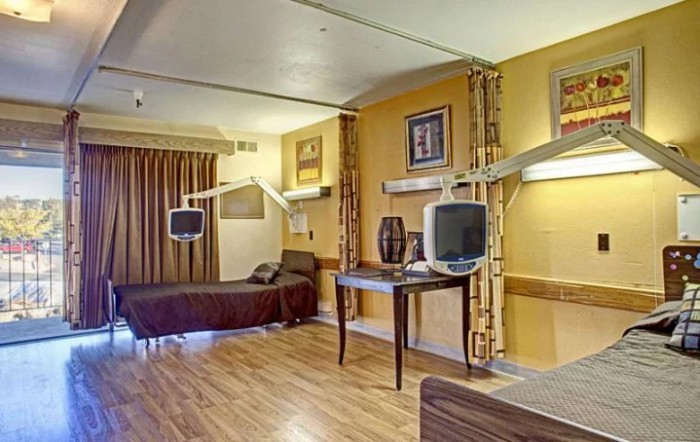
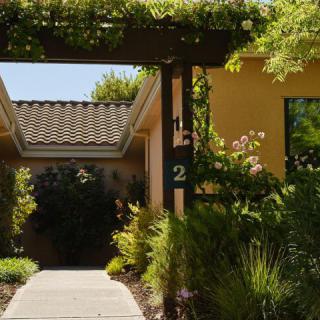
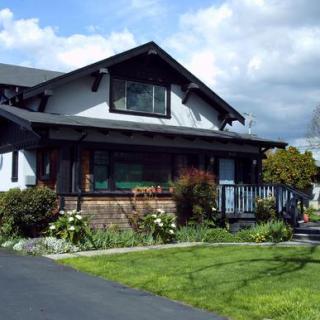
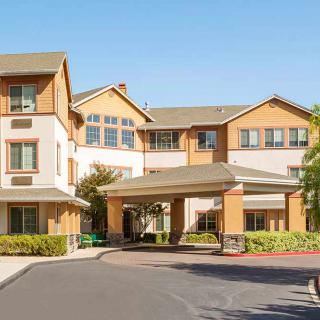
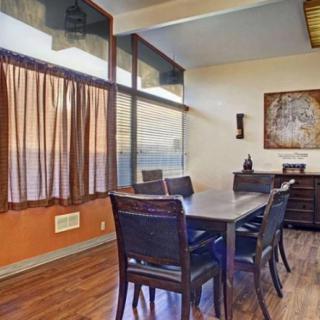
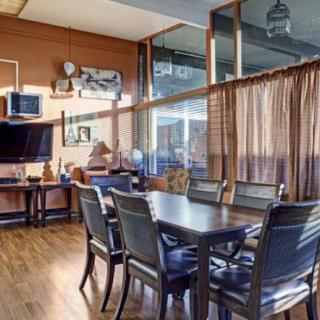
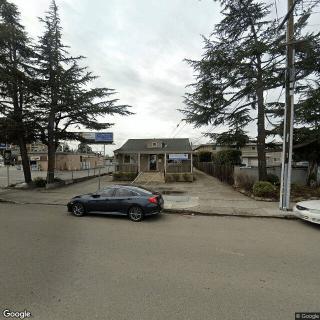
East Bay Post-Acute on seniors.fyi includes 6 photos including images showing interior, windows, dining, television, office, lobby, reception area, decor, and more.
Nearby Communities
Valley Pointe Rehab & Nursing
Castro Valley, CA
4.2 from 68 reviews
Friendly daytime staff, 24-hour assistance, and a good resident-to-staff ratio.
Valley Pointe Nursing & Rehabilitation Center
Castro Valley, CA
4.2 from 62 reviews
Restaurant-style dining with extensive amenities.
Comforcare
Castro Valley, CA
5 from 18 reviews
Effective director-led matching with empathetic, reliable aides and proactive, flexible communication.
Comforcare Home Care Alameda County
Castro Valley, CA
5 from 23 reviews
Responsive, caring staff and standout caregivers.
Golden Valley Elderly Living
Castro Valley, CA
4.9 from 14 reviews
Small, homelike assisted living with personalized care and engaging activities.
A Home Care Fairbanks One
Castro Valley, CA
5 from 1 review
Personalized care in a small, home-like setting.
Windsor Post-Acute Care Center Of Hayward
Hayward, CA
3 from 54 reviews
Comprehensive post-acute care with 24/7 supervision and a wide range of on-site amenities.
Pacifica Senior Living San Leandro
San Leandro, CA
4.7 from 110 reviews
$3,750 to $4,800 / month
Friendly, attentive staff in a clean, welcoming community with diverse activities and multiple housing options.
Pacifica Senior Living Union City
Union City, CA
4.5 from 136 reviews
$3,050 to $4,150 / month
Clean, inviting environment with attentive memory care staff and engaging activities.
Geriatric care managers create personalized care plans for older adults, addressing their medical, social, financial, and psychological needs while coordinating services and advocating for their well-being. They help families navigate caregiving challenges but may be hindered by high costs and a shortage of qualified professionals.
The article highlights the importance of empathy and open communication when comforting someone who is grieving, noting that grief is unique to each individual and emphasizing the need for sincere expressions of condolence, active listening, and ongoing support. It also addresses cultural differences in mourning practices and encourages tailored approaches to provide effective comfort.
Home health care aides provide vital medical and non-medical support to individuals at home, assisting with daily living activities and promoting emotional well-being, while the demand for these services increases due to an aging population. Families benefit from in-home care's flexibility and cost-effectiveness but face challenges like scheduling consistency and caregiver turnover.
Get PricingAsk A QuestionSchedule A TourContact Senior Advisor
By clicking submit, you agree to our Partner's Terms of Use. You
also consent to receive calls and texts, which may be autodialed, from our Partner. Your consent is not a condition to
using our Partner's service. Please visit our Partner's Privacy Policy for information about their privacy practices.



 Skilled Nursing Facility
 Metropolitan Oakland International (7 miles away)
 Friendly daytime staff, 24-hour assistance, and a good resident-to-staff ratio.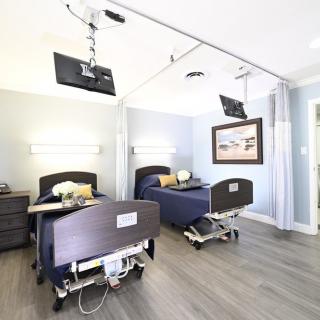


 Is a Geriatric Care Manager the Right Choice for Your Family?
 Compassionate Conversations: How to Comfort Someone Who Is Grieving
 Home Health Care Aides: Understanding Their Role and Supporting Your Family