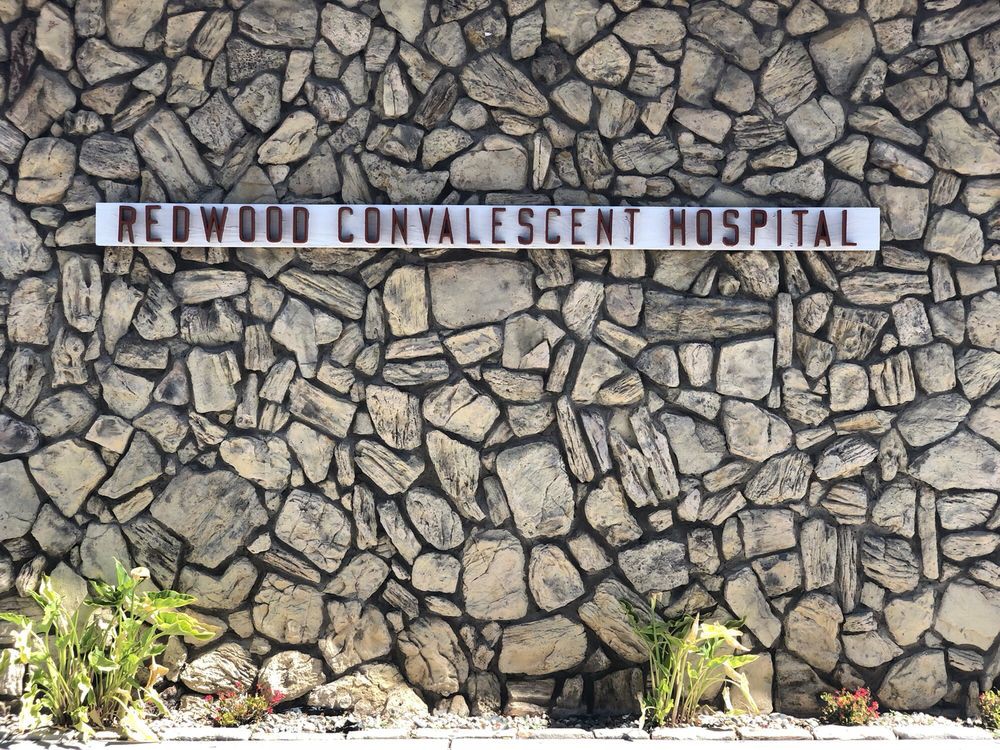
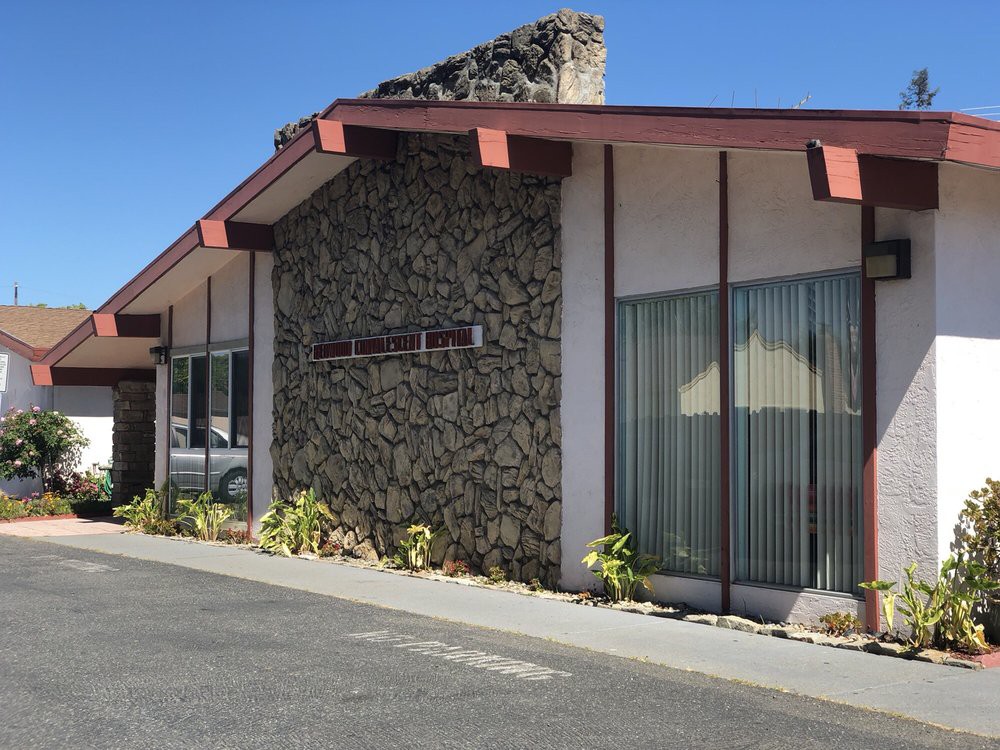
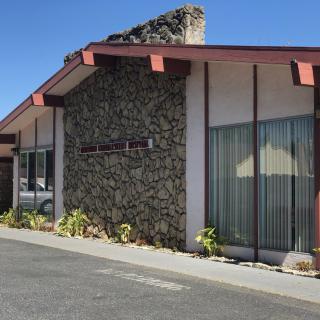

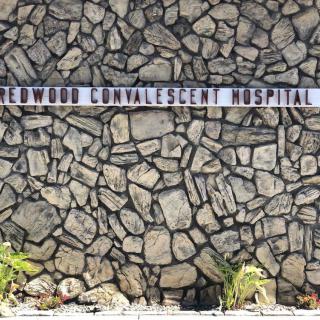

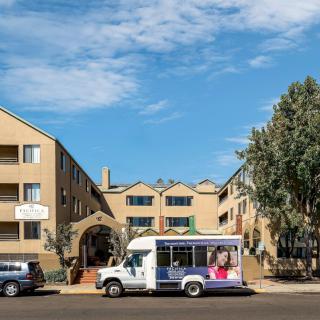
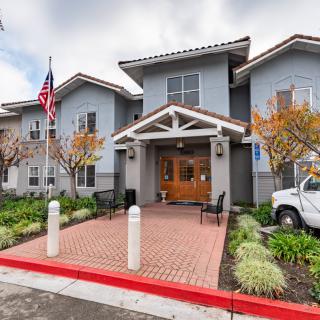
22103 Redwood Road, Castro Valley, CA 94546
For more information about senior living options: (866) 208-4318
Overall Review of Redwood Convalescent Hospital
Pros
 They are hopeful that the facility will be remodeled and feel welcoming.
- They believe the owner can create a caring environment for patients and families.
- They hope the atmosphere will be homely and inviting, with improved decor and cleanliness.
- They look forward to safer, more attentive care and timely medication in the future.
- They envision a year with meaningful improvements to the facility and its care.
Cons
 The facility is not suitable for a resident to be in.
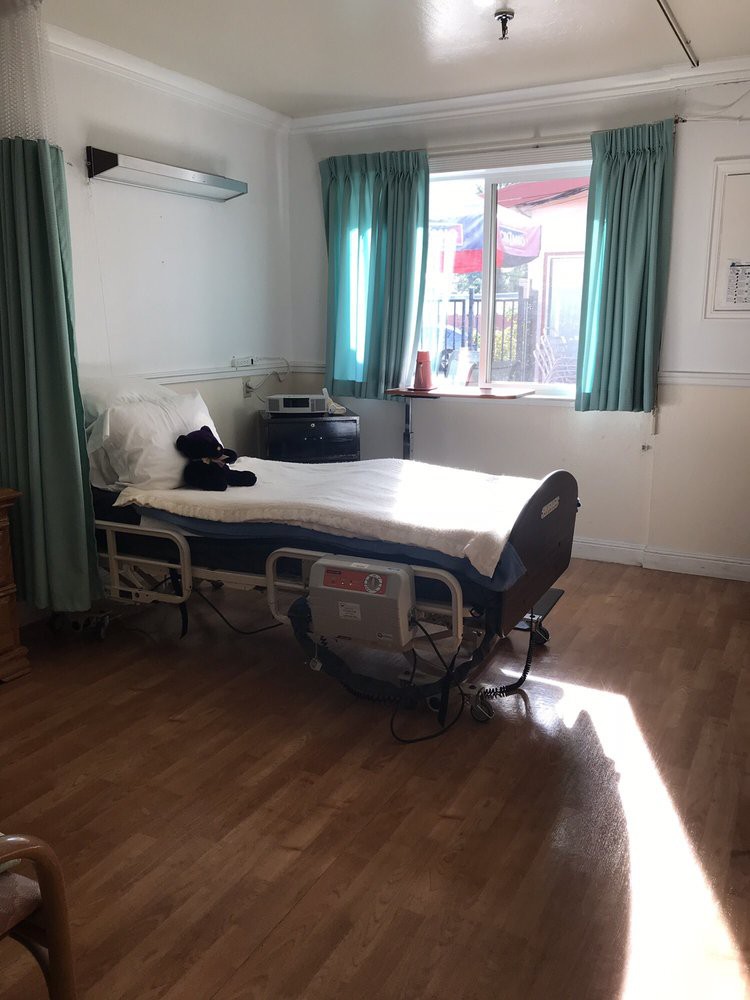
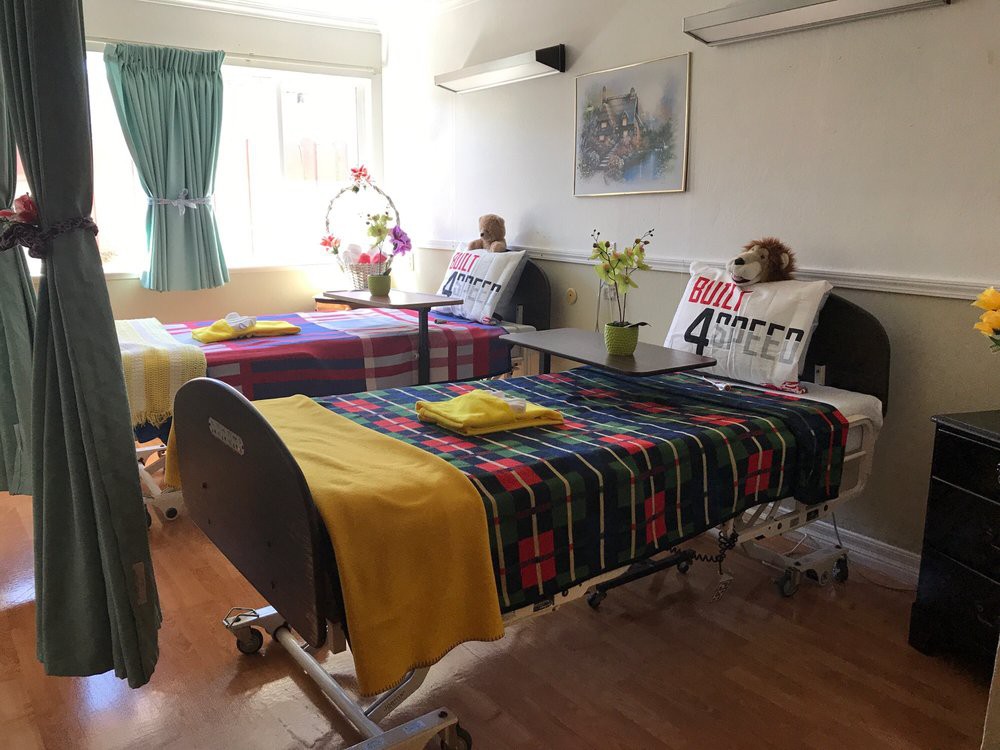
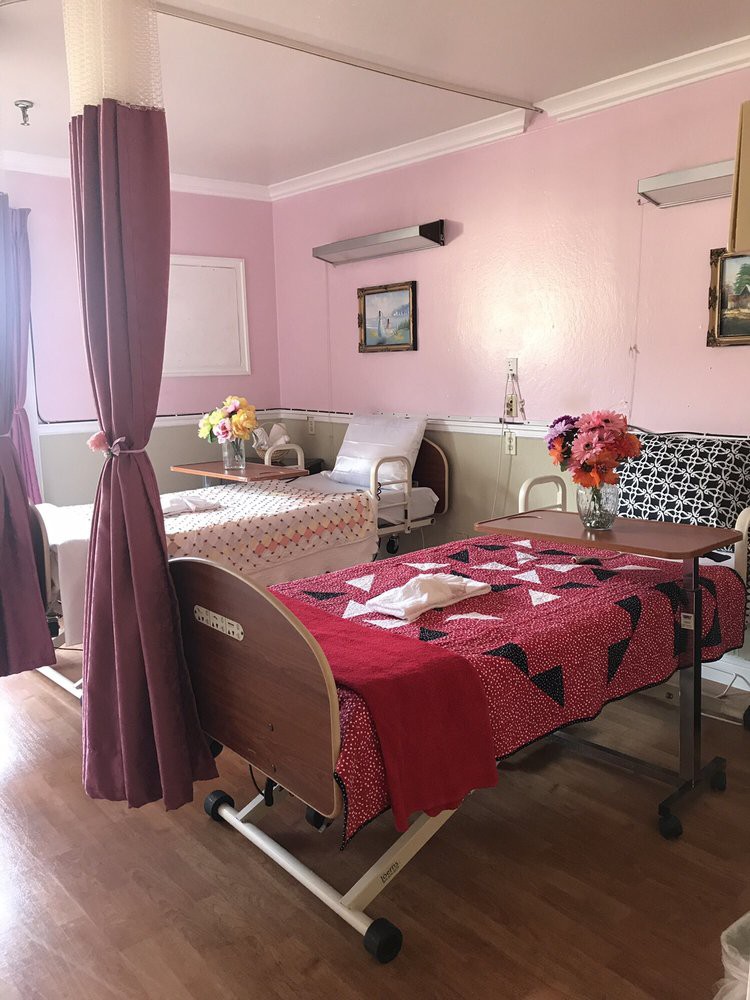
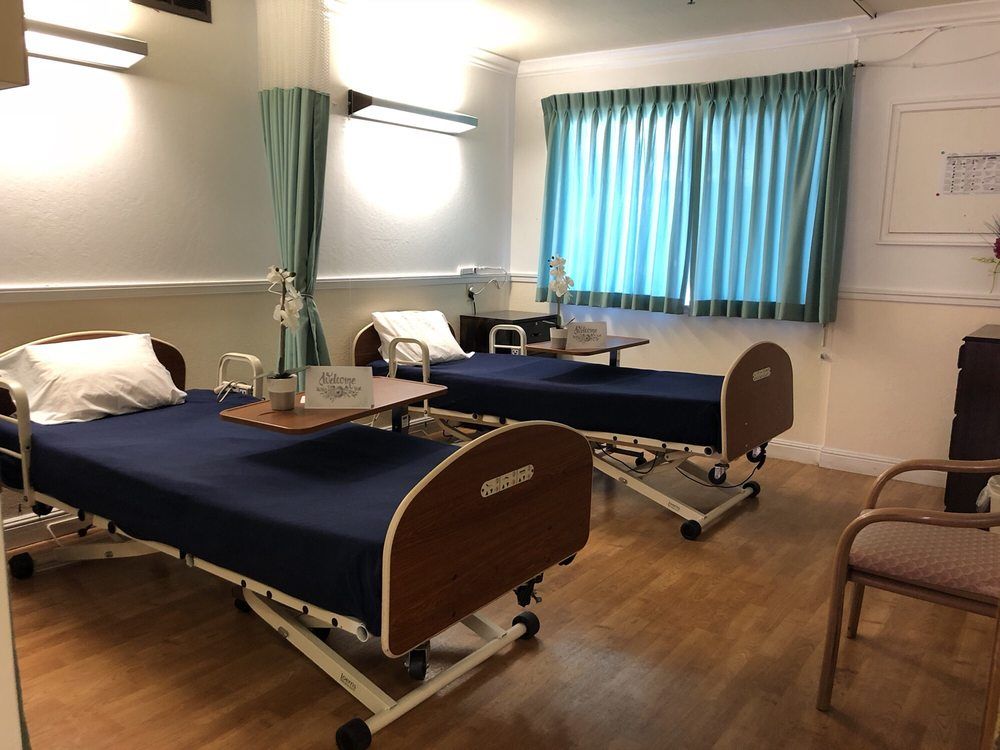
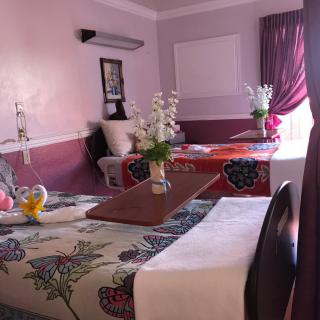
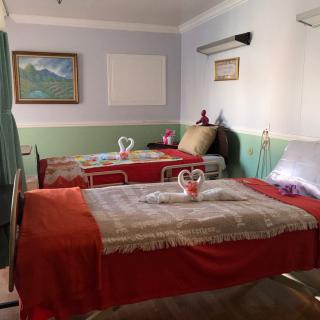
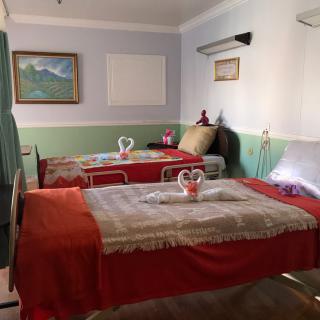
- The facility doesn’t feel homely and is very depressing.
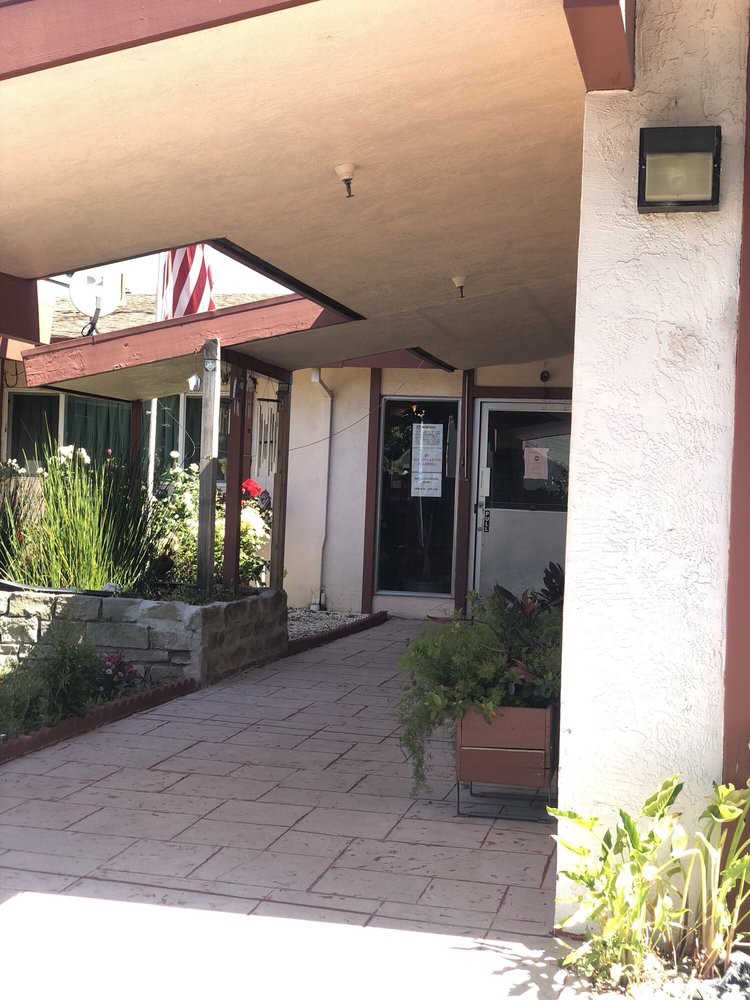
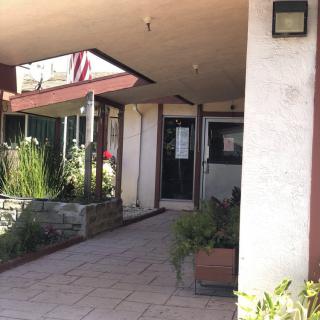
- It is not welcoming when someone walks in; it feels dead to the world.
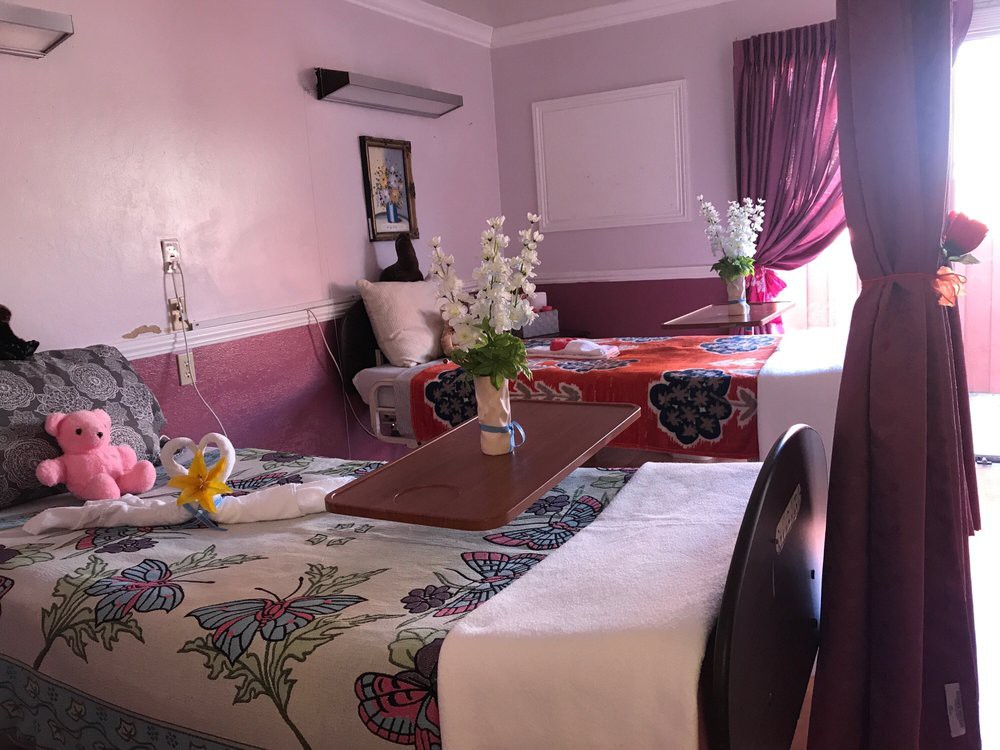
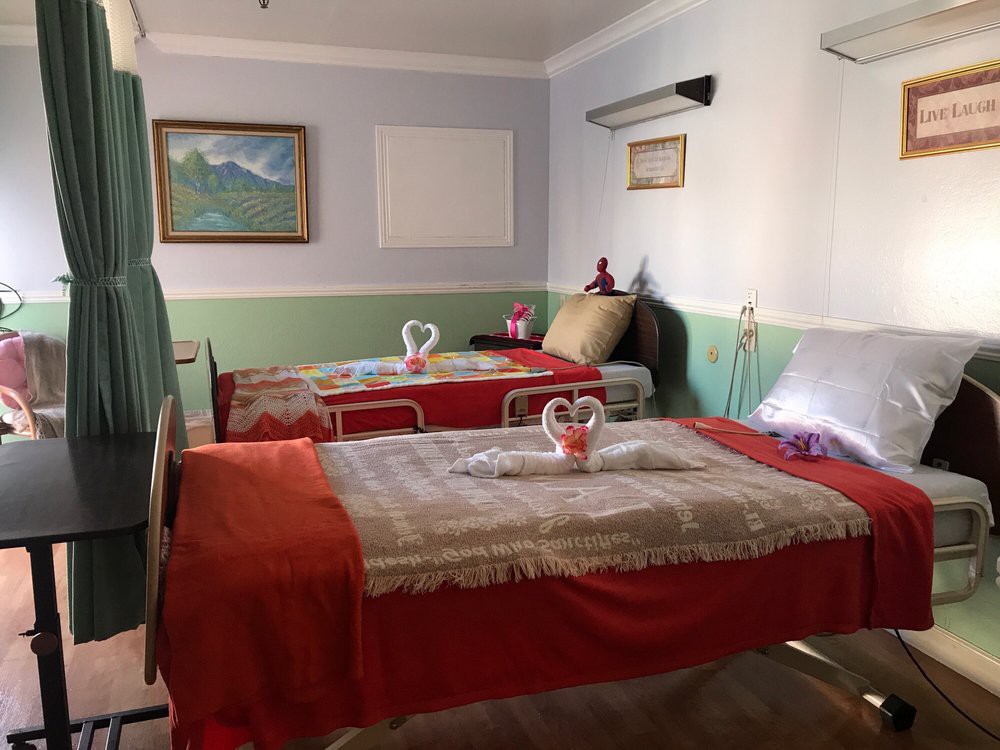
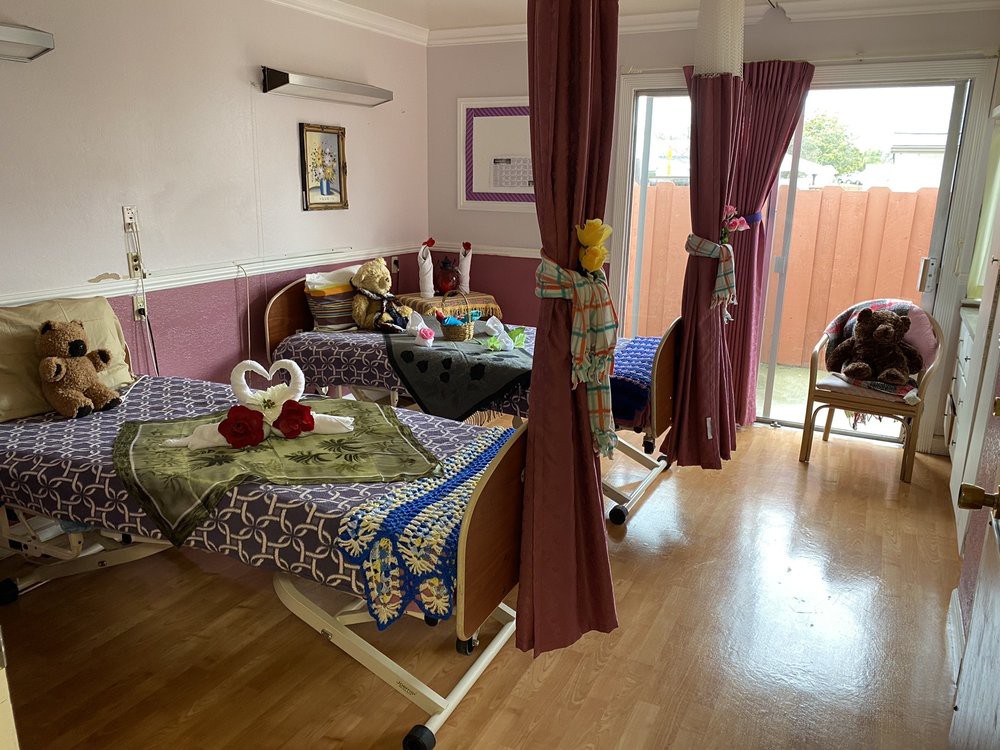
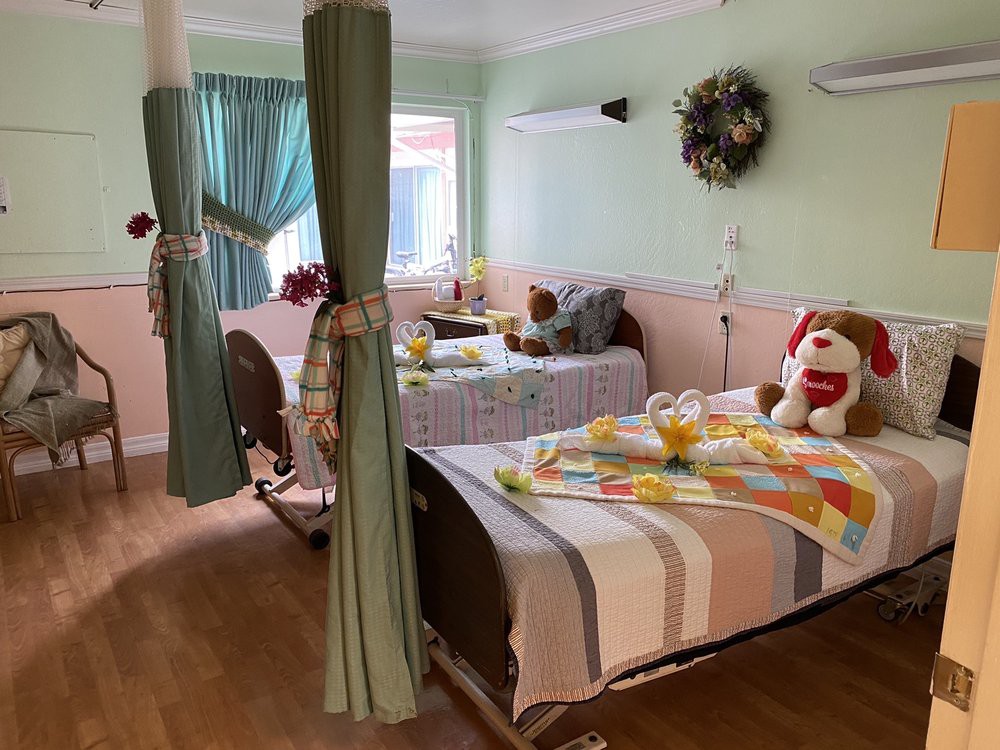
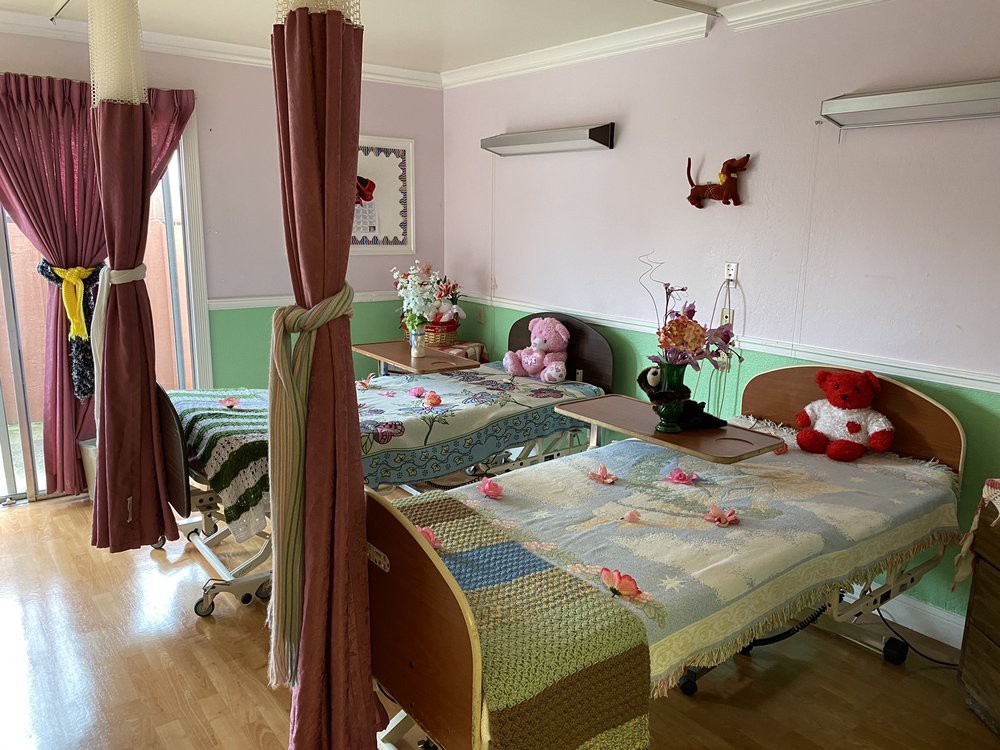
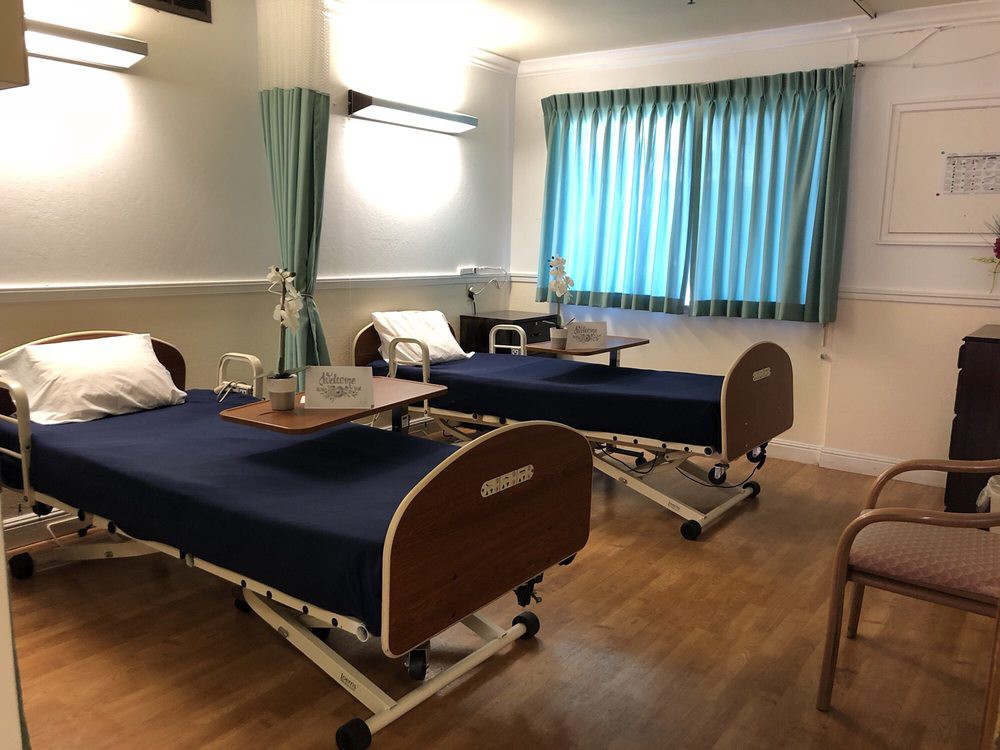
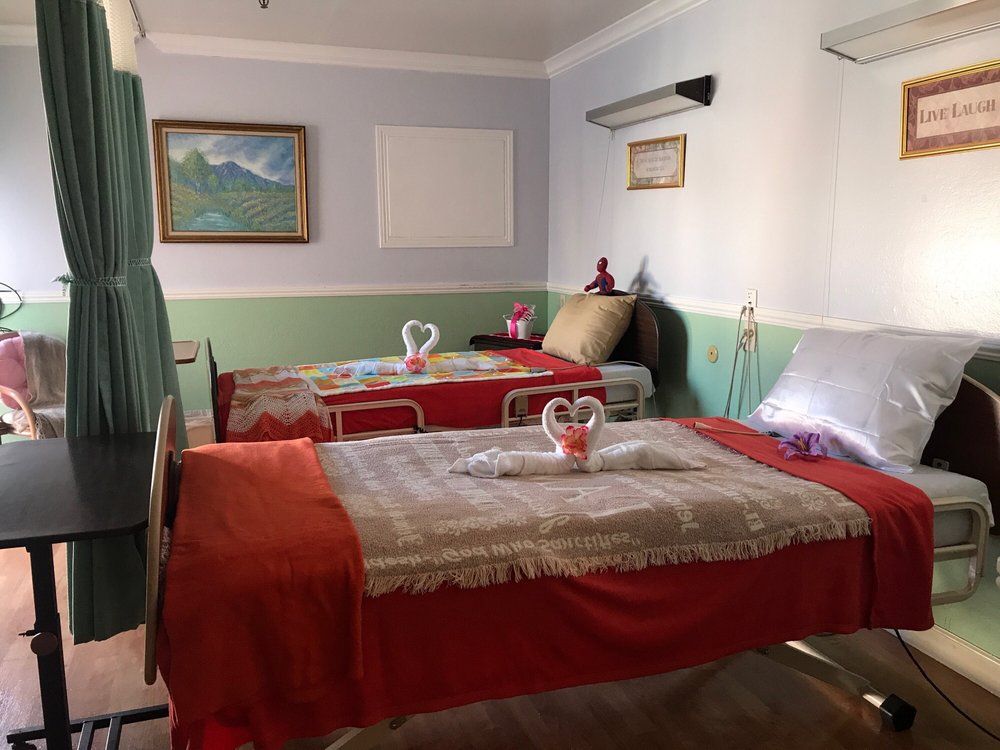
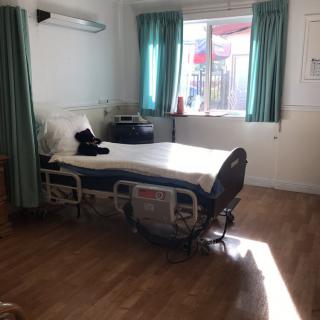
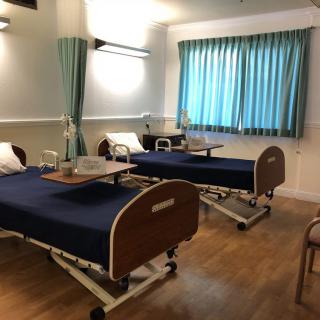
- The curtains are coming down and the privacy curtains do not match; it looks tacky.
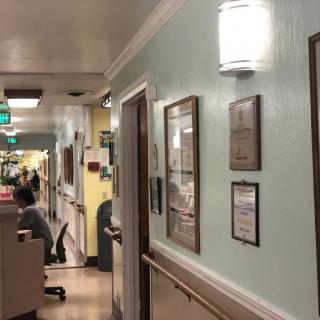
- The facility needs a lot of help, remodeling, and a thorough walkthrough.
- The owner doesn’t seem to care about the facility and needs to get it together.
- The bedrails were missing, leading to a fall and a brain bleed.
- The staff did not respond to the buzzer, and medications were not provided when needed.
Review
Redwood Convalescent Hospital in Castro Valley is best suited for families facing few alternatives and prepared to supervise care closely. The consensus from the reviews is blunt: this facility presents a depressing, unwelcoming environment with a lack of homelike touches and visible maintenance needs. For families seeking a warm, clean, and reliably responsive setting, this is not the place to settle. The atmosphere described is consistently described as somber and disheartening, with the physical space signaling chronic neglect. In practical terms, this is a facility that can only be considered if other, safer options are unavailable and oversight will be constant.
Those considering alternatives should rule this one out if safety, dignity, and dependable care are nonnegotiable. If the priority is steady access to timely pain management, responsive staff, clean surroundings, and basic respect for residents, look to other skilled nursing facilities with stronger staffing and better environmental standards. Home health services or a higher-rated assisted living option might deliver a more predictable quality of life and safer daily routines. In short, this community should not be the default choice for someone who cannot advocate for themselves every moment of the day.
The main concerns documented by families are concrete and grave. Safety lapses are the most chilling: a bed without proper rails led to fears of another fall and, in one case, a fall coincided with a brain bleed after transfer. Personal property mishaps, items left behind or not accounted for, compound distrust in staff reliability. Reports of unresponsive patient alarms, delays in addressing pain or routine medications, and dismissive or careless attitudes from supervisors and nurses further erode confidence. The lived experience described is one where basic needs are inconsistently met, and urgent signals to staff are not consistently acted upon.
The lack of publicly evident positives is notable. There are no clear, redeeming advantages reported that could meaningfully offset the safety and care failures. The environmental signs, outdated décor, curtains that don’t provide real privacy, and a general sense of neglect, do not combine with any practical strengths to create a compelling value proposition. When safety, dignity, and reliable daily care are in question, any potential convenience or lower cost becomes an insufficient trade-off. In practical terms, the drawbacks overwhelmingly outweigh whatever minor, unspecified benefits might exist.
Families evaluating this option should insist on a rigorous, structured assessment before any commitment. Practical steps include requesting an up-to-date inspection report and known deficiencies, demanding a walk-through focused on safety features (rails, fall-prevention devices, call bells, and nourishment protocols), and asking for recent med-pass accuracy data and response times. Speak with multiple residents and their families, not just the staff, to gauge consistency of care. Require a concrete care plan with written guarantees about supervision, pain management, and incident reporting, plus a clearly defined process for addressing concerns and transferring care if conditions fail to improve.
In the end, Redwood Convalescent Hospital presents a high-risk proposition for long-term care. The reviews converge on a single, hard conclusion: safety and basic caregiving standards are not reliably met, and the environment fails to support dignity and comfort. For most seniors and their families, alternatives that deliver stronger staffing, cleaner surroundings, and responsive, respectful care should be the default path. If this facility must be considered due to constrained options, approach with explicit, enforceable oversight, stringent performance milestones, and a decisive plan to relocate at the first sign of continued unmet needs.
 70 resident community capacity
 Skilled Nursing Facility
 Air-conditioning
 Beauty salon
 Cable or satellite TV
 Computer center
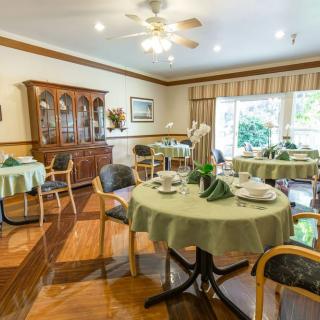
 Dining room
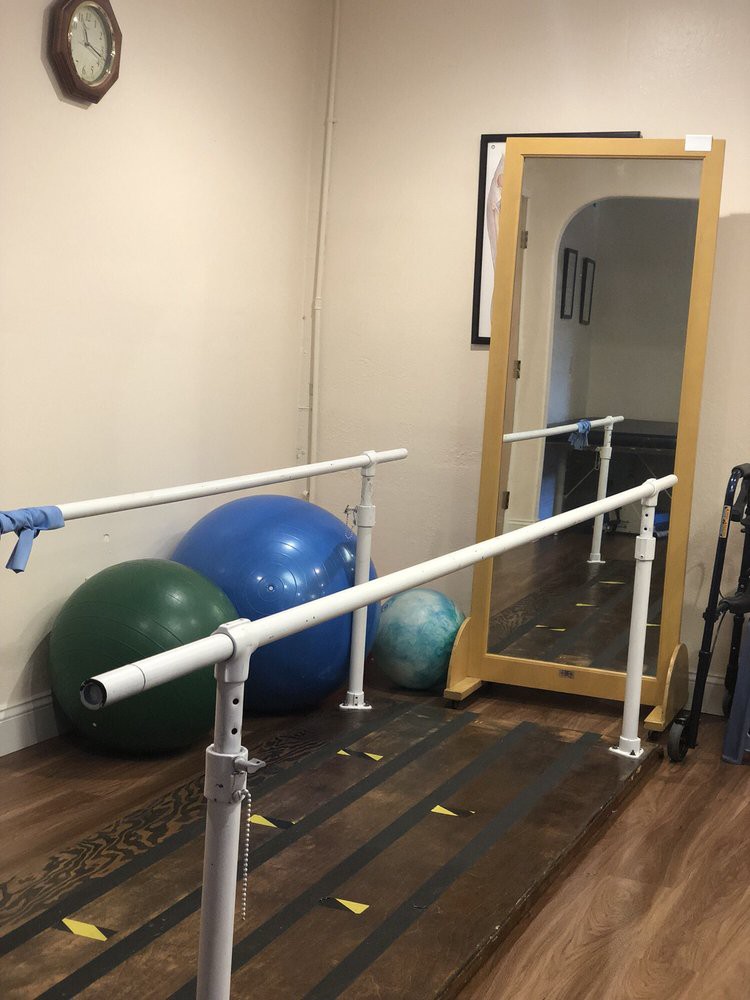
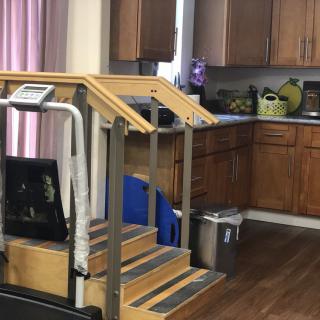
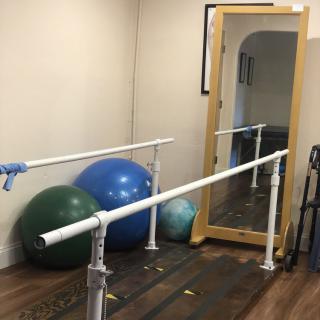
 Fitness room
 Fully furnished
 Gaming room
 Garden
 Housekeeping services
 Kitchenette
 Move-in coordination
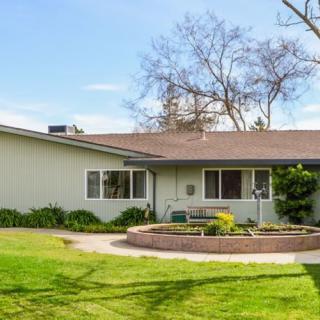
 Outdoor space
 Private bathrooms
 Restaurant-style dining
 Small library
 Telephone
 Wellness center
 Wi-Fi/high-speed internet available
 Metropolitan Oakland International (8 miles away)
 Community operated transportation
 12-16 hour nursing
 24-hour call system
 Activities of daily living assistance
 Assistance with bathing
 Assistance with dressing
 Assistance with transfers
 Diabetes diet
 Medication management
 Mental wellness program
 Special dietary restrictions
 Concierge services
 Planned day trips



 Navigating Medicare Coverage for In-Home Care Services
 In-Home Care Costs in 2025: A Detailed State-by-State Exploration
 Understanding Home Health Care: A Comprehensive Guide