
1768 B Street, Hayward, CA 94541
For more information about senior living options: (866) 208-4318
Overall Review of Hayward Hills Health Care Center
Pros
 The staff are very patient and friendly, and residents receive good care and recover quickly.
- The facility is clean and well maintained, with attentive, caring staff.
- The nursing staff take care of residents' needs and provide thorough, attentive care.
- The staff are kind, loving, and make residents feel comfortable.
- The transition to the facility is smooth and easy for families and residents.
- Residents enjoyed Bingo Night, which brought smiles to their faces.
- The facility responds promptly to inquiries and provides virtual tours, demonstrating good communication.
- The staff go beyond expectations to ensure residents' stay is comfortable and the care is genuine.
Cons
 The place is really sad.
- The residents look like they’re just left to wither away.
- The facility’s excuse for not reaching family was that the number on file was wrong.
- A resident ended up in the ER with a severe UTI that had turned into a bloodstream infection, suggesting he’d been left in a diaper for too long.
- The patient had bedsores all over, indicating he wasn’t being changed regularly.
- There were times caregivers wouldn’t respond to calls for up to seven hours.
- The facility is terrible.
- The facility charges exorbitant fees and serves the worst food.
- The staff do not care for anyone here.
- The place is falling apart and nothing gets replaced.
Review
Hayward Hills Health Care Center is best suited for families that can tolerate and actively supervise a highly variable care environment. The most consistent takeaway is that when staff are engaged and attentive, residents can receive compassionate, personable care; but when oversight slips, the consequences can be severe and fast-spiraling. This community rewards families who insist on frequent updates, clear accountability, and hands-on involvement in daily routines, medication management, and safety checks. For loved ones who require predictable clinical oversight and everything in writing, this facility demands a strong, ongoing family presence to prevent lapses.
Families should explicitly consider alternatives if steady communication, consistent basic hygiene, and reliable medical responses are nonnegotiable. Repeated, troubling reports surface about neglect and delayed care, UTIs that escalate, bedsores, residents left in diapers for long periods, and facilities that smell or feel dilapidated. Several families describe calls being unanswered, staff not responding to call lights, and a lack of timely doctor or nurse involvement. These patterns pose real risks, especially for residents with mobility limitations, incontinence, feeding tubes, or chronic conditions that require rapid escalation to clinical teams.
On the flip side, there are credible positives that attentive families can leverage. When the staff is counted on, the nurses and aides are described as kind, patient, and capable, with some reviewers noting genuine warmth and a willingness to accommodate language and cultural needs. Cleanliness and ongoing maintenance show up in multiple accounts, and some residents enjoy social activities and a personal connection with caregivers. A few families report smooth hospital-to-facility transitions and visits that capture genuine moments of care and comfort, which demonstrates that the facility can deliver humane, supportive care in the right circumstances.
The most troubling realities, however, repeatedly counterbalance those strengths. Bedsores, aspiration risks, and infections highlight inadequate turning schedules or insufficient monitoring in some shifts. Reports of residents left unattended for hours, inadequate hygiene, and medication or therapy delays present a tangible threat to safety and overall health. The reported inconsistency in leadership responsiveness, especially around calls, updates, and access to doctors or social workers, creates an environment where trust must be earned anew with every visit. The facility’s aging physical plant adds another layer of concern when safety and comfort depend on reliable infrastructure.
To navigate these dynamics, families should demand concrete, enforceable safeguards before placement. Seek a contract that guarantees daily RN oversight during key hours, explicit response times to call lights, and a documented daily plan for turning, bathing, and feeding assistance. Request weekly progress notes from the treating physician and regular therapy schedules with measurable goals. Meet with the director of nursing and the administrator to review infection prevention practices, wound care protocols, and the process for urgent hospital transfers. Verify a transparent, easily accessible communication channel for updates, and insist on involvement in care planning, discharge planning, and redirection if safety concerns arise.
Ultimately, Hayward Hills Health Care Center presents a mixed-to-challenging picture. It is not a universal fit for families seeking high predictability and consistently excellent clinical outcomes. For those who can bring relentless oversight, clear expectations, and a willingness to act quickly if issues arise, the facility can deliver moments of genuine care and a semblance of normalcy in social activity. Yet for families unable to commit to rigorous monitoring or who prioritize unwavering safety and reliable physician engagement, several nearby options warrant serious consideration. The decision should hinge on the ability to secure prompt communication, proven infection control, and a plan that keeps a resident’s daily needs and dignity firmly in view.
 74 resident community capacity
 Skilled Nursing Facility
 Air-conditioning
 Beauty salon
 Cable or satellite TV
 Computer center
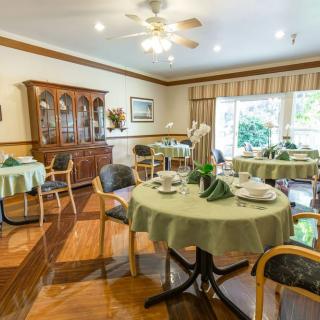
 Dining room
 Fitness room
 Fully furnished
 Gaming room
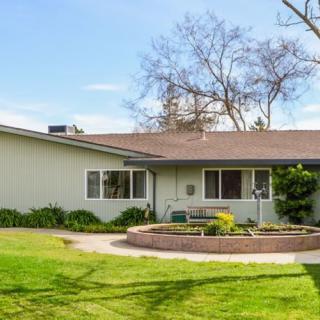
 Garden
 Housekeeping services
 Kitchenette
 Move-in coordination
 Outdoor space
 Private bathrooms
 Resident parking
 Restaurant-style dining
 Security gate
 Small library
 Telephone
 Wellness center
 Wi-Fi/high-speed internet available
 Metropolitan Oakland International (9 miles away)
 Community operated transportation
 12-16 hour nursing
 24-hour call system
 Activities of daily living assistance
 Assistance with bathing
 Assistance with dressing
 Assistance with transfers
 Diabetes diet
 Medication management
 Mental wellness program
 Special dietary restrictions
 Concierge services
 Planned day trips
 English


 A Comprehensive Exploration of Common Misunderstandings about Powers of Attorney
 Senior Move Management: Understanding the Role, Value, and Associated Costs
 Weight Training for Seniors: Building Strength and Vitality