Willow Creek Alzheimer's & Dementia Care Center in Castro Valley, CA

Save
Willow Creek Alzheimer's & Dementia Care Center Willow Creek Alzheimer's & Dementia Care Center

Willow Creek Alzheimer's & Dementia Care Center in Castro Valley, CA

22424 Charlene Way, Castro Valley, CA 94546

For more information about senior living options: (844) 490-3973

4.7 from 15 reviews
5 stars
14
4 stars
0
3 stars
0
2 stars
0
1 stars
1

Assisted Living Memory Care Respite Care

Willow Creek Alzheimer's & Dementia Care Center Costs & Pricing

Willow Creek Alzheimer's & Dementia Care Center presents a notable investment in specialized care, with monthly costs significantly exceeding those of both Alameda County and the broader state of California. For a semi-private room, residents can expect to pay $7,200, which is more than double the county's average of $3,273 and substantially higher than the state average of $3,333. The center's studio accommodations reflect an even greater premium at $12,180 per month - approximately two and a half times higher than Alameda County's average rate of $4,532 and about three times the state average of $4,145. This pricing underscores Willow Creek's commitment to providing tailored support for individuals with Alzheimer's and dementia in a secure and nurturing environment.

Floor plansWillow Creek Alzheimer's & Dementia Care CenterAlameda CountyCalifornia
Semi-Private$7,200$3,273$3,333
Studio$12,180$4,532$4,145

What level of care are you interested in?

Assisted Living

Memory Care

Independent Living

Skilled Nursing Facility

Continuing Care Retirement Community (CCRC)CCRC

Other


Request a tour at Willow Creek Alzheimer's & Dementia Care Center

    Overall Review of Willow Creek Alzheimer's & Dementia Care Center

    Pros

    • pro Willow Creek's team goes above and beyond in supporting difficult transitions.
    • pro Their compassionate care for residents with Alzheimer's is exceptional.
    • pro The staff-to-resident ratio exceeds requirements and expectations.
    • pro The staff are incredibly friendly, outgoing, and patient, making families feel welcome and cared for.
    • pro They are incredibly attentive to residents' care and relieve families so they can spend quality time with loved ones.
    • pro The environment is positive, with happy and outgoing residents who enjoy chatting.
    • pro Caregivers and staff make the families feel that their loved ones are part of the Willow Creek family.
    • pro The facility is safe, clean, and conducive, with warm employees and pleasant grounds.

    Cons

    • pro No negative statements in the third person were found in the provided reviews.

    Review

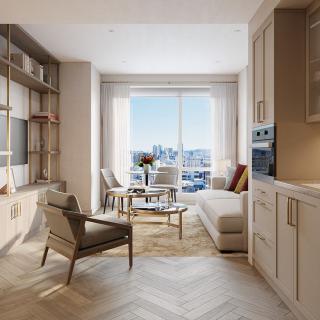
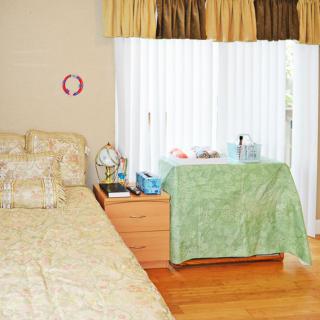
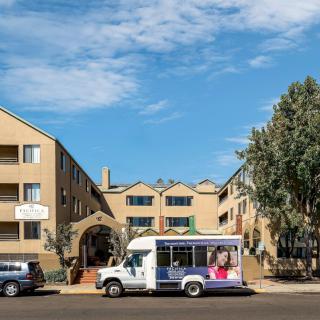
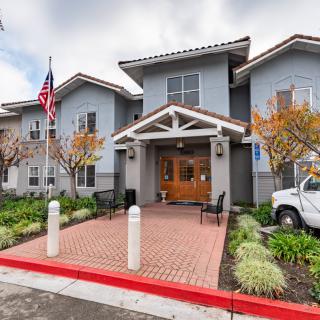
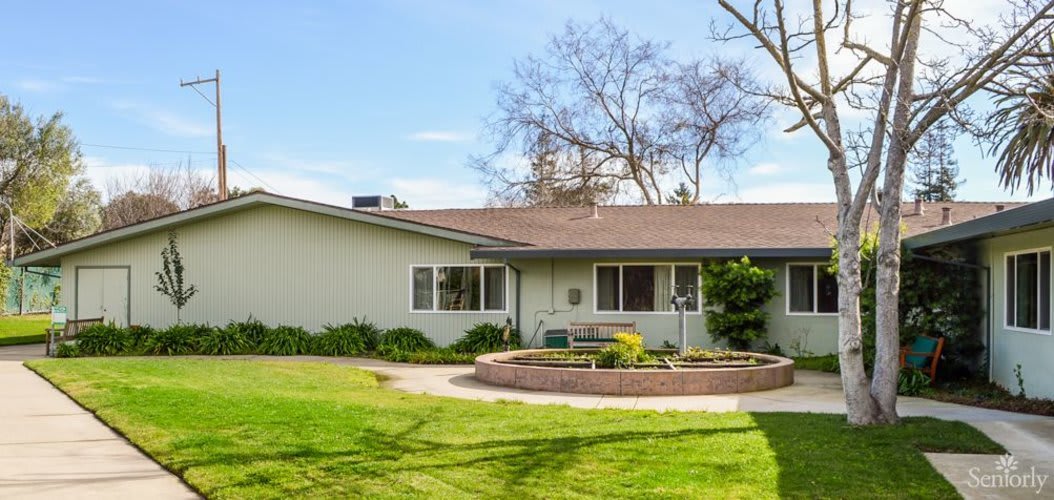
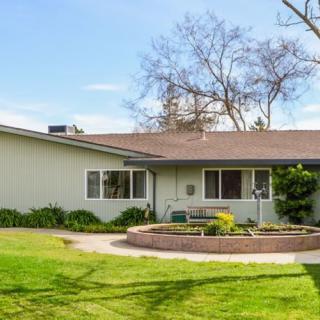
    Willow Creek Alzheimer's & Dementia Care Center in Castro Valley is best suited for families facing a dementia journey who want a dedicated, dementia-focused environment with highly responsive, compassionate caregivers. The center prioritizes smooth transitions, dignity-centered routines, and consistent engagement for residents with Alzheimer's and related conditions. Families will find care teams that communicate clearly, maintain steady caregiver presence, and organize daily activities that are meaningful rather than transactional. The setting conveys a welcoming, home-like feel with well-kept grounds and calm common spaces, reinforcing a practical expectation: this is a place where specialized memory care and consistent supervision are the main outcomes.

    For those not in need of a dementia-focused program, alternatives should be considered. Individuals seeking broad medical oversight beyond cognitive care, or those prioritizing independence and a less structured environment, may fare better in standard assisted living options or facilities that offer a wider range of medical services. Cost sensitivity also matters; while Willow Creek earns high marks for quality, families looking for the most affordable memory care or a smaller, more intimate home setting may find other communities deliver a different balance of price and scale.

    The strongest positives here are not peripheral but foundational. A high staff-to-resident ratio translates into tangible benefits: attentive care, easier management of challenging behaviors, and reassurance for family members that help is readily available. Families consistently note caregivers who are patient, friendly, and dedicated to preserving dignity, even when residents can be difficult at times. The culture extends beyond care tasks to include a real sense of community: visiting families are welcomed at meals, caregivers offer condolences when a loved one passes, and residents appear engaged and socially connected in a positive atmosphere. These elements - the depth of staff attention, the welcoming tone for families, and the consistent, dignified approach to daily life - collectively offset the potential downside of being a dementia-only residence that may not address every medical nuance.

    One caveat to weigh is the facility's specialization. While that focus drives capability in memory care, it also means Willow Creek is not the ideal fit for residents who require extensive non-dementia medical interventions, rapid escalation to hospital-level oversight, or a setting that emphasizes independent living within a broader continuum. Additionally, even with a robust staff and caring environment, the perception of scale can feel less intimate to some families in a larger campus. An outlier one-star review exists within the overall high rating, suggesting that, in rare cases, expectations may diverge from experience. This is a reason to probe during tours about what went unfulfilled for that reviewer and how current practices address similar concerns.

    When evaluating Willow Creek, prospective families should go on a purposeful tour armed with targeted questions. Inquire about exact staff ratios by shift and unit, daily and specialty memory programs, how behavioral challenges are managed without compromising dignity, and the cadence of family updates and involvement. Ask to observe meal times, activity calendars, and opportunities for family participation in care planning. Clarify respite availability, transitions to hospital care if needed, and the facility's policy on end-of-life support so plans align with family wishes. These concrete details are what distinguish a good dementia-focused center from a great one.

    Ultimately, Willow Creek stands out as a leading option for dementia-specific care in Castro Valley, backed by strong praise from families and a clear emphasis on compassionate, continuous care. For those whose loved one's needs are centered on memory support and daily supervision within a warm, engaging community, the combination of high staffing levels, dignified treatment, and family-inclusive culture makes it a compelling choice. Those pursuing broader medical needs, more independence, or a tighter budget should compare alternatives that broaden medical services, scale, or price point, ensuring the decision aligns with the resident's overall care trajectory and family priorities.

    Features

    Housing

    • 49 resident community capacity 49 resident community capacity
    • Studio apartments Studio apartmentsStudio apartments are important for seniors because they offer a smaller, more manageable living space that is easier to navigate and maintain as physical abilities decline. Additionally, studio apartments provide seniors with independence and privacy while still being part of a community that offers support and social opportunities.

    Types of Care

    • Assisted Living Assisted LivingAssisted living facilities provide crucial support and care for seniors who may need help with daily tasks such as medication management, bathing, and meal preparation. These communities offer a safe and comfortable environment where seniors can maintain their independence while receiving the assistance they need to thrive in their golden years.
    • Memory Care Memory CareMemory care is crucial for seniors as it provides specialized support and services for individuals with dementia or Alzheimer's disease. These programs offer a safe and secure environment where residents receive personalized care, cognitive stimulation, and help with daily activities. Memory care helps seniors maintain their independence, quality of life, and dignity while also providing peace of mind for their families.
    • Respite Care Respite CareRespite care provides temporary relief for caregivers, allowing them to recharge and attend to their own needs. It also gives seniors the opportunity to socialize, receive professional care, and experience a change of scenery, promoting overall well-being and reducing feelings of isolation.

    Amenities

    • Activities on-site Activities on-siteActivities on-site are important for seniors because they provide opportunities for socialization, mental stimulation, physical activity, and overall well-being. Engaging in activities can help seniors stay active, maintain their independence, and improve their quality of life.
    • Beautician on-site Beautician on-siteHaving a beautician on-site at a senior living community is important for seniors as it allows them to easily access grooming and personal care services, boosting their self-esteem and overall well-being. It also provides convenience and helps seniors maintain their sense of independence and personal style.
    • Beauty salon Beauty salonBeauty salons are important for seniors because they provide a space for them to feel pampered, socialize, and maintain their personal grooming and hygiene. Regular visits to a beauty salon can help boost seniors' self-esteem and overall well-being.
    • Cable or satellite TV Cable or satellite TVCable or satellite TV is important for seniors because it provides entertainment, news, and companionship, helping to combat loneliness and boredom. It also offers a wide range of programming options tailored to different interests and preferences.
    • Dining room Dining roomDining rooms are important for seniors as they provide a space for socialization, connection, and nutritious meals. They offer opportunities for residents to bond over shared meals, foster a sense of community, and promote healthy eating habits. Dining rooms also ensure that seniors have access to well-balanced meals tailored to their dietary needs and preferences.
    • Fully furnished Fully furnishedFully furnished senior living communities are important for seniors because they provide convenience, comfort, and a hassle-free moving experience. Seniors can easily settle into their new living space without the stress of having to buy and move furniture. This allows them to focus on enjoying their new home and community.
    • Garden GardenGardens are important for seniors as they provide a peaceful and therapeutic environment for relaxation, physical activity, and socialization. Being in nature has been shown to reduce stress, improve mood, and promote overall well-being. Gardens also offer opportunities for seniors to engage in gardening activities, which can improve mobility, flexibility, and cognitive function. Additionally, gardens create a sense of community and connection with others who share a passion for plants and outdoor spaces.
    • Housekeeping services Housekeeping servicesHousekeeping services are important for seniors because they help maintain a clean and safe living environment, promote independence, and reduce the risk of accidents or illnesses. Additionally, having assistance with household chores can alleviate physical strain and allow seniors to focus on other aspects of their well-being.
    • Kitchenette KitchenetteKitchenettes are important for seniors living in senior living communities because they provide the convenience and independence of being able to prepare simple meals and snacks in the comfort of their own living space. This can help promote a sense of autonomy and well-being for seniors, allowing them to maintain some level of control over their dietary choices and daily routines.
    • Move-in coordination Move-in coordinationMove-in coordination is important for seniors because it helps ease the transition into their new living environment. It ensures that all logistics, such as packing, organizing movers, and setting up utilities are taken care of, allowing seniors to focus on settling in and adjusting to their new home. Having a smooth move-in process can alleviate stress and anxiety, making the transition smoother and more enjoyable for seniors.
    • Outdoor common areas Outdoor common areasOutdoor common areas are important for seniors as they provide a space for socialization, physical activity, and relaxation. Being outside in nature can improve mood and overall well-being, while also encouraging movement and engagement with others. These spaces can help combat feelings of isolation and promote a sense of community among residents.
    • Outdoor space Outdoor spaceOutdoor spaces are important for seniors as they provide opportunities for physical activity, social interaction, exposure to natural light and fresh air, and a sense of connection to nature. Having access to outdoor spaces can improve overall well-being and quality of life for older adults living in senior communities.
    • Restaurant-style dining Restaurant-style diningRestaurant-style dining is important for seniors because it allows them to enjoy delicious, nutritious meals in a social and upscale setting. This enhances their dining experience, promotes healthy eating habits, and fosters socialization with fellow residents, ultimately contributing to their overall well-being and quality of life.
    • Small library Small librarySmall libraries are important for seniors as they provide access to a variety of reading materials, including books, newspapers, and magazines. This can help stimulate their minds, keep them engaged, and provide a sense of community through book clubs and other social activities. Additionally, reading has been shown to improve cognitive function and overall mental well-being in older adults.
    • Telephone TelephoneTelephones are important for seniors as they provide a lifeline for communication with loved ones, emergency services, and healthcare providers. They offer a sense of security and independence, enabling seniors to stay connected and access assistance when needed.
    • Wi-Fi/high-speed internet available Wi-Fi/high-speed internet availableWi-Fi/high-speed internet is important for seniors to stay connected with loved ones, access online resources, and participate in virtual activities to combat feelings of loneliness and isolation. It also allows them to easily manage healthcare needs, access entertainment, and engage in lifelong learning opportunities.

    Transportation

    • Metropolitan Oakland International (9 miles away) Metropolitan Oakland International (9 miles away)
    • San Francisco International (17 miles away) San Francisco International (17 miles away)
    • San Jose International (24 miles away) San Jose International (24 miles away)

    Care Services

    • 24-hour call system 24-hour call system24-hour call systems are important for seniors because they provide peace of mind and immediate assistance in case of emergencies. This technology ensures that help is always available, promoting safety and security for elderly individuals living alone or in assisted living facilities.
    • 24-hour supervision 24-hour supervision24-hour supervision is important for seniors to ensure their safety, well-being, and access to immediate assistance in case of emergencies or health issues. This constant support provides peace of mind for both seniors and their loved ones, allowing them to age in place with dignity and security.
    • Activities of daily living assistance Activities of daily living assistanceActivities of daily living assistance are important for seniors because they provide essential support with tasks such as eating, bathing, dressing, and mobility. This assistance helps seniors maintain their independence, dignity, and overall quality of life as they age.
    • Ambulatory care Ambulatory care"Ambulatory care services provide essential medical support and treatment to seniors without requiring hospitalization, allowing them to maintain their independence and quality of life while managing chronic conditions or receiving routine medical care."
    • Assistance with bathing Assistance with bathingAssistance with bathing is crucial for seniors as it helps maintain personal hygiene, prevents infections, and ensures their overall well-being and comfort. It also provides a sense of dignity and independence for seniors who may struggle with this task on their own.
    • Assistance with dressing Assistance with dressingAssistance with dressing is important for seniors because it helps maintain their independence, promotes personal hygiene, prevents accidents and injuries, and improves overall quality of life. This service ensures that seniors can continue to dress comfortably and confidently, despite any physical limitations they may have.
    • Assistance with transfers Assistance with transfersAssistance with transfers is crucial for seniors as it helps prevent falls and injuries, maintains their independence, and ensures they can safely navigate their living environment. It also provides peace of mind for both seniors and their loved ones.
    • Diabetes diet Diabetes dietA diabetes diet is crucial for seniors as it helps manage blood sugar levels, reduce risks of complications, and improve overall health and well-being. By following a balanced and nutritious diet tailored to their specific needs, seniors can better control their diabetes and enhance their quality of life.
    • Diabetic care Diabetic careDiabetic care is crucial for seniors as they are more susceptible to developing diabetes due to aging and other health conditions. Proper management of diabetes can help prevent complications such as heart disease, vision loss, and nerve damage, improving the overall quality of life for seniors in senior living communities.
    • Incontinence care Incontinence careIncontinence care is essential for seniors to maintain their dignity, hygiene, and overall quality of life. By addressing incontinence issues promptly and effectively, seniors can enjoy a sense of independence and comfort in their daily activities.
    • Meal preparation and service Meal preparation and serviceMeal preparation and service are crucial for seniors as they may have limited mobility or energy to cook nutritious meals. Having access to healthy and convenient food options can ensure they are getting the proper nutrition needed to maintain their overall health and well-being.
    • Medication management Medication managementMedication management is crucial for seniors to ensure they are taking the right medications at the correct dosages and times. This helps prevent adverse drug interactions, reduces the risk of medication errors, and promotes overall health and well-being. Proactive management also allows for adjustments as needed based on changing health conditions or new prescriptions.
    • Mental wellness program Mental wellness programMental wellness programs are essential for seniors as they promote cognitive stimulation, emotional support, and social engagement. These programs help prevent isolation, depression, and cognitive decline, ultimately enhancing the overall quality of life for older adults.
    • Mild cognitive impairment Mild cognitive impairment"Mild cognitive impairment" is important for seniors because it is an early stage of cognitive decline that can potentially progress to more severe conditions such as dementia. Recognizing and addressing mild cognitive impairment can help seniors receive appropriate care and support to maintain their quality of life and independence for as long as possible.
    • Special dietary restrictions Special dietary restrictionsSpecial dietary restrictions are important for seniors because age-related changes in metabolism and health conditions can make it difficult for their bodies to process certain foods. By following a diet tailored to their specific needs, seniors can maintain their overall health and well-being, manage chronic conditions, and reduce the risk of complications such as malnutrition or food interactions with medications.
    • Specialized memory care programming Specialized memory care programmingSpecialized memory care programming is crucial for seniors with cognitive impairments such as dementia or Alzheimer's disease. These programs provide a safe and supportive environment tailored to the unique needs of individuals with memory loss, helping them maintain their independence, dignity, and quality of life.

    Dining

    • Diabetes diet Diabetes dietA diabetes diet is crucial for seniors as it helps manage blood sugar levels, reduce risks of complications, and improve overall health and well-being. By following a balanced and nutritious diet tailored to their specific needs, seniors can better control their diabetes and enhance their quality of life.
    • Guest meals Guest mealsGuest meals are important for seniors living in senior living communities because they provide an opportunity for socialization and companionship. Sharing a meal with friends, family, or new acquaintances can help combat feelings of loneliness and isolation, promote a sense of community, and enhance overall well-being. Additionally, guest meals allow seniors to enjoy delicious food in a comfortable setting without the hassle of cooking or cleaning up, making dining a pleasurable and stress-free experience.
    • Low / no sodium Low / no sodiumLow/no sodium options are important for seniors because excessive sodium intake can lead to high blood pressure, heart disease, and other health issues commonly experienced by older adults. By choosing low/no sodium foods, seniors can better manage their health and reduce their risk of developing these conditions.
    • Meals provided Meals provided"Meals provided" are crucial for seniors in assisted living communities as it ensures they have access to nutritious, balanced meals without the stress of meal planning and preparation. This can help promote overall health and well-being for seniors who may have limited mobility or cognitive abilities.
    • No Sugar No SugarNo sugar diets are important for seniors because they can help prevent or manage chronic conditions such as diabetes, heart disease, and obesity. Sugar can also contribute to cognitive decline and inflammation in the body, so reducing sugar intake can lead to overall improved health and well-being in older adults.
    • Special dietary restrictions Special dietary restrictionsSpecial dietary restrictions are important for seniors because age-related changes in metabolism and health conditions can make it difficult for their bodies to process certain foods. By following a diet tailored to their specific needs, seniors can maintain their overall health and well-being, manage chronic conditions, and reduce the risk of complications such as malnutrition or food interactions with medications.
    • Vegetarian VegetarianA vegetarian diet is important for seniors because it can help lower the risk of chronic diseases, maintain a healthy weight, and provide essential nutrients needed for aging bodies. Additionally, plant-based diets are often easier on digestive systems and can contribute to overall well-being in older adults.

    Activities

    • Activities on-site Activities on-siteActivities on-site are important for seniors because they provide opportunities for socialization, mental stimulation, physical activity, and overall well-being. Engaging in activities can help seniors stay active, maintain their independence, and improve their quality of life.
    • Art classes Art classesArt classes are important for seniors because they provide a creative outlet, improve cognitive function, reduce stress and anxiety, promote socialization, and enhance overall well-being and quality of life.
    • BBQs or picnics BBQs or picnicsBBQs or picnics provide seniors with social interaction, enjoyment of the outdoors, and a sense of community, contributing to their overall well-being and quality of life.
    • Birthday parties Birthday partiesBirthday parties are important for seniors as they provide an opportunity for celebration, socialization, and joy. They allow seniors to feel special and appreciated, boosting their mood and overall well-being. Additionally, birthday parties can help combat feelings of isolation and loneliness by fostering connections with friends, family, and community members.
    • Brain fitness Brain fitnessBrain fitness is important for seniors as it helps to maintain cognitive function, memory, and overall mental well-being. Engaging in activities that challenge the brain can help prevent cognitive decline and promote a healthier, more fulfilling quality of life in older adults.
    • Community-sponsored activities Community-sponsored activitiesCommunity-sponsored activities are important for seniors as they provide opportunities for social interaction, mental stimulation, and physical activity. These activities can help improve overall well-being, combat loneliness and isolation, and promote a sense of belonging and purpose among older adults.
    • Cooking classes Cooking classesCooking classes are important for seniors as they provide opportunities for social interaction, enhance cognitive skills, promote healthy eating habits, and boost confidence in the kitchen.
    • Educational speakers / life long learning Educational speakers / life long learningEducational speakers and lifelong learning opportunities are crucial for seniors as they provide mental stimulation, promote social engagement, and contribute to overall well-being. Continuous learning helps seniors stay mentally sharp, build new skills, and maintain a sense of purpose and fulfillment in their lives. It also allows them to stay connected to the world around them and fosters a sense of community within senior living facilities.
    • Gardening club Gardening clubGardening clubs are important for seniors because they provide a sense of community, promote physical activity and mental well-being, and offer opportunities for socialization and connection with nature. Gardening can also improve cognitive function and overall quality of life for seniors.
    • Karaoke KaraokeKaraoke provides seniors with a fun and social activity that can boost mood, confidence, and cognitive function. It encourages social interaction, physical movement, and creative expression, making it an important form of entertainment for senior living communities.
    • Live musical performances Live musical performancesLive musical performances can provide seniors with a sense of joy, nostalgia, and connection. Music has the power to evoke emotions and memories, improve mood and cognitive function, and foster social interaction among seniors. It can also serve as a form of therapy and stress relief for older adults, making it an important activity to include in senior living communities.
    • Pet-focused programs Pet-focused programsPet-focused programs are important for seniors as they provide companionship, reduce feelings of loneliness and depression, encourage physical activity and social interaction, and have been shown to improve overall well-being and quality of life in older adults.
    • Resident-run activities Resident-run activitiesResident-run activities are important for seniors as they encourage social interaction, creativity, and a sense of autonomy. These activities empower seniors to stay engaged and active in their community while fostering meaningful connections with their peers.
    • Scheduled daily activities Scheduled daily activitiesScheduled daily activities are important for seniors because they provide structure, socialization, mental stimulation, and physical activity. Engaging in regular activities can improve overall well-being and quality of life for seniors living in a community setting.
    • Stretching classes Stretching classesStretching classes are important for seniors because they help improve flexibility, reduce the risk of injury, and promote overall health and well-being. Regular stretching can also help alleviate joint pain and stiffness, enhance balance and coordination, and increase range of motion.

    Description

    Willow Creek Alzheimer's & Dementia Care Center, located in the serene environment of Castro Valley, CA, offers a warm and inviting community dedicated to providing exceptional memory care and respite services. This assisted living facility is designed specifically for individuals with Alzheimer’s and other forms of dementia, ensuring a safe and supportive atmosphere where residents can thrive.

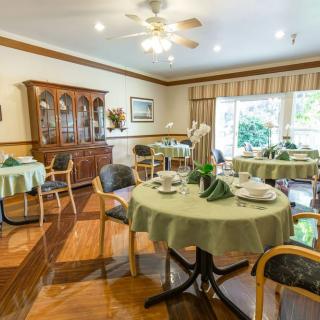
    The center boasts a variety of amenities aimed at enhancing the quality of life for its residents. Features include beautifully landscaped gardens, outdoor common areas ideal for relaxation and socialization, a fully furnished dining room with restaurant-style dining options, and convenient on-site facilities such as a beautician and beauty salon. Residents can also enjoy access to Wi-Fi/high-speed internet, cable or satellite TV, a small library for quiet reading moments, and housekeeping services that promote comfort and ease.

    Care services at Willow Creek are comprehensive and compassionate, with 24-hour supervision ensuring the safety of all residents. Trained staff provides assistance with activities of daily living such as bathing, dressing, transfers, meal preparation, medication management, and specialized care for diabetes and incontinence. The community also offers tailored programming designed to support mental wellness and cater to those experiencing mild cognitive impairment.

    Dining experiences are thoughtfully planned to accommodate various dietary needs; meals are provided that adhere to special dietary restrictions including vegetarian options and low/no sodium choices. Guests are welcome to enjoy meals with their loved ones as they partake in the vibrant community atmosphere.

    Activities at Willow Creek are diverse and enriching. Residents can engage in art classes, gardening clubs, cooking sessions, live music performances, birthday celebrations, pet-focused programs, stretching classes, educational speaker events, brain fitness exercises, BBQs or picnics, ensuring there is something stimulating for everyone each day.

    Conveniently situated near essential local amenities such as parks for leisure strolls or picnics (6 nearby), pharmacies (12 nearby), restaurants (6 nearby), hospitals (2 nearby), transportation options (2 nearby), places of worship (2 nearby), and physicians (3 nearby), Willow Creek fosters an interconnected community experience that promotes independence while providing necessary support.

    In essence, Willow Creek Alzheimer's & Dementia Care Center stands out as an ideal choice for families seeking specialized memory care in a nurturing environment where dignity is respected and holistic well-being is prioritized.

    Nearby Places of Interest

    This part of Castro Valley, California is a well-connected and convenient location for senior living. With easy access to public transportation such as BART stations and JSX for air travel, residents have the opportunity to explore the surrounding areas with ease. Healthcare options are abundant with nearby physicians, pharmacies, and hospitals like Kaiser Medical Offices and Eden Medical Center. There are also various cafes and restaurants in the vicinity for socializing and enjoying meals outside of home. For those seeking tranquility, parks like Bay Trees Park and Lake Chabot Regional Park provide opportunities for outdoor activities and relaxation. Additionally, places of worship such as First Baptist Church Of Castro Valley cater to spiritual needs within the community. Overall, this area offers a mix of convenience, healthcare options, dining choices, recreational opportunities, and spiritual support for seniors looking to settle in Castro Valley.

    Transportation

    • Castro Valley BART Station (0.6 miles)
    • South Hayward BART Station (3.5 miles)
    • Union City BART Station (7.1 miles)
    • JSX (7.8 miles)
    • Terminal 2 (7.9 miles)
    • Southwest Airlines Ticket Counter (7.9 miles)
    • Oakland International Airport (OAK) (7.9 miles)

    Physicians

    • Dr Mark Mandel M.D. - Optima Medical Assoc (0.6 miles)
    • Kaiser Medical Offices (3.7 miles)
    • Kaiser Permanente Pediatrics (3.7 miles)
    • Reproductive Science Center (7.6 miles)
    • Luxor Dental Prosthodontics & Implant Surgery (8.2 miles)
    • Golden State Dermatology (8.9 miles)
    • Foothill Optometric Group (8.9 miles)

    Cafes

    • Starbucks (0.7 miles)
    • Starbucks (0.9 miles)
    • Starbucks (5.8 miles)
    • Boba Bliss (7.7 miles)
    • Panera Bread (8 miles)
    • Philz Coffee (8.2 miles)
    • Joe & The Juice (8.3 miles)

    Pharmacies

    • CVS Pharmacy (0.7 miles)
    • Rite Aid (0.8 miles)
    • CVS Pharmacy (0.8 miles)
    • Safeway Pharmacy (0.9 miles)
    • Walgreens (0.9 miles)
    • Walgreens (1 miles)
    • CVS Pharmacy (2.2 miles)

    Restaurants

    • Chipotle Mexican Grill (0.9 miles)
    • McDonald's (1.1 miles)
    • McDonald's (1.2 miles)
    • McDonald's (2.2 miles)
    • In-N-Out Burger (3.2 miles)
    • Sonic Drive-In (4.9 miles)
    • Top Hatters Kitchen & Bar (5.3 miles)

    Hospitals

    • Eden Medical Center (1.4 miles)
    • Kaiser Permanente Post-Acute Care Center (2 miles)
    • Kaiser Permanente San Leandro Labor & Delivery (5.3 miles)
    • Washington Hospital Heliport (10.1 miles)

    Parks

    • Bay Trees Park (1.6 miles)
    • Castro Valley Park and Community Center (1.9 miles)
    • Parsons Park (2.5 miles)
    • Lake Chabot Regional Park (2.7 miles)
    • Chabot Park (4.7 miles)
    • Eden Landing Ecological Reserve (4.9 miles)
    • Beard Staging Area, Alameda Creek Regional Trail (6.9 miles)

    Places of Worship

    • First Baptist Church Of Castro Valley (1.8 miles)
    • Bethel Presbyterian Church Of San Leandro (4.1 miles)
    • Wat Buddhanusorn (8.2 miles)
    • Bay Area Chinese Bible Church (9.6 miles)

    Frequently Asked Questions

    How much does it cost to live at Willow Creek Alzheimer's & Dementia Care Center in Castro Valley, CA?
    What floor plans and room types does Willow Creek Alzheimer's & Dementia Care Center offer?
    Where is Willow Creek Alzheimer's & Dementia Care Center?
    Does Willow Creek Alzheimer's & Dementia Care Center provide care for residents with dementia or Alzheimer's disease?

    Nearby Communities

    • Hayward Hills Health Care Center

      Hayward Hills Health Care Center

      Hayward, CA

      3 from 25 reviews
       

      pro Broad range of amenities and care services.

    • Redwood Convalescent Hospital

      Redwood Convalescent Hospital

      Castro Valley, CA


      pro Extensive on-site amenities and 24/7 nursing support.

    • Windsor Gardens Care Center Of Hayward

      Windsor Gardens Care Center Of Hayward

      Hayward, CA

      2.6 from 27 reviews
       

      pro Dedicated therapy staff and friendly housekeeping.

    • Moonraker Villa Senior Care

      Moonraker Villa Senior Care

      Hayward, CA


      pro Small, personalized community with comprehensive care and amenities.

    • Baywood Court Retirement

      Baywood Court Retirement

      Castro Valley, CA

      3.7 from 34 reviews
      $4,192 to $5,504 / month

      pro Friendly staff, engaging activities, and healthy dining.

    • HomeAide Homecare

      HomeAide Homecare

      Hayward, CA

      5 from 15 reviews
       

      pro Professional, punctual, and compassionate staff with reliable updates.

    • Windsor Post-Acute Care Center Of Hayward

      Windsor Post-Acute Care Center Of Hayward

      Hayward, CA


      pro Comprehensive post-acute care with 24/7 supervision and a wide range of on-site amenities.

    • Pacifica Senior Living San Leandro

      Pacifica Senior Living San Leandro

      San Leandro, CA

      4.7 from 106 reviews
      $3,750 to $4,800 / month

      pro Friendly, attentive staff in a clean, welcoming community with diverse activities and multiple housing options.

    • Pacifica Senior Living Union City

      Pacifica Senior Living Union City

      Union City, CA

      4.5 from 132 reviews
      $3,050 to $4,150 / month

      pro Clean, inviting environment with attentive memory care staff and engaging activities.

    Related Resources

    • reminiscence therapyExploring the Power of Reminiscence Therapy for Individuals With Dementia

      Reminiscence therapy helps individuals with dementia recall past memories through structured discussions and meaningful objects, enhancing mood, relationships, and sense of identity while celebrating their lives. It can be practiced in formal settings or at home, requiring sensitivity to personal histories and cultural backgrounds.

    • reminiscence therapyAn In-Depth Look at Reminiscence Therapy in Dementia Care

      Reminiscence therapy is a structured method for older adults, especially those with dementia, to share life stories using prompts and sensory cues, fostering emotional well-being, social engagement, and self-identity. It aims to improve quality of life by enhancing interpersonal connections and cognitive stimulation while requiring careful facilitation to avoid distressing memories.

    • dementia hallucinationsDementia-Related Hallucinations: Causes, Experiences, and Practical Approaches
      Dementia, particularly Lewy body dementia, often involves hallucinations that can significantly distress both patients and caregivers due to disruptions in sensory processing and neurotransmitter imbalances. Effective management includes compassionate communication, environmental adjustments, and a multidisciplinary approach to care while addressing the emotional needs of caregivers.


    Get Pricing Ask A Question Schedule A Tour Contact Senior Advisor