Pacific Coast Manor in Capitola, CA

Save

Pacific Coast Manor in Capitola, CA

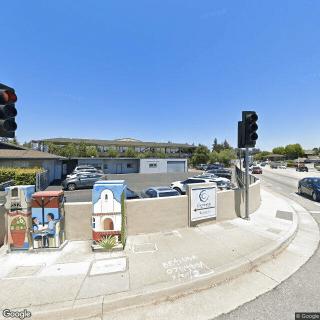
1935 Wharf Road, Capitola, CA 95010

For more information about senior living options: (844) 490-3973

4.2 from 41 reviews
5 stars
29
4 stars
4
3 stars
0
2 stars
2
1 stars
6

Skilled Nursing Facility

What level of care are you interested in?

Assisted Living

Memory Care

Independent Living

Skilled Nursing Facility

Continuing Care Retirement Community (CCRC)CCRC

Other


Request a tour at Pacific Coast Manor

    Overall Review of Pacific Coast Manor

    Pros

    • pro All the staff is very helpful and kind.
    • pro Workers are all so nice.
    • pro Truly dedicated staff that really cares about their residents.
    • pro The CNA and Nurses have been very nice.
    • pro OT/PT has been great.
    • pro Compassionate and caring staff.
    • pro The staff are truly caring and work hard to provide a positive experience for patients and family.
    • pro The facility is always clean and buzzing with positive energy and activities.
    • pro It's never fun going into a rehab center but PCM made the entire experience pleasant.

    Cons

    • pro The food is horrible, with some meals described as unpalatable or like rehydrated potatoes.
    • pro The facility is severely understaffed, leading to long waits for assistance and delayed care.
    • pro Management is depicted as horrible and heartless, with some reviews describing autocratic leadership.
    • pro Discharge can be slow and difficult, leaving patients stuck over holidays.
    • pro Some staff are described as distracted by cellphones and not paying attention to patients.
    • pro There are reports of theft, such as a patient's watch being stolen.
    • pro Residents often feel rushed and not listened to, with inconsistent quality of care.

    Review

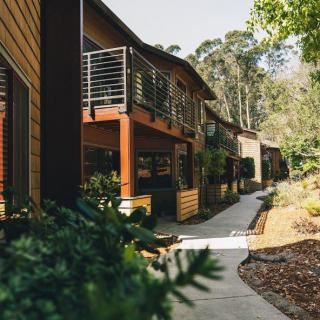
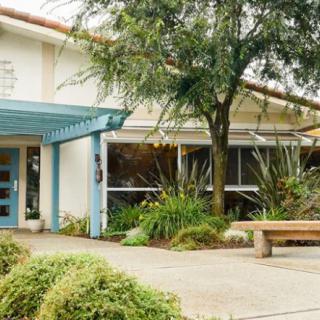
    Pacific Coast Manor in Capitola is best suited for seniors who need skilled rehab and ongoing therapy after surgery, a stroke, or a decline in mobility, and who value a warm, hands-on staff culture over a sterile, hospital-like environment. The community reads as a close-knit, family-oriented place where therapists and aides are seen daily, working with residents toward tangible improvements. The clinical team - nursing, physical and occupational therapy - receives frequent praise for attentiveness and continuity. The setting near the Santa Cruz coastline provides a calming backdrop that supports recovery. For residents who respond well to routine, personalized attention, PCM offers a practical path back to independence rather than a distant, impersonal care experience.

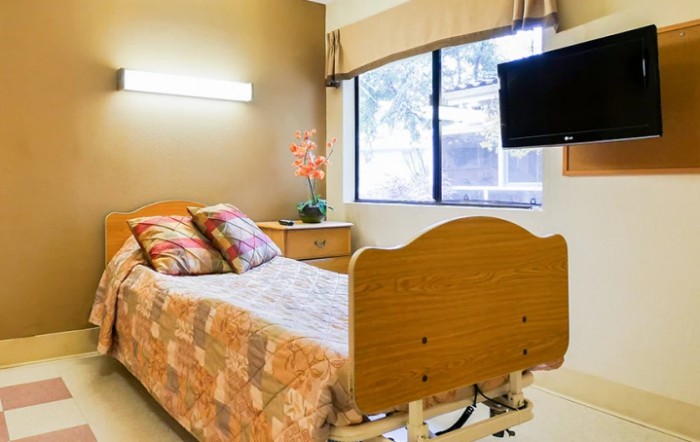
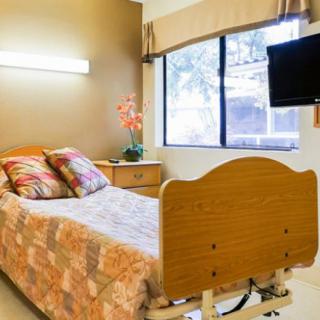
    Alternatives should be on the table for families prioritizing privacy, consistently high meal quality, and minimal staffing gaps. Several reviews note shared rooms with space and privacy considerations, and at least one account highlights an alarming lapse in basic care. Some families question management approaches or the speed of response to calls, and a few messages hint at discharge or billing challenges. Those who cannot tolerate interruptions in care, or who insist on a spotless governance record, may find other options with steadier staffing, clearer communication, and stronger oversight a better long-term fit.

    On the positive side, the strongest draw is the staff - the long-tenured CNAs, nurses, and therapists who project care, patience, and competence. Residents frequently experience meaningful rehab progress, with therapy that feels hands-on and goal-driven. The environment is described as clean, welcoming, and often lively, with a dog-friendly policy and a sense of community that helps residents feel seen. Families praise discharge planning and the way the social services team coordinates safe transitions home, reinforcing PCM as a practical hub for recovery. The combination of compassionate bedside care and tangible therapy creates real value for those who measure care by outcomes as well as kindness.

    Yet several threads pull against the strongest positives. Food quality appears inconsistent, with some residents praising meals and others describing them as unappealing; this matters when meals are part of daily comfort and recovery. Staffing pressures surface in some accounts: delays in assistance, rushed aides, and limited one-on-one time during busy periods. A few reviews allege management approaches that feel punitive or opaque, and there are memories of difficult incidents - including a reported theft and notable communication gaps - that erode trust. Privacy and comfort can suffer in shared rooms, and occasional miscommunications around discharge timing or billing underscore the need for careful due diligence. These are meaningful concerns even when therapy and kindness remain strong.

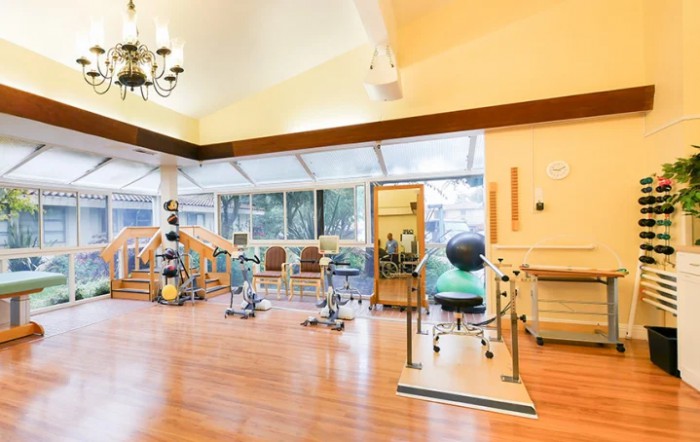
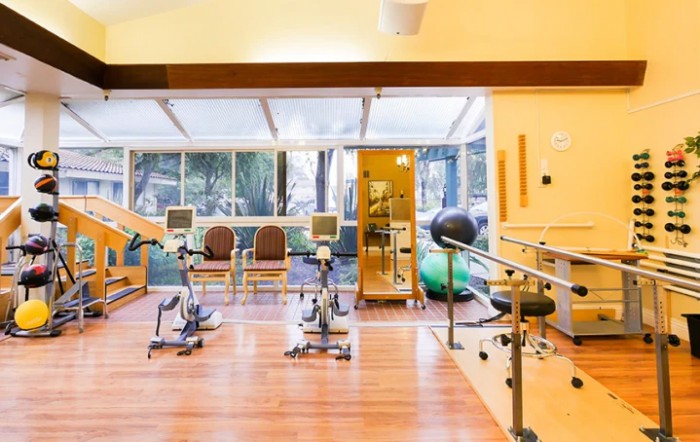
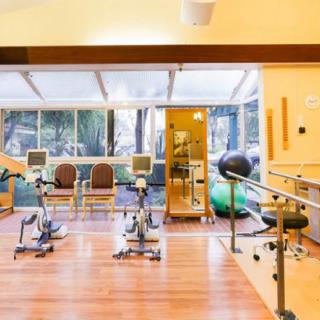
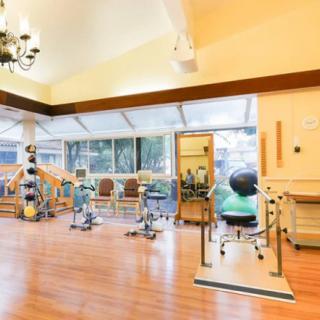
    Families evaluating PCM should approach with a clear scorecard: assess current nurse-to-resident ratios during different shifts, tour the rehab gym and therapy spaces, and talk directly with PT/OT leadership about typical progression timelines. Verify room configurations, meal options, and the availability of private rooms if desired, and ask how activities are tailored to different ages and energy levels. Check visitation and family access policies, including how the care team communicates with relatives, and request recent references from families with similar needs. The aim is to confirm that daily responsiveness, dignity, and progress align with expectations before committing to a long-term placement.

    Overall, Pacific Coast Manor delivers capable, compassionate rehab-forward care in a small, coastward setting that many families will find deeply reassuring. It is a strong match for seniors who want active therapy, consistent staff attention, and a homelike atmosphere, even if room-sharing and occasional service gaps require patience. For those whose priorities include flawless meals, unwavering consistency in staffing, pristine privacy, and airtight governance, alternatives deserve serious consideration. The decision should hinge on how essential rehab momentum, personal warmth from caregivers, and a sense of community are to the resident's recovery plan. When aligned, PCM can be the right bridge back to independence; when misaligned, it is wise to keep exploring options.

    Features

    Housing

    • 99 resident community capacity 99 resident community capacity

    Types of Care

    • Skilled Nursing Facility Skilled Nursing FacilitySkilled Nursing Facilities are crucial for seniors as they provide round-the-clock medical care, rehabilitation services, and assistance with daily activities. These facilities ensure that seniors receive the specialized care they need to maintain their health and well-being as they age.

    Amenities

    • Air-conditioning Air-conditioningAir conditioning is important for seniors as they are more vulnerable to heat-related illnesses and may have underlying health conditions that make it difficult for them to regulate their body temperature. It helps to keep them comfortable, safe, and healthy in hot weather.
    • Beauty salon Beauty salonBeauty salons are important for seniors because they provide a space for them to feel pampered, socialize, and maintain their personal grooming and hygiene. Regular visits to a beauty salon can help boost seniors' self-esteem and overall well-being.
    • Cable or satellite TV Cable or satellite TVCable or satellite TV is important for seniors because it provides entertainment, news, and companionship, helping to combat loneliness and boredom. It also offers a wide range of programming options tailored to different interests and preferences.
    • Computer center Computer centerA computer center is essential for seniors as it provides access to technology, communication tools, and resources that can enhance their daily lives. It allows them to stay connected with loved ones, engage in online activities, and learn new skills, ultimately promoting socialization and mental stimulation.
    • Continuing learning programs Continuing learning programsContinuing learning programs are important for seniors to keep their minds active, maintain cognitive function, and prevent mental decline. These programs also provide social interaction, a sense of purpose, and opportunities for personal growth and fulfillment in their later years.
    • Dining room Dining roomDining rooms are important for seniors as they provide a space for socialization, connection, and nutritious meals. They offer opportunities for residents to bond over shared meals, foster a sense of community, and promote healthy eating habits. Dining rooms also ensure that seniors have access to well-balanced meals tailored to their dietary needs and preferences.
    • Family education and support services Family education and support servicesFamily education and support services are crucial for seniors as they provide resources, guidance, and assistance to both the elderly individuals and their families. These services help in navigating the challenges of aging, improving communication among family members, enhancing quality of life, and ensuring that seniors receive the care and support they need to live independently and comfortably.
    • Fitness room Fitness roomHaving a fitness room in a senior living community is essential for seniors to stay active, maintain their physical health, and improve their overall well-being. Regular exercise can help prevent falls, reduce the risk of chronic diseases, and promote mental sharpness. It also provides social opportunities for residents to connect with others and enjoy a sense of community.
    • Fully furnished Fully furnishedFully furnished senior living communities are important for seniors because they provide convenience, comfort, and a hassle-free moving experience. Seniors can easily settle into their new living space without the stress of having to buy and move furniture. This allows them to focus on enjoying their new home and community.
    • Gaming room Gaming roomGaming rooms are important for seniors as they provide a fun and engaging environment for socializing, cognitive stimulation, and physical activity. Games can improve memory, problem-solving skills, and overall mental well-being while fostering friendships and reducing feelings of isolation.
    • Garden GardenGardens are important for seniors as they provide a peaceful and therapeutic environment for relaxation, physical activity, and socialization. Being in nature has been shown to reduce stress, improve mood, and promote overall well-being. Gardens also offer opportunities for seniors to engage in gardening activities, which can improve mobility, flexibility, and cognitive function. Additionally, gardens create a sense of community and connection with others who share a passion for plants and outdoor spaces.
    • Housekeeping services Housekeeping servicesHousekeeping services are important for seniors because they help maintain a clean and safe living environment, promote independence, and reduce the risk of accidents or illnesses. Additionally, having assistance with household chores can alleviate physical strain and allow seniors to focus on other aspects of their well-being.
    • Kitchenette KitchenetteKitchenettes are important for seniors living in senior living communities because they provide the convenience and independence of being able to prepare simple meals and snacks in the comfort of their own living space. This can help promote a sense of autonomy and well-being for seniors, allowing them to maintain some level of control over their dietary choices and daily routines.
    • Move-in coordination Move-in coordinationMove-in coordination is important for seniors because it helps ease the transition into their new living environment. It ensures that all logistics, such as packing, organizing movers, and setting up utilities are taken care of, allowing seniors to focus on settling in and adjusting to their new home. Having a smooth move-in process can alleviate stress and anxiety, making the transition smoother and more enjoyable for seniors.
    • Outdoor patio Outdoor patioOutdoor patios are essential for seniors as they provide a safe and peaceful space for them to enjoy the outdoors, socialize with friends and family, engage in physical activity, and soak up natural sunlight which promotes overall well-being and mental health.
    • Outdoor space Outdoor spaceOutdoor spaces are important for seniors as they provide opportunities for physical activity, social interaction, exposure to natural light and fresh air, and a sense of connection to nature. Having access to outdoor spaces can improve overall well-being and quality of life for older adults living in senior communities.
    • Private bathrooms Private bathroomsPrivate bathrooms are important for seniors in senior living communities because they provide independence, dignity, and comfort. Having a private bathroom allows seniors to maintain their personal hygiene routines without the need for assistance, promoting a sense of autonomy and privacy. Additionally, private bathrooms help prevent the spread of infections and provide a safe and clean environment for seniors to navigate safely.
    • Restaurant-style dining Restaurant-style diningRestaurant-style dining is important for seniors because it allows them to enjoy delicious, nutritious meals in a social and upscale setting. This enhances their dining experience, promotes healthy eating habits, and fosters socialization with fellow residents, ultimately contributing to their overall well-being and quality of life.
    • Small library Small librarySmall libraries are important for seniors as they provide access to a variety of reading materials, including books, newspapers, and magazines. This can help stimulate their minds, keep them engaged, and provide a sense of community through book clubs and other social activities. Additionally, reading has been shown to improve cognitive function and overall mental well-being in older adults.
    • Telephone TelephoneTelephones are important for seniors as they provide a lifeline for communication with loved ones, emergency services, and healthcare providers. They offer a sense of security and independence, enabling seniors to stay connected and access assistance when needed.
    • Wellness center Wellness centerWellness centers are important for seniors because they offer a variety of programs and services that promote physical, mental, and emotional well-being. These centers provide opportunities for exercise, socialization, education, and relaxation, helping seniors maintain their overall health and quality of life.
    • Wi-Fi/high-speed internet available Wi-Fi/high-speed internet availableWi-Fi/high-speed internet is important for seniors to stay connected with loved ones, access online resources, and participate in virtual activities to combat feelings of loneliness and isolation. It also allows them to easily manage healthcare needs, access entertainment, and engage in lifelong learning opportunities.

    Transportation

    • Community operated transportation Community operated transportationCommunity operated transportation is crucial for seniors as it provides them with the means to access essential services, social activities, and medical appointments. It allows seniors to maintain their independence and quality of life by ensuring they can participate in activities outside of their homes. Additionally, community-operated transportation services offer a safe and reliable way for seniors to travel without having to rely on family or friends for assistance.
    • Transportation arrangement Transportation arrangementTransportation arrangements are crucial for seniors as they may face challenges with driving, mobility, or access to public transportation. Having reliable transportation services ensures that seniors can easily attend appointments, social activities, and maintain their independence and quality of life.
    • Transportation to doctors appointments Transportation to doctors appointmentsTransportation to doctors appointments is crucial for seniors as it ensures they have access to necessary medical care and support, promoting their health and well-being. It allows them to receive timely treatment, monitor existing conditions, and address any new health concerns efficiently. Additionally, transportation services can help seniors maintain their independence and quality of life by enabling them to stay connected with their healthcare providers.

    Care Services

    • 12-16 hour nursing 12-16 hour nursing12-16 hour nursing care is crucial for seniors in order to ensure around-the-clock monitoring, timely medication administration, and prompt response to any health concerns or emergencies. This level of care helps to promote the overall well-being and safety of seniors living in senior living communities.
    • 24-hour call system 24-hour call system24-hour call systems are important for seniors because they provide peace of mind and immediate assistance in case of emergencies. This technology ensures that help is always available, promoting safety and security for elderly individuals living alone or in assisted living facilities.
    • 24-hour supervision 24-hour supervision24-hour supervision is important for seniors to ensure their safety, well-being, and access to immediate assistance in case of emergencies or health issues. This constant support provides peace of mind for both seniors and their loved ones, allowing them to age in place with dignity and security.
    • Accept incoming residents on hospice Accept incoming residents on hospiceAccepting incoming residents on hospice is important for seniors because it allows them to receive specialized end-of-life care in a comfortable and supportive environment. This ensures that they can maintain their dignity and quality of life during their final days, surrounded by compassionate staff who are trained to provide the necessary medical and emotional support.
    • Activities of daily living assistance Activities of daily living assistanceActivities of daily living assistance are important for seniors because they provide essential support with tasks such as eating, bathing, dressing, and mobility. This assistance helps seniors maintain their independence, dignity, and overall quality of life as they age.
    • Administer insulin injections Administer insulin injectionsAdministering insulin injections is important for seniors with diabetes to help regulate their blood sugar levels and prevent complications such as heart disease, nerve damage, and blindness. Proper insulin management can also improve overall health and quality of life for older adults.
    • Assistance with bathing Assistance with bathingAssistance with bathing is crucial for seniors as it helps maintain personal hygiene, prevents infections, and ensures their overall well-being and comfort. It also provides a sense of dignity and independence for seniors who may struggle with this task on their own.
    • Assistance with dressing Assistance with dressingAssistance with dressing is important for seniors because it helps maintain their independence, promotes personal hygiene, prevents accidents and injuries, and improves overall quality of life. This service ensures that seniors can continue to dress comfortably and confidently, despite any physical limitations they may have.
    • Assistance with transfers Assistance with transfersAssistance with transfers is crucial for seniors as it helps prevent falls and injuries, maintains their independence, and ensures they can safely navigate their living environment. It also provides peace of mind for both seniors and their loved ones.
    • Care with behavioral issues Care with behavioral issuesCare with behavioral issues is important for seniors because it ensures they receive the specialized support and attention they need to manage their unique challenges and maintain their quality of life. This type of care helps address issues such as dementia, aggression, anxiety, depression or mood swings, allowing seniors to live comfortably and safely in a senior living community.
    • Coordination with health care providers Coordination with health care providersCoordination with health care providers is crucial for seniors to ensure proper medical care, medication management, and overall well-being. This collaboration helps prevent overlapping treatments, track progress more effectively, and provide comprehensive support tailored to individual needs.
    • Diabetes diet Diabetes dietA diabetes diet is crucial for seniors as it helps manage blood sugar levels, reduce risks of complications, and improve overall health and well-being. By following a balanced and nutritious diet tailored to their specific needs, seniors can better control their diabetes and enhance their quality of life.
    • Diabetic care Diabetic careDiabetic care is crucial for seniors as they are more susceptible to developing diabetes due to aging and other health conditions. Proper management of diabetes can help prevent complications such as heart disease, vision loss, and nerve damage, improving the overall quality of life for seniors in senior living communities.
    • Meal preparation and service Meal preparation and serviceMeal preparation and service are crucial for seniors as they may have limited mobility or energy to cook nutritious meals. Having access to healthy and convenient food options can ensure they are getting the proper nutrition needed to maintain their overall health and well-being.
    • Medication management Medication managementMedication management is crucial for seniors to ensure they are taking the right medications at the correct dosages and times. This helps prevent adverse drug interactions, reduces the risk of medication errors, and promotes overall health and well-being. Proactive management also allows for adjustments as needed based on changing health conditions or new prescriptions.
    • Mental wellness program Mental wellness programMental wellness programs are essential for seniors as they promote cognitive stimulation, emotional support, and social engagement. These programs help prevent isolation, depression, and cognitive decline, ultimately enhancing the overall quality of life for older adults.
    • Mild cognitive impairment Mild cognitive impairment"Mild cognitive impairment" is important for seniors because it is an early stage of cognitive decline that can potentially progress to more severe conditions such as dementia. Recognizing and addressing mild cognitive impairment can help seniors receive appropriate care and support to maintain their quality of life and independence for as long as possible.
    • Physical therapy Physical therapyPhysical therapy is essential for seniors to maintain and improve their mobility, strength, and overall quality of life. It helps reduce pain, prevent falls, and enhance independence in daily activities. By promoting movement and function, physical therapy can help seniors stay active, healthy, and engaged in their communities.
    • Rehabilitation program Rehabilitation programRehabilitation programs are vital for seniors as they provide specialized care and therapies to help them regain independence, mobility, and overall quality of life after an injury or illness. These programs offer individualized support and services to promote recovery and prevent further decline in physical and mental health.
    • Same day assessments Same day assessmentsSame day assessments are crucial for seniors because they provide immediate insight into their needs and abilities, allowing for more timely and effective care planning. This can help address any urgent concerns or issues that may arise, ensuring seniors receive the appropriate support as quickly as possible.
    • Special dietary restrictions Special dietary restrictionsSpecial dietary restrictions are important for seniors because age-related changes in metabolism and health conditions can make it difficult for their bodies to process certain foods. By following a diet tailored to their specific needs, seniors can maintain their overall health and well-being, manage chronic conditions, and reduce the risk of complications such as malnutrition or food interactions with medications.
    • Transportation arrangement (medical) Transportation arrangement (medical)Transportation arrangements for medical purposes are essential for seniors as they may have difficulty driving themselves to appointments or accessing public transportation. Having reliable and safe transportation options ensures that seniors can receive timely medical care and maintain their health and well-being.
    • Transportation to doctors appointments Transportation to doctors appointmentsTransportation to doctors appointments is crucial for seniors as it ensures they have access to necessary medical care and support, promoting their health and well-being. It allows them to receive timely treatment, monitor existing conditions, and address any new health concerns efficiently. Additionally, transportation services can help seniors maintain their independence and quality of life by enabling them to stay connected with their healthcare providers.

    Dining

    • Diabetes diet Diabetes dietA diabetes diet is crucial for seniors as it helps manage blood sugar levels, reduce risks of complications, and improve overall health and well-being. By following a balanced and nutritious diet tailored to their specific needs, seniors can better control their diabetes and enhance their quality of life.
    • Special dietary restrictions Special dietary restrictionsSpecial dietary restrictions are important for seniors because age-related changes in metabolism and health conditions can make it difficult for their bodies to process certain foods. By following a diet tailored to their specific needs, seniors can maintain their overall health and well-being, manage chronic conditions, and reduce the risk of complications such as malnutrition or food interactions with medications.

    Activities

    • Community-sponsored activities Community-sponsored activitiesCommunity-sponsored activities are important for seniors as they provide opportunities for social interaction, mental stimulation, and physical activity. These activities can help improve overall well-being, combat loneliness and isolation, and promote a sense of belonging and purpose among older adults.
    • Concierge services Concierge servicesConcierge services are essential for seniors as they provide assistance with daily tasks and errands, enhance their quality of life by offering convenience and personalized care, and promote a sense of safety and security.
    • Fitness programs Fitness programsFitness programs are crucial for seniors as they help improve strength, flexibility, balance, and overall well-being. Staying active can reduce the risk of chronic diseases, improve mental health, and enhance quality of life in older adults.
    • Planned day trips Planned day tripsPlanned day trips are important for seniors because they offer opportunities for socialization, mental stimulation, and physical activity. They provide a change of scenery and help seniors stay engaged and connected to their community, promoting overall well-being and quality of life.
    • Resident-run activities Resident-run activitiesResident-run activities are important for seniors as they encourage social interaction, creativity, and a sense of autonomy. These activities empower seniors to stay engaged and active in their community while fostering meaningful connections with their peers.
    • Scheduled daily activities Scheduled daily activitiesScheduled daily activities are important for seniors because they provide structure, socialization, mental stimulation, and physical activity. Engaging in regular activities can improve overall well-being and quality of life for seniors living in a community setting.

    Description

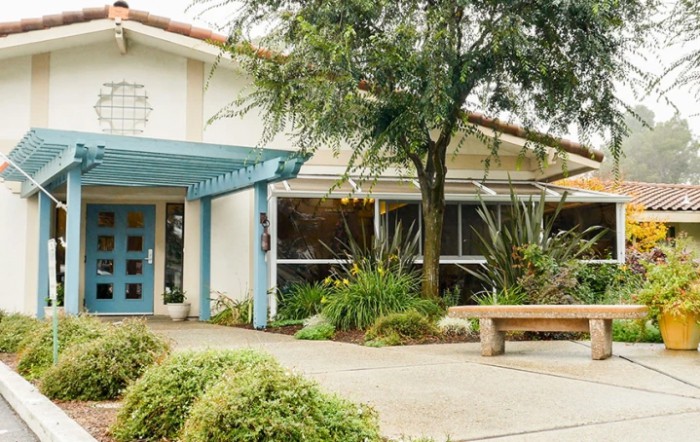
    Pacific Coast Manor is a premier assisted living community located in the beautiful coastal town of Capitola, California. Our community offers a wide range of amenities and care services to ensure that our residents have everything they need for a comfortable and fulfilling life.

    For our residents' convenience and enjoyment, we provide a variety of amenities such as on-site beauty salon services, cable or satellite TV in each room, community-operated transportation for outings and appointments, a computer center for staying connected with loved ones, and continuing learning programs to stimulate the mind.

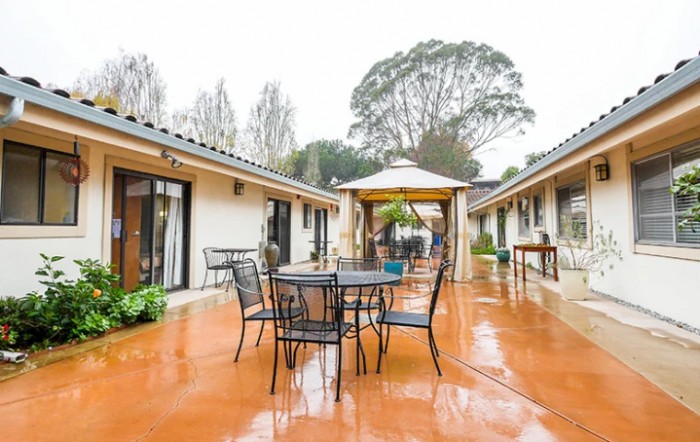
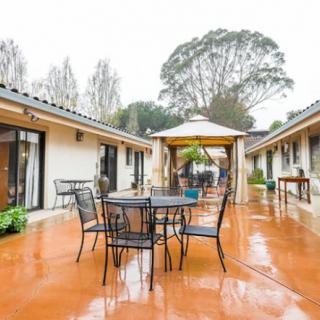
    Our dining room offers restaurant-style dining with delicious and nutritious meals prepared by our talented chefs. We also accommodate special dietary restrictions to cater to individual needs. Residents can socialize and relax in various common areas, including a gaming room, small library, outdoor patio, and garden.

    The well-being of our residents is paramount. We offer 24-hour call systems and supervision to ensure their safety at all times. Our highly trained staff provide assistance with activities of daily living, including bathing and dressing. We also offer medication management and can administer insulin injections when needed.

    Physical and mental wellness are valued at Pacific Coast Manor. Residents have access to a fitness room for staying active, as well as fitness programs designed specifically for their needs. Planned day trips, resident-run activities, and scheduled daily activities keep our residents engaged and entertained.

    We understand the importance of easy access to healthcare services. With 39 physicians nearby, 3 hospitals within close proximity, and transportation arrangements available for doctors' appointments or medical needs, residents can feel confident that their health is well taken care of.

    Overall, Pacific Coast Manor offers an exceptional assisted living experience with its comprehensive amenities, personalized care services, convenient location near various amenities in Capitola (including cafes, parks, pharmacies), as well as its commitment to promoting physical and mental well-being.

    Videos

    Nearby Places of Interest

    Restaurants

    • Shadowbrook (0.2 miles)
    • Zelda's On The Beach (0.5 miles)
    • Capitola Wharf (0.6 miles)
    • Sante Adairius Rustic Ales (0.6 miles)
    • Pono Hawaiian Kitchen & Tap (0.6 miles)
    • Cafe Cruz (0.7 miles)
    • Marianne's Ice Cream (2.5 miles)

    Pharmacies

    • CVS Pharmacy (0.2 miles)
    • CVS Pharmacy (0.4 miles)
    • Rite Aid (0.6 miles)
    • Granny Purps (0.7 miles)
    • KindPeoples Collective (1.5 miles)
    • Tom's Medical Pharmacy (2.2 miles)
    • Walgreens (2.4 miles)

    Physicians

    • Filomena Trindade, MD (0.3 miles)
    • Ronald J Sager, MD (0.3 miles)
    • Lorie A Gearhart, MD (0.3 miles)
    • Monterey Bay Laser Aesthetics (0.3 miles)
    • OrthoNorCal (0.6 miles)
    • Site for Sore Eyes - Capitola (0.7 miles)
    • Palo Alto Medical Foundation (0.8 miles)

    Cafes

    • Pretty Good Advice (0.8 miles)
    • Verve Coffee Roasters (1 miles)
    • Point Market & Cafe (1.7 miles)
    • Starbucks (2 miles)
    • Verve Coffee Roasters (2.8 miles)
    • Peet's Coffee and Tea (2.8 miles)
    • Linda's Seabreeze Cafe (2.8 miles)

    Parks

    • Anna Jean Cummings Park (1.2 miles)
    • Seacliff State Beach (2.5 miles)
    • De Laveaga Park (3 miles)
    • The Forest of Nisene Marks State Park (3.1 miles)
    • Mystery Spot (3.7 miles)

    Hospitals

    • Birthing Center: Sutter Maternity Surgery Center (1.3 miles)
    • Dominican Hospital Comm Rm (1.7 miles)
    • Dominican Hospital (2.5 miles)

    Frequently Asked Questions

    Where is Pacific Coast Manor?
    What photos are available for Pacific Coast Manor in Capitola, California?

    Nearby Communities

    • Golden Age Convalescent Hosp

      Golden Age Convalescent Hosp

      Capitola, CA

      3 from 2 reviews
       

      pro Improved care approaches and a more welcoming atmosphere.

    • Care From The Heart Home Hlgh

      Care From The Heart Home Hlgh

      Soquel, CA

      3.9 from 42 reviews
       

      pro Dedicated, punctual staff with a clean environment and visible mobility progress.

    • Capitola Manor

      Capitola Manor

      Santa Cruz, CA

      4 from 2 reviews
      $2,675 to $3,950 / month

      pro Attentive staff, clean rooms, and pleasant dining/common areas.

    • Home Instead Senior Care

      Home Instead Senior Care

      Santa Cruz, CA

      5 from 2 reviews
       

    • Valley Haven III

      Valley Haven III

      Santa Cruz, CA


      pro Specialized memory care with 24/7 supervision and engaging activities.

    • Flor's Guest Home 1

      Flor's Guest Home 1

      Santa Cruz, CA


      pro Comprehensive care and social engagement (24/7 supervision, ADL help, meals with dietary options, activities) with transport to appointments.

    • Dominican Oaks

      Dominican Oaks

      Santa Cruz, CA

      4.8 from 47 reviews
      $3,600 to $4,050 / month

      pro Friendly, supportive community with engaging activities and high-quality dining.

    • Aegis Living Aptos

      Aegis Living Aptos

      Aptos, CA

      4.4 from 31 reviews
      $6,240 to $7,530 / month

      pro Beautiful, upscale facility with attentive staff, diverse dining, and broad amenities.

    • Alexandria Victoria

      Alexandria Victoria

      Santa Cruz, CA

      5 from 10 reviews
      $4,850 / month

      pro Excellent, caring staff in a clean, home-like setting with delicious meals.

    Related Resources

    • senior move managementSenior Move Management: Understanding the Role, Value, and Associated Costs

      Senior move management provides specialized support for older adults relocating by assisting with logistics, emotional challenges, and downsizing decisions to ensure a smooth transition to new living environments. These services address the unique needs of seniors and have become increasingly important as baby boomers retire and seek to downsize.

    • weight training for seniorsWeight Training for Seniors: Building Strength and Vitality

      Weight training is vital for seniors to maintain muscle mass, bone density, and overall health, combating age-related declines through customized resistance exercises that enhance balance and well-being. Safe routines should start with realistic goals and proper form, while emphasizing gradual progress and consultations with healthcare providers to ensure safety and effectiveness.

    • what does the sandwich generation meanUnderstanding the Sandwich Generation: Stress and Responsibilities for Multigenerational Caregivers
      The Sandwich Generation comprises adults managing the dual responsibilities of caring for aging parents and raising children, leading to significant emotional, logistical, and financial challenges. This situation is exacerbated by longer life expectancies and cultural expectations, necessitating effective coping strategies and support resources to alleviate caregiver stress and burnout.


    Get Pricing Ask A Question Schedule A Tour Contact Senior Advisor