Magnolia Gardens Care Center offers a semi-private room option at a monthly cost of $5,850, which is significantly higher than both the San Mateo County average of $3,830 and the broader statewide average of $3,333. This discrepancy suggests that Magnolia Gardens may provide enhanced amenities or specialized services that contribute to its premium pricing. While the costs reflect a higher investment in care and comfort compared to local and state averages, they also indicate an opportunity for prospective residents to evaluate what unique offerings justify the increased expense at this particular facility.
Floor plans
Magnolia Gardens Care Center
San Mateo County
California
Semi-Private
$5,850
$3,830
$3,333
Skilled Nursing Facilities with a similar price nearby
Physical and occupational therapy are repeatedly described as effective.
Many reviewers say the PT/OT team helped with real functional goals, from learning mobility skills to regaining the ability to walk. Several also describe therapists as attentive and supportive, and a number of families credit rehab progress to the therapy program during their loved one’s stay. A few reviewers still call out problems with other aspects of care, but therapy is one of the most consistently praised parts of the experience.
common35 reviews mention this
Staff compassion comes through
Residents and families frequently describe the staff as kind and caring.
A large share of reviews praise the day-to-day attitude of nurses, CNAs, and other team members, including being patient, respectful, and responsive to concerns. Several reviewers specifically mention staff helping with comfort, communication, and care coordination, and some families say the team felt personal and family-oriented. That positive experience is especially noticeable in reviews that describe smooth admissions and support for transitions.
caveat19 reviews mention this
Staffing and call-light response concerns
Some residents and families report delays in getting help.
Alongside positive accounts, multiple reviews describe understaffing and difficulty reaching staff, including slow call-light response and situations where help was not provided when requested. Several negative reviews also mention missed needs such as assistance with toileting, bathing routines, or timely medical attention. A few families describe leadership communication as unresponsive or dismissive, particularly when concerns were raised.
caveat15 reviews mention this
Food quality is mixed
Food is praised by some, but criticized by others.
Some reviewers say meals were enjoyable and that the kitchen could accommodate preferences, diets, or menu review. Others report food as unappetizing or not meeting nutritional needs, including complaints about meal quality and variety. There are also reviews describing delays or issues with meal delivery during stays, which adds to the overall inconsistency residents and families report.
How we summarize
Counts show how many written reviews mention each theme; a review can touch several themes, and only frequently mentioned themes are displayed.
Features
Types of Care
Skilled Nursing Facility
Transportation
San Francisco International (2 miles away)
Metropolitan Oakland International (13 miles away)
Nearby Places of Interest
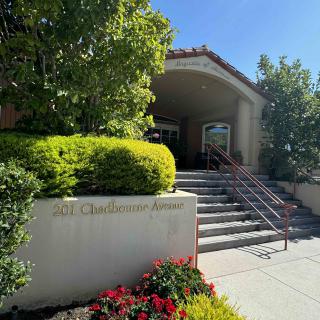
Located in Burlingame, California, this neighborhood offers easy access to hospitals and pharmacies, making it convenient for seniors seeking medical care. The proximity to transportation options like the Caltrain station and San Francisco International Airport terminals can make traveling a breeze. There are a variety of dining options nearby, ranging from casual eateries like In-N-Out Burger to upscale restaurants such as Lark Creek Grill. Parks like Washington Park and Coyote Point County Park provide opportunities for outdoor recreation and relaxation. Additionally, healthcare services from physicians like California Skin Institute and Coastside Clinic are readily available. Overall, this area offers a combination of convenience, amenities, and healthcare services that may appeal to older adults considering senior living options.
Hospitals
Mills-Peninsula Health Services (0.1 miles)
A & C Convalescent Hospital (1 miles)
Mills-Peninsula Radiology (3.7 miles)
San Mateo Medical Center (6.3 miles)
Sequoia Hospital (10.5 miles)
Pharmacies
CVS Pharmacy (0.2 miles)
Walgreens (0.3 miles)
Walgreens (0.9 miles)
Walgreens (1.2 miles)
Walgreens (2.2 miles)
Walgreens (2.4 miles)
CVS Pharmacy (2.9 miles)
Transportation
Millbrae Caltrain Station (0.5 miles)
International Terminal A (1.4 miles)
TSA Security Checkpoint (1.5 miles)
Harvey Milk Terminal 1 (1.5 miles)
Air France-KLM Lounge (1.5 miles)
SFO AirTrain Station - International Terminal A (1.5 miles)
Boarding Area C (1.5 miles)
Restaurants
In-N-Out Burger (0.6 miles)
New England Lobster Market & Eatery (0.9 miles)
Lark Creek Grill (1.7 miles)
Mustards (1.7 miles)
Yankee Pier (1.8 miles)
McDonald's (5.2 miles)
McDonald's (6.5 miles)
Cafes
San Francisco Giants Clubhouse (1.9 miles)
Starbucks (6 miles)
Parks
Washington Park (2.4 miles)
Coyote Point County Park (3.2 miles)
Central Park (4 miles)
Laurelwood Park (5.7 miles)
Leo J Ryan Memorial Park (6.6 miles)
Marlin Park (8.6 miles)
Highlands Park (9.2 miles)
Physicians
California Skin Institute (3.5 miles)
Bundy Opticians (3.8 miles)
Urology: San Carlos Center: Palo Alto Medical Foundation (8.7 miles)
Magnolia Gardens Care Center offers a semi-private room option at a monthly cost of $5,850, which is significantly higher than both the San Mateo County average of $3,830 and the broader statewide average of $3,333. This discrepancy suggests that Magnolia Gardens may provide enhanced amenities or specialized services that contribute to its premium pricing. While the costs reflect a higher investment in care and comfort compared to local and state averages, they also indicate an opportunity for prospective residents to evaluate what unique offerings justify the increased expense at this particular facility.
The article offers detailed guidance on the financial complexities of nursing home care, covering costs, payment methods, and alternative funding strategies while emphasizing the importance of proactive planning and legal considerations for individuals and families making care decisions.
The article emphasizes the critical role of supportive employee benefits for caregivers, advocating for flexible scheduling, paid leave, and mental health services to ease their challenges while enhancing employee well-being and organizational loyalty. It also highlights the importance of strong leadership in promoting these initiatives to foster a sustainable workplace culture that values caregivers.
Senior drivers prioritize comfort, safety, and ease of use in vehicles due to age-related challenges, seeking features like easy entry, clear visibility, and modern driver-assistance technologies. Recommended models include the Subaru Forester, Honda CR-V, and Toyota Camry, with emphasis on test-driving for personal comfort and evaluating crash-test ratings alongside insurance considerations.
Get PricingAsk A QuestionSchedule A TourContact Senior Advisor
By clicking submit, you agree to our Partner's Terms of Use. You
also consent to receive calls and texts, which may be autodialed, from our Partner. Your consent is not a condition to
using our Partner's service. Please visit our Partner's Privacy Policy for information about their privacy practices.


 Skilled Nursing Facility
 San Francisco International (2 miles away)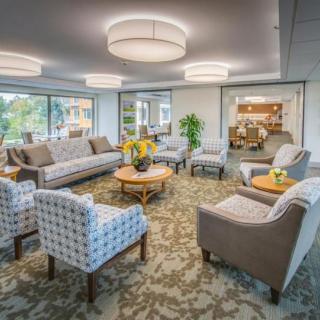
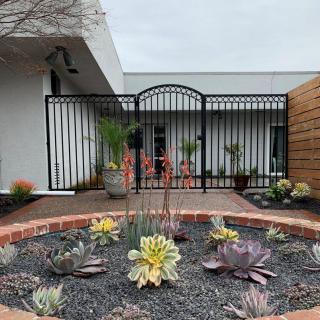
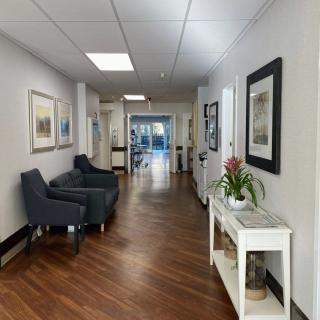
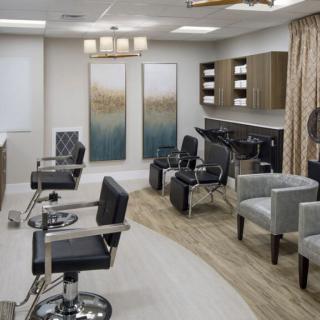
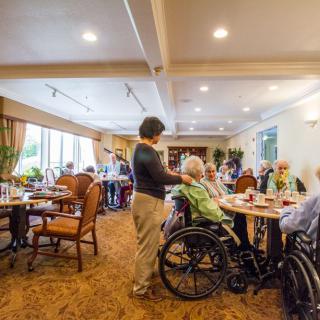
 Beautiful, well-maintained community with attentive staff and engaging amenities.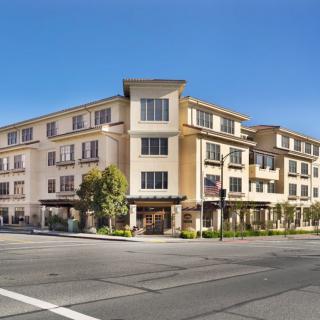

 Navigating the Financial Road to Nursing Home Care: In-Depth Guidance and Resources
 Supportive Employee Benefits That Help Caregivers Attain Better Work-Life Harmony
 Top Cars for Senior Drivers and Essential Safety Innovations