For more information about senior living options: (866) 208-4318
4 from 120 reviews
5 stars
78
4 stars
8
3 stars
8
2 stars
4
1 stars
22
Premier Health And Rehabilitation Center Costs & Pricing
Premier Health And Rehabilitation Center offers a comprehensive range of care options, with costs reflecting both the quality of services provided and the local market. For semi-private rooms, residents can expect to pay $4,209 per month, which is notably higher than the county average of $3,713 and the state average of $3,651. Private rooms are priced at $8,418 monthly - significantly above the Pulaski County rate of $5,044 and Arkansas's average of $4,236. Despite these higher costs, Premier Health distinguishes itself through its exceptional value in specific areas such as skilled nursing facilities and robust transportation arrangements for non-medical needs. With dedicated 12-16 hour nursing coverage and access to a wellness center, residents benefit from an integrated approach to health that justifies the investment in their care.
Floor plans
Premier Health And Rehabilitation Center
Pulaski County
Arkansas
Semi-Private
$4,209
$3,713
$3,651
Private
$8,418
$5,044
$4,236
Skilled Nursing Facilities with a similar price nearby
Overall Review of Premier Health And Rehabilitation Center
common
Staff responsiveness is mixed
Residents and families describe staff care that ranges from very attentive to not reliable.
Many reviewers say staff are friendly, helpful, and responsive—especially during visits, questions at the front desk, and day-to-day needs. Some also mention specific moments where help came quickly after a concern was raised. However, other reviews describe delayed or infrequent check-ins, call-light problems, and situations where families felt they could not trust that staff were monitoring residents closely.
common
Food quality and dining can vary
Dining quality is inconsistent, with reviews that praise meals and others that describe poor food.
Several reviewers mention the food positively, describing it as healthy-looking, edible, and something residents liked. At the same time, multiple reviews criticize meals, saying they were bland or unappealing, including weekend meals, and that residents had trouble eating. A few reviews connect food concerns with broader issues during rehab, where families expected more progress alongside daily meals.
caveat
Cleanliness and odors split reviews
Cleanliness is reported positively by some, but there are also serious odor and hygiene complaints.
A number of reviewers describe the facility as clean, welcoming, and not smelling like a nursing home. Others specifically say they did not notice urine odor during their visit or that rooms and common areas looked well kept. In contrast, several negative reviews describe strong urine or feces odors, dirty rooms or toilets, and inadequate bathing or cleaning, including accounts tied to falls and safety concerns.
caveat
Rehab therapy and mobility don’t align
Some families praise therapy progress, while others say residents received too little rehab support.
A few reviews are strongly positive about rehabilitation, mentioning therapy teams and outcomes they felt were worthwhile. Others describe a gap between what rehab was expected to accomplish—like walking or transfers—and what they saw day to day. Multiple negative reviews claim residents were not being moved or walked consistently, and some say the lack of proper support contributed to setbacks during rehab.
common
Activities help residents stay engaged
Residents appear to have regular opportunities for activities and social time.
Several reviewers mention scheduled activities like games (including bingo), movies, and organized events such as a birthday celebration with singing. Others describe residents socializing together and enjoying a more communal atmosphere. This lines up with the community offering on-site activities and planned day-to-day engagement options.
caveat
Pricing is a frequent concern
Cost comes up as a concern in at least some reviews.
One reviewer says the cost for rehab was high even while describing other aspects positively. No other pricing complaint appears repeatedly across the reviews provided, so the concern is limited but present.
How we summarize
We summarize when many written reviews mention each theme; a review can touch several themes, and only frequently mentioned themes are displayed.
Features
Housing
132 resident community capacity
Types of Care
Skilled Nursing Facility
Pets
Cats allowed
Dogs allowed
Amenities
Activities on-site
Air-conditioning
Beautician on-site
Beauty salon
Cable or satellite TV
Computer center
Devotional services on-site
Dining room
Fitness room
Fully furnished
Gaming room
Garden
Housekeeping services
Indoor common areas
Kitchenette
Move-in coordination
Outdoor common areas
Outdoor space
Private
Private bathrooms
Restaurant-style dining
Small library
Telephone
Wellness center
Wi-Fi/high-speed internet available
Transportation
Adams (4 miles away)
Community operated transportation
Transportation arrangement
Transportation arrangement (non-medical)
Transportation to doctors appointments
Care Services
12-16 hour nursing
24-hour call system
24-hour supervision
Activities of daily living assistance
Assistance with bathing
Assistance with dressing
Assistance with transfers
Diabetes diet
High acuity care
Meal preparation and service
Medication management
Mental wellness program
Special dietary restrictions
Dining
Diabetes diet
Meals provided
Special dietary restrictions
Activities
Activities on-site
Community-sponsored activities
Concierge services
Devotional activities on-site
Fitness programs
Planned day trips
Resident-run activities
Scheduled daily activities
Nearby Places of Interest
Physicians
Dr Gregory Wood (0.2 miles)
Heart Clinic Arkansas (0.3 miles)
Etheridge Tina Marie Chi St Vincent Heart Clinic Arkansasnorth Little Rock North Little Rock (0.3 miles)
Arkansas Ear Nose & Throat (0.3 miles)
J Michael Calhoun M.D. P.A. (0.3 miles)
Arkansas Urology (0.4 miles)
Orthoarkansas PA (0.5 miles)
Restaurants
Raising Cane's Chicken Fingers (0.3 miles)
Chick-Fil-A (0.4 miles)
Cracker Barrel (0.5 miles)
Tacos 4 Life (0.8 miles)
Waldo’s Chicken & Beer (0.8 miles)
BJ's Restaurant & Brewhouse (0.9 miles)
McDonald's (0.9 miles)
Hospitals
Baptist Health Medical Center (0.6 miles)
St Vincent Infirmary North (1.9 miles)
St Vincent Health System (2 miles)
Arkansas Children's Hospital (5.4 miles)
Arkansas Childrens Hospital- NICU (5.5 miles)
Arkansas Federation Of Families For Children's Mental Health (6.9 miles)
Theaters
Mccain Mall (1 miles)
Pharmacies
Kroger Pharmacy (1.6 miles)
Walgreens (1.7 miles)
Medicine Man Pharmacy (2.6 miles)
Walgreens (2.7 miles)
CVS Pharmacy (3.4 miles)
Walgreens (5.1 miles)
Kroger Pharmacy (5.1 miles)
Places of Worship
Park Hill Baptist Church (2.7 miles)
That.Church (3.4 miles)
New Life Pentecostal Church (6.1 miles)
West Macedonia Baptist Church (6.4 miles)
Cafes
Mugs Cafe (3.7 miles)
Fidel & Co. (4 miles)
The Root Cafe (5 miles)
Mylo Coffee Co. (6.7 miles)
Transportation
Bill and Hillary Clinton National Airport (LIT) (4 miles)
Baggage Claim (4.1 miles)
Tsa Checkpoint Little Rock National Airport Little Rock (4.1 miles)
Parks
Riverfront Park (4.1 miles)
Little Rock Central High School Visitor Center Park (5.9 miles)
Premier Health And Rehabilitation Center offers a comprehensive range of care options, with costs reflecting both the quality of services provided and the local market. For semi-private rooms, residents can expect to pay $4,209 per month, which is notably higher than the county average of $3,713 and the state average of $3,651. Private rooms are priced at $8,418 monthly - significantly above the Pulaski County rate of $5,044 and Arkansas's average of $4,236. Despite these higher costs, Premier Health distinguishes itself through its exceptional value in specific areas such as skilled nursing facilities and robust transportation arrangements for non-medical needs. With dedicated 12-16 hour nursing coverage and access to a wellness center, residents benefit from an integrated approach to health that justifies the investment in their care.
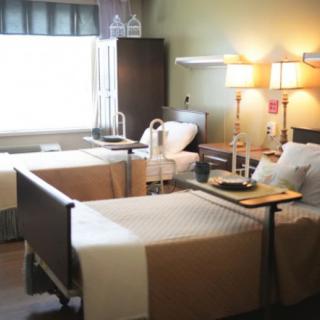
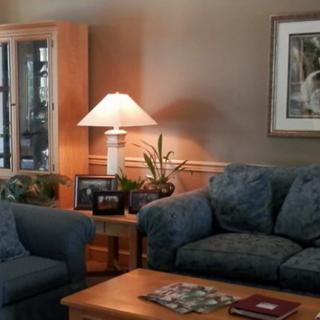
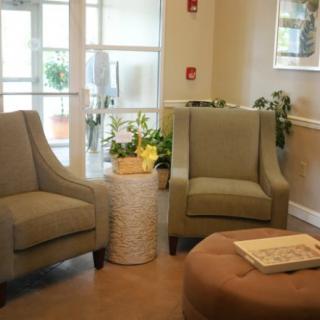
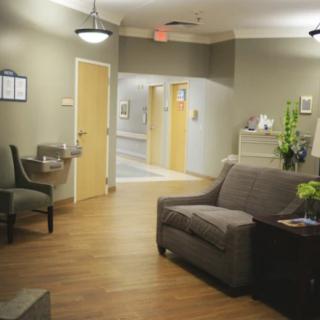
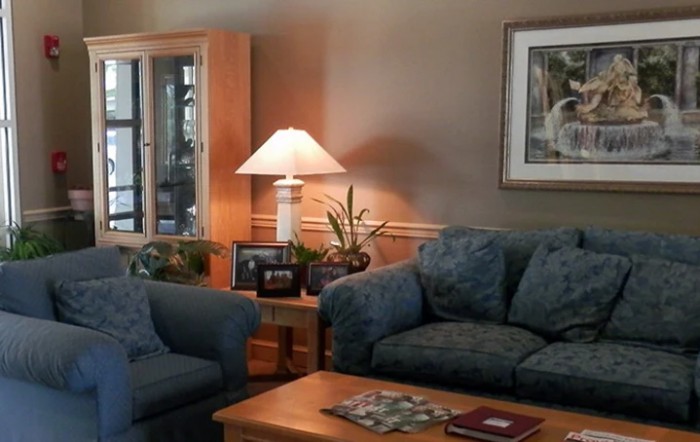
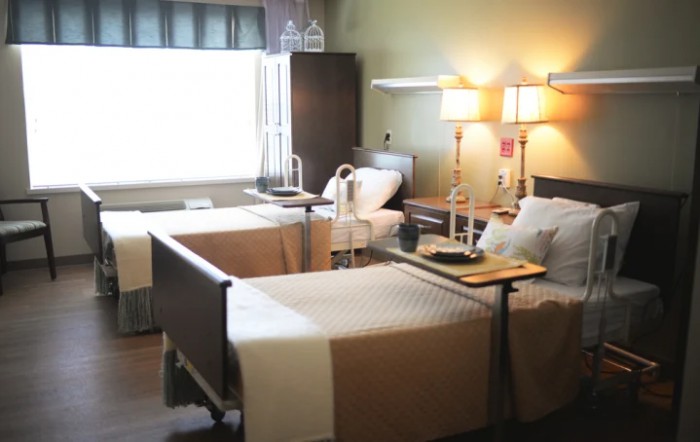
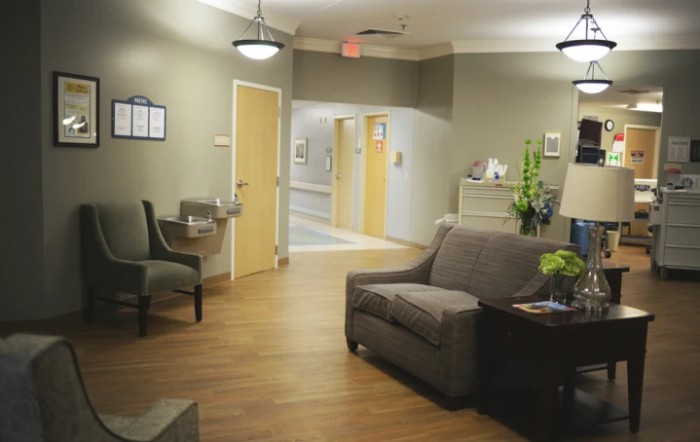
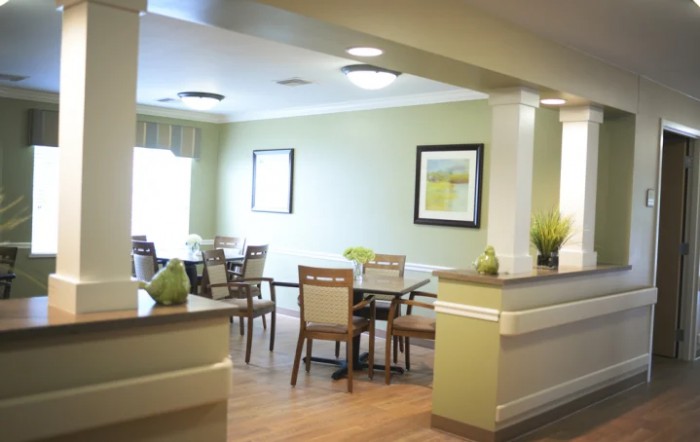
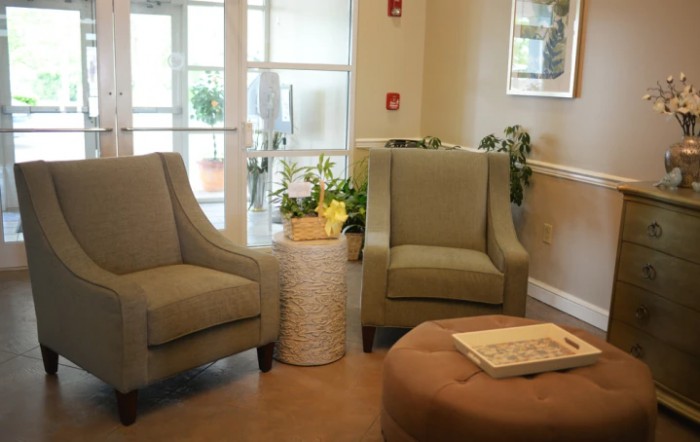
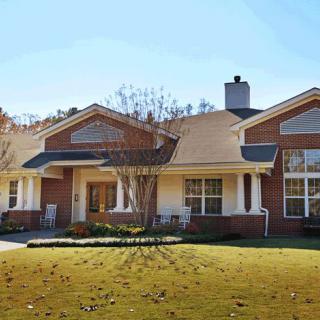
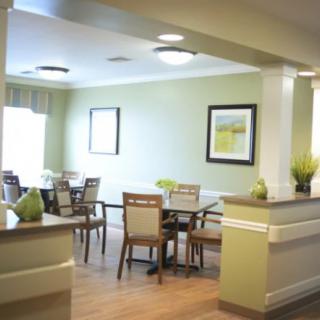
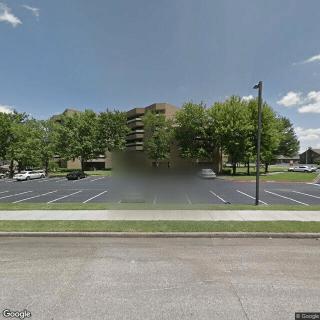
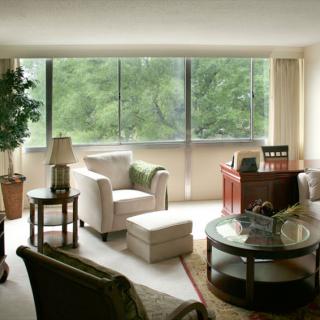
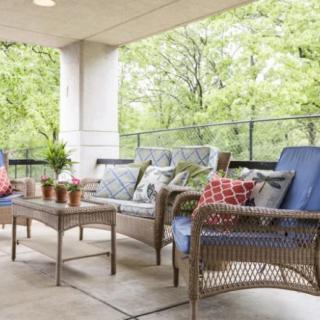
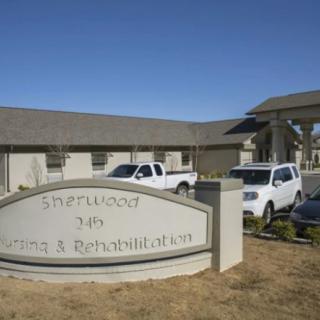
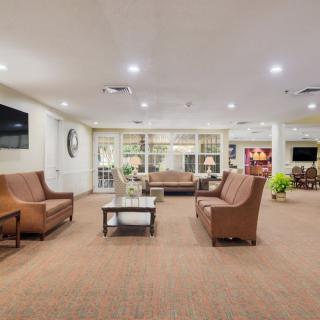
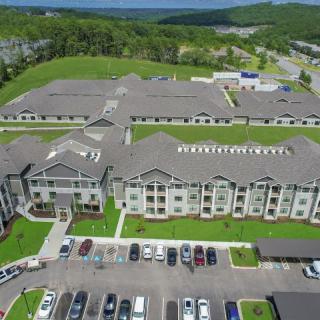
Premier Health And Rehabilitation Center on seniors.fyi includes 5 photos including images showing interior, artwork, decor, living room, bedroom, healthcare, facility, lounge, and more.
Nearby Communities
Baptist Health Medical Center
No Little Rock, AR
4.4 from 120 reviews
Fully furnished apartments with 24-hour supervision and diabetes-friendly dining.
Home Instead - Little Rock, AR
North Little Rock, AR
4.3 from 67 reviews
High-quality care with friendly, attentive staff and solid overall service.
Parkstone Place Retirement Ctr
Sherwood, AR
3.6 from 5 reviews
Vibrant community with extensive nearby dining, healthcare, worship, and entertainment options.
Fox Ridge at Parkstone
North Little Rock, AR
4.8 from 12 reviews
$3,900 to $6,032 / month
Close to home with strong, high-quality care and reputation.
Lakewood House
North Little Rock, AR
3.9 from 20 reviews
$950 to $1,215 / month
Beautiful premises with a large front window and friendly staff.
Lakewood Health And Rehab
North Little Rock, AR
3.3 from 32 reviews
Caring staff and a clean, welcoming environment with engaging activities.
Sherwood Nursing & Rehabilitation Center
Sherwood, AR
3.3 from 41 reviews
Caring, communicative staff and engaging activities in a pleasant, well-maintained setting.
Willow Grove of Sherwood
Sherwood, AR
4.8 from 113 reviews
$3,615 / month
Caring, friendly staff in a clean, engaging community with strong leadership.
The Summit at Chenal Valley
Little Rock, AR
4.4 from 48 reviews
Clean, modern facility with responsive, caring staff.
Older adults with urinary tract infections (UTIs) often present atypical symptoms, complicating diagnosis due to factors like incomplete bladder emptying and chronic health conditions that increase their susceptibility. Effective management involves prompt treatment with antibiotics, hydration, and preventive strategies while minimizing antibiotic resistance and focusing on holistic care approaches.
California's Form 602A is a vital tool for evaluating the health needs of seniors seeking residential care, detailing their medical conditions and daily living requirements to ensure proper service alignment. This standardized form enhances communication among physicians, families, and facilities, serving as a regulatory measure for admissions and ongoing care while adapting to changing healthcare practices.
The overview of blood pressure management for seniors emphasizes the importance of monitoring and interpreting blood pressure readings, noting that normal ranges can vary due to age-related factors and individual health conditions. It highlights tailored guidelines for systolic and diastolic levels, the necessity of early detection and consistent management to prevent serious health complications, and advocates for personalized care strategies that incorporate lifestyle changes and medication adherence.
Get PricingAsk A QuestionSchedule A TourContact Senior Advisor
By clicking submit, you agree to our Partner's Terms of Use. You
also consent to receive calls and texts, which may be autodialed, from our Partner. Your consent is not a condition to
using our Partner's service. Please visit our Partner's Privacy Policy for information about their privacy practices.


 132 resident community capacity
 Skilled Nursing Facility
 Cats allowed
 Dogs allowed
 Activities on-site
 Air-conditioning
 Beautician on-site
 Cable or satellite TV
 Computer center
 Devotional services on-site
 Dining room
 Fitness room
 Fully furnished
 Gaming room
 Garden
 Housekeeping services
 Indoor common areas
 Kitchenette
 Move-in coordination
 Outdoor common areas
 Private
 Private bathrooms
 Restaurant-style dining
 Small library
 Telephone
 Wellness center
 Wi-Fi/high-speed internet available
 Adams (4 miles away)
 Community operated transportation
 12-16 hour nursing
 24-hour call system
 Assistance with bathing
 Assistance with dressing
 Assistance with transfers
 Diabetes diet
 High acuity care
 Medication management
 Mental wellness program
 Special dietary restrictions
 Concierge services
 Planned day trips
 Fully furnished apartments with 24-hour supervision and diabetes-friendly dining.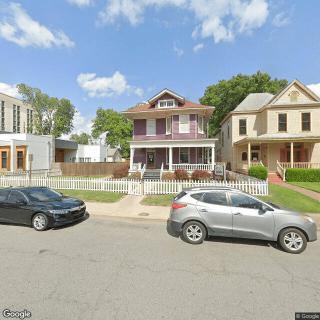
 Urinary Tract Infections in Older Adults: Comprehensive Insights on Symptoms, Treatment, and Prevention
 California's Form 602A: An In-Depth Examination of Senior Care Assessment
 Comprehensive Look at Senior Blood Pressure Charts: Normal and Elevated Levels by Age