
800 Brookside Drive, Little Rock, AR 72205
For more information about senior living options: (866) 208-4318
Overall Review of Cottage Lane Health And Rehab
Pros
 The staff and therapists are awesome.
- The therapy team is amazing.
- They have worked hard with her and she has come a long way.
- She is moving her arms and speaking some words.
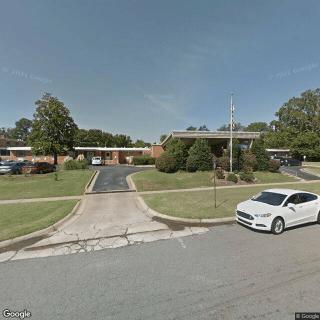
- The facility looked nice and clean.
- The staff were very nice and helpful and readily available for assistance.
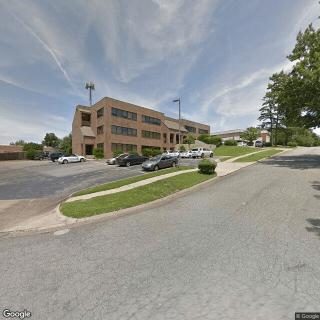
- The newer side of the building has bigger updated rooms.
Cons
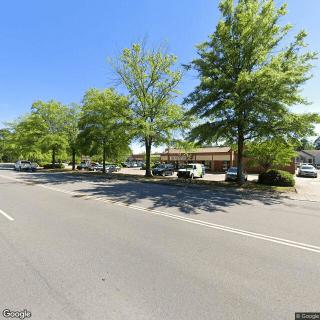
 The reviewer notes there were no official parking spots, forcing them to use a gravel parking area.
- The grandmother's room was small and very hot because the air conditioning wasn't working.
- They had to take turns visiting due to the small room.
- The air conditioning unit should have been working, but it wasn't, making it uncomfortably hot.
- It was too hot for anyone to sleep.
Review
This community is best suited for seniors who need skilled nursing care with a strong emphasis on rehabilitation, especially after a stroke or for short-term therapy. The standout strength is the therapy team and the hands-on care provided by attentive staff, which can drive meaningful mobility gains and even speech improvements when progress seems limited. For families facing a crunch, where immediate, capable rehab support and daily encouragement from therapists matter most, this facility is a credible option. However, for anyone seeking long-term residence with max comfort, consistent climate control, and easy, convenient logistics, this may not be the最 natural fit.
Those who may want to consider alternatives are primarily families prioritizing climate stability, parking accessibility, and larger, more comfortable rooms. The practical inconveniences surfaced in the reviews: limited or informal parking, and a clear divide between an older wing and a newer wing in terms of room size and upkeep. If a resident will spend months under care or values a serene, spacious living environment with straightforward parking and easy access, elsewhere may be preferable. In short, the facility works when rehab outcomes and staff attentiveness are the focal criteria, but it becomes a weaker choice if everyday comfort and logistical convenience drive the decision.
On the plus side, the pros lean decisively toward the resident’s recovery trajectory. The therapy team is repeatedly praised as amazing and highly capable, with concrete examples of progress, arms moving again, clearer speech, after limited mobility post-stroke. The staff, overall, are described as friendly, available, and helpful, creating a supportive atmosphere that can sustain motivation during intense rehab. The facility presentation itself is favorable: a clean, well-maintained environment that projects competence and care. Perceptions of ongoing attention from clinicians and therapists can offset some concerns about physical space, especially when the primary goal is meaningful rehabilitation and timely progress.
Yet the cons are equally concrete and nontrivial. Parking is described as inadequate, with families even improvising their own solutions to access the building. Space comes up as a real constraint: a bedroom that feels cramped and conditions that can make comfort elusive. In one account, heat in a patient room and a nonfunctional air conditioning unit during hot weather left a resident uncomfortable and forced to endure a less-than-ideal sleeping environment. The facility appears to be in a state of transition between an older and a newer wing, with the newer side offering larger rooms, implying inconsistency in room size and comfort depending on where the resident stays. These logistical and environmental drawbacks can erode the otherwise solid rehab value, particularly for longer stays or for residents who prize quiet, climate-controlled surroundings.
Still, the core advantages can offset the drawbacks for the right resident. When rehab momentum matters most, the excellent therapy team and responsive staff can make a decisive difference, potentially shortening the return-to-independence timeline and improving quality of life during recovery. Cleanliness and a generally welcoming atmosphere reinforce a sense of security and trust, which matters deeply to families navigating post-acute care decisions. The existence of a newer wing with larger rooms also means that, if a placement can be arranged there, some of the comfort concerns can be mitigated. In other words, the environment is not uniformly poor; it requires careful matching of resident needs with the physical layout.
The practical conclusion is clear. This community is a solid choice for families prioritizing skilled rehab and devoted caregiving, particularly in the acute recovery phase after a stroke. It is less appealing for those who require consistent, comfortable long-term housing with easy, universal access (parking) and climate control. Pros heavily favor rehabilitation success and staff engagement, but persistent parking challenges and inconsistent room sizes, especially heat and HVAC reliability in certain areas, limit its appeal for extended stays. Prospective families should view this as a transitional or rehab-forward option rather than a definitive long-term residence.
Before deciding, arrange a thorough tour that covers both the older and newer wings, verify HVAC reliability in the rooms the resident would occupy, and discuss parking arrangements in detail. Inquire about visitation logistics, room options, and how quickly staff respond to temperature concerns. If the goal centers on strong, active therapy and a caring team, Cottage Lane can deliver meaningful gains; if the goal centers on effortless day-to-day comfort and predictable logistics, it would be prudent to compare alternatives that offer more uniform climate control, simpler parking, and uniformly spacious rooms.
 143 resident community capacity
 Skilled Nursing Facility
 Air-conditioning
 Beauty salon
 Cable or satellite TV
 Computer center
 Dining room
 Fitness room
 Fully furnished
 Gaming room
 Garden
 Housekeeping services
 Kitchenette
 Move-in coordination
 Outdoor space
 Private bathrooms
 Restaurant-style dining
 Small library
 Telephone
 Wellness center
 Wi-Fi/high-speed internet available
 Adams (9 miles away)
 Community operated transportation
 12-16 hour nursing
 24-hour call system
 Activities of daily living assistance
 Assistance with bathing
 Assistance with dressing
 Assistance with transfers
 Diabetes diet
 Medication management
 Mental wellness program
 Special dietary restrictions
 Concierge services
 Planned day trips





 Understanding the Nuances of Palliative Care and Hospice: A Comprehensive Exploration
 Fecal Incontinence in Older Adults: A Comprehensive Guide
 Recognizing the Journey: Understanding and Navigating Anticipatory Grief