
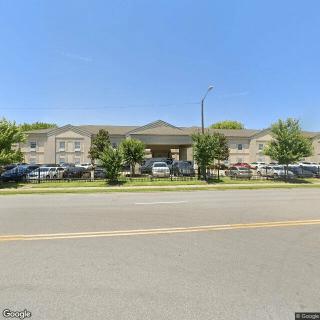
300 S Rodney Parham Road Suite 14, Little Rock, AR 72205
To contact a resident: (501) 227-0689
For more information about senior living options: (866) 208-4318
Overall Review of Intrepid USA Healthcare Services
Cons
 The agency can't do this; they can't do that.
- They don't provide 100% service, unlike better agencies.
- The tone of the nurses is unpleasant and comes across as indifferent.
- They feel they are paying for care that they receive little of in return.
- The agency does not advocate effectively for its patients.
- If evaluated, their services would be rated as only 1 out of 10.
- Therapists and nurses seemed rushed and uncaring, and they were not happy with the services.
Review
Intrepid USA Healthcare Services in Little Rock is best suited for families that need a budget-conscious, entry-level solution and are prepared to manage a care arrangement with minimal hands-on engagement. The available feedback suggests this provider may deliver basic in-home nursing and therapy services, but with limited consistency and warmth. In practical terms, it is not a slam-dunk option for families seeking highly attentive, proactive caregiving or a centralized point of care coordination. Those who value predictable, compassionate interactions and clear accountability should approach with caution, recognizing that the bar for quality is set modestly and can drift lower under heavy workloads.
Who should consider alternatives? Any family facing moderate to high care needs, especially those with dementia, complex medication regimens, mobility limitations, or who require regular advocacy and detailed care plans, should review other agencies or facilities before committing. Potential caregivers who prize steady communication, reliable response times, and staff who consistently project empathy will likely find this provider falls short. Budget considerations do matter, but the pattern of feedback makes it clear that cost savings would come at the expense of reliability and the experience of comfort and reassurance for both the patient and the family.
From the reviews, there are virtually no well-documented strengths to balance the downsides. The lone five-star rating offers no specifics that can be evaluated, and the rest cluster around a consistent set of concerns: staff, therapists and nurses, appearing rushed, uncaring, or indifferent; a sense that the agency prioritizes administrative or billing considerations over actual patient care; and a perception that care is not reliably responsive. That combination creates a risk profile where basic needs may be met only superficially, while the patient and family must perform extra work to fill gaps in communication and follow-through.
How do these patterns translate into decision-making? For families with very limited, low-intensity needs, the service might suffice if a plan is tightly defined, expectations are strict, and there is a capable, local supervisor monitoring day-to-day progress. However, the repeated criticisms undermine confidence in consistent quality, continuity of care, and advocacy on the patientā€™s behalf. When a patient depends on timely med management, pain control, or coordination between therapists and nursing staff, the absence of a trusted point person and the perception of rushed care become significant red flags.
Families evaluating options should deploy a practical due-diligence checklist. Request current staff credentials, a written care plan with milestones, and a clear schedule for visits. Insist on direct access to a supervisor or clinical manager, and ask for recent references with permission to contact them. Propose a short trial period with explicit goals and a transparent billing outline, then track responsiveness to concerns. Clarify what remedies exist if service levels slip, and ensure a robust escalation process is in place before any commitment.
Overall, the review pattern signals caution. Intrepid USA Healthcare Services in Little Rock does not appear well-matched for families seeking dependable, compassionate, highly engaged care. Alternatives with demonstrated patient advocacy, stronger staff retention, and clearer accountability should be prioritized. If choosing this option, proceed only with explicit guarantees, measurable care plans, and active oversight to prevent the negative experiences described. For families that require more reliable, attentive, and coordinated support, the prudent path is to pursue other providers that place patient welfare at the forefront.
 Adams (8 miles away)
 Professional, compassionate care with responsive office staff and good caregiver coordination.






 Comprehensive Insights and Practical Strategies to Help Older Adults Avoid Falls
 6 Crucial Ways an Elder Law Attorney Assists Families
 Navigating the Tax Landscape of Caregiving: Credits, Deductions, and Beyond