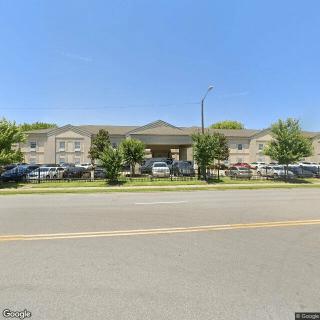
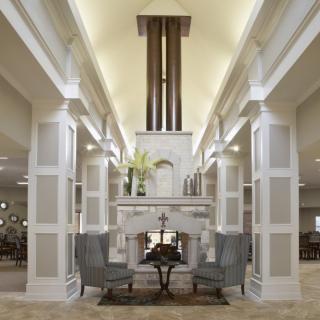
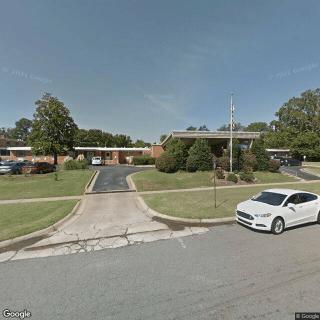
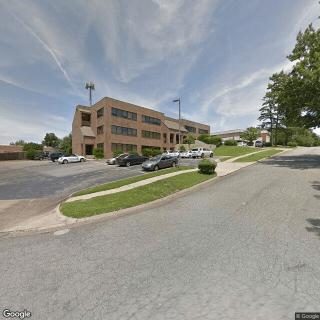
Briarwood Nursing And Rehabilitation Center

516 So Rodney Parham Road, Little Rock, AR 72205

For more information about senior living options: (844) 490-3973

2.6 from 34 reviews
5 stars
11
4 stars
3
3 stars
1
2 stars
1
1 stars
18

Skilled Nursing Facility

What level of care are you interested in?

Assisted Living

Memory Care

Independent Living

Skilled Nursing Facility

Continuing Care Retirement Community (CCRC)CCRC

Other


Request a tour at Briarwood Nursing And Rehabilitation Center

    Overall Review of Briarwood Nursing And Rehabilitation Center

    Pros

    • pro The nurses were very friendly.
    • pro The therapist said she was doing great.
    • pro Briarwood is described as Best of the Best every year.
    • pro The home health case worker was excellent.
    • pro Briarwood was very professional and helpful 10 years ago.

    Cons

    • pro The reviewers allege Briarwood's communication with families is horrible and unprofessional.
    • pro The rehab liaison allegedly failed to call at scheduled times and did not communicate directly with the family.
    • pro The facility is accused of neglect, including losing clothing, medications, and a cane.
    • pro Staff allegedly refused to provide Imodium and failed to manage diarrhea and hydration properly.
    • pro A reviewer claims a patient fell and ambulance transport was delayed for hours, leading to serious injury and death.
    • pro Discharge planning is described as mishandled, with discharge dates moved without family input.
    • pro There are reports of unsafe conditions and lack of fall precautions, such as no mats for fall-risk patients.
    • pro A reviewer alleges a patient was starved of food and water for several days, causing dehydration.
    • pro There are claims of staff yelling at patients and widespread unprofessional behavior.
    • pro The facility is said to not meet long-term care regulations and to be at risk of further violations.

    Review

    A troubling pattern emerges from a series of accounts about Briarwood, especially around the rehab and discharge process, communication with families, and the day-to-day safety of patients. The threads run across several years and involve multiple family members with different medical needs, from post-surgical rehab to post-VA and long-term care situations. In nearly every story, the central pain points are a frustrating lack of responsive communication, disorganized planning, and a sense that patient comfort and safety were not always the facility's primary focus. A key figure mentioned repeatedly is Lauren, described as the Rehab Liaison, whose responsiveness - or lack thereof - appears to have shaped the trajectory of care for several patients.

    Communication with Lauren and with Briarwood leadership stands out as the most persistent grievance. In many entries, family members report dialing repeatedly and leaving messages that never receive a direct call back. When Lauren or her assistants did engage, it often ended with secondhand updates rather than direct, clear information to the family. On one occasion, Lauren promised to call at a specific time, but the promised call never came; another family member was told she would reach out "that afternoon," only to be told later that she was too busy and would call the next day, with no follow-through. A meeting with the administrator did little to resolve the issue, because Lauren was present but did not take direct family questions; instead, messages were funneled through an assistant. The absence of a reliable point of contact left families feeling adrift, with crucial questions about care plans, expected length of stay, and discharge timing repeatedly unmet.

    Discharge planning and readiness for return home also appear to have been mishandled in multiple cases. One resident recovered from hip surgery and spent five days in an overflow area before a room was secured, after which family members noted the patient was not yet ready to walk and still required assistance. Despite this, there were frequent indications that discharge dates were being moved or discussed without meaningful family input. In particular, a discharge date that had been planned for midweek was altered to Monday - apparently tied to therapy schedules and not discussed with the family. Weekend therapy gaps compounded the confusion, making it harder for families to plan around who would transport and whether the patient would be medically ready to leave. The sense many families describe is that administrative decisions about discharge were made under pressure and without adequate consultation, leaving loved ones unsettled and unprepared.

    Safety concerns and indications of neglect run through several stories, including claims of falls, lack of fall-prevention measures, medication mishandling, and the misplacement or loss of patient belongings. One account describes a patient who, despite being a known fall risk, was left without floor mats or proper supervision, resulting in a fall that led to surgery and a prolonged hospitalization; the patient's family contends that an ambulance was not called for several hours after the incident. Other families recount missing items - clothing, a cane, and prescribed medications - upon return, and are told the items were lost or discarded, with little accountability or follow-up. Medication-related concerns are prominent in more than one review, including a claim that a caregiver or staff member could not explain medication changes or locate necessary drugs, and in at least one instance, a staff member reportedly refused Imodium for a patient with colitis who was experiencing diarrhea. These elements collectively contribute to a broader impression of neglect or mismanagement contributing to patient discomfort and risk.

    Several narratives involve specific, distressing episodes that heighten concerns about patient safety and the quality of care. One review focuses on a family member who arrived as a post-CV spinal surgery patient and faced a communications bottleneck that delayed critical decisions. A separate account portrays a veteran aunt who is blind and had been placed for a 20-day rehab period through the VA; after a COVID-related detour and a return to Briarwood, belongings such as clothing, medication, and a cane were lost, and staff reportedly mishandled medication. The social worker was described as argumentative and unhelpful, and the family indicates they faced difficulties getting timely responses or explanations. In one particularly stark narrative, a family member attributes terrible consequences to dehydration and perceived neglect during a 2021 incident involving a father with PSP who reportedly did not receive appropriate feeding or hydration, leading to kidney damage and a protracted hospital stay. While these are singular accounts, the depth of detail and the severity of outcomes cited contribute to a pervasive sense of risk and distrust.

    These experiences are set against a backdrop of contrasting voices - one line in the mix simply proclaims "Best of the Best every year!!!" while many others lament how Briarwood has shifted away from the professional, supportive environment described years ago. Several reviews explicitly compare Briarwood unfavorably to the facility of ten years prior, noting a marked decline in communication, accountability, and patient advocacy. The most consistent refrain across entries is that the hospital's leadership and administrative structures have not effectively supported or empowered frontline staff to communicate clearly with families or to coordinate care in a timely and transparent way. The disconnect between what families expect and what is delivered has left many feeling that their loved ones are at greater risk and that their voices - especially in discharge planning and day-to-day needs - are being sidelined.

    Taken together, these accounts paint a concerning picture of Briarwood's rehab and long-term care operations as experienced by multiple families: a recurring breakdown in communication, disjointed and sometimes late discharge planning, safety and medication management gaps, and a sense that leadership failing to provide direct, reliable responses has put patients and families under avoidable stress. For anyone considering Briarwood for a loved one, these narratives suggest a need for extra diligence: insist on clear, direct communication with a named point person, request written confirmation of discharge plans and timelines, verify medication and supply handling procedures, and consider filing formal complaints with regulatory bodies if safety concerns persist. Being proactive - documenting conversations, obtaining confirmations in writing, and seeking alternative care options when possible - appears to be crucial in light of these experiences.

    Features

    Housing

    • 120 resident community capacity 120 resident community capacity

    Types of Care

    • Skilled Nursing Facility Skilled Nursing FacilitySkilled Nursing Facilities are crucial for seniors as they provide round-the-clock medical care, rehabilitation services, and assistance with daily activities. These facilities ensure that seniors receive the specialized care they need to maintain their health and well-being as they age.

    Amenities

    • Air-conditioning Air-conditioningAir conditioning is important for seniors as they are more vulnerable to heat-related illnesses and may have underlying health conditions that make it difficult for them to regulate their body temperature. It helps to keep them comfortable, safe, and healthy in hot weather.
    • Beauty salon Beauty salonBeauty salons are important for seniors because they provide a space for them to feel pampered, socialize, and maintain their personal grooming and hygiene. Regular visits to a beauty salon can help boost seniors' self-esteem and overall well-being.
    • Cable or satellite TV Cable or satellite TVCable or satellite TV is important for seniors because it provides entertainment, news, and companionship, helping to combat loneliness and boredom. It also offers a wide range of programming options tailored to different interests and preferences.
    • Computer center Computer centerA computer center is essential for seniors as it provides access to technology, communication tools, and resources that can enhance their daily lives. It allows them to stay connected with loved ones, engage in online activities, and learn new skills, ultimately promoting socialization and mental stimulation.
    • Dining room Dining roomDining rooms are important for seniors as they provide a space for socialization, connection, and nutritious meals. They offer opportunities for residents to bond over shared meals, foster a sense of community, and promote healthy eating habits. Dining rooms also ensure that seniors have access to well-balanced meals tailored to their dietary needs and preferences.
    • Fitness room Fitness roomHaving a fitness room in a senior living community is essential for seniors to stay active, maintain their physical health, and improve their overall well-being. Regular exercise can help prevent falls, reduce the risk of chronic diseases, and promote mental sharpness. It also provides social opportunities for residents to connect with others and enjoy a sense of community.
    • Fully furnished Fully furnishedFully furnished senior living communities are important for seniors because they provide convenience, comfort, and a hassle-free moving experience. Seniors can easily settle into their new living space without the stress of having to buy and move furniture. This allows them to focus on enjoying their new home and community.
    • Gaming room Gaming roomGaming rooms are important for seniors as they provide a fun and engaging environment for socializing, cognitive stimulation, and physical activity. Games can improve memory, problem-solving skills, and overall mental well-being while fostering friendships and reducing feelings of isolation.
    • Garden GardenGardens are important for seniors as they provide a peaceful and therapeutic environment for relaxation, physical activity, and socialization. Being in nature has been shown to reduce stress, improve mood, and promote overall well-being. Gardens also offer opportunities for seniors to engage in gardening activities, which can improve mobility, flexibility, and cognitive function. Additionally, gardens create a sense of community and connection with others who share a passion for plants and outdoor spaces.
    • Housekeeping services Housekeeping servicesHousekeeping services are important for seniors because they help maintain a clean and safe living environment, promote independence, and reduce the risk of accidents or illnesses. Additionally, having assistance with household chores can alleviate physical strain and allow seniors to focus on other aspects of their well-being.
    • Kitchenette KitchenetteKitchenettes are important for seniors living in senior living communities because they provide the convenience and independence of being able to prepare simple meals and snacks in the comfort of their own living space. This can help promote a sense of autonomy and well-being for seniors, allowing them to maintain some level of control over their dietary choices and daily routines.
    • Move-in coordination Move-in coordinationMove-in coordination is important for seniors because it helps ease the transition into their new living environment. It ensures that all logistics, such as packing, organizing movers, and setting up utilities are taken care of, allowing seniors to focus on settling in and adjusting to their new home. Having a smooth move-in process can alleviate stress and anxiety, making the transition smoother and more enjoyable for seniors.
    • Outdoor space Outdoor spaceOutdoor spaces are important for seniors as they provide opportunities for physical activity, social interaction, exposure to natural light and fresh air, and a sense of connection to nature. Having access to outdoor spaces can improve overall well-being and quality of life for older adults living in senior communities.
    • Private bathrooms Private bathroomsPrivate bathrooms are important for seniors in senior living communities because they provide independence, dignity, and comfort. Having a private bathroom allows seniors to maintain their personal hygiene routines without the need for assistance, promoting a sense of autonomy and privacy. Additionally, private bathrooms help prevent the spread of infections and provide a safe and clean environment for seniors to navigate safely.
    • Restaurant-style dining Restaurant-style diningRestaurant-style dining is important for seniors because it allows them to enjoy delicious, nutritious meals in a social and upscale setting. This enhances their dining experience, promotes healthy eating habits, and fosters socialization with fellow residents, ultimately contributing to their overall well-being and quality of life.
    • Small library Small librarySmall libraries are important for seniors as they provide access to a variety of reading materials, including books, newspapers, and magazines. This can help stimulate their minds, keep them engaged, and provide a sense of community through book clubs and other social activities. Additionally, reading has been shown to improve cognitive function and overall mental well-being in older adults.
    • Telephone TelephoneTelephones are important for seniors as they provide a lifeline for communication with loved ones, emergency services, and healthcare providers. They offer a sense of security and independence, enabling seniors to stay connected and access assistance when needed.
    • Wellness center Wellness centerWellness centers are important for seniors because they offer a variety of programs and services that promote physical, mental, and emotional well-being. These centers provide opportunities for exercise, socialization, education, and relaxation, helping seniors maintain their overall health and quality of life.
    • Wi-Fi/high-speed internet available Wi-Fi/high-speed internet availableWi-Fi/high-speed internet is important for seniors to stay connected with loved ones, access online resources, and participate in virtual activities to combat feelings of loneliness and isolation. It also allows them to easily manage healthcare needs, access entertainment, and engage in lifelong learning opportunities.

    Transportation

    • Adams (8 miles away) Adams (8 miles away)
    • Community operated transportation Community operated transportationCommunity operated transportation is crucial for seniors as it provides them with the means to access essential services, social activities, and medical appointments. It allows seniors to maintain their independence and quality of life by ensuring they can participate in activities outside of their homes. Additionally, community-operated transportation services offer a safe and reliable way for seniors to travel without having to rely on family or friends for assistance.
    • Transportation arrangement Transportation arrangementTransportation arrangements are crucial for seniors as they may face challenges with driving, mobility, or access to public transportation. Having reliable transportation services ensures that seniors can easily attend appointments, social activities, and maintain their independence and quality of life.
    • Transportation arrangement (non-medical) Transportation arrangement (non-medical)Transportation arrangements are essential for seniors as they provide access to essential services, activities, and social interactions outside the home. This service helps maintain independence, mobility, and overall well-being for seniors who may have limited transportation options.
    • Transportation to doctors appointments Transportation to doctors appointmentsTransportation to doctors appointments is crucial for seniors as it ensures they have access to necessary medical care and support, promoting their health and well-being. It allows them to receive timely treatment, monitor existing conditions, and address any new health concerns efficiently. Additionally, transportation services can help seniors maintain their independence and quality of life by enabling them to stay connected with their healthcare providers.

    Care Services

    • 12-16 hour nursing 12-16 hour nursing12-16 hour nursing care is crucial for seniors in order to ensure around-the-clock monitoring, timely medication administration, and prompt response to any health concerns or emergencies. This level of care helps to promote the overall well-being and safety of seniors living in senior living communities.
    • 24-hour call system 24-hour call system24-hour call systems are important for seniors because they provide peace of mind and immediate assistance in case of emergencies. This technology ensures that help is always available, promoting safety and security for elderly individuals living alone or in assisted living facilities.
    • 24-hour supervision 24-hour supervision24-hour supervision is important for seniors to ensure their safety, well-being, and access to immediate assistance in case of emergencies or health issues. This constant support provides peace of mind for both seniors and their loved ones, allowing them to age in place with dignity and security.
    • Activities of daily living assistance Activities of daily living assistanceActivities of daily living assistance are important for seniors because they provide essential support with tasks such as eating, bathing, dressing, and mobility. This assistance helps seniors maintain their independence, dignity, and overall quality of life as they age.
    • Assistance with bathing Assistance with bathingAssistance with bathing is crucial for seniors as it helps maintain personal hygiene, prevents infections, and ensures their overall well-being and comfort. It also provides a sense of dignity and independence for seniors who may struggle with this task on their own.
    • Assistance with dressing Assistance with dressingAssistance with dressing is important for seniors because it helps maintain their independence, promotes personal hygiene, prevents accidents and injuries, and improves overall quality of life. This service ensures that seniors can continue to dress comfortably and confidently, despite any physical limitations they may have.
    • Assistance with transfers Assistance with transfersAssistance with transfers is crucial for seniors as it helps prevent falls and injuries, maintains their independence, and ensures they can safely navigate their living environment. It also provides peace of mind for both seniors and their loved ones.
    • Diabetes diet Diabetes dietA diabetes diet is crucial for seniors as it helps manage blood sugar levels, reduce risks of complications, and improve overall health and well-being. By following a balanced and nutritious diet tailored to their specific needs, seniors can better control their diabetes and enhance their quality of life.
    • Meal preparation and service Meal preparation and serviceMeal preparation and service are crucial for seniors as they may have limited mobility or energy to cook nutritious meals. Having access to healthy and convenient food options can ensure they are getting the proper nutrition needed to maintain their overall health and well-being.
    • Medication management Medication managementMedication management is crucial for seniors to ensure they are taking the right medications at the correct dosages and times. This helps prevent adverse drug interactions, reduces the risk of medication errors, and promotes overall health and well-being. Proactive management also allows for adjustments as needed based on changing health conditions or new prescriptions.
    • Mental wellness program Mental wellness programMental wellness programs are essential for seniors as they promote cognitive stimulation, emotional support, and social engagement. These programs help prevent isolation, depression, and cognitive decline, ultimately enhancing the overall quality of life for older adults.
    • Special dietary restrictions Special dietary restrictionsSpecial dietary restrictions are important for seniors because age-related changes in metabolism and health conditions can make it difficult for their bodies to process certain foods. By following a diet tailored to their specific needs, seniors can maintain their overall health and well-being, manage chronic conditions, and reduce the risk of complications such as malnutrition or food interactions with medications.

    Dining

    • Diabetes diet Diabetes dietA diabetes diet is crucial for seniors as it helps manage blood sugar levels, reduce risks of complications, and improve overall health and well-being. By following a balanced and nutritious diet tailored to their specific needs, seniors can better control their diabetes and enhance their quality of life.
    • Special dietary restrictions Special dietary restrictionsSpecial dietary restrictions are important for seniors because age-related changes in metabolism and health conditions can make it difficult for their bodies to process certain foods. By following a diet tailored to their specific needs, seniors can maintain their overall health and well-being, manage chronic conditions, and reduce the risk of complications such as malnutrition or food interactions with medications.

    Activities

    • Community-sponsored activities Community-sponsored activitiesCommunity-sponsored activities are important for seniors as they provide opportunities for social interaction, mental stimulation, and physical activity. These activities can help improve overall well-being, combat loneliness and isolation, and promote a sense of belonging and purpose among older adults.
    • Concierge services Concierge servicesConcierge services are essential for seniors as they provide assistance with daily tasks and errands, enhance their quality of life by offering convenience and personalized care, and promote a sense of safety and security.
    • Fitness programs Fitness programsFitness programs are crucial for seniors as they help improve strength, flexibility, balance, and overall well-being. Staying active can reduce the risk of chronic diseases, improve mental health, and enhance quality of life in older adults.
    • Planned day trips Planned day tripsPlanned day trips are important for seniors because they offer opportunities for socialization, mental stimulation, and physical activity. They provide a change of scenery and help seniors stay engaged and connected to their community, promoting overall well-being and quality of life.
    • Resident-run activities Resident-run activitiesResident-run activities are important for seniors as they encourage social interaction, creativity, and a sense of autonomy. These activities empower seniors to stay engaged and active in their community while fostering meaningful connections with their peers.
    • Scheduled daily activities Scheduled daily activitiesScheduled daily activities are important for seniors because they provide structure, socialization, mental stimulation, and physical activity. Engaging in regular activities can improve overall well-being and quality of life for seniors living in a community setting.

    Description

    Briarwood Nursing And Rehabilitation Center in Little Rock, AR is a welcoming and comfortable assisted living community that offers a wide range of amenities and care services to enhance the quality of life for its residents. The center boasts a beauty salon where residents can enjoy professional hair care services, as well as cable or satellite TV in their fully furnished accommodations. Community-operated transportation is available for convenience, providing easy access to nearby places such as cafes, parks, pharmacies, physicians, restaurants, places of worship, and hospitals.

    For those who enjoy staying connected and engaged with technology, there is a computer center with Wi-Fi/high-speed internet available. There are also various recreational spaces such as a gaming room, small library, fitness room, and outdoor garden area for residents to relax and pursue their hobbies. The dining experience at Briarwood Nursing And Rehabilitation Center is restaurant-style with special dietary restrictions catered to individual needs.

    The care services provided at this community ensure the safety and well-being of all residents. With 24-hour call system and supervision in place, assistance is readily available whenever needed. Trained caregivers are always ready to offer support with activities of daily living such as bathing, dressing, transfers, and medication management. Additionally, a mental wellness program aims to promote emotional well-being among residents.

    To keep residents engaged and socially active within the community, a variety of activities are offered on a regular basis. These include fitness programs for physical well-being, planned day trips for exploration and enjoyment outside the facility's premises, resident-run activities to encourage participation and creativity, and scheduled daily activities designed to stimulate the mind.

    At Briarwood Nursing And Rehabilitation Center in Little Rock, AR residents can expect excellent care services along with an array of amenities tailored to meet their specific needs. With convenient access to nearby facilities and opportunities for socializing and engagement within the community itself; Briarwood Nursing And Rehabilitation Center is committed to providing a comfortable and fulfilling living experience for its residents.

    Nearby Places of Interest

    Restaurants

    • Burger King (0.3 miles)
    • Raising Cane's Chicken Fingers (1.2 miles)
    • McDonald's (1.3 miles)
    • Big Orange (1.3 miles)
    • Pei Wei Asian Kitchen (1.4 miles)
    • Casa Manana (1.6 miles)
    • Slim Chickens (1.6 miles)

    Pharmacies

    • Tabor, Jennifer M - Jennifer M Tabor (0.4 miles)
    • Sca Pharmaceuticals (0.6 miles)
    • Drug Emporium (0.9 miles)
    • Walgreens (1 miles)
    • CVS Pharmacy (1.3 miles)
    • Cardinal Health (1.5 miles)
    • Walgreens (1.6 miles)

    Physicians

    • Arkansas Epilepsy Program (0.8 miles)
    • Arkansas Diagnostic Clinic (0.8 miles)
    • Arkansas Internal Medicine (0.9 miles)
    • Baptist Ortho (0.9 miles)
    • Arkansas Cardiology (0.9 miles)
    • Little Rock Gynecology and Obstetrics (1 miles)
    • Doctor's Park (1 miles)

    Hospitals

    • Hickingbotham Outpatient Center (1 miles)
    • CHI St Vincent Infirmary (1.4 miles)
    • Arkansas Federation Of Families For Children's Mental Health (2.3 miles)

    Cafes

    • Starbucks (1.3 miles)
    • Panera Bread (1.7 miles)
    • Mylo Coffee Co. (2.3 miles)

    Parks

    • Hounds Lounge Pet Reso (2.5 miles)
    • Allsopp Park (2.7 miles)

    Places of Worship

    • Church At Rock Creek (2.8 miles)
    • Second Presbyterian Church (2.9 miles)

    Frequently Asked Questions

    Where is Briarwood Nursing And Rehabilitation Center?

    Nearby Communities

    Related Resources

    • what to do for arthritisComprehensive Approaches for Arthritis: A Detailed Guide to Symptoms, Causes, and Care

      Arthritis encompasses over 100 joint disorders affecting people of all ages, leading to symptoms like pain and stiffness that impair mobility and quality of life. Effective management involves early diagnosis, lifestyle changes, medical treatments, emotional support, and ongoing monitoring with healthcare professionals.

    • elderly fall preventionComprehensive Insights and Practical Strategies to Help Older Adults Avoid Falls

      The article highlights the high risk of falls among older adults due to factors like muscle weakness, vision issues, and environmental hazards, with one in four experiencing a fall annually. It advocates for a comprehensive prevention approach that includes exercise, home safety modifications, medication management, social support, and caregiver involvement.

    • what does an elder law attorney do6 Crucial Ways an Elder Law Attorney Assists Families

      Elder law attorneys assist older adults and their families with legal matters such as estate planning, Medicaid eligibility, and guardianships, while also providing protection against elder abuse. They help navigate complex regulations to safeguard financial resources, ensure well-being, and maintain autonomy for seniors.


    Get Pricing Ask A Question Schedule A Tour Contact Senior Advisor