

610 Carpenter Dam Rd, Hot Springs, AR 71901
To contact a resident: (501) 262-2571
For more information about senior living options: (866) 208-4318
Garland Nursing & Rehab Ctr Costs & Pricing
Garland Nursing & Rehab Center offers competitive pricing for its private rooms at $3,360 per month, positioning it slightly above the regional average in Hot Spring County, which stands at $3,120. However, this rate is significantly more affordable compared to the state average in Arkansas of $4,236 for similar accommodations. This pricing structure suggests that while Garland Nursing & Rehab Ctr may be a bit pricier than its immediate county counterparts, it still provides a valuable option for families seeking quality care without reaching the higher costs found elsewhere in the state.
| Floor plans | Garland Nursing & Rehab Ctr | Hot Spring County | Arkansas |
|---|---|---|---|
| Private | $3,360 | $3,120 | $4,236 |
Overall Review of Garland Nursing & Rehab Ctr
Pros
 The mom has made big progress during two years of care at the center.
- The mom has shown significant improvements while in their care.
- The reviewer expresses appreciation and sends love to the staff.
Cons
 The facility gave the mother Ativan when it wasn’t needed, using it as a chemical restraint.
- The CNAs provided care in an assembly-line fashion.
- They did not treat residents as human beings.
- A CNA was mean to the mother in the bathroom.
- No one unpacked her clothes or put them away; the suitcase was left on the bedside table.
- The caregivers were poorly trained, lazy, and uncaring.
- The facility allowed the mother’s roommate to verbally harass her.
- The reviewer advised avoiding this facility.
Review
Garland Nursing & Rehab Center in Hot Springs is best suited for families seeking steady, rehab-oriented skilled-nursing care where routines and predictable staffing can support a resident who responds to structure. The strongest signal comes from a resident who has been there two years and shows real, observable progress, as noted by a family member who speaks warmly of the care received. For seniors who need help with activities of daily living, regular therapy, and a consistent daily rhythm rather than high-acuity medical management, this facility can deliver reliable continuity. It works best when a loved one thrives on routine, predictable check-ins, and a care team that can maintain a stable, albeit imperfect, cadence over time.
Those weighing alternatives should consider Garland if concerns about dignity, individualized attention, and staff responsiveness are paramount. The negative elements raised by a former family member, claims of chemical restraint, impersonal caregiving, and observed disrespect, signal substantial risk for residents who require nuanced, compassionate interaction and hands-on advocacy. If a loved one depends on highly attentive, respectful treatment, immediate, ideologically aligned staff oversight, and strong grievance responsiveness, other options with stronger culture and supervision may be more reliable. In short, hesitations about staff training, personal interactions, and the potential for mistreatment are legitimate reasons to look elsewhere.
On the positive side, the center demonstrates a credible capability to deliver progress for at least some residents. The favorable account of a two-year stay points to a program that can support rehabilitation, ongoing activity engagement, and meaningful gains in function when the care plan and staffing align with the resident’s needs. Families that value a steady trajectory, where therapy, daily support, and routine interactions contribute to tangible improvement, will likely view this as a meaningful advantage. The consistency implied by long-term residency can translate into stability for residents who respond well to predictable caregiving and structured days.
The most troubling concerns center on alleged medication misuse, care that feels mechanical rather than person-centered, and staff behavior that falls short of humane treatment. The accusation of administering a sedative as a restraint, the “assembly line” characterization of CNAs, and observed hostility toward a resident are not minor flaws; they strike at safety, dignity, and the integrity of daily care. Additional issues such as failing to unpack a resident’s belongings, allowing harassment by a roommate, and overall impressions of poor training amplify the risk that a resident’s emotional and physical well-being could be compromised, particularly for those who require patient, individualized guidance.
Those pros and cons do not cancel each other out; they simply map a clear risk-reward calculus. For families willing to tolerate some variability in staff performance in exchange for a proven path to progress, Garland can be a viable choice, provided there is rigorous, ongoing oversight. The favorable trajectory observed in one resident shows what is possible when programs are functioning, staff are engaged, and care plans stay person-centered. However, the red flags demand tranches of due diligence: verify staffing ratios, request direct supervision, inspect how care plans are written and updated, and demand prompt, respectful responses to concerns. Any decision should hinge on whether the loved one can be consistently protected from the kinds of issues raised and whether a monitoring plan can be put in place.
If proceeding with Garland, undertake a purposeful, concrete due-diligence process. Schedule unannounced visits to observe CNAs and licensed staff during multiple shifts, request to review incident or grievance logs, and speak candidly with the administrator about training, supervision, and a concrete plan for addressing any missteps. Ask for a sample care plan, including medication management policies, and insist on direct communication channels with the caregiving team and family liaison. If the facility cannot provide credible evidence of responsive leadership and a clear path to more personalized, respectful care, it is prudent to explore alternatives in the Hot Springs area that emphasize robust staffing culture and transparent accountability.
 Skilled Nursing Facility
 Private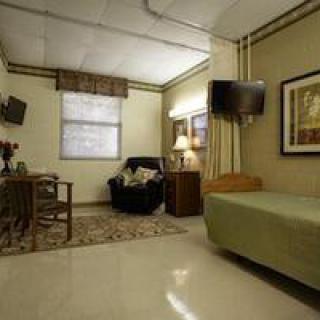


 Comprehensive Look at Senior Blood Pressure Charts: Normal and Elevated Levels by Age
 Top Canine Companions for Older Adults
 Comprehensive Guide to Blood Pressure Charts for Older Adults: Understanding Normal and High Readings by Age