For more information about senior living options: (866) 208-4318
4.8 from 30 reviews
5 stars
24
4 stars
5
3 stars
1
2 stars
0
1 stars
0
Seniors Comfort Assisted Living Costs & Pricing
Seniors Comfort Assisted Living offers a range of accommodations at competitive price points relative to both Hot Spring County and the broader state of Arkansas. For residents seeking a studio, the monthly rate is $4,000, which is notably higher than the county's average of $3,030 and slightly above the state average of $2,863. This pricing reflects the facility's commitment to delivering quality care and amenities. Similarly, private rooms are priced at $4,000 - lower than Arkansas' average of $4,236 but above Hot Spring County's $3,120. If you're considering a one-bedroom unit, Seniors Comfort's rate lands at $4,500, which exceeds both the county's competitive rate of $3,017 and the state average of $3,322. Overall, while costs may be higher than local averages for certain room types in Hot Spring County, they are positioned within a framework that ensures exceptional service and support for its residents.
Floor plans
Seniors Comfort Assisted Living
Hot Spring County
Arkansas
Studio
$4,000
$3,030
$2,863
Private
$4,000
$3,120
$4,236
1 Bedroom
$4,500
$3,017
$3,322
Memory care communities with a similar price nearby
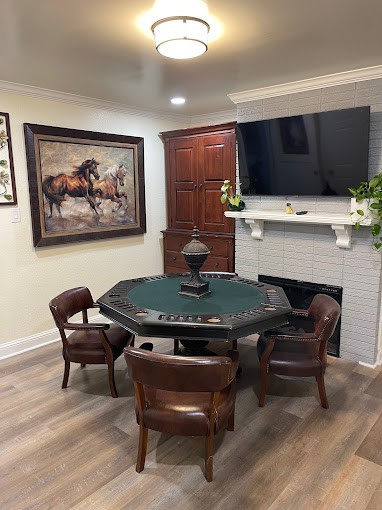
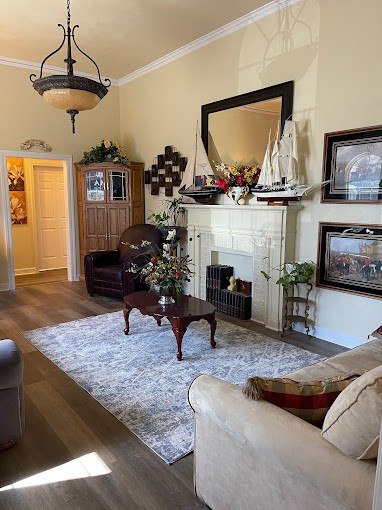
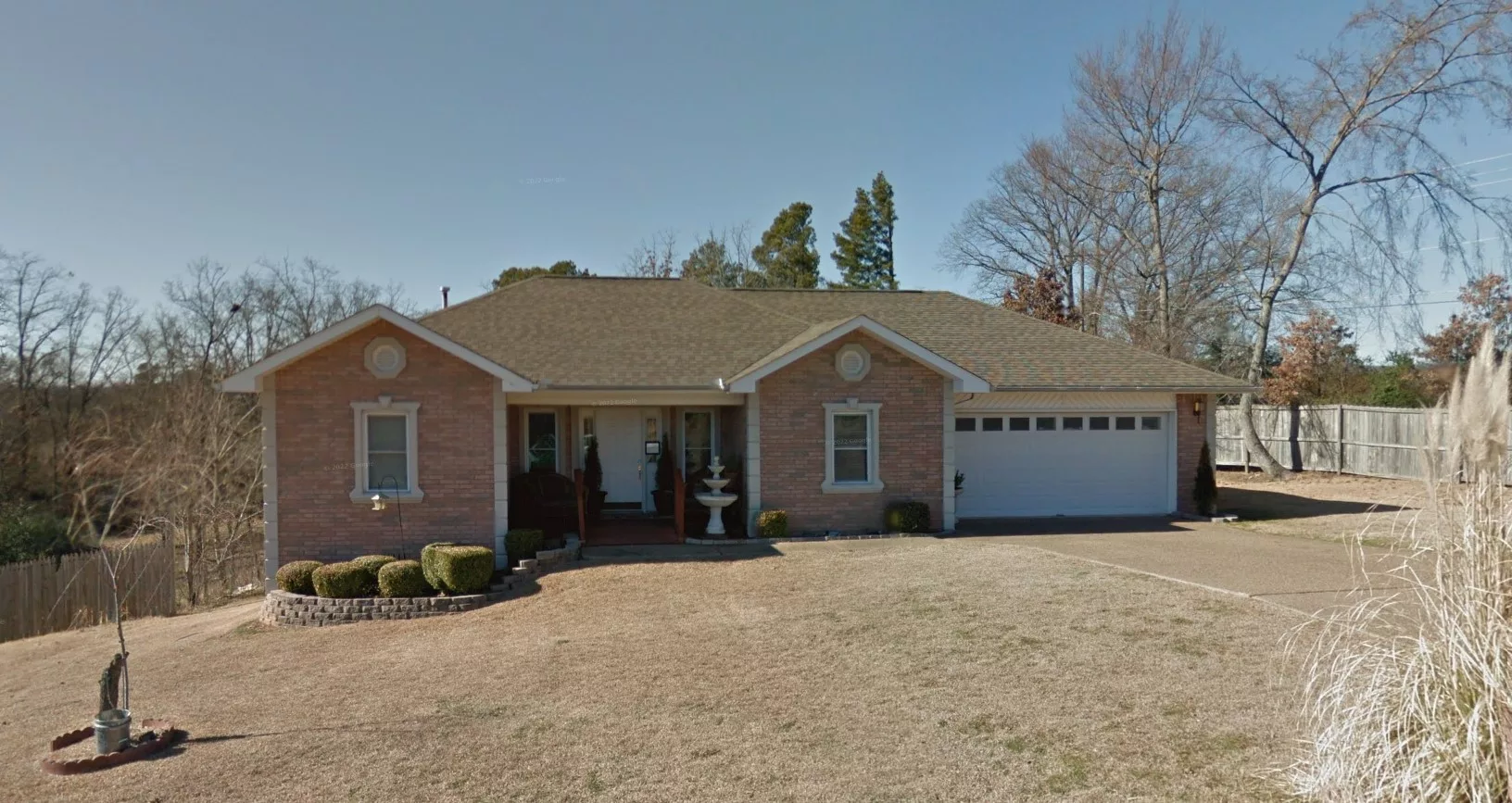
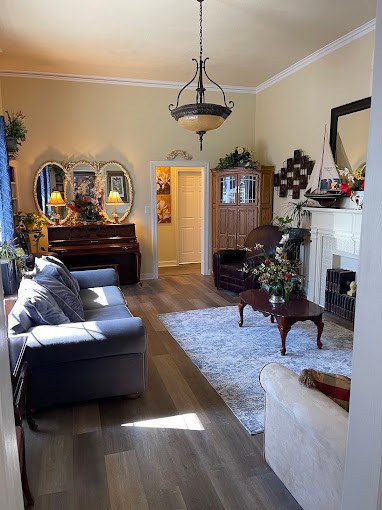
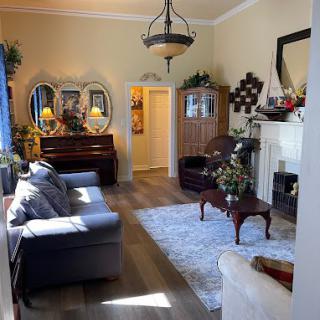
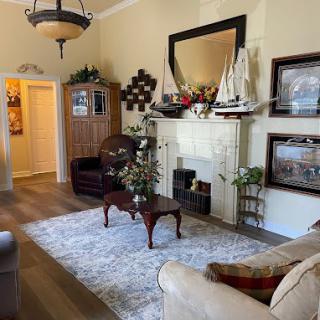
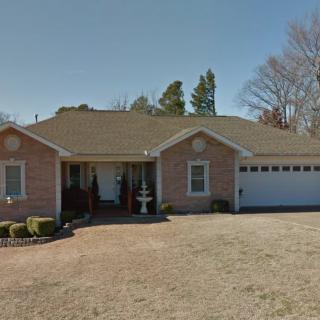
Residents’ families describe a small, house-like setting that feels non-institutional.
Across multiple reviews, families emphasize that the home-like environment helps residents feel at ease, especially after dementia or Alzheimer’s diagnoses. Several reviewers contrast it with larger, more institutional facilities, describing a place that feels more comfortable and familiar. Room layouts are mentioned as more personal than typical nursing-homes, including private bedroom experiences and roaming around the house.
differentiator3 reviews mention this
Around-the-clock attention is noted
Several residents’ families mention continuous caregiver presence and 24-hour care.
Reviewers specifically describe caregiver presence as continuous, including accounts of a caregiver being with a resident around the clock and care teams maintaining close supervision. Families also mention one-on-one support as residents’ needs increased. Care services are described in reviews for high-need situations, and hospice support is discussed separately in another theme.
common4 reviews mention this
Meals feel home-cooked
Families frequently describe meals as home-style and attentive to requests.
Dining comes up in multiple ways: residents get meals prepared for them, and families mention real home-cooked cooking rather than institutional food. One reviewer notes accommodating a specific meal request, and another calls out consistently good meals. The community also offers multiple dietary approaches in addition to standard meals, which aligns with the focus on individualized food needs in reviews.
common6 reviews mention this
Cleanliness and safety come up
Reviewers repeatedly call out cleanliness and safety features for residents.
Cleanliness is a recurring observation, with multiple visitors and families describing the home as clean and well maintained. Several reviews also emphasize safety considerations suited to residents who need higher levels of supervision. In at least one case, a family highlights skin-care outcomes over an extended period, reinforcing how closely they felt care needs were managed.
caveat2 reviews mention this
Activities are inconsistent
Some reviewers describe limited activity options for residents.
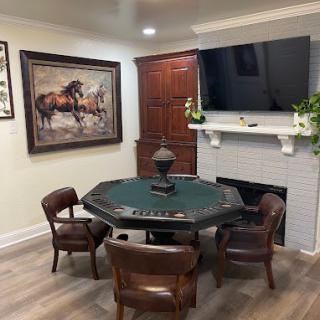
One family mentions an activity-focused schedule with an activity center and outings for social time, including card and game time. Another reviewer, however, describes residents spending much of their time in rooms with minimal interaction beyond watching TV. Taken together, reviews suggest activities may depend on the resident’s stage and what’s available at the time of stay.
caveat3 reviews mention this
Cost feels high for some
A few reviews flag the monthly cost as a concern or point of comparison.
One review explicitly cites the monthly cost as about $4,000 and frames it in the context of the care setting. Another reviewer says it is not quite expensive for someone who is less mobile, while still noting their initial uncertainty based on early checking and comparing. Other reviews don’t emphasize price, but the cost discussion appears enough to be a recurring consideration for some families.
How we summarize
Counts show how many written reviews mention each theme; a review can touch several themes, and only frequently mentioned themes are displayed.
Features
Types of Care
Board and Care Home
Memory Care
Pets
Cats allowed
Dogs allowed
Amenities
Activities off-site
Activities on-site
Beautician on-site
Cable or satellite TV
Dining room
Garden
Guasts at mealtime
Guest parking
Indoor common areas
Laundry
Outdoor common areas
Private
Private bathrooms
Private cleaning services
Resident parking
Respite or short term stays offered
TV room
Wheelchair accessible showers
Wi-Fi/high-speed internet available
Transportation
Transportation & parking
Care Services
Ambulatory care
Companion care
Diabetic care
High acuity care
Hospice care
Incontinence care
Medication management
Personal care assistants
Dining
Diabetes diet
Kosher
Low / no sodium
Low fat
Meals provided
Room service
Special dietary restrictions
Vegetarian
Activities
Activities off-site
Activities on-site
Christian services
Languages Spoken
English
Nearby Places of Interest
Located in Hot Springs, Arkansas, this neighborhood offers a convenient location for seniors looking for services and amenities close by. With a variety of physicians' offices, pharmacies, and cafes within a short distance, residents can easily access healthcare and enjoy dining options. The area also features a selection of restaurants ranging from fast food to casual dining, providing plenty of choices for meals out. Additionally, the proximity to parks such as the Hot Springs National Park offers opportunities for outdoor recreation and relaxation. Places of worship like Anthony Chapel offer spiritual fulfillment for those seeking community connections. Overall, this part of Hot Springs provides a well-rounded environment with easy access to essential services and recreational activities for seniors looking to settle down in a vibrant neighborhood.
Physicians
Central Arkansas Pain Center (0.7 miles)
Hot Springs Ear Nose & Throat Clinic (0.7 miles)
Porter Jack C DDS (1.6 miles)
Hot Springs Pediatric Clinic, P.A. (2.2 miles)
Hot Springs Surgery Clinic PA (2.2 miles)
Orthopaedic Center of Hot Springs (2.3 miles)
Arkansas Institute For Cosmetic & Plastic Surgery (2.3 miles)
Cafes
Shipley Do-Nuts (0.8 miles)
Chipmunk Cafe (2.4 miles)
Starbucks (2.8 miles)
Cafe 1217 (3.2 miles)
JavaPrimo Coffee House, Cafe & More (3.7 miles)
Best Cafe & Bar (4.1 miles)
Shipley Do-Nuts (4.5 miles)
Pharmacies
Lakeside Pharmacy (0.8 miles)
Lakeside Pharmacy (1 miles)
Green Springs Medical (2.3 miles)
Walmart Pharmacy (2.7 miles)
CVS Pharmacy (2.7 miles)
Kroger Pharmacy (2.8 miles)
National Park Pharmacy (2.9 miles)
Restaurants
Zoe's (1.1 miles)
McDonald's (1.5 miles)
Red Oak Fillin Station (2.2 miles)
Sonic Drive-In (2.5 miles)
Cracker Barrel (2.7 miles)
Burger King (2.7 miles)
Subway (2.9 miles)
Places of Worship
Anthony Chapel (2.4 miles)
First Church of Christ Scientist (4 miles)
Parks
Hot Springs Central Avenue Historical District (4.5 miles)
Seniors Comfort Assisted Living offers a range of accommodations at competitive price points relative to both Hot Spring County and the broader state of Arkansas. For residents seeking a studio, the monthly rate is $4,000, which is notably higher than the county's average of $3,030 and slightly above the state average of $2,863. This pricing reflects the facility's commitment to delivering quality care and amenities. Similarly, private rooms are priced at $4,000 - lower than Arkansas' average of $4,236 but above Hot Spring County's $3,120. If you're considering a one-bedroom unit, Seniors Comfort's rate lands at $4,500, which exceeds both the county's competitive rate of $3,017 and the state average of $3,322. Overall, while costs may be higher than local averages for certain room types in Hot Spring County, they are positioned within a framework that ensures exceptional service and support for its residents.
Medication management at Seniors Comfort Assisted Living ensures that residents receive their medications on time and in the correct dosages, which is crucial for managing symptoms related to dementia and Alzheimer's disease. By having trained staff oversee this process, the risk of missed doses or medication errors is significantly reduced, promoting overall well-being and stability in residents' health. Incontinence care is equally essential as it addresses a common challenge faced by individuals with cognitive impairments. Providing personalized support in this area not only maintains dignity but also contributes to comfort and reduces anxiety for both residents and their families. Together, these features create a supportive environment conducive to the unique needs of those living with memory-related conditions.
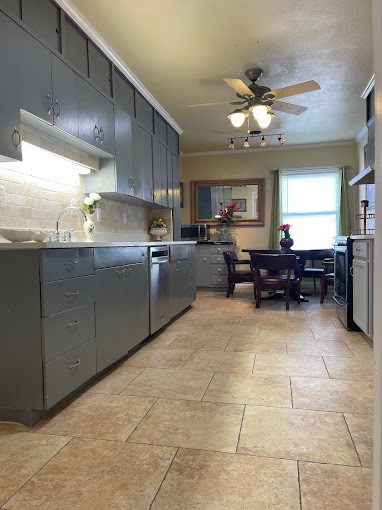
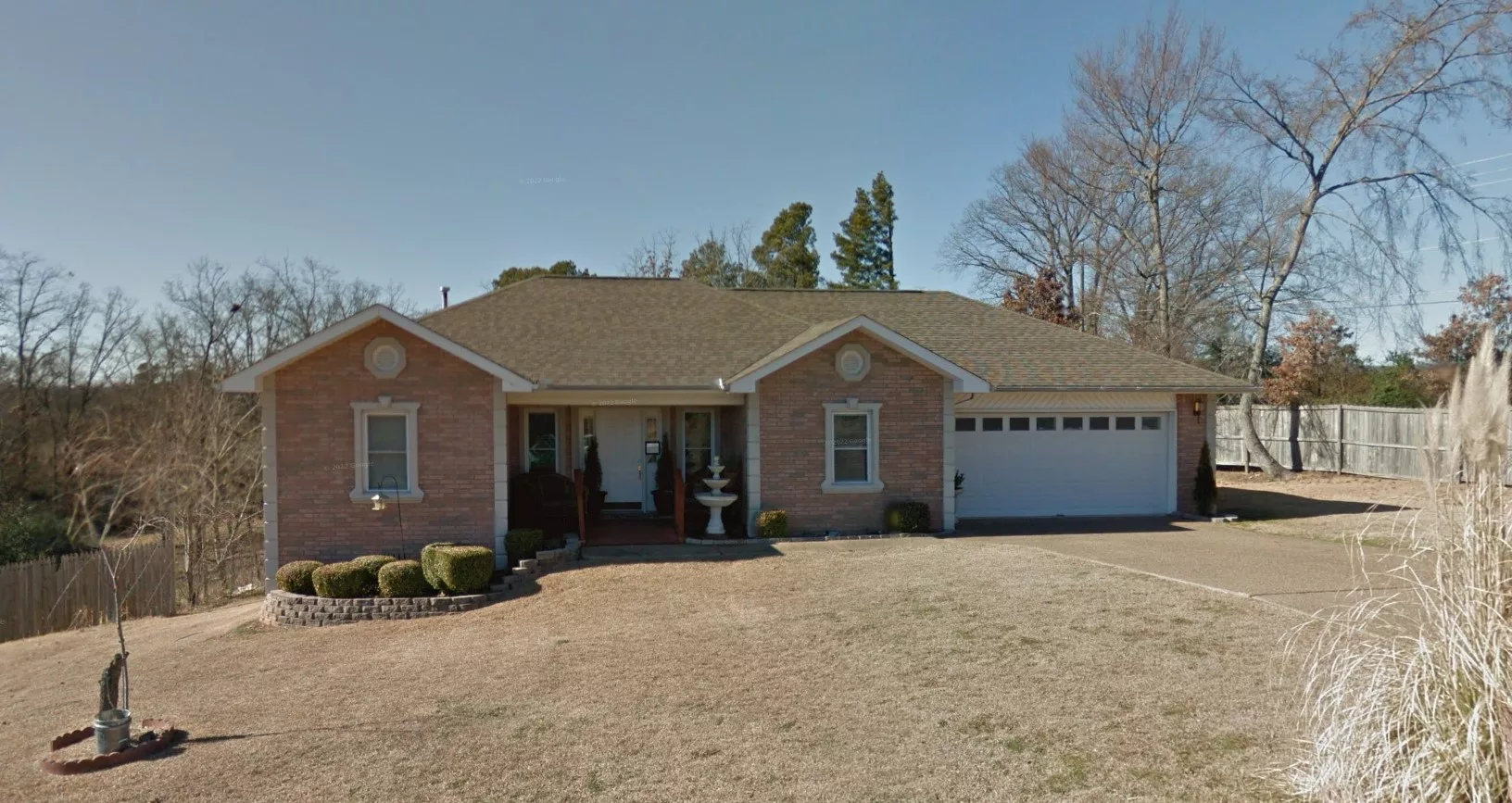
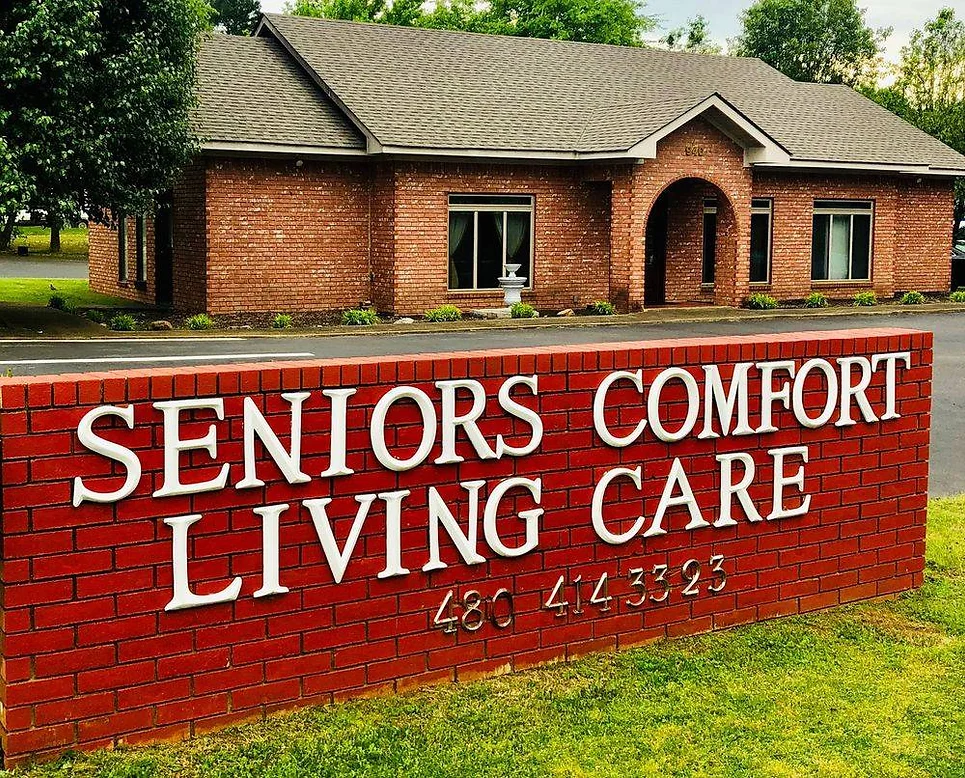
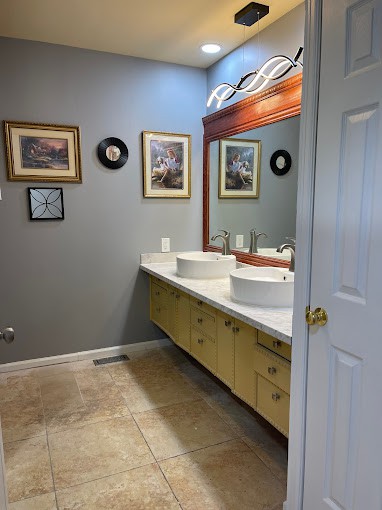
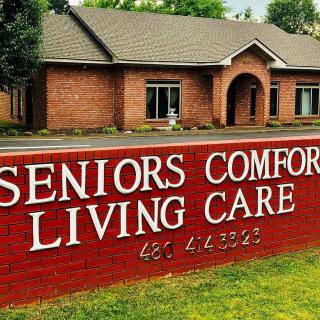
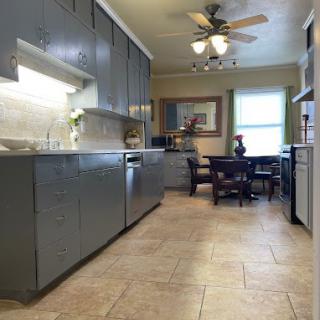
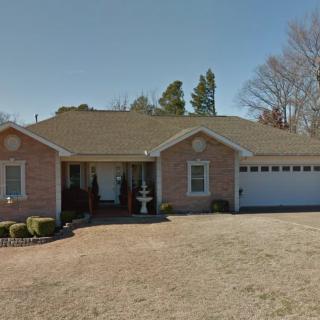
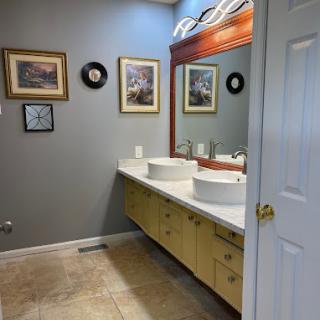
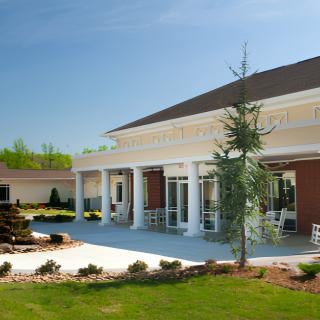
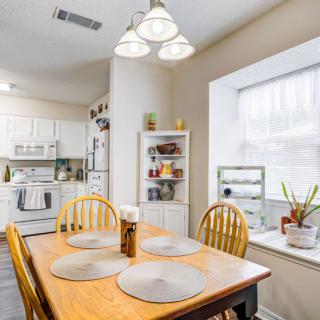
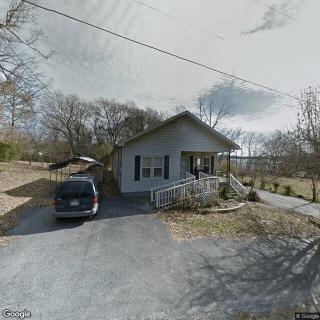
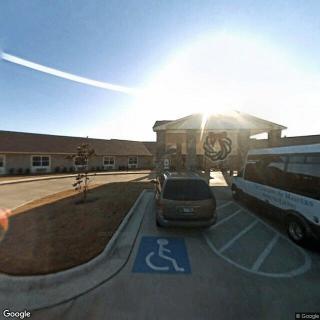
Seniors Comfort Assisted Living on seniors.fyi includes 9 photos including images showing interior, decor, living room, fireplace, rug, artwork, single-story, garage, and more.
Nearby Communities
The Pines Nursing And Rehabilitation Center
Hot Springs, AR
3.9 from 35 reviews
Cozy, home-like atmosphere with friendly, attentive staff and social activities.
Garland Nursing & Rehab Ctr
Hot Springs, AR
3.5 from 2 reviews
$3,360 / month
Notable progress in resident care and well-being over two years (positive testimony from Ms. Amos).
Lakewood Healthcare
Hot Springs, AR
3.7 from 24 reviews
Comprehensive on-site amenities and 24/7 care support.
Hot Springs Nursing And Rehabilitation
Hot Springs, AR
3 from 28 reviews
$4,280 / month
Compassionate staff with active leadership improving cleanliness.
Country Club Village Retirement Community
Hot Springs, AR
4.5 from 108 reviews
$2,300 to $2,800 / month
Friendly staff, comfortable living options, and an active social calendar.
Lakeside Residential Care, LLC
Hot Springs, AR
4.3 from 12 reviews
Tranquil lakeside setting with personalized assisted living and convenient access to dining, pharmacies, doctors, and worship nearby.
Garrett Woods Assisted Living
Hot Springs, AR
4.7 from 13 reviews
$2,400 to $3,500 / month
Friendly staff, beautiful and well-maintained facility with engaging activities.
The Crossing at Malvern
Malvern, AR
4 from 45 reviews
Comprehensive care with on-site dining, transportation, and engaging activities.
Mt. Carmel Community at The Village
Hot Springs Village, AR
4.4 from 45 reviews
$3,350 to $3,950 / month
Clean, friendly staff, engaging activities, and attractive cottages.
The article compares assisted living and skilled nursing facilities, detailing their differing levels of assistance, medical support, cost structures, and day-to-day experiences. It emphasizes that assisted living is for those needing help with daily activities while maintaining independence, whereas skilled nursing facilities provide intensive medical care with 24-hour staff supervision.
Vibrant Senior Living emphasizes active senior living communities that promote independence and engagement through diverse amenities and activities, fostering wellness and social interaction among older adults. These communities range from independent to assisted living, with a focus on personal growth, family involvement, financial planning, and leveraging technology to enhance residents' experiences.
Assisted living provides moderate support for seniors seeking independence, while memory care offers specialized support for individuals with dementia or cognitive impairments through structured routines and trained staff. Key differences include care approaches, environment security measures, staff training levels, activity types, and cost considerations.
Get PricingAsk A QuestionSchedule A TourContact Senior Advisor
By clicking submit, you agree to our Partner's Terms of Use. You
also consent to receive calls and texts, which may be autodialed, from our Partner. Your consent is not a condition to
using our Partner's service. Please visit our Partner's Privacy Policy for information about their privacy practices.

 Board and Care Home
 Memory Care
 Cats allowed
 Dogs allowed
 Activities off-site
 Beautician on-site
 Cable or satellite TV
 Dining room
 Garden
 Guest parking
 Indoor common areas
 Laundry
 Outdoor common areas
 Private
 Private bathrooms
 Private cleaning services
 Respite or short term stays offered
 Wheelchair accessible showers
 Wi-Fi/high-speed internet available
 Transportation & parking
 Ambulatory care
 Companion care
 Diabetic care
 High acuity care
 Hospice care
 Incontinence care
 Medication management
 Diabetes diet
 Kosher
 Special dietary restrictions
 Christian services
 English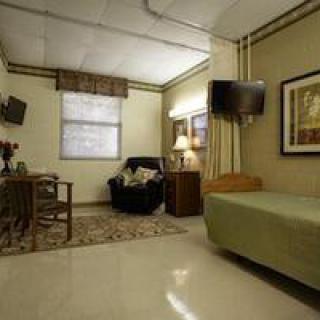
 Cozy, home-like atmosphere with friendly, attentive staff and social activities.
 Exploring the Contrasts Between Assisted Living and Skilled Nursing
 Vibrant Senior Living: A Comprehensive Guide for Active Older Adults
 Assisted Living and Memory Care: Understanding Their Core Differences