
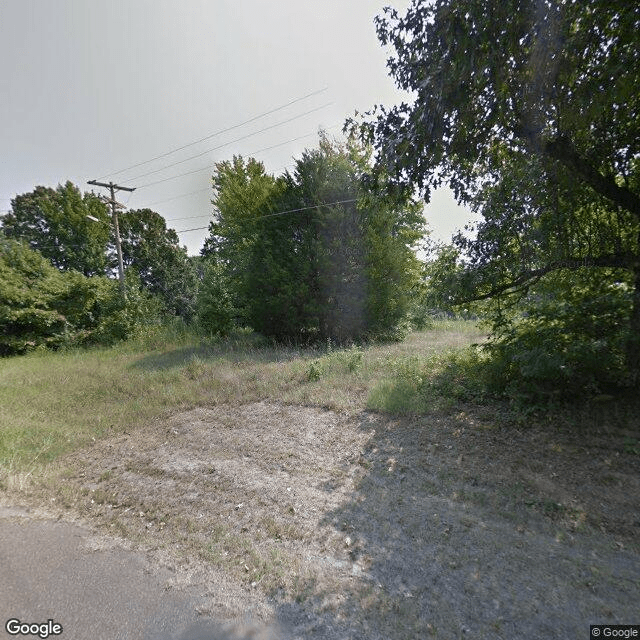
500 Kittle Rd, Forrest City, AR 72335
To contact a resident: (870) 633-4260
For more information about senior living options: (866) 208-4318
Overall Review of Crestpark Retirement Inn
Pros
 The grandmother has been there for years, and the assistance has always been pleasant.
- It is a great place for aging loved ones.
Cons
 They do not have enough staff to care for patients and will let infections develop, waiting until they are septic to send them to the ER.
- They are inhumane and deceptive, exhibiting every form of abuse one would not subject to someone they care about.
- They are the most unkind, uncaring, and lazy group of individuals, not trustworthy to be responsible for anything living.
- They do not respect loved ones or work with them in an appropriate, assertive manner.
- This rehab is no place anyone would want to put a loved one.
- There is nothing but a lack of concern or compassion for those in their care.
- It is a bad place and people should not go there.
Review
Crestpark Retirement Inn in Forrest City is best suited for seniors who want a compact, budget-conscious retirement setting and can function with modest levels of supervision and assistance. The facility appears most viable for residents with relatively low care needs who prize a home-like atmosphere and social engagement opportunities over robust medical intensity. Families should be prepared to act as advocates, supervising daily care, coordinating medications, and monitoring for early signs of trouble. In short, this is not a hands-off option; ongoing family involvement is a practical necessity to ensure basic safety and responsiveness.
Careful consideration should be given to residents with medical fragility, dementia, significant mobility or incontinence needs, or those who require rapid, reliable response to emergencies. The negative voices describe severe staffing shortages and delays, with potential for serious harm. For families prioritizing consistent, proactive clinical oversight, or strict infection control and dignified handling, stronger options should be sought. Alternatives with clearer staffing guarantees and more robust oversight will typically serve higher-acuity residents more reliably.
Among the positives, there is mention of pleasant assistance for a resident who has been there for years, and a sense that the facility can be a decent home for aging loved ones when things run smoothly. Those elements point to a genuine, albeit variable, warmth from some staff and a lived-in, community vibe. However, the dominant narratives highlight systemic staffing gaps, unprofessional behavior, and a perceived lack of respect and responsiveness. The risk of infections and delayed hospital care undermines any social benefits. When staffing is adequate and staff interactions are respectful, the experience can be acceptable; when it is not, the care atmosphere collapses quickly.
Families evaluating Crestpark should demand hard data: current staffing ratios by shift, how many aides per resident, on-call medical coverage, and documented response times to resident calls. Request recent infection-control audits, a clear plan for emergencies, and access to resident care plans and incident logs. A live tour should be conducted at different times to observe workload, staff-patient interactions, and how residents are assisted with activities of daily living. If choosing this setting, insist on a written care agreement that specifies expectations for hygiene, medication administration, and timely hospital transfers, and require regular, transparent updates on any shifts in staffing or policy.
With a 2.6 average from nine reviews and a range of highs and lows, the verdict is that Crestpark’s value proposition depends almost entirely on day-to-day staffing stability. The few positive anecdotes demonstrate that when conditions align, adequate staffing, compassionate treatment, and attentive supervision, residents can experience meaningful quality of life. The breadth of negative experiences, however, cannot be dismissed: reports of neglect, disrespect, and slow or inadequate responses are not isolated incidents in the collective memory of this community. The practical takeaway is that consistency is the missing variable, and without it, the gaps become unsafe.
Ultimately, the decision hinges on risk tolerance and the specific care needs of the loved one. For seniors with minimal care requirements who can benefit from light assistance and a family prepared to stay closely involved, Crestpark may be workable in the short term. For anyone with medical fragility, high care needs, or dementia, alternatives offering stronger clinical oversight, steadier staffing, and proven responsiveness are strongly advised. The prudent path is to compare Crestpark against other communities with verifiable staffing metrics and higher consistency, then visit with a structured checklist to determine whether the potential warmth and lower cost are enough to offset the documented staffing and care concerns.
 Skilled Nursing Facility
 High acuity care

 In-Depth Look at the VA Aid and Attendance Program
 Nurturing Our Loved Ones: A Daughter's Journey in Caring for Her Mother
 Nurturing Our Elders: Linda's Journey of Supporting Her Mother